Mnemonics: Print Culture and the Modern World


Mnemonics are memory tools that help you remember important facts, dates, events, and sequences related to Print Culture and the Modern World. This chapter covers the history of printing from ancient times to modern India, including key developments, impacts, and movements. These mnemonics will help you quickly recall exam-relevant information using simple acronyms and phrases.
1. Introduction to Print Culture
Mnemonic line: "PRINT gives people a VOICE"
PRINT - Meaning and Impact of Print Culture
Mnemonic: PRINT
P - Production of books changed
R - Reading public expanded
I - Ideas circulated widely
N - New debates emerged
T - Thinking patterns changed
Explanation:
Before printing, books were handwritten, costly, and limited to elites. Print made books cheaper and widely available. This created a new reading public and transformed how people accessed knowledge, discussed ideas, and questioned authority.
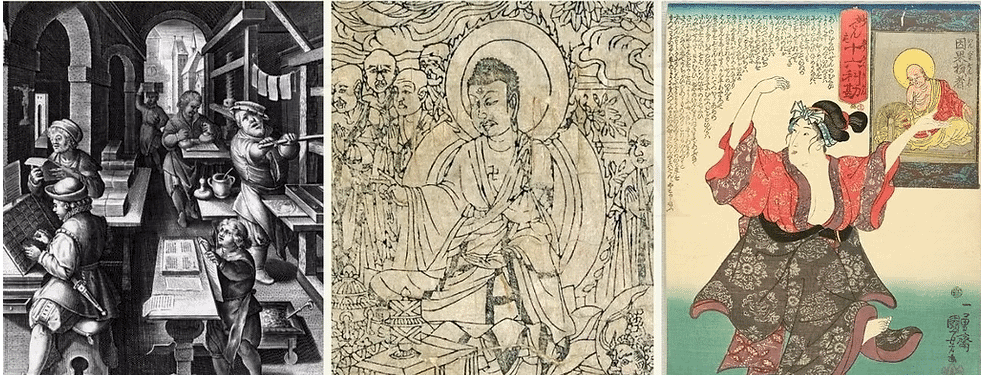 Print Culture
2. First Printed Books - East Asian Origins
Mnemonic line: "CJK printed before Europe"
CJK - Early Printing in East Asia
Mnemonic: CJK
C - China
J - Japan
K - Korea
Explanation:
The earliest print technology developed in East Asia. China used woodblock printing from AD 594 onwards. Buddhist missionaries carried hand-printing to Japan, where the Diamond Sutra was printed in AD 868. Korea produced large collections of Buddhist texts like the Tripitaka Koreana using woodblocks.
Features of Chinese Hand Printing
Mnemonic line: "BLOCKS need TIME"
Mnemonic: BLOCKS
B - Blocks of wood used
L - Labour-intensive process
O - Only one side printed
C - Civil service books printed
K - Knowledge spread slowly
S - Skilled craftsmen required
Explanation:
In China, characters were carved on wooden blocks and printed by rubbing paper on them. This method was slow and required skilled labour, but it allowed large-scale production of examination texts and religious works.
3. Gutenberg and European Printing Revolution
Mnemonic line: "Europe learned PRINT late"
3.1 GUTENBERG - The Printing Press
Mnemonic: GUTENBERG
G - Goldsmith by training
U - Used olive press model
T - Type was movable metal
E - Enabled faster printing
N - New readers emerged
B - Bible printed first
E - Europe saw spread of presses
R - Revolution in printing
Explanation:
Johann Gutenberg adapted existing technologies to develop the movable type printing press. His Bible was printed in large numbers and much faster than handwritten manuscripts, leading to a print revolution across Europe.
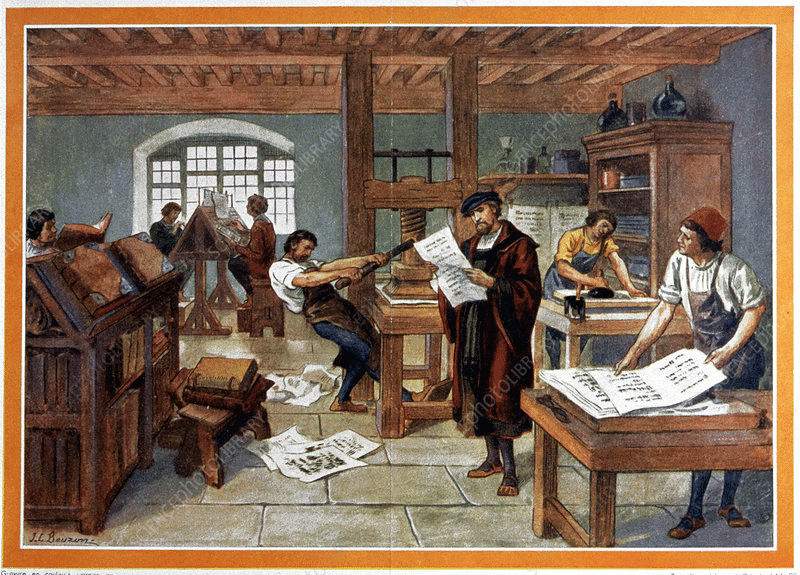 Printing Press
Key Features of Gutenberg's Press
Mnemonic line: "METAL made books FAST"
M - Movable metal type
E - Efficient production
T - Time reduced
A - Affordable books
L - Layout resembled manuscripts
Explanation: Printed books initially looked like handwritten manuscripts, with decorative borders added by hand. However, the speed and volume of production increased dramatically.
4. Print Revolution and Its Impact
Mnemonic line: "PRESS changed society"
PRESS - Effects of Print Revolution
Mnemonic: PRESS
P - Production increased
R - Reading spread
E - Exchange of ideas
S - Social debates
S - Spread of dissent
Explanation:
By 1500, millions of books circulated in Europe. Print reduced costs, encouraged literacy, blurred the line between oral and written culture, and allowed people to engage with new ideas.
Religious Debates and Fear of Print
Mnemonic line: "PRINT made faith QUESTION"
Mnemonic: FEAR
F - Fear of uncontrolled ideas
E - Established authority challenged
A - Access widened
R - Restrictions imposed
Explanation:
Print enabled religious criticism, such as Martin Luther's writings. Authorities feared that unchecked printing would spread rebellious ideas, leading to censorship like the Index of Prohibited Books.
5. The Reading Mania
Mnemonic line: "READING became a HABIT"
READ - Growth of Reading Culture
Mnemonic: READ
R - Rise in literacy
E - Expansion of schools
A - Almanacs and ballads
D - Demand for books
Explanation:
As literacy spread, people wanted more books. Cheap publications like chapbooks and almanacs became popular among ordinary people.
6. Print Comes to India
Mnemonic line: "PGI started Indian PRINT"
PGI - Early Printing in India
Mnemonic: PGI
P - Portuguese missionaries
G - Goa as first centre
I - Indian newspapers later
Explanation:
The printing press came to India with Portuguese missionaries in the mid-sixteenth century. Goa became the first printing centre, mainly producing religious texts.
Growth of Newspapers in India
Mnemonic line: "1780 opened NEWS"
Mnemonic: NEWS
N - Newspapers emerged
E - English press began
W - Weekly Bengal Gazette
S - Spread of information
Explanation:
James Augustus Hickey started the Bengal Gazette in 1780. Gradually, Indian-run newspapers also appeared, expanding public discussion.
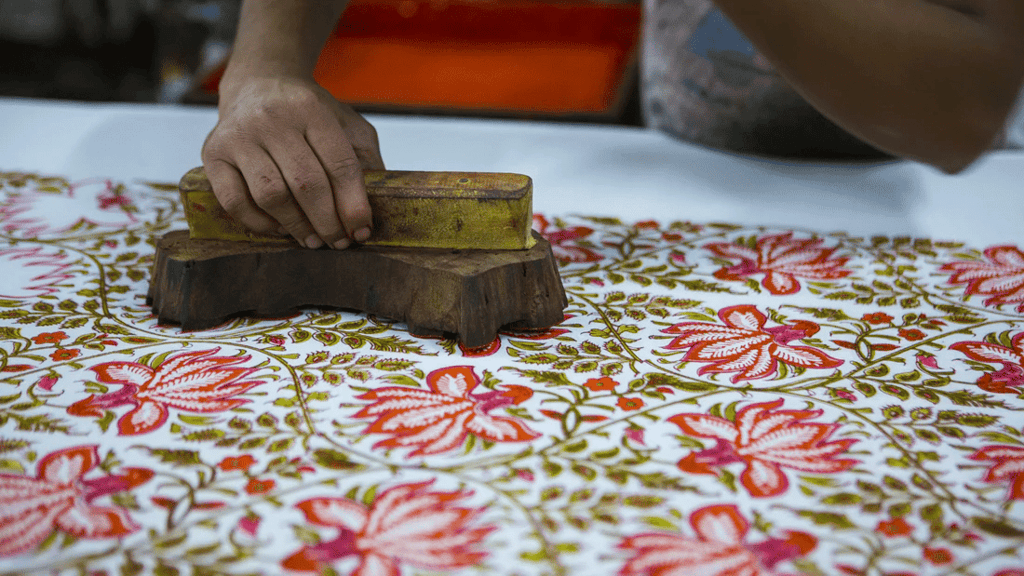 Print in India
7. Religious Reform and Public Debates
Mnemonic line: "PRINT turned belief PUBLIC"
REFORM - Role of Print
Mnemonic: REFORM
R - Religious debates spread
E - Exchange of views
F - Female education discussed
O - Orthodox responses
R - Regional languages used
M - Mass participation
Explanation:
Print allowed reformers and orthodox groups to express opinions publicly. Debates on religion reached wider audiences through newspapers and tracts.
8. Print and Nationalism in India
Mnemonic line: "PRINT united people"
NATION - Contribution of Print
Mnemonic: NATION
N - Newspapers criticised British rule
A - Anti-colonial ideas spread
T - Tilak's newspapers
I - Information circulated widely
O - Ordinary people mobilised
N - Nationalist activities expanded
Explanation:
Nationalist newspapers helped spread criticism of colonial rule and encouraged political awareness among the masses.
9. British Control over the Press
Mnemonic line: "CONTROL silenced VOICES"
CONTROL - Censorship Measures
Mnemonic: CONTROL
C - Censorship laws
O - Offensive content defined
N - Newspapers monitored
T - Vernacular Press Act
R - Repression of editors
O - Opposition increased
L - Licensing enforced
Explanation:
The British government imposed strict laws like the Vernacular Press Act (1878) to suppress nationalist criticism, but repression often strengthened resistance.
10. New Forms of Publication
Mnemonic line: "PRINT changed STORIES"
PLOT - Popular Literature
Mnemonic: PLOT
P - Popular forms expanded
L - Local languages flourished
O - Ordinary lives reflected
T - Themes of reform and society
Explanation:
New literary forms like novels, essays, and visual prints emerged, reflecting everyday life, emotions, and social issues.
11. Women and Print Culture
Mnemonic line: "BOOKS gave WOMEN VOICE"
WOMEN - Role of Print
Mnemonic: WOMEN
W - Women became readers
O - Opposition from conservatives
M - Magazines for women
E - Education encouraged
N - New women writers emerged
Explanation:
Print increased women's literacy and allowed women to express their experiences through journals and autobiographies.
12. Print, the Poor, and Censorship
Mnemonic line: "PRINT reached the POOR"
VOICE - Expression through Print
Mnemonic: VOICE
V - Vernacular languages
O - Opportunity for poor readers
I - Ideas on caste injustice
C - Censorship imposed
E - Expression continued
Explanation:
Cheap books, libraries, and newspapers helped poor people access ideas. Print also became a tool to highlight social injustice and protest.
FAQs on Mnemonics: Print Culture and the Modern World
| 1. What was the significance of Gutenberg’s printing press in the history of print culture? |  |
| 2. How did the first printed books impact society? | |
| 3. What role did print culture play in India during the colonial period? | |
| 4. How did the print revolution contribute to the modern world? | |
| 5. What were the differences between manuscript culture and print culture? | |