Short and Long Question Answers: A Bottle of Dew

Short Answer Type Questions
Q1: What was Rama Natha's belief about the magic potion?
Ans: Rama Natha believed that there was a magic potion that could turn any object into gold. He thought that finding this potion would make him rich at once. Because of this belief, he spent most of his time searching for the secret, even though dishonest people often cheated him by promising to reveal it. His obsession with the potion made him ignore the large tracts of land he had inherited from his father.
Q2: How did the sage help Rama Natha?
Ans: The sage Mahipati told Rama Natha what he needed to do to obtain the supposed potion. He advised Rama Natha to plant banana plants and to collect the dew that formed on their leaves during winter mornings. The sage said that if Rama Natha could bring him five litres of this dew, he would perform a ritual that would turn it into the magic potion. This guidance put Rama Natha on a long and steady course of work to collect the dew and tend the plantation.

Q3: Why was Rama Natha worried when he heard about the magic potion?
Ans: Rama Natha was worried because the task seemed almost impossible. The sage had said that dew could be gathered only during the winter and only in very small amounts each morning. Rama Natha realised that collecting five litres would take many years, which made him anxious and uncertain about whether the effort would ever pay off.
Q4: How did Rama Natha go about collecting the dew?
Ans: Rama Natha followed the sage's instructions: he planted banana saplings and cared for them by watering and tending them every day. During the winter months, he collected the dew that gathered on the banana leaves each morning. His wife, Madhumati, helped by selling the bananas in the market, which brought in money while Rama Natha continued with the long task of collecting dew.
Q5: Why did the sage's magic potion not turn the copper vessel into gold?
Ans: When Rama Natha sprinkled the bottle of dew on a copper vessel, nothing happened. The sage then explained that there was no real magic potion. The actual reason for their growing prosperity was the hard work they had put into planting and tending the banana plantation. The income from selling the bananas came from their effort and care, not from any magical trick.
Q6: What was Rama Natha's reaction when the magic did not work?
Ans: Rama Natha felt angry and disappointed when the supposed magic did not work. He thought he had wasted six years collecting the dew in the hope of instant wealth.He confronted the sage and accused him of cheating, but the sage calmly pointed out that the true reward had been the steady work he and Madhumati had done over the years. Rama Natha had to accept that their prosperity came from their labour, not from a miracle.
Q7: How did Rama Natha and his wife, Madhumati, create their wealth?
Ans: Rama Natha and Madhumati built their wealth through regular, sustained work. Rama Natha planted and looked after the banana plants, while Madhumati sold the bananas at the market and managed the money they earned. Over the years their plantation expanded and provided a steady income. Their prosperity was the result of persistence, careful work and teamwork, not of any magical potion.
Q8: What lesson did Rama Natha learn from the sage?
Ans: Rama Natha learnt that hard work, not tricks or shortcuts, is the true source of wealth. The sage's scheme made him see that the years he spent tending the banana plantation and the effort he and Madhumati put in had brought them prosperity. Once he realised this, Rama Natha began to value steady effort and dedication more than quick solutions.
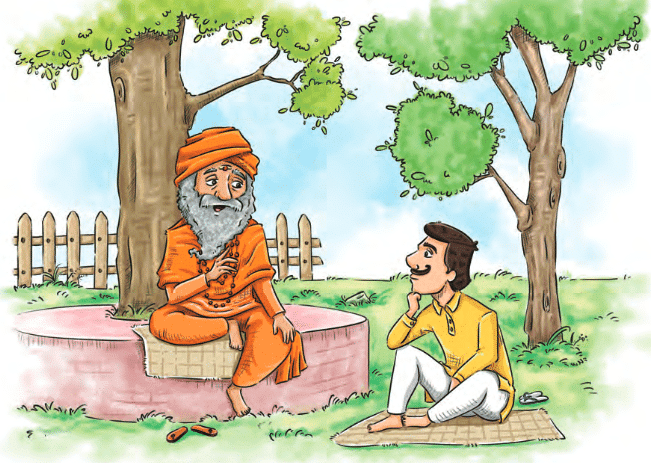
Q9: How did Madhumati help Rama Natha in his task?
Ans: Madhumati supported Rama Natha by taking care of the practical side of their work. While Rama Natha tended the banana plants and collected dew, she sold the bananas at the market, earning money for the family. Her help with sales and household matters was essential to their success and allowed Rama Natha to continue his long task.
Q10: What do you think is the message of the story "A Bottle of Dew"?
Ans: The message of "A Bottle of Dew" is that hard work and dedication lead to lasting success, while relying on quick fixes or magical solutions does not lead to real success. The tale emphasises the value of patience, steady effort and teamwork, as shown by Rama Natha and Madhumati, whose combined work brought them a real and lasting reward.
Long Answer Type Questions
Q1: Describe the journey of Rama Natha from disbelief to realisation of the true source of wealth.
Ans: Rama Natha's journey from disbelief to realisation is central to "A Bottle of Dew". At first, he was careless despite owning land and he hoped for an easy way to grow richer. He believed a magic potion would solve his problems. When the sage told him to plant banana trees and collect dew, Rama Natha found the task hard to believe but still followed it. For six years he worked in the plantation, facing changing seasons and daily care. Madhumati helped by selling the bananas to earn money. When the dew failed to turn copper into gold, Rama Natha felt cheated, but the sage explained that their growing prosperity came from the years of hard work they had put in. This made Rama Natha understand that steady effort and dedication, not miracles, create lasting wealth. The experience changed his outlook and made him value honest work.
Q2: How does the story "A Bottle of Dew" illustrate the importance of hard work and dedication in achieving success?
Ans: "A Bottle of Dew" shows that hard work and dedication are needed for real success. Rama Natha first wanted a quick solution in the form of a magic potion, but the task the sage gave him forced him into honest labour: planting and tending banana trees and collecting dew. Over the years, the plantation produced bananas that Madhumati sold, giving the family a steady income. The sage's assignment taught Rama Natha that steady, patient effort produces results while shortcuts do not bring lasting benefit. The tale underlines discipline, patience and teamwork as the true paths to success.
Q3: Analyse the role of the sage in the story and explain how his actions influenced Rama Natha's understanding of wealth and success.
Ans: The sage plays a pivotal role in guiding Rama Natha to an important lesson. Rama Natha came seeking a secret to make things into gold, but the sage gave him a difficult, long-term task - to plant banana trees and collect five litres of dew. The task was designed to make Rama Natha work steadily and focus on useful labour. When the dew did not produce gold, the sage revealed that the real cause of their improved condition was the sustained hard work they had done on the plantation. By using this method, the sage taught Rama Natha that success comes from effort, patience and practical work rather than from quick, magical solutions. His action led directly to Rama Natha's change of mind and a new respect for honest labour.
FAQs on Short and Long Question Answers: A Bottle of Dew
| 1. What is the main message or theme of "A Bottle of Dew" for Class 6 English? |  |
| 2. How do I answer short questions from "A Bottle of Dew" without losing marks in exams? | |
| 3. What are the character traits and descriptions we need to know for "A Bottle of Dew" long answers? | |
| 4. Why does "A Bottle of Dew" use nature imagery and what should I write about it? | |
| 5. What vocabulary words and difficult terms appear in "A Bottle of Dew" that I should revise? | |