Unit Test Solutions: India's Cultural Roots

Attempt all questions. Time: 1 hour, M.M. 30
- Section A - Question numbers 1 to 5 carry 1 mark each.
- Section B - Question numbers 6 to 8 carry 2 marks each.
- Section C - Question numbers 9 to 11 carry 3 marks each.
- Section D- Question number 12 to 13 carry 5 marks each
Q1. How many Vedas are there? (1 Mark)
(a) Two
(b) Three
(c) Four
(d) Five
Ans: (c)
There are four Vedas-Rig Veda, Yajur Veda, Sama Veda, and Atharva Veda-described as India's most ancient texts.
Q2. Fill in the blank: The Buddha was born in _______. (1 Mark)
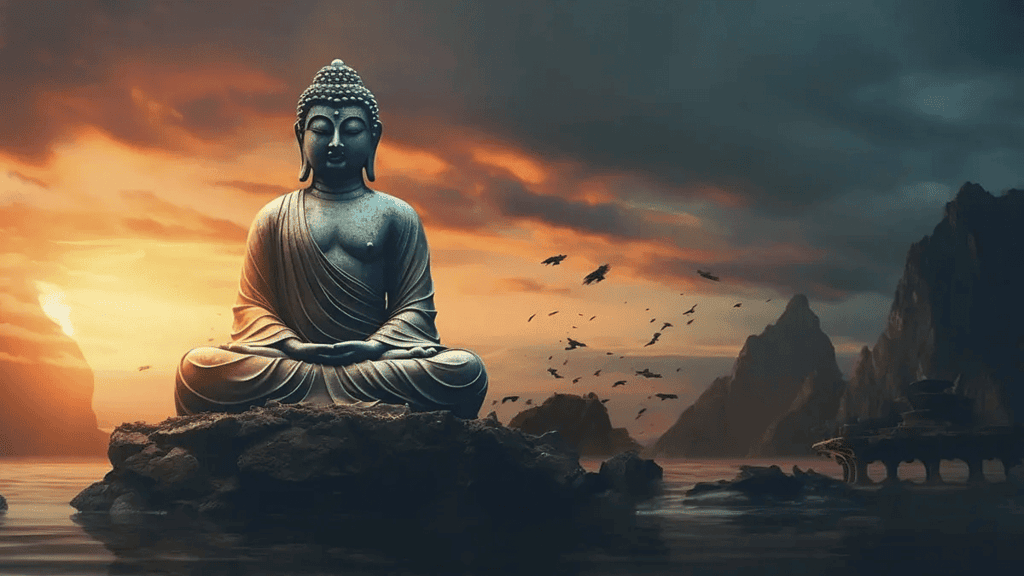 Ans: Lumbini
Siddhartha Gautama, who became the Buddha, was born in Lumbini, now in Nepal.
Q3. True or False: Jainism accepts the authority of the Vedas. (1 Mark)
Ans: False
Jainism, like Buddhism, emerged as a school of thought that did not accept the authority of the Vedas.
Q4. Which of the following is a core principle of Jainism? (1 Mark)
(a) Anekantavada
(b) Yajna
(c) Ritam
(d) Brahman
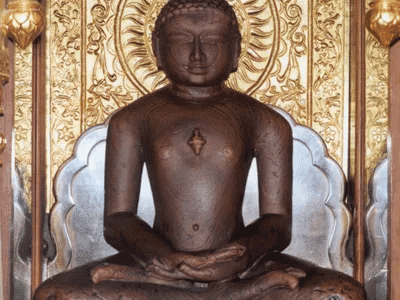
Ans: (a)
Anekantavada, meaning 'not just one perspective,' is a central Jain teaching alongside ahimsa and aparigraha.
Q5. Which of the following best reflects the Vedic concept of unity as expressed in the hymn "ekam sat vipra bahudha vadanti"? (1 Mark)
(a) All deities are separate beings with unique powers.
(b) The supreme reality is one, despite being called by many names.
(c) Truth is only accessible through complex rituals like yajña.
(d) The cosmos is chaotic and lacks a unifying order.
Ans: (b)
The hymn "ekam sat vipra bahudha vadanti" translates to "The Existent is one, but sages give it many names," emphasizing a core Vedic belief in a singular supreme reality underlying diverse deities like Indra or Sarasvatī.
Q6. Explain the Vedic concept of 'Truth' as a value. (2 Marks)
Ans: In Vedic culture, 'Truth' is a supreme value, often equated with God, reflecting the ultimate reality. The hymn "The Existent is one, but sages give it many names" shows that Truth unites all deities and sustains order in life and the cosmos.
Q7. What is the significance of ahimsa in Buddhism? (2 Marks)
Ans: Ahimsa in Buddhism means 'non-hurting' or 'non-injuring,' extending beyond physical violence to thoughts and actions. The Buddha taught it as part of inner discipline to remove suffering caused by ignorance and attachment.
Q8. How do tribal traditions view nature? (2 Marks)
Ans: Tribal traditions regard nature-mountains, rivers, trees, plants, animals, and stones-as sacred, believing consciousness exists in all elements. For example, the Toda tribals consider Nilgiri peaks divine residences, too sacred to point at.
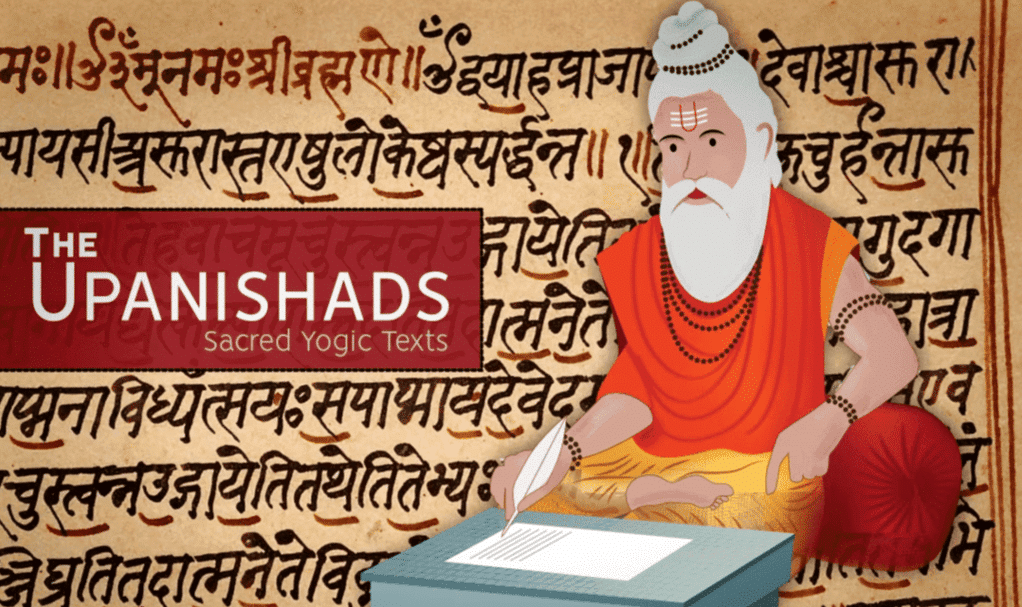
Q9. Discuss how the Upanishads expanded Vedic ideas. (3 Marks)
 Ans:
Ans:
- The Upanishads built on Vedic hymns by introducing concepts like rebirth, karma, and the unity of atman (self) with brahman (divine essence).
- Stories like Shvetaketu's seed lesson illustrate brahman as the subtle essence in all things, while Nachiketa's quest reveals ātman's immortality.
- These ideas deepened Vedic focus on rituals into a philosophical search for universal truth.
Q10. Explain the shared values between Buddhism and Jainism. (3 Marks)
Ans:
- Buddhism and Jainism share values like ahimsa (non-hurting), karma (actions and results), and the goal of ending suffering through removing ignorance.
- Both emphasize inner discipline-Buddhism via enlightenment, Jainism via conquering attachments-and interdependence, as seen in Jainism's view of all creatures supporting each other.
- These commonalities shaped Indian culture despite their rejection of Vedic authority.
Q11. How have folk and tribal traditions enriched Hindu belief systems? (3 Marks)
Ans:
- Folk and tribal traditions enriched Hinduism through mutual exchange of deities and stories.
- Tribal deities like Jagannath and mother-goddess forms were adopted into Hinduism, while tribes incorporated Hindu tales like the Mahabharata and Ramayana.
- This interaction blended nature worship and concepts of a supreme divinity, enhancing Hinduism's diversity and spiritual depth.
Q12. Analyze the core principles of Buddhism and their impact on Indian culture. (5 Marks)
Ans:
- Buddhism, founded by Siddhartha Gautama (the Buddha), centers on ending suffering through enlightenment.
- Its core principles include ahimsa (non-hurting), overcoming avidya (ignorance) and attachment, and inner discipline, as taught to the Sangha community.
- After meditating under a pipal tree, the Buddha realized suffering stems from ignorance, proposing a method to eliminate it.
- This influenced Indian culture by promoting nonviolence, evident in stories like the monkey-king's sacrifice, which inspired selfless leadership.
- The spread of Buddhist monks and monasteries across India and Asia embedded these values-peace, compassion, and ethical living-into societal norms, leaving a lasting legacy still felt today.
Q13. Discuss the evolution of Vedic schools of thought and their contribution to Indian spirituality. (5 Marks)
Ans:
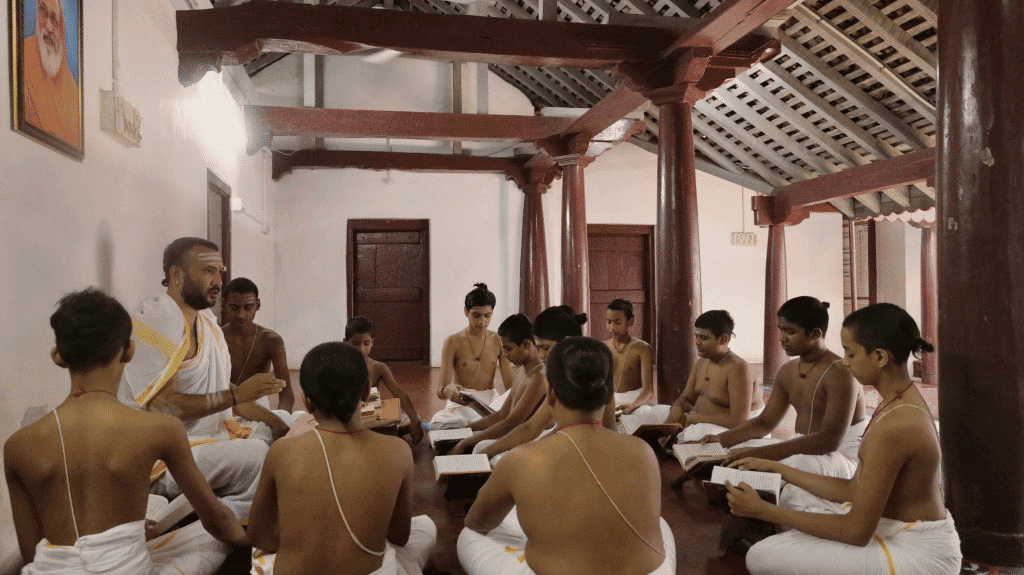
- Vedic schools of thought evolved from the four Vedas-hymns composed by rishis and rishikas to deities like Indra and Sarasvatī, emphasizing Truth and ritam (cosmic order).
- Initially focused on rituals like yajna for wellbeing, they expanded through the Upanishads, introducing rebirth, karma, and the unity of atman with brahman, as seen in tales like Gargi's debate.
- This led to Vedanta, viewing all as one divine essence, and Yoga, aiming to realize brahman in consciousness.
- These developments shaped Indian spirituality by fostering a quest for deeper truth beyond rituals, encouraging prayers like "May all creatures be happy" and influencing Hinduism's philosophical depth.
- They provided a foundation for diverse spiritual paths, uniting seekers in exploring life's essence.
FAQs on Unit Test Solutions: India's Cultural Roots
| 1. What are the key themes explored in India's Cultural Roots? |  |
| 2. How does the article describe the influence of religion on Indian culture? | |
| 3. What are some examples of festivals mentioned in the article that showcase Indian cultural diversity? | |
| 4. How does the article explain the role of art and literature in representing Indian culture? | |
| 5. In what ways does the article suggest that historical events have shaped contemporary Indian culture? | |