Static Random Access Memory (SRAM)


What is SRAM?
Static Random Access Memory (SRAM) is a type of computer memory that keeps data safe as long as the device has power. It uses six tiny parts called transistors for each little piece of data it stores (called a memory cell). Unlike some other memory types, SRAM doesn't need to keep refreshing its data to hold onto it, which makes it more dependable and faster.
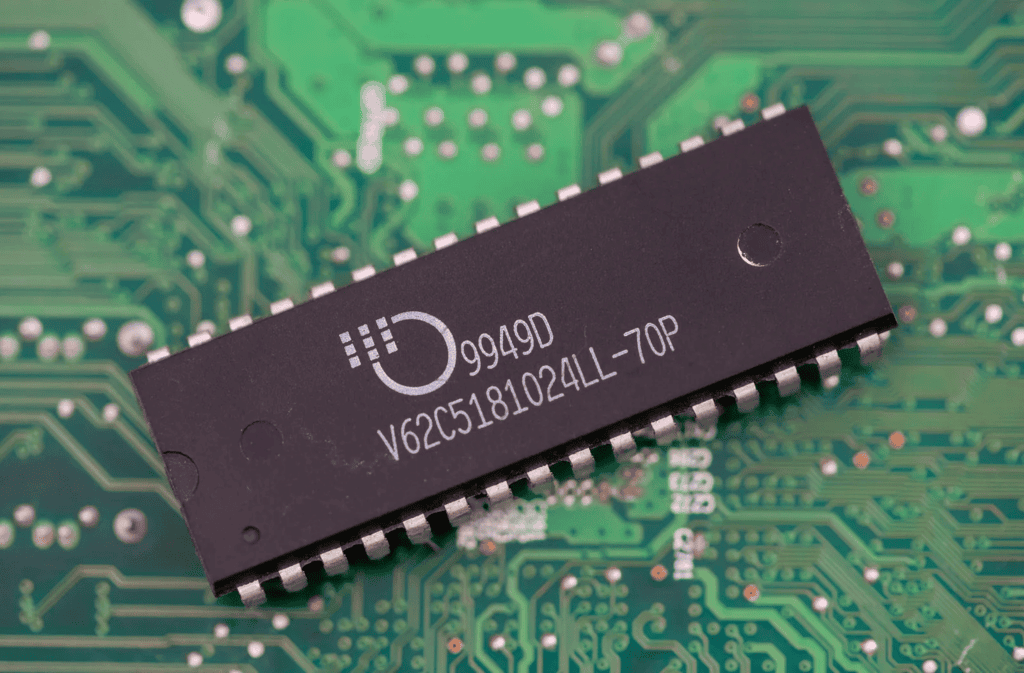
SRAM is often used in places where speed is super important, like in the cache memory of a computer's brain (CPU), in routers, or other gadgets that need quick access to data.
SRAM vs. DRAM
SRAM and Dynamic RAM (DRAM) are both types of memory used in computers, but they work differently and have different jobs.
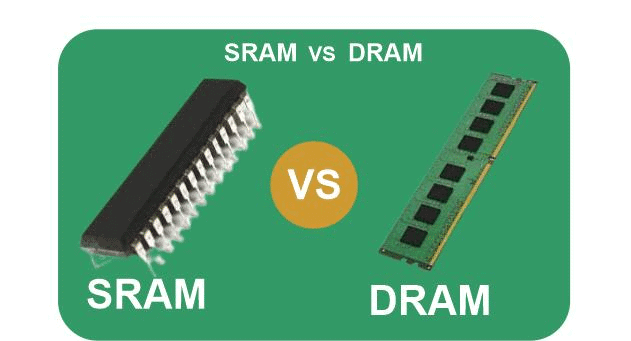
- SRAM: This is fast and doesn't need a part called a capacitor to store data. It uses six transistors per memory cell, which makes it quick to access and uses less power when it's just sitting there. But it's more expensive to make and takes up more space.
- DRAM: This is cheaper and stores data using one transistor and a tiny capacitor per memory cell. The capacitor needs to be refreshed all the time to keep the data, which makes DRAM slower, uses more power, and adds a little delay. It's great for when you need a lot of memory at a lower cost.
In short: SRAM is fast and reliable but costly, while DRAM is affordable and good for big memory needs but slower.
How Does SRAM Work?
SRAM works using a little circuit called a flip-flop, made of six transistors, for each memory cell. This flip-flop can hold a "0" or a "1" (the two states of data) as long as the power is on. Because it doesn't need refreshing, SRAM can give you the data right away when you ask for it.
Here's how it happens:
- When the computer wants to read data, it finds the right memory cell and grabs the 0 or 1 stored there.
- When it wants to write data, it changes the flip-flop to the new 0 or 1.
It's like flipping a switch that stays where you put it until you flip it again-no waiting required!
Types of SRAM
SRAM comes in different styles depending on what it's used for. Here are the main ones:
- Binary SRAM: The usual type that stores a 0 or 1 in each cell. It's fast and reliable for quick data jobs.
- Ternary SRAM: A special kind that can store three options per cell, packing more data into less space. Used for unique tasks.
- Asynchronous SRAM: Works on its own without following a clock, making it simple and speedy for certain devices.
- Synchronous SRAM: Matches up with a clock for better timing, great for things like fast signal processing.
- Low-power SRAM: Uses less energy, perfect for things like phones or gadgets that run on batteries.
- Quad Data Rate (QDR) SRAM: Super fast because it grabs data twice per clock tick. Used in high-speed computers and networks.
Advantages and Disadvantages of SRAM
SRAM is awesome for some things but has downsides too. Here's the simple breakdown:
Advantages:
- Fast: No waiting for refreshes means quick data access.
- Low delay: You get the data almost instantly.
- Reliable: Data stays put as long as there's power, with fewer mistakes.
- Simple: Some types don't need fancy timing, which makes them easier to use.
- Low power when idle: It doesn't use much energy when not working.
- Tough: It can handle lots of reading and writing without wearing out.
- Great for speed: Perfect for fast jobs like CPU caches or network gear.
Disadvantages:
- Expensive: Six transistors per cell cost more to make.
- Big: It takes up more room than other memory types.
- Power when busy: Uses more energy when active.
- Hard to scale: Tough to make lots of it cheaply.
- Less storage: Can't hold as much data as DRAM in the same space.
- Heat: Makes more heat when working hard, which can be a problem.
What is SRAM Used For?
SRAM is super helpful in places where speed and trust matter most:
- CPUs: Acts as cache memory to hold data the processor needs fast.
- Storage: Speeds up hard drives or SSDs by keeping often-used data handy.
- Networking: Helps routers and switches move data packets quickly.
- Special Devices: Used in things like signal processors or programmable chips for real-time tasks.
FAQs on Static Random Access Memory (SRAM)


 | Explore Courses for Electronics and Communication Engineering (ECE) exam |  |
 | Get EduRev Notes directly in your Google search | |