Educational Philosophy

Self-Education through Yoga
Yoga promotes self-education, which is essentially education about self-awareness. It teaches us how to live wisely, beyond worldly orientations. The current education system should intensively incorporate this yogic value. The yoga system can provide progressive training for the development of self-awareness and educate us about the realities of our being and becoming.
Vedanta
Vedanta, in its various forms, is the most widespread philosophical tradition in India. This is because the schools of Vedanta trace their origins to the Upanishads, which are considered the pinnacle of spiritual knowledge. The Upanishads are called Vedanta because they constitute the end of the Veda, both in terms of being the concluding portion and in terms of their profound significance.
The term "Vedanta" was originally used in Hindu philosophy to refer to the Upanishads, marking the end of the Veda. It is also known as Uttar Mimamsa. Vedanta is often paired with Purva Mimamsa, and the Vedanta school is considered more orthodox due to its close adherence to the Veda and its philosophical sections.
Classification of Vedanta School
Advaita Vedanta: This is the most influential school of Vedanta, founded by Adi Shankara, a prominent Hindu reformer. Advaita Vedanta teaches that Brahman is the only ultimate reality and that the world is an illusion (Maya). According to this philosophy, ignorance is the root cause of all suffering, and liberation can only be achieved through the true knowledge of Brahman. Upon liberation, there is no distinction between the individual soul (Jivatman) and Brahman.
Vishishtadvaita: Propounded by Ramanuja, this school teaches that the Jivatman is a part of Brahman, making them similar but not identical. Vishishtadvaita emphasizes Bhakti, or devotional worship of God, particularly in the form of Vishnu. In this context, Maya is seen as the creative power of God.
Dvaita: Founded by Madhva, Dvaita identifies God with Brahman and equates Brahman with Vishnu or his incarnation, Krishna. This school views the individual soul as distinct from Brahman and also advocates Bhakti. Dvaita does not incorporate the concept of Maya.
Dvaitadvaita: Propounded by Nimbarka, this philosophy suggests that the relationship between Brahman and Jiva can be understood as Dvaita (dualism) from one perspective and Advaita (non-dualism) from another.
Shuddhadvaita: Founded by Vallabha, Shuddhadvaita promotes Bhakti as the sole means of liberation, leading to Goloka, the world of cows. In this view, the world is considered the divine play (Leela) of Krishna, who is characterized by Sat-Chit-Ananda (existence, consciousness, and bliss).
Achintya Bhedabheda: This doctrine, established by Chaitanya Mahaprabhu, emphasizes the simultaneous oneness and difference between the individual soul and God. It is followed by the ISKCON movement, which is renowned worldwide.
Vedanta Philosophy and Practice: Vedanta offers contemplative methods of self-inquiry that lead to the realization of one's true nature, which is not subject to death, decay, or decomposition. A key aspect of these practices is the contemplation of the Mahavakyas, which are profound statements found in the Upanishads. The teachings of Vedanta are primarily captured in the Upanishads, and the text Vivekachudamani (Crest Jewel of Discrimination) by Adi Shankaracharya is considered an excellent source for understanding these teachings.
Vedanta in Education
In the Vedic period, education was considered the "third eye," symbolizing insight and illumination. The Vedic System of Education, rooted in the Vedas, guided the educational framework of the time.
Vedanta comprises the teachings found in the Upanishads, the Brahma Sutras, and the Bhagavad Gita. The core principle of Vedanta is the recognition that Brahman (God), embodying existence, consciousness, and bliss, is the ultimate reality. In this view, the universe is perceived as an illusory phenomenon, akin to a mirage or a rope misinterpreted as a snake. Furthermore, the individual self (Jiva) is fundamentally identical to Brahman or God. The primary objective of Vedanta is to realize this oneness between the individual self and absolute consciousness.
Aims of Education
- Tamso-ma-Jyotirgamaya: This aim emphasizes that education should illuminate and clarify, dispelling doubts, dogmas, and darkness through knowledge.
- Individual-Centered Education: Education should focus on the holistic development of each individual, catering to their unique needs and potentials.
- Nature-Oriented Education: Educational institutions should be situated in natural and serene environments, away from crowded urban areas. The goal is to foster a connection between humans and nature.
- Religion-Centered Education: Given the pervasive influence of religion in various aspects of life, education should be integrated with religious principles and practices.
- Education of Mind: Education should promote creativity, cultural pursuits, and the advancement of civilization.
Educational Implications
- All-Round Development of Child: The primary goal of education is the all-round development of a child's personality. Education should be more individualistic, focusing on each child rather than on group learning.
- Equality of Opportunity: Education should be free from discrimination based on caste, creed, or color. All students should have equal access to education, reflecting the principle of equality enshrined in the modern Indian Constitution.
- Education for Self-Sufficiency: Education should not only focus on intellectual development but also on practical skills. Along with subjects like art, literature, and philosophy, students should gain practical knowledge in agriculture and other vocations.
- Discipline and Pupil-Teacher Relationship: The Vedic period is known for its sense of discipline and the cordial relationship between teachers and pupils, which should be upheld in education.
- Subject of Studies: Vedic literature, which emphasizes peace, humanity, and universal brotherhood, should be an integral part of the curriculum.
- Commercial Education and Vedic Mathematics: Vedic mathematics, along with commercial education, has gained popularity and is a significant feature of the Vedic period.
Methods of Teaching
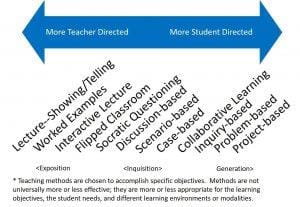
In the Vedanta or Upanishadic period, education was imparted by the teacher to his pupils. The pupils were expected to listen to their teacher's words attentively. However, both the teacher and the pupil were deeply engaged in the teaching and learning process.
The process of study had six points of development. The teacher explained the subject matter with the help of stories, proverbs, and other illustrations.
Role of Teacher
The teacher in Gurukula is not just an instructor, but also a guide, mentor, surrogate parent, role model, and friend. This multifaceted role emphasizes the holistic development and support of students beyond academic learning.
Curriculum
According to Vedanta, students should acquire knowledge in various subjects. The major division of education involves understanding the soul, the universe, and God, aiming to uncover universal truths.
On the other hand, practical subjects such as Vedas, Vedangas, phonetics, religious rites, grammar, astronomy, historical commentaries, Puranas, ethics, and military science were also studied.
- Rules of conduct were established for both teachers and students.
- Specific respect guidelines from pupils to teachers were formulated.
- Strict conduct rules for pupils were enforced.
- A dress code was observed.
- Observation of Brahmacharya or celibacy was mandatory for all pupils.
Buddhism
The religious background in which Buddhism originated in India was Brahmanism. The dominance of Brahmanical religion, along with social inequalities and economic disparities, created a conducive environment for the emergence of protestant movements in India during the 6th century BC, with Buddhism being the most notable among them.
Buddhism is an indigenous religion of the Indian subcontinent, encompassing various traditions, beliefs, and practices based on the teachings of Siddhartha Gautama, known as the Buddha, meaning "the awakened one." The Buddha was a Kshatriya prince from the Shakya kingdom in the Himalayan foothills. Unlike many world religions, Buddhism does not focus on a God but aims for liberation from suffering through the renunciation of desire, known as "Nirvana."
Central to Buddhism is the concept of impermanence and the suffering associated with it. All existence, both animate and inanimate, is in a constant state of flux, undergoing incessant changes. Nothing is permanent; existence itself is the source of all sufferings. Life is fundamentally suffering, and impermanence is the greatest Dukha (suffering). Ignorance leads to suffering and bondage, and karma arises from ignorance. Karmic impressions are carried from one life to the next, meaning that present life conditions result from past karma. Every thought, word, or action from past existence influences present existence.
Principles of Buddhism
Doctrine of Non-Self (Anatta)
- Buddhism challenges the idea of a permanent soul or self, known as the Atman. Instead, it argues that there is no enduring entity within a person.
- According to Buddhism, the concept of a distinct self or soul is an illusion.
Nirvana
- Buddhism proposes the concept of Nirvana, which is a state of complete freedom from suffering. In Nirvana, individuals experience perfect knowledge, peace, and wisdom, free from all bondage.
The Four Noble Truths
- The foundation of Buddha's teachings, known as the Four Noble Truths, outlines the nature of suffering and the path to its cessation.
- 1. The Truth of Suffering (Dukkha) : Recognizes that suffering is an inherent part of life.
- 2. The Truth of the Origin of Suffering (Samudaya) : Identifies the causes of suffering.
- 3. The Truth of the Cessation of Suffering (Nirodha) : Explains that suffering can be overcome.
- 4. The Truth of the Path to the Cessation of Suffering (Marga) : Outlines the way to end suffering.
The Eightfold Path to Nirvana
- Right to Belief
- Right to Meditate
- Right to Memory
- Right to Effort
- Right to Speech
- Right to Conduct
- Right to Thought
- Right to Action
Classification of Buddhism School
Hinayana School (the Lesser Vehicle)
- Followers of this school believed in the original teachings of the Buddha.
- They aimed for individual salvation through self-discipline and meditation.
- Idol worship was not a part of their belief system.
- They preferred the Pali language for their scriptures.
- This school is known as the 'Southern Buddhist Religion' because it was prevalent in South India, examples include Sri Lanka, Burma, etc.
- Within Hinayana, there were two sub-sects: Vaibhasika and Sautrantika.
Mahayana School (the Greater Vehicle)
- Followers of this school believed in the divinity of the Buddha.
- They sought the salvation of all beings through the grace and assistance of the Buddha and Bodhisattvas.
- Idol worship is an integral part of their practice.
- They favored the Sanskrit language for their scriptures.
- This school is known as the 'Northern Buddhist Religion' because it was prevalent in North India and spread to regions like China, Korea, Japan, etc.
Educational Philosophy
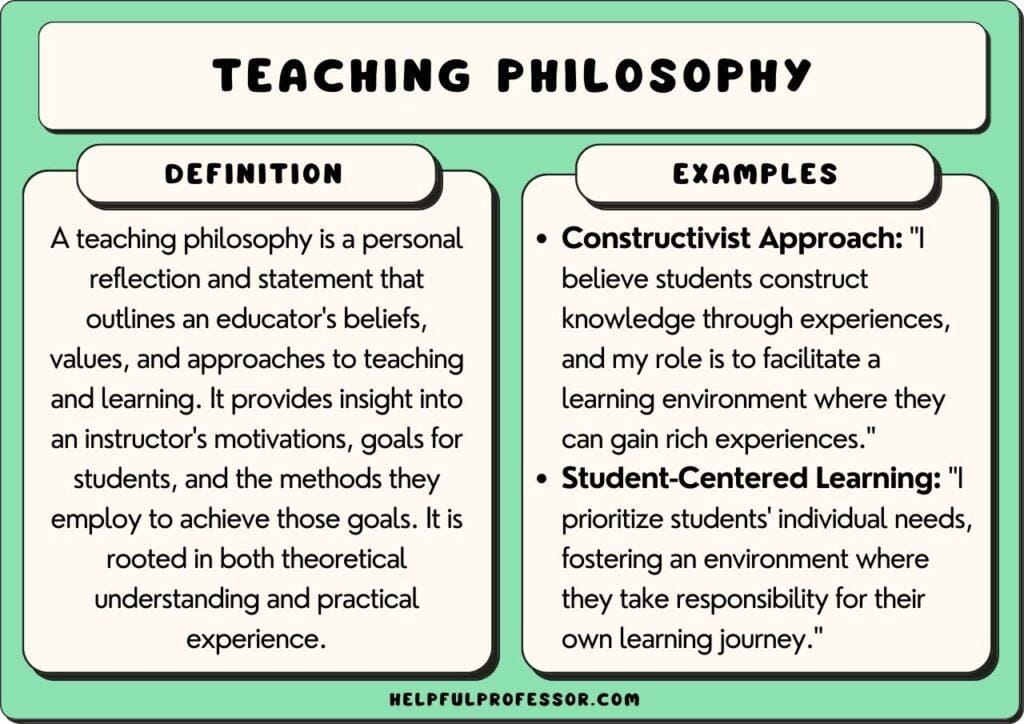
Buddhist education aimed to provide education for all. Many people shifted to the Buddhist educational system. It was for the first time in India that education was institutionalized on a large scale during the Buddhist movement.
It is also a historic fact that with the arrival of the Buddhist era, great international centers of education like Nalanda, Takshashila, Vikramshila, Ballabhi, Odantapuri, Nadia, Amravati, Nagahalla and Sarnath were in prominence. Educational centers in the Buddha period developed in Viharas and Sanghas.
Educational Aims
- Comprehensive Development: Buddhist education aimed for holistic growth in knowledge, society, vocation, religion, and character.
- Moral Values: Emphasis on following Buddhist moral principles.
- Eradication of Ritualism: Focus on eliminating Vedic Karmakanda or ritualistic practices.
- Language of Instruction: Education was provided in Pali, the language of the masses.
- Societal Progress: Prioritizing societal development over individual advancement.
- New Educational System: Implementation of a new system of education as proposed by Buddha.
- Caste System Abolition: Promotion of equality by discarding the caste system.
- Goal of Nirvana: Ultimate aim of achieving Nirvana.
Methods of Teaching
- Agra Shishyo Pranali: Monitorial system where advanced students help teach others.
- Preaching and Conference Method: Sharing knowledge through discussions and sermons.
- Travelling and Nature Study: Learning through travel and observation of nature.
- Verbal Study: Emphasis on oral learning and discussions.
- Method and Debates: Engaging in debates to enhance understanding and critical thinking.
Two-Tier System of Education
Popular Elementary Education
- Hetu Vidya: Logic
- Nyaya: Science and reasoning
- Adyatma Vidya: Philosophy
- Shilpasthan: Art and craft
- Chikitsya Vidya: Medicine
Higher Education
- Buddhism
- Hinduism
- Astrology
- Medicine
- Administration
- Tantrik Philosophy
- Logic
- Metaphysics
Total Development of Personality
Buddhist education emphasized physical, mental, and spiritual development, aiming for the integration of personality and the development of interlinked aspects of individuals.
Positivism
Buddhist philosophy is based on positivism with a careful and logical systematization of ideas.
Ethical
The eightfold path to Nirvana is a key ethical aspect of Buddhist education.
Cosmopolitan
Buddhist education was cosmopolitan, free from communal narrowness and favoritism based on caste or creed.
No Corporal Punishment
Corporal punishment was strictly forbidden in Buddhist education, a principle still relevant today.
Development of Good Conduct
Techniques in Buddhism aim to develop good conduct, which is essential for a sound education system.
Moral Discipline
Character is the foundation of moral discipline in Buddhist education, with monks taking vows of chastity and poverty.
Emphasis on Manual Skills
Training in manual skills like spinning and weaving was emphasized to enable individuals to earn a living.
Educational Implications of Buddhism
Simple Life and High Thinking: Buddhism teaches the importance of living a simple life while nurturing high thoughts and aspirations.
Emphasis on Values: There is a strong focus on instilling and upholding values within the educational framework.
Mass Education: Buddhism advocates for mass education, ensuring that education is accessible to all sections of society.
Higher Education: There is an emphasis on the spread and development of higher education to uplift society.
Art and Literature: Buddhism encourages the development of art and literature as essential components of education.
State Patronage: The state is encouraged to patronize and support educational initiatives.
Higher Standards: There is an emphasis on maintaining higher standards of education.
Teacher-Taught Relationship: Buddhism highlights the ideal relationship between teachers and students, fostering a conducive learning environment.
Symbols of Buddhism
Shrines and Altars: At the heart of Buddhist worship is the Shrine or Buddha Hall, where an Altar is placed in front. This Altar holds various symbols and offerings that are significant in Buddhist practice.
Images of the Buddha: Different Buddha and Bodhisattva images represent various qualities. For instance, a statue of the Buddha with his hand resting on his lap symbolizes inner peace, while one with his hand touching the ground signifies determination.
Traditional Offerings: These offerings are a way to show respect to the Buddha and include:
Flowers: Symbolizing the impermanence of life.
Light from lamps or candles: Representing the wisdom of the Buddha.
Incense: Signifying purity and the fragrant nature of virtuous deeds.
Water: A symbol of purity and the cleansing of negative actions.
Dharma Instruments: These instruments are used in ceremonies and meditation to maintain rhythm and announce important moments. For example, the wooden fish is struck to keep the rhythm during chanting.
Practical Activities in Education
- Practical Activities: Buddhist education includes practical activities that encompass physical, intellectual, moral, and social actions. These activities are essential for the holistic development of individuals.
- Moral Education, Meditation, and Intelligence: These three aspects are considered necessary for achieving salvation and are integral to Buddhist education.
- Approach to Superstitions and Rituals: Buddha's approach to superstitions, orthodox views, and useless rituals is akin to that of a modern scientist, advocating for a rational and practical understanding.
- Training of Senses: Buddhistic education emphasizes the training of senses to develop detachment, destroy passion, end miseries, and achieve mental peace, knowledge, wisdom, and ultimately Nirvana.
Understanding Impermanence
- Impermanence: Everything in the world is temporary, much like the fleeting nature of a wave. Our illusion lies in perceiving the continuity of sequence as permanence.
- Suggested Subjects: Buddha suggested subjects like social science, moral education, ethics, and science, along with co-curricular activities such as social service, welfare of all, and non-violence. These should be integral to the behavior and activities of students, following the vows emphasized by Buddhist thoughts.
Core Teachings of Buddha
- Discipline, Meditation, and Wisdom: Buddha's teachings revolve around these three core points. Wisdom is the ultimate goal, and deep meditation is the crucial process to attain it. Discipline, through observing precepts, is the method that facilitates deep meditation.
- Moral Conduct: Education in Buddhist institutions aims to cultivate moral conduct, where students refrain from injustice, lying, theft, killing, addiction to wine, and other forms of moral turpitude. This helps in overcoming greed, lust, enmity, and ignorance.
- Simple Living and High Thinking: Monks and students in the Buddhist period adhered to the principle of simple living and high thinking, leading lives of purity and dutifulness, in accordance with the Astang Marg.
Role of a Teacher
During the ancient period, teachers had various responsibilities which included:
Imparting Education: Teachers were primarily responsible for educating students in various subjects.
Writing Books: They contributed to literature and knowledge by writing books.
Propagation of Religion: Teachers played a role in spreading religious teachings and beliefs.
Discussion and Debate: They organized discussions and debates to clarify serious subjects and encourage critical thinking.
Overall Development: Teachers were responsible for the physical, mental, spiritual, and moral development of students.
Care and Support: They loved and cared for students, helping them in various affairs and taking care of them during illness or distress.
During the Buddhist period, the role of teachers was crucial in the education system. There were different categories of teachers, such as Acharyas and Upadhayas. Teachers were responsible for providing food, accommodation, and other necessities for students. They focused on the overall development of students, ensuring their obedience to rules, meditation, and concentration in learning. Both the teacher and student were responsible for the Buddhist order, but the teacher was mainly responsible for the student monk's education, clothes, food, residence, and medical treatment. Teachers treated students with affection and used methods like lectures and question-and-answer sessions to educate them. They were regarded as the spiritual or intellectual fathers of their students.
Jainism
Jainism is one of the ancient religions that thrived in India even before Buddhism and Christianity. It is a transethnic religion, meaning it transcends ethnic boundaries, and is based on the belief that humans can overcome worldly desires through physical and mental discipline. Jainism has had a profound influence on Indian civilization and is characterized by its rich tradition of epics, texts, and stories.
The core belief of Jainism is in the teachings of 24 Tirthankaras, who are revered as spiritual guides that help souls cross the river of transmigration. The last Tirthankara, Vardhman Mahavira, is particularly significant. Jain philosophy is rooted in common sense, realism, and pluralism, acknowledging the reality and multiplicity of perceived objects. Jainism, known as "Jaina Dharma," advocates for non-violence towards all living beings, spiritual independence, and equality among all forms of life. This makes it one of the oldest religions in the world, with a strong emphasis on compassion and respect for all living creatures.
FAQs on Educational Philosophy
| 1. What are the main principles of the Indian School of Philosophy in education? |  |
| 2. How does the Indian School of Philosophy influence modern teaching methods? | |
| 3. What role does spirituality play in the teaching methods derived from the Indian School of Philosophy? | |
| 4. Can you explain the concept of 'Dharma' in the context of education according to Indian philosophy? | |
| 5. What are some challenges faced in implementing the philosophies of the Indian School in modern education systems? | |