Contemporary Issues and Emerging Trends in Jurisprudence


Definition and Scope of Jurisprudence
Jurisprudence is like the "thinking cap" for law. It's the study of the philosophy and theory behind law, helping us understand what law is, how it works, and why it matters. Instead of just memorizing laws, jurisprudence asks big questions like:
- What makes a law valid?
- How do laws shape society?
- Why do we need laws in the first place?

Scope of Jurisprudence
- Analyzing Legal Systems: Jurisprudence looks at how laws are structured and applied in different places, like courts or governments.
- Exploring Principles: It digs into the ideas behind laws, such as justice, fairness, or equality.
- Societal Impact: It examines how laws affect people's lives, cultures, and communities.
Think of jurisprudence as a tool to zoom out and see the bigger picture of law, not just the rules but the "why" and "how" behind them.
Schools of Jurisprudence
There are different ways to think about law, and these are grouped into "schools" of jurisprudence. Each school has its own perspective on what law is and how it should work. Let's break them down:
A. Analytical Jurisprudence
This school focuses on understanding law as it is, not what it should be. It's like studying the nuts and bolts of a legal system.
- Key Idea: Law is a set of rules created by authority (like a government) that people must follow.
- Thinkers:
- John Austin: Said law is a "command" from a ruler (like a king or government) backed by punishment. For example, if you break a traffic rule, you get a fine.
- H.L.A. Hart: Improved Austin's idea by saying law is a system of rules (primary rules tell you what to do, secondary rules explain how to make or change laws).
- Focus: What makes a law valid? How do rules work together in a legal system?
B. Historical Jurisprudence
This school believes laws come from the history and culture of a society, not just from a ruler's command.
- Key Idea: Law grows naturally from a community's traditions, customs, and beliefs, like a tree growing from its roots.
- Thinker:
- Friedrich Savigny: Argued that laws should reflect the "spirit of the people" (their shared history and culture). For example, old customs like marriage rituals often shape modern family laws.
- Focus: How do history and culture shape laws? Why do laws differ between countries?
C. Sociological Jurisprudence
This school looks at law as a tool to improve society and meet people's needs.
- Key Idea: Law should balance individual rights with the needs of the community, like a referee ensuring fairness in a game.
- Thinker:
- Roscoe Pound: Said law has three jobs: protecting individual rights, promoting social welfare, and ensuring justice. For example, labor laws protect workers while keeping businesses running.
- Focus: How can laws make society better? How do laws respond to social changes?
D. Realist Jurisprudence
This school is super practical-it says law is what actually happens in courts and society, not just what's written in books.
- Key Idea: Law is shaped by judges, lawyers, and real-life decisions, not just abstract rules.
- Thinker:
- Oliver Wendell Holmes: Famously said, "The life of the law has not been logic; it has been experience." For example, a judge's ruling in a case might matter more than the written law.
- Focus: What do judges and courts actually do? How does law work in the real world?
E. Contemporary Jurisprudence
- These are newer ideas about law that build on older schools or introduce fresh perspectives.
- Example: Deepak Sharma's Three-Level Democratic System: A modern theory that suggests laws should work at three levels-individual, community, and state-to ensure democracy is fair and inclusive. It's like a three-layer cake where each layer supports the others.
- Focus: How can law adapt to today's challenges, like technology or globalization?
Legal Pluralism
Legal pluralism is the idea that multiple legal systems can exist in the same place at the same time. It's like having different rulebooks for different groups in one society.
What is Legal Pluralism?
- Instead of one single set of laws (like a country's constitution), different communities might follow their own rules based on culture, religion, or traditions.
- Example: In some countries, state laws (like traffic rules) exist alongside religious laws (like Islamic Sharia for family matters) or indigenous laws (like tribal customs for land disputes).

How Do These Systems Interact?
- Cooperation: Sometimes, different legal systems work together. For example, a state court might respect a religious marriage contract.
- Conflict: Other times, they clash. For example, a state law might ban a practice (like polygamy) that a religious law allows.
- Hybrid Systems: In some places, legal systems blend together. For example, a country might use state laws for crimes but allow customary laws for family disputes.
Why Legal Pluralism Matters
- It shows that law isn't one-size-fits-all. Different groups have different needs and values.
- It raises questions like: How do we balance fairness when multiple legal systems exist? What happens when they disagree?
Contemporary Legal Issues
Contemporary legal issues are challenges that arise from changes in society, technology, and politics. Jurisprudence, as the study of the theory and philosophy of law, helps us understand and address these challenges. Below are detailed notes on key contemporary legal issues, written in simple and clear language to make them easy to grasp.
1. Data Privacy and Cybersecurity
With the rise of the internet and digital technology, protecting personal information and securing data have become major legal concerns.
 Key Concepts
- Data Privacy: This is about ensuring people's personal information (like names, addresses, or credit card details) is collected, stored, and used ethically and legally.
- Cybersecurity: This involves protecting computer systems and networks from attacks, like hacking or data breaches.
Legal Frameworks
- General Data Protection Regulation (GDPR): A European Union law that sets strict rules for how companies and governments handle personal data. For example, companies must get clear permission from users before collecting their data and can face big fines if they violate the rules.
- California Consumer Privacy Act (CCPA): A U.S. law that gives California residents rights over their personal data, like the ability to know what data companies collect and to ask for it to be deleted.
Key Issues
- Data Breaches: When hackers steal sensitive information, like when a company's customer data (emails, passwords) is exposed.
- Unauthorized Access: When someone uses your data without permission, like stealing your identity to open a bank account.
- Ethical Data Management: Questions like: Should companies sell your data? How much data is too much to collect?
Why It Matters
- People want control over their personal information.
- Laws must balance privacy rights with the needs of businesses and governments.
- Jurisprudence asks: How do we define "privacy" in a digital world?
2. Artificial Intelligence (AI) and Law
AI is changing how we live and work, and it's raising new legal questions. AI can create content, make decisions, and even help with legal tasks, but it also creates challenges.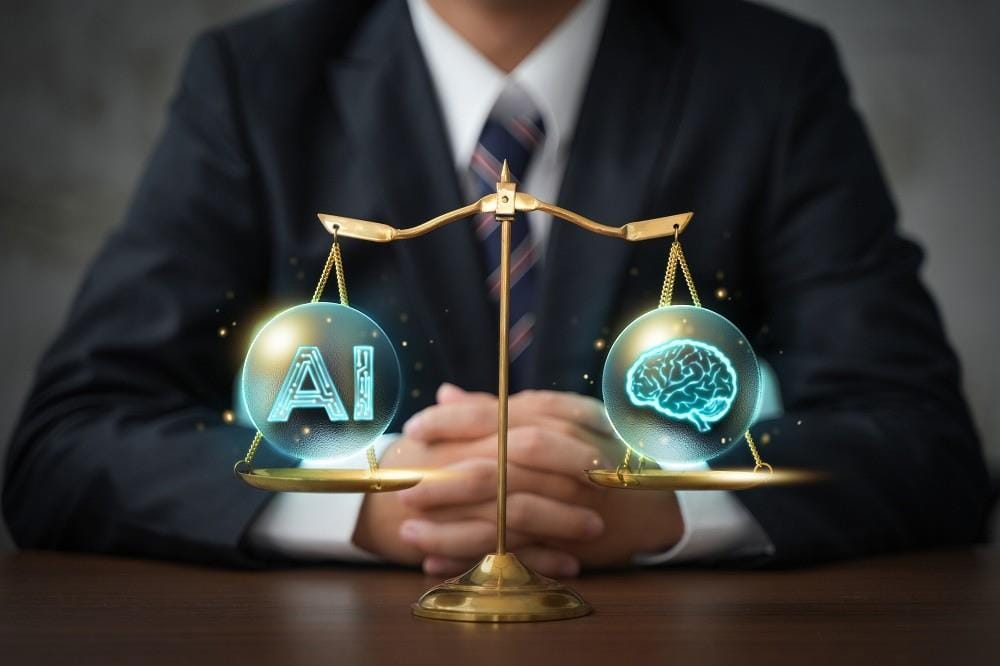
Key Concepts
- AI-Generated Content: Things like art, music, or text created by AI tools. For example, who owns a painting made by an AI program?
- Ethical Decision-Making: Should AI be trusted to make decisions, like approving loans or diagnosing diseases?
- AI in Legal Systems: AI is used in legal research, predicting crime patterns (predictive policing), and even helping judges make decisions.
Legal Implications
- Authorship and Intellectual Property: If AI writes a book or invents something, who gets the copyright or patent-the AI, its creator, or the user?
- Compliance: Companies using AI must follow laws, like ensuring AI doesn't discriminate (e.g., rejecting job applicants based on race or gender).
- Liability: If an AI-powered car crashes, who is responsible-the driver, the car manufacturer, or the AI developer?
Why It Matters
- AI is powerful but can make mistakes or be biased.
- Laws need to catch up with fast-changing technology.
- Jurisprudence asks: How do we regulate tools that think and act like humans?
3. Environmental and Climate Law
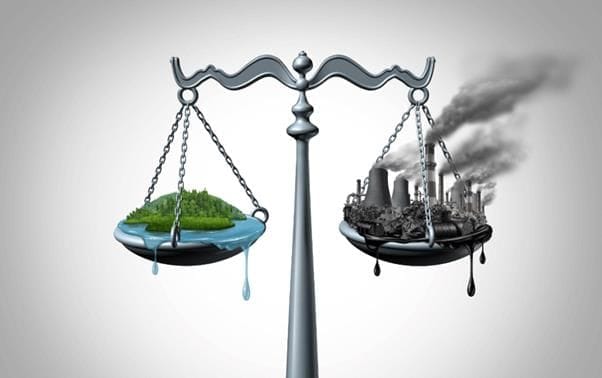
Climate change is a global crisis, and laws are being developed to address environmental damage and promote sustainability.
 Key Concepts
- Climate Change: Rising temperatures, extreme weather, and pollution caused by human activities like burning fossil fuels.
- Environmental Law: Rules to protect nature, reduce pollution, and ensure clean air and water.
Legal Responses
- Corporate Compliance: Companies must follow laws to reduce emissions (like carbon dioxide). For example, some countries fine businesses that pollute too much.
- International Treaties: Agreements like the Paris Climate Accord, where countries promise to lower greenhouse gas emissions.
- Administrative Law: Government agencies create rules to protect the environment, like setting standards for clean water or regulating factory waste.
Key Issues
- Public Health: Pollution can cause diseases, so laws aim to keep air and water safe.
- Climate Justice: Poorer communities often suffer more from climate change (like floods or droughts), so laws try to ensure fairness.
Why It Matters
- The planet's future depends on effective environmental laws.
- Jurisprudence asks: How do we balance economic growth with protecting nature?
4. Health Law and Bioethics
Health law deals with legal issues in healthcare, while bioethics tackles moral questions about medical practices.
Key Concepts
- Health Law: Rules about healthcare access, patient rights, and public health (like vaccination mandates during a pandemic).
- Bioethics: Ethical questions about life and death, like whether euthanasia (assisted dying) should be legal.
Key Issues
- Public Health Emergencies: During events like COVID-19, governments made laws for quarantines, mask mandates, and vaccinations. These raised questions about personal freedom vs. public safety.
- Euthanasia: Should people with terminal illnesses have the right to choose when to die? Some countries allow it, others don't.
- Organ Harvesting: Ethical concerns about how organs are donated or obtained for transplants.
- Healthcare Access: Laws aim to ensure everyone can get medical care, but inequalities (like cost or location) create challenges.
Why It Matters
- Health crises affect everyone, and laws must balance individual rights with community needs.
- Jurisprudence asks: How do we make fair rules for life-and-death decisions?
5. Human Rights and Social Justice
Human rights and social justice focus on protecting people's dignity and ensuring fairness in society.
Key Concepts
- Human Rights: Basic rights everyone should have, like freedom, equality, and access to education or healthcare.
- Social Justice: Addressing inequalities based on race, gender, income, or other factors.
Key Issues
- Racism: Laws aim to stop discrimination, but systemic issues (like unequal policing) persist.
- Gender Inequality: Legal efforts focus on equal pay, women's rights, and protections for LGBTQ+ communities.
- Economic Disparity: Laws try to reduce poverty and ensure fair opportunities, like access to education or jobs.
- Health Justice: Ensuring marginalized groups (like low-income or minority communities) have access to healthcare.
Why It Matters
- Fair laws create a better society for everyone.
- Jurisprudence asks: How do we define "justice" when people have different needs?
6. Criminal Justice Reforms
The criminal justice system is being reexamined to make it fairer and more effective.
Key Concepts
- Criminal Justice: Laws and processes for dealing with crimes, from arrest to trial to punishment.
- Reforms: Changes to make the system more just, like reducing harsh punishments or addressing wrongful convictions.
Key Issues
- Insanity Defense: When someone commits a crime but isn't mentally responsible, should they be punished or treated?
- Juvenile Justice: Should young offenders be treated differently than adults? Many argue for rehabilitation over harsh punishment.
- Solitary Confinement: Locking prisoners alone for long periods raises ethical concerns about mental health and human rights.
- DNA Evidence: DNA testing has helped free innocent people, but it also raises privacy concerns.
- Counterterrorism Laws: Laws to prevent terrorism sometimes limit civil liberties, like privacy or free speech.
Why It Matters
- A fair criminal justice system protects society while respecting human rights.
- Jurisprudence asks: How do we punish crime without creating new injustices?
Emerging Trends in Jurisprudence
Emerging trends in jurisprudence show how the study of law is evolving to keep up with modern challenges. These trends blend new ideas from technology, social sciences, and global issues to make legal systems fairer and more effective.
1. Interdisciplinary Approaches
Jurisprudence is teaming up with other fields like neuroscience, technology, and social sciences to better understand law and improve legal systems.
Key Concepts
- Neuroscience: Studying the brain to understand how people make decisions, which can help create better laws. For example, neuroscience can explain why someone might commit a crime under stress.
- Technology: Using tools like AI to analyze legal data or predict case outcomes.
- Social Sciences: Borrowing ideas from sociology or psychology to see how laws affect communities and individuals.
Why It Matters
- These fields make legal theories more accurate and practical.
- They help design laws that fit how people actually think and behave.
- Jurisprudence asks: How can science and technology make laws fairer?
2. Restorative Justice and Intersectionality
These approaches focus on healing and fairness, especially for people facing multiple forms of discrimination.
Restorative Justice
- Definition: A method that focuses on repairing harm instead of just punishing people. For example, a thief might meet with the victim to apologize and make amends.
- Goal: Help offenders change their behavior and rebuild trust in the community.
- Examples: Mediation programs, community service, or victim-offender dialogues.
Intersectionality
- Definition: Recognizing that people face overlapping forms of discrimination, like race, gender, or class. For example, a Black woman might face both racism and sexism.
- Legal Impact: Laws should address these combined challenges, like ensuring fair hiring practices for minority women.
Why It Matters
- Restorative justice promotes healing over punishment.
- Intersectionality ensures laws protect everyone, especially marginalized groups.
- Jurisprudence asks: How can laws address complex social inequalities?
3. Globalization and International Law
As the world becomes more connected, international law helps countries work together on global issues.
Key Concepts
- International Law: Rules that guide how countries interact, like treaties on trade or human rights.
- Global Issues: Challenges like armed conflicts, space exploration, or pandemics that need worldwide cooperation.
Key Areas
- Armed Conflicts: Laws like the Geneva Conventions protect people during wars.
- Space Exploration: New laws are needed for issues like mining on the moon or space tourism.
- Public Health Crises: International agreements, like those by the World Health Organization, coordinate responses to pandemics.
- Indigenous Rights: Protecting native communities' land and culture through international treaties.
- Decolonization: Addressing historical injustices, like returning stolen artifacts to former colonies.
Why It Matters
- Global problems need global solutions.
- Jurisprudence asks: How can international law balance national and global interests?
4. Technology-Driven Legal Practices
New technologies are changing how lawyers work and how laws are applied.
Key Technologies
- Blockchain: A secure way to record transactions, used in contracts or cryptocurrency. Laws are being developed to regulate it.
- Cryptocurrency: Digital money like Bitcoin raises questions about taxes, fraud, and money laundering.
- Autonomous Vehicles: Self-driving cars create liability issues-who's responsible if a car crashes?
Legal Practices
- Virtual Legal Services: Lawyers now offer advice online, making legal help more accessible.
- Alternative Dispute Resolution (ADR): Methods like mediation or arbitration, often done online, to settle disputes without courts.
- Private Cloud Technology: Law firms use secure online storage to manage case files and client data.
Why It Matters
- Technology makes legal work faster and more efficient.
- Jurisprudence asks: How do we regulate new technologies without stifling innovation?
5. Legal Education Transformation
Legal education is changing to prepare lawyers for modern challenges and promote fairness.
Key Changes
- Emerging Technologies: Law schools teach about AI, data privacy, and cybersecurity.
- Social Justice: Courses focus on human rights, equality, and addressing systemic biases.
- Critical Thinking: Students learn to question laws and think creatively about solutions.
- Empathy: Training lawyers to understand clients' needs and experiences.
- Challenging Eurocentric Biases: Including diverse perspectives, like Indigenous or non-Western legal traditions, in curricula.
Why It Matters
- Future lawyers need skills for a tech-driven, global world.
- Jurisprudence asks: How can legal education create fairer, more inclusive lawyers?
Key Takeaways
- Emerging Trends show how jurisprudence is adapting to a complex, connected world.
- Interdisciplinary Approaches: Using science and technology to improve laws.
- Restorative Justice & Intersectionality: Focusing on healing and fairness for all.
- Globalization: International law tackles global challenges like war and climate change.
- Technology: Blockchain, virtual services, and AI are reshaping legal work.
- Legal Education: Preparing lawyers with tech skills, empathy, and diverse perspectives.
These trends highlight the dynamic nature of jurisprudence, helping us build legal systems that are fair, modern, and responsive to global needs.
Specific Contemporary Issues in Jurisprudence
Jurisprudence, the study of the philosophy and theory of law, must address specific modern issues shaped by politics, technology, and social changes. Below are detailed notes on key contemporary issues and challenges in studying emerging trends, written in clear and simple language for easy understanding.
1. Constitutional and Legislative Debates
Constitutional and legislative debates involve controversial laws and policies that spark legal and societal discussions about rights, fairness, and governance.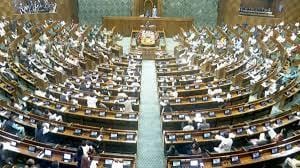
Key Issues
- Citizenship Amendment Act (CAA), India: This 2019 law grants citizenship to non-Muslim immigrants from certain countries but excludes Muslims, raising concerns about discrimination. Critics argue it violates India's secular constitution, while supporters say it protects persecuted minorities. Social media discussions highlight a rise in hate speech linked to such policies, though this information is inconclusive.
- Uniform Civil Code (UCC): Proposed in India, the UCC aims to create one set of laws for personal matters (like marriage or inheritance) for all religions, replacing diverse religious laws. Supporters say it promotes equality, but critics fear it may erode cultural diversity.
- Emergency Powers and Civil Liberties: During crises (like pandemics or political unrest), governments may use emergency powers to restrict freedoms, such as limiting movement or speech. For example, quarantine laws during COVID-19 raised questions about privacy and autonomy.
Why It Matters
- These debates shape how laws define citizenship, equality, and freedom.
- Jurisprudence asks: Do these laws uphold justice, or do they create harm?
2. Gender and Labor Rights
Gender and labor rights focus on creating fair laws to protect people from violence and discrimination, both at work and in society.
Gender-Based Violence
- Legal Responses: Laws aim to prevent and punish acts like domestic violence or sexual harassment. For example, Turkey's withdrawal from the Istanbul Convention (a treaty to combat violence against women) in 2021 sparked debates about weakening protections.
- Challenges: Victims often face barriers, like stigma or lack of legal support, in seeking justice.
Workplace Discrimination
- Legal Responses: Laws promote equal pay and opportunities. For example, Lithuania has strengthened laws to address gender-based workplace discrimination, but gaps remain in enforcement.
- Global Challenges: Achieving equal opportunities is tough due to cultural biases and economic inequalities. Case studies show progress in some countries but slow change in others.
Why It Matters
- Fair laws protect vulnerable groups and promote equality.
- Jurisprudence asks: How can laws address deeply rooted social inequalities?
3. Space Law
Space exploration and commercialization are raising new legal questions about jurisdiction, property, and environmental protection.
Key Issues
- Space Exploration: Who makes the rules for activities like mining asteroids or building space stations? The Outer Space Treaty (1967) says space is for peaceful use, but it's outdated for modern needs.
- Commercialization: Private companies like SpaceX are launching satellites and planning space tourism, creating questions about property rights and liability.
- Jurisdiction: If a crime happens on a space station, which country's laws apply?
- Environmental Protection: Space debris (like old satellites) is polluting orbits, and laws are needed to prevent harm to space environments.
Why It Matters
- Space is becoming a new frontier for human activity, needing clear legal frameworks.
- Jurisprudence asks: How do we govern a space that belongs to no one?
4. Digital Rights and AI Ethics
Digital technologies like AI and the internet are creating new legal challenges around rights, ethics, and crime.
Key Issues
- Facial Recognition: Used by police and companies, it raises privacy concerns. For example, misidentification can lead to wrongful arrests, especially for marginalized groups.
- Predictive Policing: AI predicts where crimes might happen, but it can reinforce biases, like targeting minority neighborhoods unfairly.
- Cybercrime: Laws are evolving to address hacking, online fraud, and data theft, but global cooperation is hard.
- Labor and Civil Rights Litigation: Digital rights cases involve issues like workplace surveillance or AI-driven hiring discrimination.
Why It Matters
- Technology can both protect and threaten rights, needing balanced laws.
- Jurisprudence asks: How do we ensure AI and digital tools are ethical and fair?
Challenges in Studying Emerging Trends
Studying new trends in jurisprudence is exciting but comes with hurdles that slow progress.
Lag in Legal Adoption
- Issue: New legal theories, like those for AI or space law, take time to be accepted into practice or taught in schools. For example, laws for autonomous vehicles are still catching up to technology.
- Impact: This delay can leave gaps in regulation, causing confusion or harm.
Interdisciplinary Skill Gaps
- Issue: Lawyers need skills in technology, neuroscience, or social justice to address modern issues, but many lack this training.
- Impact: Without diverse skills, legal professionals struggle to tackle complex challenges like AI ethics or climate law.
Resistance to Change
- Issue: Traditional legal systems often stick to old ways, resisting new ideas like restorative justice or digital rights.
- Impact: This slows innovation, requiring proactive efforts to adapt laws and education.
Key Takeaways
- Contemporary Issues show how jurisprudence tackles modern challenges in politics, technology, and society.
- Constitutional Debates: Laws like the CAA or UCC spark debates about rights and fairness.
- Gender and Labor Rights: Laws aim to stop violence and discrimination but face global challenges.
- Space Law: New rules are needed for exploration, commerce, and environmental protection in space.
- Digital Rights and AI Ethics: Technology raises concerns about privacy, bias, and crime.
- Challenges: Slow adoption, skill gaps, and resistance to change hinder progress in jurisprudence.
These issues and challenges highlight the need for jurisprudence to stay dynamic, ensuring laws are fair, effective, and ready for a rapidly changing world.
FAQs on Contemporary Issues and Emerging Trends in Jurisprudence
| 1. What is the definition of jurisprudence and its scope? |  |
| 2. What are the main schools of jurisprudence? | |
| 3. How does legal pluralism affect contemporary legal systems? | |
| 4. What are some emerging trends in jurisprudence today? | |
| 5. What challenges do scholars face when studying contemporary issues in jurisprudence? | |