Strict and Absolute Liability

Introduction
Strict and absolute liability are special rules in the law of torts that hold a person responsible for harm caused by their actions, even if they were not careless or did not intend to cause harm. These rules apply in situations where activities are dangerous or hazardous, like storing chemicals or operating factories. Strict liability allows some defenses, while absolute liability does not. For the CLAT PG exam, understanding these concepts is important because questions often involve analyzing cases or scenarios to determine liability, especially in environmental or industrial contexts. 
Strict Liability
What Is It?
Strict liability is a rule that makes a person liable for harm caused by their dangerous activities or things, even if they took all possible care. The rule comes from the case Rylands v. Fletcher (1868) and applies when someone keeps something dangerous on their land that escapes and causes harm.
Principle of Strict Liability
The principle says that if you bring or keep something dangerous on your land, and it escapes and causes harm, you are liable, even without fault. You don't need to be negligent or intend harm, but you can use certain defenses to avoid liability.
Essential Elements
- Dangerous Thing: The defendant must keep or bring something on their land that is likely to cause harm if it escapes. Examples include water, gas, chemicals, or wild animals.
- Non-Natural Use of Land: The use of the land must be unusual or artificial, not ordinary. For example, storing large amounts of water in a reservoir is non-natural, but growing trees is natural.
- Escape: The dangerous thing must escape from the defendant's land to someone else's property or a public area, causing harm.
- Damage: The escape must cause harm, like damage to property, injury, or financial loss. Strict liability is not actionable per se, so actual harm is needed.
Exceptions (Defenses) to Strict Liability
- Plaintiff's Consent: If the plaintiff agreed to the risk, like living near a dam knowing it could leak, the defendant is not liable.
- Plaintiff's Fault: If the plaintiff caused the escape, like damaging a reservoir, the defendant is not liable.
- Act of God: If a natural event, like a storm or earthquake, causes the escape, and no human could prevent it, the defendant is not liable.
- Act of Third Party: If someone else, not under the defendant's control, causes the escape, like a vandal breaking a tank, the defendant is not liable.
- Statutory Authority: If the law allows the activity, like a government-approved dam, the defendant is not liable for harm caused.
Examples
- A factory stores chemicals on its land. The chemicals leak and damage a neighbor's crops. This is strict liability because the chemicals are dangerous, their storage is non-natural, and they escaped, causing harm.
- A person keeps a lion in their backyard. The lion escapes and injures someone. This is strict liability because the lion is a dangerous thing and escaped.
- A reservoir's water stays contained and causes no harm. This is not strict liability because there was no escape.
Landmark Cases
- Rylands v. Fletcher (1868):
- The defendant built a reservoir on their land. Water escaped and flooded the plaintiff's mine. The court said the defendant was liable because they kept a dangerous thing (water) for non-natural use, and it escaped, causing harm.
- This case established the rule of strict liability.
- Read v. Lyons & Co. (1947):
- The plaintiff was injured by an explosion in a munitions factory, but the dangerous substance did not escape the defendant's land. The court said there was no strict liability because escape is essential.
- This case clarified that strict liability requires escape to another's property.
Absolute Liability
What Is It?
Absolute liability is a stricter rule that makes a person liable for harm caused by their hazardous activities, with no defenses allowed. It was established in India in the case M.C. Mehta v. Union of India (1986) for industries doing highly dangerous work, like handling toxic chemicals.
Principle of Absolute Liability
The principle says that if an industry does inherently dangerous activities, it is fully responsible for any harm caused, even if it took all precautions or the harm was caused by external factors. Unlike strict liability, no exceptions or defenses are allowed.
Essential Elements
- Hazardous Activity: The defendant must be engaged in an activity that is inherently dangerous, like manufacturing toxic gases or explosives.
- Harm Caused: The activity must cause harm, like injury, death, property damage, or environmental pollution. Absolute liability is not actionable per se, so actual harm is needed.
- No Defenses: The defendant is liable regardless of care taken or external causes, like an act of God or third-party actions.
Key Features
- Absolute liability applies mainly to hazardous industries, like chemical plants or nuclear facilities, because their activities pose serious risks to people and the environment.
- It is stricter than strict liability because no defenses are allowed, ensuring industries bear the full cost of harm.
- The rule includes the deep pocket principle, meaning large industries must pay for harm, as they can afford it.
- It often applies in public interest litigation (PIL) cases in India, especially for environmental harm.
Examples
- A chemical factory leaks toxic gas, killing people nearby. The factory is liable under absolute liability, even if it followed safety rules, because the activity is hazardous.
- A nuclear plant's radiation harms workers. The plant is liable, even if a storm caused the leak, because no defenses apply.
- A factory's safe operations cause no harm. This is not absolute liability because no harm occurred.
Landmark Cases
- M.C. Mehta v. Union of India (1986)- Oleum Gas Leak Case:
- Oleum gas leaked from a factory in Delhi, harming people. The Supreme Court said the factory was liable under absolute liability because it did a hazardous activity.
- The court created the rule, saying no defenses like act of God or third-party actions are allowed, and industries must pay for all harm.
- Indian Council for Enviro-Legal Action v. Union of India (1996)- Bichhri Village Case:
- Chemical industries polluted water and soil in Bichhri village. The Supreme Court applied absolute liability, holding the industries responsible for cleanup and compensation, with no defenses allowed.
- This case extended absolute liability to environmental harm.
Comparison of Strict and Absolute Liability
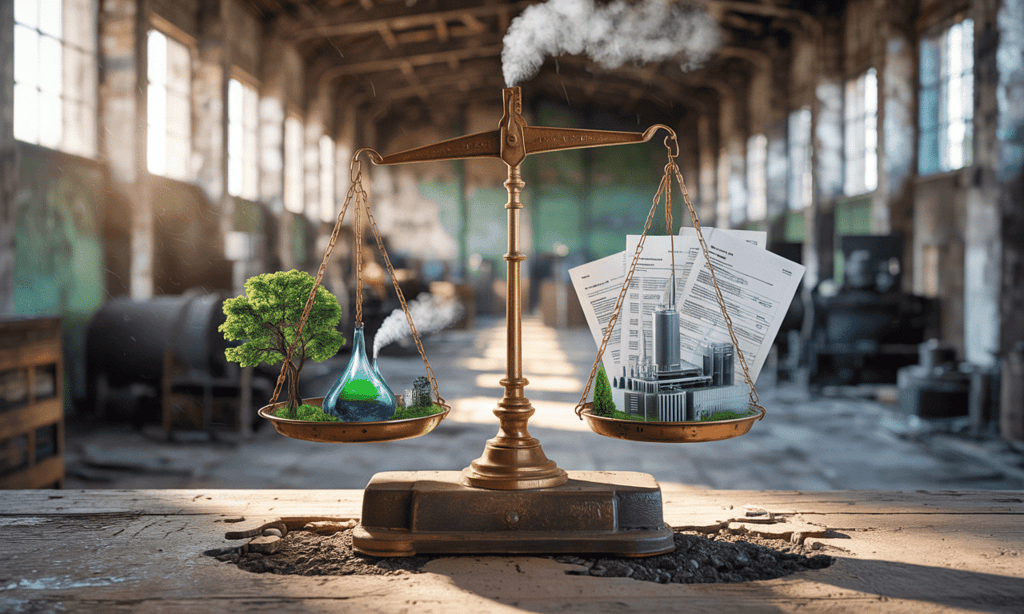
- Fault: Both do not require negligence or intent, but strict liability allows defenses, while absolute liability does not.
- Scope: Strict liability applies to dangerous things on land (e.g., water, animals), while absolute liability applies to inherently hazardous industries (e.g., chemicals, nuclear).
- Defenses: Strict liability has defenses like act of God or plaintiff's fault. Absolute liability has no defenses.
- Origin: Strict liability comes from Rylands v. Fletcher (1868) (English law), while absolute liability was created in M.C. Mehta (1986) (Indian law).
- Application: Strict liability is used for property damage or injuries from escapes. Absolute liability is used for industrial accidents and environmental harm in India.
FAQs on Strict and Absolute Liability
| 1. What is strict liability in law? |  |
| 2. How does absolute liability differ from strict liability? | |
| 3. What are common examples of strict liability cases? | |
| 4. In what scenarios is absolute liability typically applied? | |
| 5. Why is it important to understand the difference between strict and absolute liability for legal studies? | |