NCERT Solutions: Fun with Symmetry


Page No. 164
Let Us Do
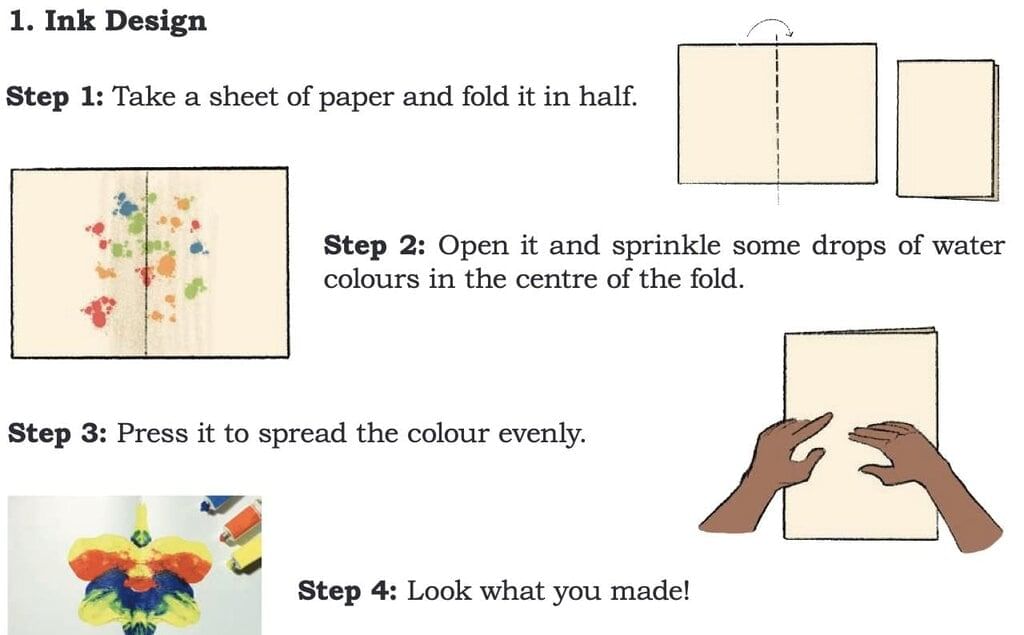
Is it a symmetrical pattern?
Where would you draw the line that divides this design into two halves? Isn't this line called the line of symmetry?
Ans: Yes. When paper is folded, and ink is pressed on one side, the ink spreads to the other side in the same way, producing two matching halves.
Place the line of symmetry along the vertical fold through the centre of the design. This vertical line is the line of symmetry because it divides the pattern into two mirror-image halves.
2. Making a paper aeroplan
Follow the steps.
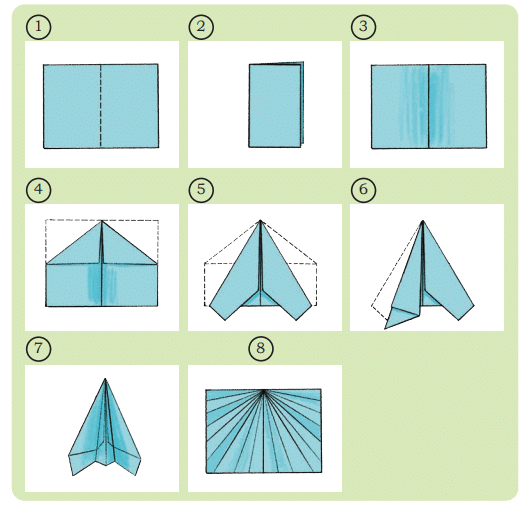
(a) Mark the line of symmetry in Fig. 3, Fig. 4, and Fig. 5.
Ans: 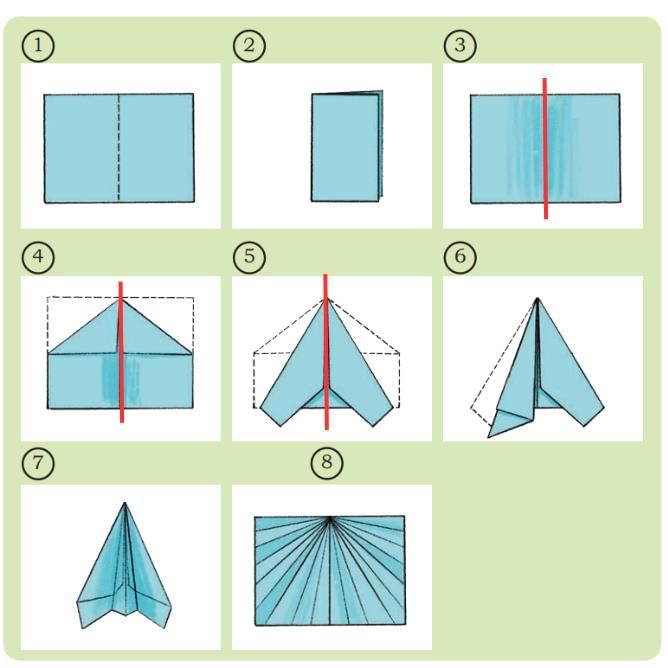 (b) How many lines of symmetry can you see in Fig. 8?
Ans: 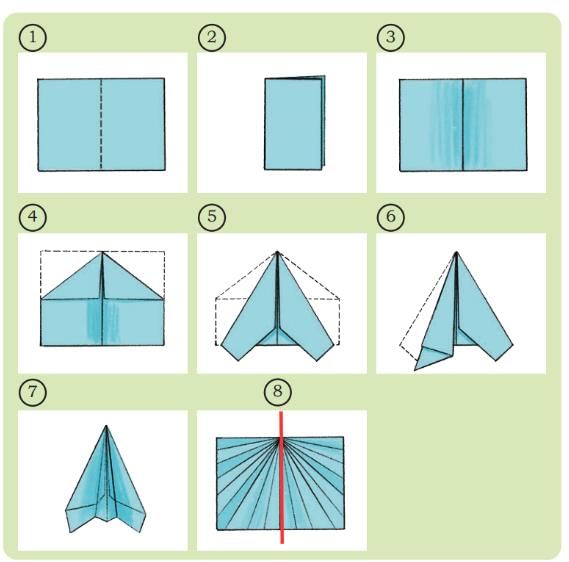
There is one vertical line of symmetry through the middle of Fig. 8. This line divides the figure into two equal halves that match when folded along it.
(c) Where will you place a mirror to see the reflection of the right half of Fig. 8? Will it look the same as the left half side?
Ans: Place the mirror along the vertical line of symmetry at the centre of the figure.
Reflection: Yes. The right half will reflect to give the left half because both halves are mirror images of each other.
Along centre; yes, same.
(d) Fly the plane.
Ans: Follow the folding steps carefully so both wings and the body are the same on each side. A well-folded, symmetrical plane will fly straight and farther.
(e) Will the plane fly if there is no line of symmetry?
Ans: Not properly. A plane without symmetry is likely to be unbalanced. It may tilt, wobble, or turn to one side and will not fly straight or far.
(f) Try to make an asymmetrical plane.
Ans: Make uneven folds - for example, fold one wing larger than the other or make the nose off-centre. This creates an asymmetrical plane that will be unbalanced.
Create uneven folds.
(g) Fly both the planes and see which plane flies for a longer time.
Ans: The symmetrical plane will most likely fly for a longer time because both sides are balanced, and it moves through the air more smoothly.
Asymmetrical plane: It will wobble, turn to one side, or fall quickly because of the imbalance.
Symmetrical plane flies longer.
(h) Share your observations with your friends.
Ans: Observation: The symmetrical plane flies better, straighter, and for a longer time. The asymmetrical plane is unstable and lands quickly; discuss why this happens and what changes improve flight.
3. Holes and Cuts
Mini has made this design by folding and cutting paper.
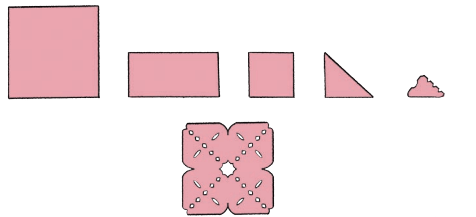
Now it's your turn! Take a square sheet of paper. Do as instructed below.
Let us see what Rani is making. Rani takes a piece of paper and folds it twice.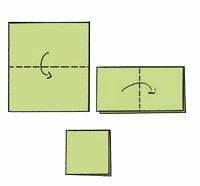
She makes a straight cut at the corner and cuts out two squares on two sides, as shown in the picture.
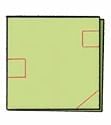
Challenge 1: Where would the hole and cut appear when you open the paper?
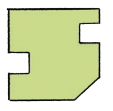
Ans: When the paper opens, the hole and cut appear as follows: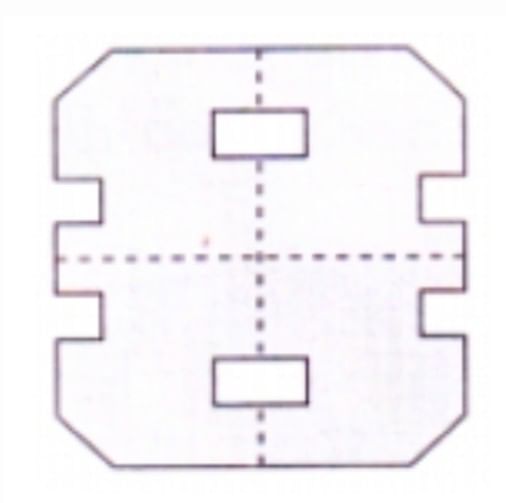
When you open the paper, the cuts will appear in all corresponding places created by the folds. The corner cut and the two small square cuts will be repeated symmetrically in the full sheet, making a pattern of holes at equal positions around the centre.
Challenge 2: Fold a piece of paper once; put two cuts in the middle as shown. How many sides will this shape have when you open the folded paper?
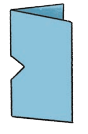
Ans: The shape will have 4 sides.
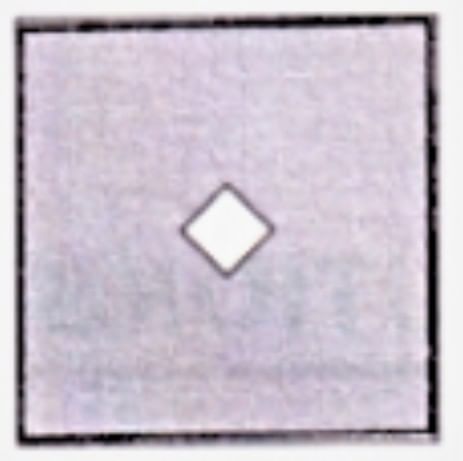
The two cuts on the folded paper produce a four-sided shape (a quadrilateral) when the paper is opened out.
Challenge 3: Fold a paper twice. Where would you cut to make a square hole in the centre of the paper? How many cuts are required? Ans: Do it Yourself.
4. Complete the designs below
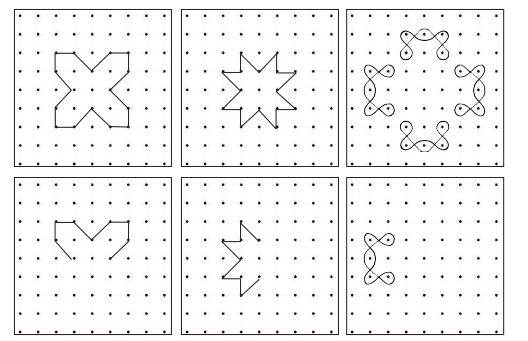
Ans: Do it Yourself.
Page no. 167
Let Us Do
Symmetry in shapes
Q1: Look at the shapes given along the border. Draw these shapes on the dot grid. Which of the shapes are symmetrical? Draw the lines of symmetry.
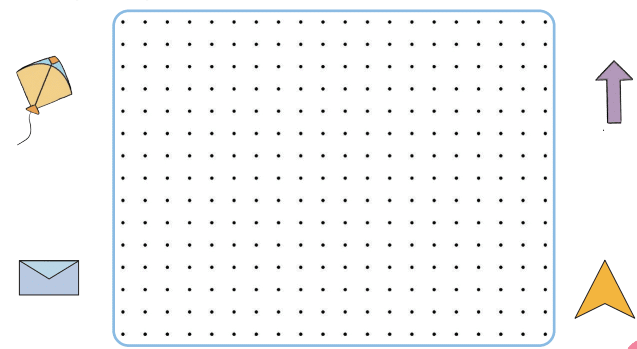
Ans:
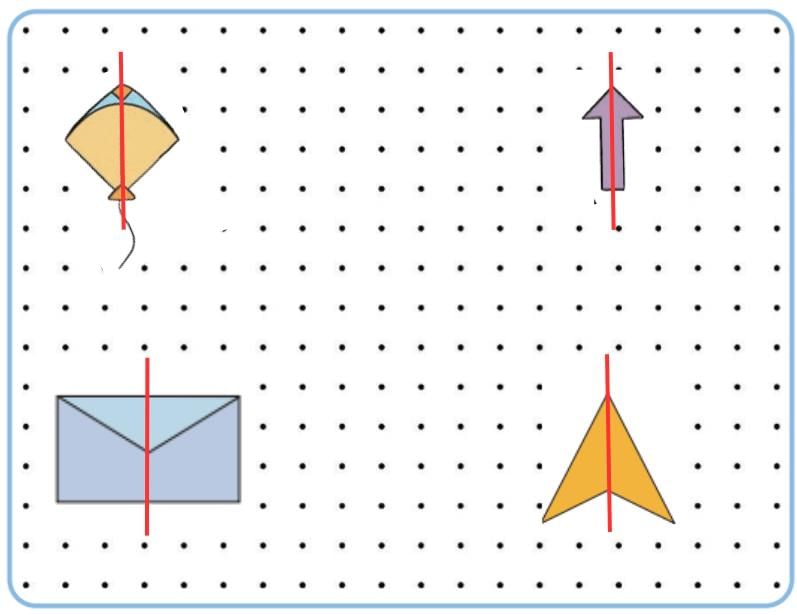
All the shapes shown are symmetrical. For each shape, draw a straight line through the middle so that the two sides match exactly when folded along that line. This line is the line of symmetry for that shape.
Page 168
Q2: Games with a Mirror(a) Where should we place the mirror in shape A to get the shapes given below?
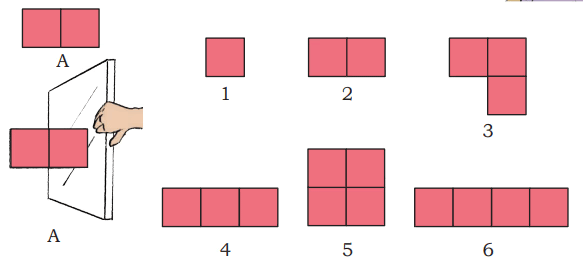
Ans:
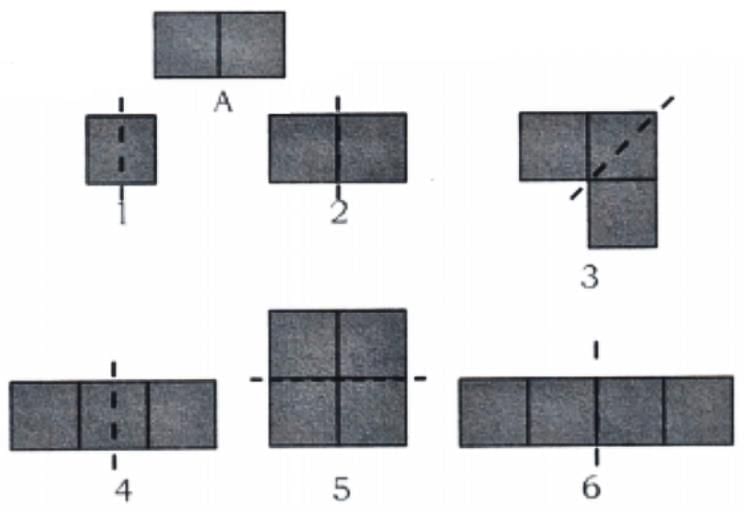
Place the mirror along the marked edge so that the shown half is reflected to produce the complete shape. The mirror should be perpendicular to the paper at the line where the halves meet.
(b) Circle the numbers whose mirror image is the same number.
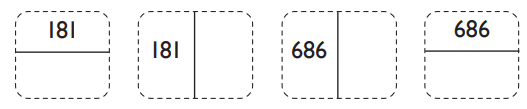 Ans:
Ans: 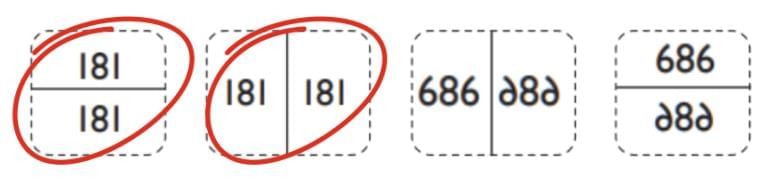
Which digits from 0 to 9 have the same mirror image?
Ans: 0, 1 & 8 will have the same mirror images. In some digital or stylised fonts, 3 can also look the same in a mirror.
These digits look unchanged under a vertical mirror because their left and right sides are the same or form a matching shape.
Make some 4-digit numbers such that the mirror image is the same number. Where would you keep the mirror in each case? How many such numbers can you make?
Ans: Some examples of the 4-digit numbers that have the same mirror images are: 1881, 8118, 1001, 8008, etc. We will keep the mirror on the left or right side of the number in each case.
(c) Make similar questions and ask your friends to guess the numbers.
Ans: Do it Yourself!
Page 169
Q3. What do you notice about the letters written on the ambulance? Why are they written this way? Discuss.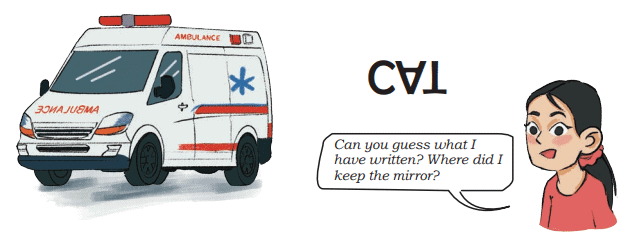
Ans: The word "AMBULANCE" is written backwards on the front of the ambulance so that it appears the right way round in the rearview mirror of the vehicle ahead.
Why?
When drivers look in their rearview mirror, they see the ambulance lettering correctly and can recognise the vehicle quickly. This helps drivers move aside faster and allows the ambulance to pass through traffic more easily.
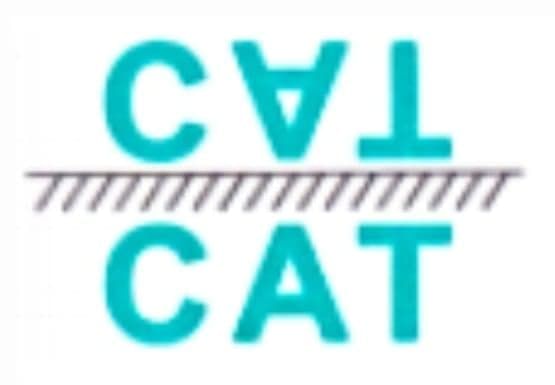
It is written CAT, and the mirror has been kept horizontally below the word.
Can you identify these words? Where will you place the mirror to read the following words correctly?

Ans: 
Place the mirror where the reverse letters are facing it; the mirror will show the normal reading of the word.
Now, you try to write some words/names in this way and challenge your friends to guess them.
Ans: Do it Yourself!
Q4. Complete the following to make symmetrical shapes.
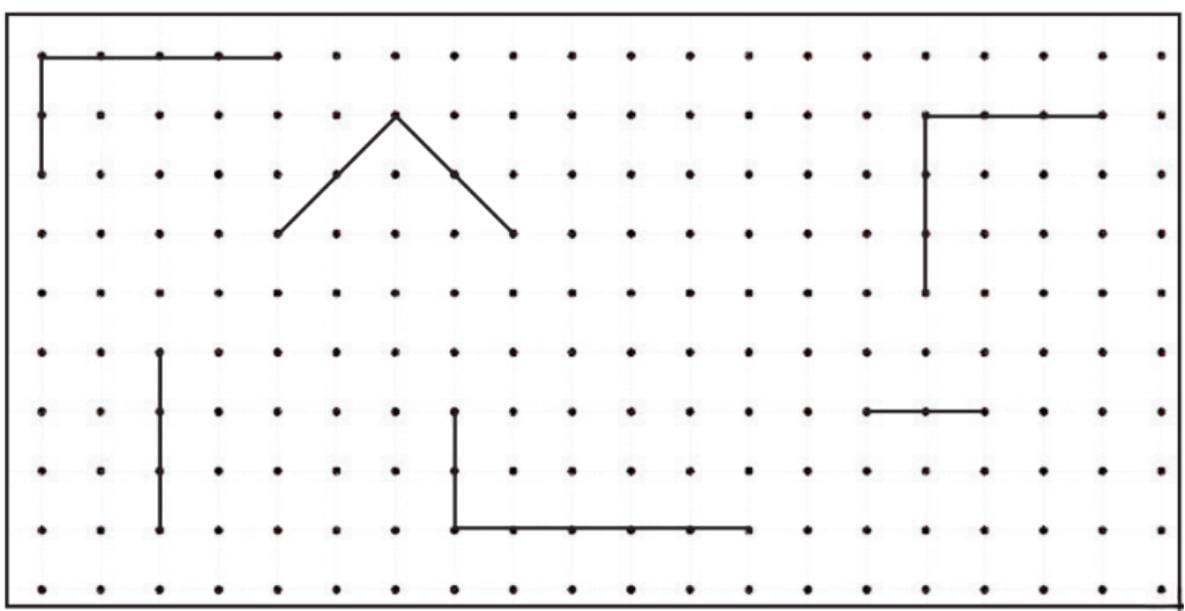
Ans: 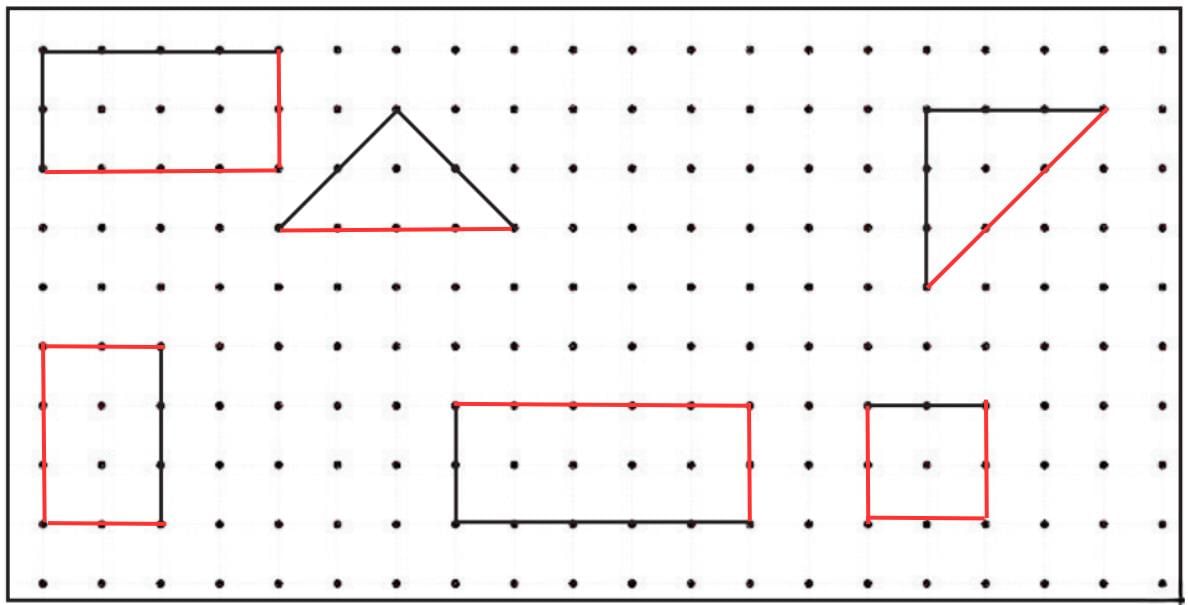
Page 170
Q5: Observe the shapes. How many sides does each shape have? How many lines of symmetry does each shape have? You may trace these shapes and check the lines of symmetry by folding the shapes.
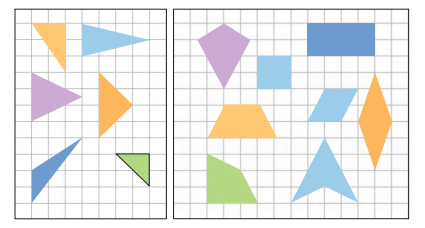
Ans: Do it Yourself!
Tiling the Tiles
Here are some patterns with tiles. Identify the repeating unit (tile) and continue the patterns.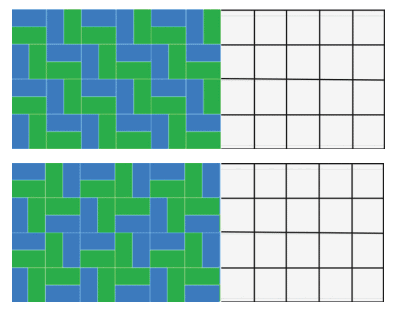
Ans: Do it Yourself!
Page 171
Tiles at the Tile Shop
Bablu Chacha makes beautiful tiles of the kinds shown below. Design creative tiles of your own in the spaces given below. You may use a rangometry kit or shape cutouts.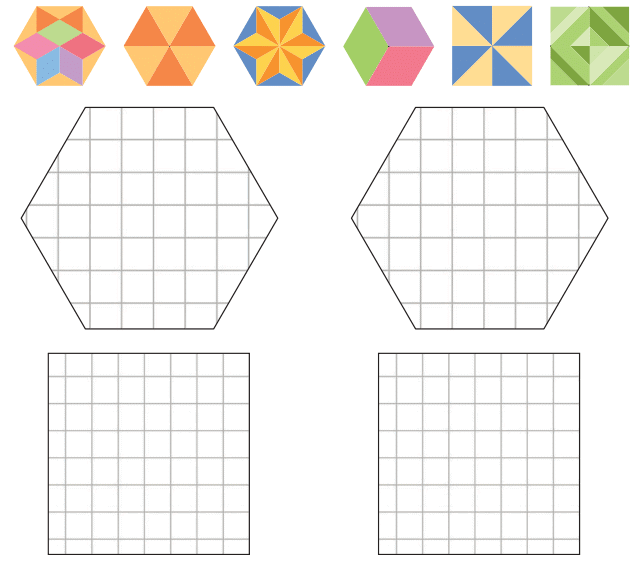
Q1: Which shapes have you used to make the tiles?
Ans: Do it Yourself!
Q2: Which of the tiles are symmetrical? Draw the lines of symmetry (if any).
Ans: 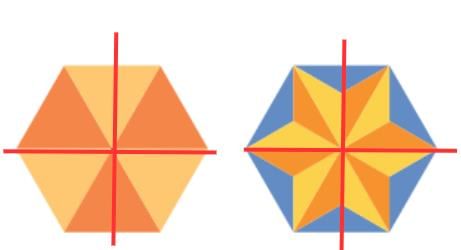
Q3: Make more tiles by joining two or more shapes. Trace them in your notebook to create paths with no gaps or overlaps.
Ans: Do it Yourself!
Q4: Look at the following shapes. What do you notice? Discuss.
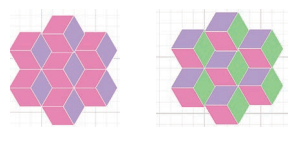
Ans: Both shapes are identical in form. The only difference is the arrangement of colours or shading; the shapes themselves match exactly.
Page No. 172
Let Us Do
Q1: Make floor patterns with your tile. Mini has made a floor pattern as shown below.
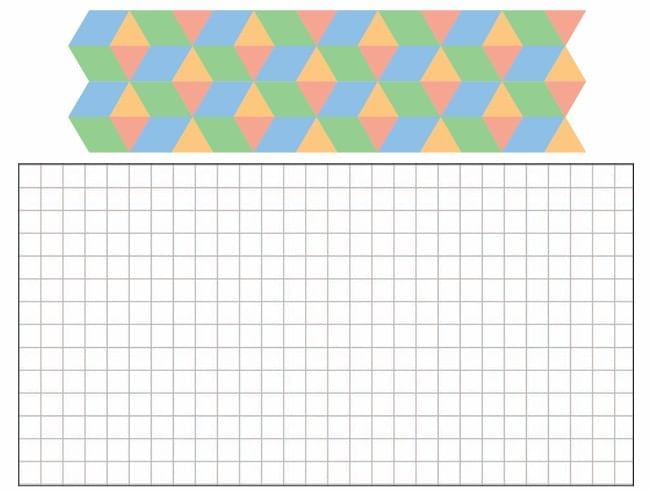
Ans: Do it Yourself!
Q2: Making a catty wall!
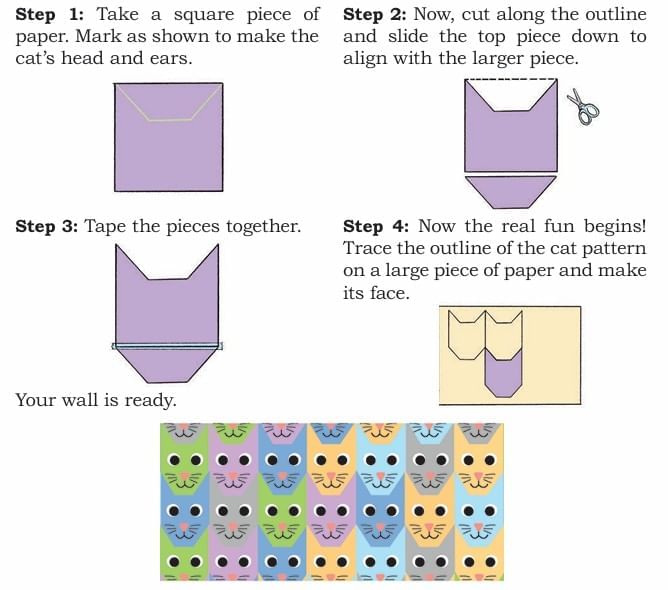
Create more of these tiles. Some ideas to make creative wall patterns are given below.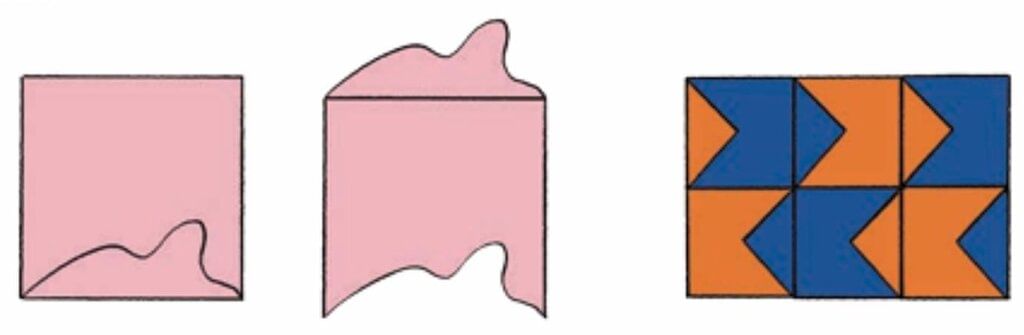 Ans: Do it Yourself!
Q3: Let us go on a nature walk (Project time)
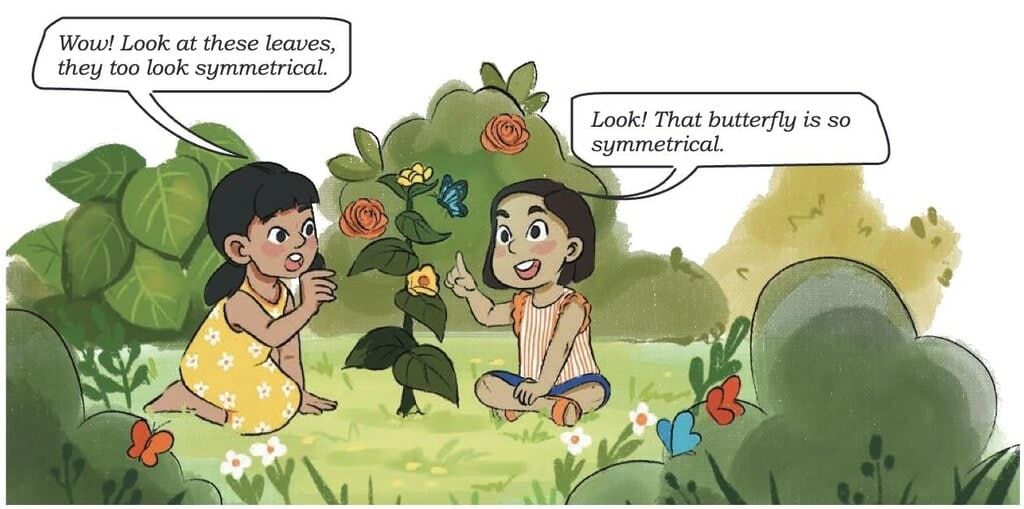
Go for a nature walk to a nearby park or around your school with your teacher or your parents. Observe the patterns, designs, or symmetry around you carefully. Collect leaves, petals, and flowers that have fallen on the ground.
Ans: While on the walk, look for natural examples of symmetry such as leaves with the same shapes on both sides of their midrib, flowers with equal petals, and repeated patterns on bark or stones. Collect a few fallen leaves and petals, stick them in your notebook, and note whether each item shows symmetry (draw the line of symmetry) or not. Discuss your findings with the class.
FAQs on NCERT Solutions: Fun with Symmetry
| 1. What are the key concepts covered in "Let Us Do" from the NCERT Class 4 syllabus? |  |
| 2. How can symmetry be identified in everyday objects as discussed in "Let Us Do"? | |
| 3. What activities are included in "Let Us Do" to help students learn about symmetry? | |
| 4. Why is learning about symmetry important for Class 4 students? | |
| 5. How does "Let Us Do" engage students in understanding geometric shapes? | |