NCERT Solutions: Understanding the Weather

The Big Questions (Page 27)
Q1: How can we measure and monitor the weather around us?Ans: We Measure the weather with following ways:
- Weather is measured using instruments like thermometers (temperature), rain gauges (rain), barometers (air pressure), anemometers (wind speed), and hygrometers (humidity).
- These instruments are used together at weather stations to get accurate data.
- Automated Weather Stations (AWS) use sensors to collect weather data without human help.
- This data helps scientists understand weather patterns and give daily weather updates.
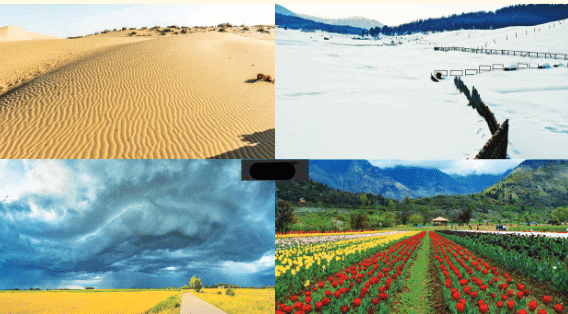 Weather
Q2: How do weather predictions help us prepare for events like heavy rain, storms, drought,fj and heat waves?
Ans:
- Accurate weather predictions help warn people about dangerous weather like cyclones, storms, or heatwaves.
- Fishermen, farmers, and pilots use these predictions to stay safe and plan better.
- Governments can prepare for emergencies, like evacuating people during cyclones or arranging water in drought areas.
- The India Meteorological Department (IMD) issues these warnings using scientific data and weather maps.
Back Questions (Page 42 & 43)
Q1: Match the instrument with the weather element it measures.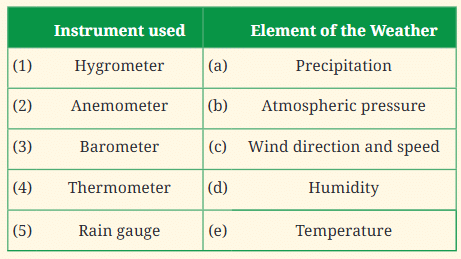 Ans: We can measure and monitor the weather using various instruments that help us track different elements of the weather. These instruments help us understand and predict the weather conditions we experience.
Here's how each element of the weather is measured: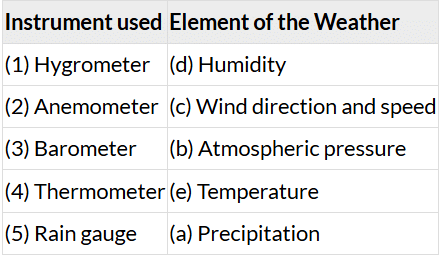
1. Hygrometer (Measures Humidity):
A hygrometer is used to measure the humidity, or the amount of water vapour in the air. It helps us understand how dry or wet the air is, which can affect how we feel in hot or cold weather.
2. Anemometer (Measures Wind Speed and Direction):
The anemometer measures the wind speed and direction. It has rotating cups that spin faster when the wind blows harder, and it helps to know how fast the wind is moving.
3. Barometer (Measures Atmospheric Pressure):
A barometer measures the atmospheric pressure, or the weight of the air around us. Changes in pressure can help predict weather changes. Low pressure often leads to storms, while high pressure generally brings clear, calm weather.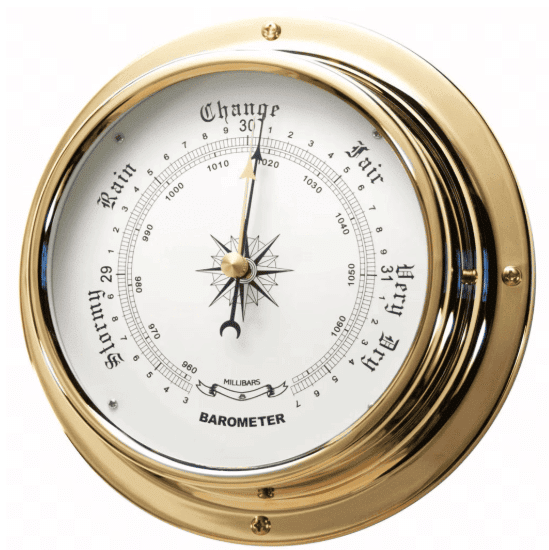 Barometer
4. Thermometer (Measures Temperature):
A thermometer measures temperature, or how hot or cold the air is. Temperature affects our clothing choices and helps us prepare for hot or cold weather conditions.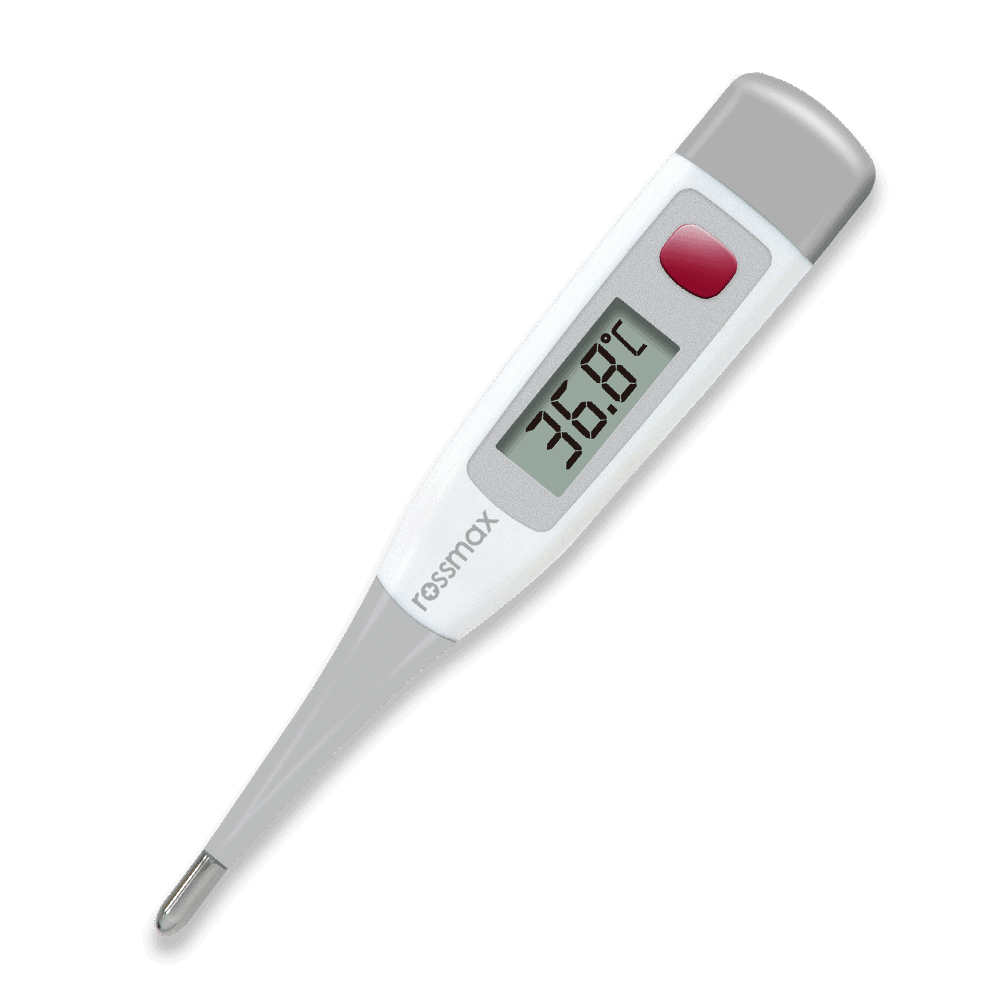 Thermometer
5. Rain Gauge (Measures Precipitation):
A rain gauge measures precipitation, or the amount of rain, snow, or hail that falls from the sky. It collects water in a container, and the level of water tells us how much rain has fallen.
These instruments help meteorologists (weather scientists) track and predict weather patterns, allowing us to prepare for events like rain, heat, or wind.
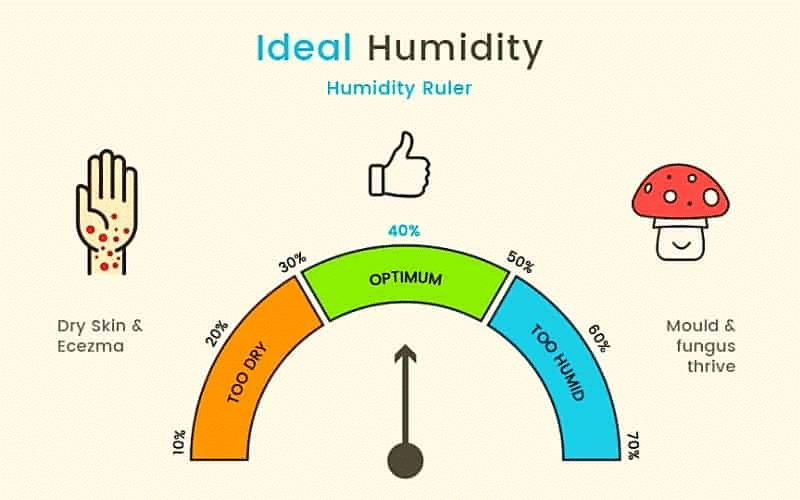
Q2: Jyotsna is deciding what clothes to pack for her school trip to Mumbai in June. She looks at the weather forecast, which predicts 29°C and 84% humidity. What would be your advice to her?
Ans: Jyotsna is going to Mumbai in June, and the forecast shows 29°C with 84% humidity. Here's some advice for her:
1. Pack light and breathable clothes: Cotton clothes are best as they absorb sweat and keep you cool.
2. Carry a cap or hat and sunglasses: To protect from the sun when outdoors.
3. Bring an umbrella or a raincoat: June is the start of the monsoon season in Mumbai, so sudden rains are common.
4. Wear comfortable footwear: Preferably water-resistant shoes or sandals in case it rains.
5. Stay hydrated: It can feel hotter due to high humidity, so drinking plenty of water is important.
Q3: Imagine that a small group of students is setting up a rain gauge. Here are some options for the site.
1. The school vegetable garden.
2. The terrace of the school building.
3. Open ground with an elevated platform.
4. Compound wall of school.
5. Verandah of the school laboratory.
Discuss in your group and finalise the site. Write down the reasons for your decision.
Ans: The best location to set up the rain gauge would be Open ground with an elevated platform (Option 3). The reasons for this choice are:
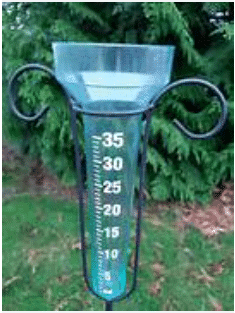 Rain Gauge
Open ground: This ensures that the rain gauge is not obstructed by trees, buildings, or other structures, which might block the rain and give incorrect readings.
Elevated platform: The elevated platform ensures that the rain gauge is above the ground, preventing any soil or debris from interfering with the measurement of rainfall. This setup ensures a more accurate measurement.
The terrace or the compound wall might have obstructions that could alter the readings, and the school vegetable garden or the verandah could be subject to interference from surrounding objects.
Q4: Below is a chart taken from IMD, Jammu and Kashmir. Looking at the data available, write a short script to report the weather conditions in different parts of Jammu and Kashmir on the date shown. (Hint: Cover the temperature range, maximum and minimum temperatures, humidity, precipitation, etc.)
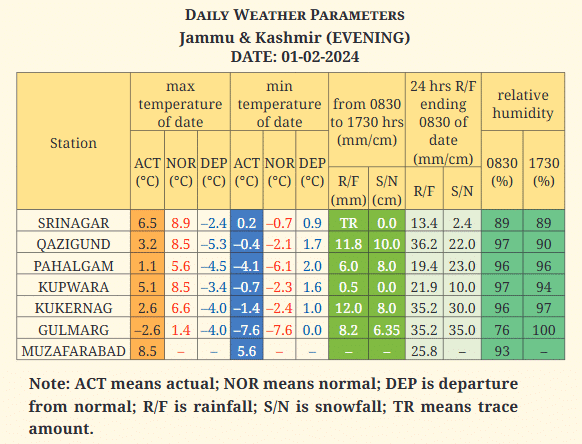 Ans: DATE: 01-02-2024
Good evening, everyone! Here's your weather update for Jammu and Kashmir on 01-02-2024. Let's take a look at the weather across different regions of the state:
1. SRINAGAR:
- Maximum Temperature: 6.5°C (lower than normal by 2.4°C)
- Minimum Temperature: 0.2°C (lower than normal by 0.7°C)
- Humidity: 89% at 0830 hrs, 89% at 1730 hrs. It's a relatively humid day.
- Precipitation: Light rain with a trace amount of snowfall (TR).
- Summary: The weather is cool with slight rain, and the temperatures are below the usual for this time of year. It's a mild and chilly day.
2. QAZIGUND:
- Maximum Temperature: 3.2°C (lower than normal by 5.3°C)
- Minimum Temperature: -0.4°C (lower than normal by 2.1°C)
- Humidity: 97% at 0830 hrs, 90% at 1730 hrs. The humidity is high, indicating a damp atmosphere.
- Precipitation: Moderate rain (11.8 mm) with snow (10.0 cm).
- Summary: Qazigund is experiencing cold weather, well below normal temperatures, with moderate rain and snowfall. The day is quite chilly with high humidity.
3. PAHALGAM:
- Maximum Temperature: 1.1°C (lower than normal by 4.5°C)
- Minimum Temperature: -4.1°C (lower than normal by 6.1°C)
- Humidity: 96% at 0830 hrs, 96% at 1730 hrs. Very high humidity levels.
- Precipitation: Moderate rain (6.0 mm) with snowfall (10.0 cm).
- Summary: Pahalgam is very cold today, with temperatures well below normal, and significant snowfall along with moderate rainfall. It's a wet and freezing day.
4. KUPWARA:
- Maximum Temperature: 5.1°C (lower than normal by 3.4°C)
- Minimum Temperature: -0.7°C (lower than normal by 2.3°C)
- Humidity: 97% at 0830 hrs, 94% at 1730 hrs. Humidity remains high throughout the day.
- Precipitation: Light rainfall (21.9 mm) with snowfall (8.0 cm)
- Summary: Kupwara is experiencing cool and damp conditions with rain but no snowfall. The temperatures are lower than usual, and high humidity persists.
5. KUKERNAG:
- Maximum Temperature: 2.6°C (lower than normal by 4.0°C)
- Minimum Temperature: -1.4°C (lower than normal by 2.4°C)
- Humidity: 96% at 0830 hrs, 97% at 1730 hrs. High humidity is observed.
- Precipitation: Moderate rainfall (12.0 mm) with snowfall (8.0 cm).
- Summary: Kukernag is colder than usual with moderate rainfall and some snowfall. The day remains damp with high humidity.
6. GULMARG:
- Maximum Temperature: -2.6°C (lower than normal by 4.0°C)
- Minimum Temperature: -7.6°C (lower than normal by 7.6°C)
- Humidity: 76% at 0830 hrs, 100% at 1730 hrs. The humidity is very high, likely due to the snow.
- Precipitation: Moderate rainfall (8.2mm) but snowfall (6.35 cm).
- Summary: Gulmarg is experiencing very cold conditions, with snowfall throughout the day. The temperatures are well below normal, and high humidity adds to the chill.
7. MUZAFARABAD:
- Maximum Temperature: 8.5°C (no normal data available)
- Minimum Temperature: 5.6°C (no normal data available)
- Humidity: 93% at 0830 hrs, no data available at 1730 hrs.
- Precipitation: No precipitation data available.
- Summary: Muzafarabad is experiencing mild weather with moderate temperatures and high humidity, though no rainfall or snowfall has been recorded.
That's all for your weather update in Jammu and Kashmir today. Be sure to stay prepared for cold weather, especially in the higher altitudes, with snow and rain expected in many parts. Have a great evening, and stay safe!
FAQs on NCERT Solutions: Understanding the Weather
| 1. What is weather and how is it different from climate for Class 7 CBSE? |  |
| 2. Why do we need to understand weather patterns and forecasting methods? | |
| 3. What are the main factors that influence weather conditions in different regions? | |
| 4. How do temperature and humidity work together to create different weather conditions? | |
| 5. What weather instruments do meteorologists use to measure atmospheric conditions? | |