Chapter Notes: Animals, Birds, and Dr. Dolittle

Introduction
This story, written by Hugh Lofting, is a funny and heartwarming tale about John Dolittle, a doctor who learns to talk to animals. Originally, he is a doctor who treats people, but a parrot named Polynesia and a man who sells cat food convince him to become an animal doctor. By learning animal languages, Dolittle helps animals like horses, cows, and even mice, making him famous among creatures worldwide. The story shows the importance of understanding and caring for animals.
Explanation of the Story
A New Idea
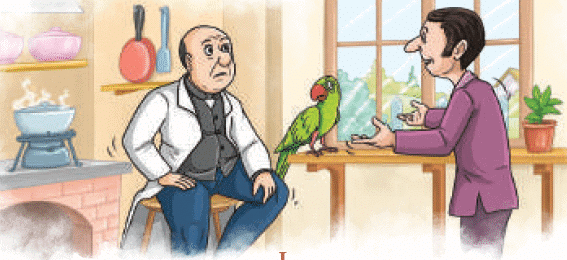
The story begins with Dr. Dolittle in his kitchen, talking to the Cat's-food-Man, who has a stomach ache. The man suggests that Dr. Dolittle should stop being a people's doctor and become an animal doctor instead, praising Dr. Dolittle's deep knowledge about animals. Polynesia, a wise parrot, overhears the conversation and agrees. She encourages Dr. Dolittle to focus on treating animals, who would appreciate him more.
Learning to Speak Animal Languages
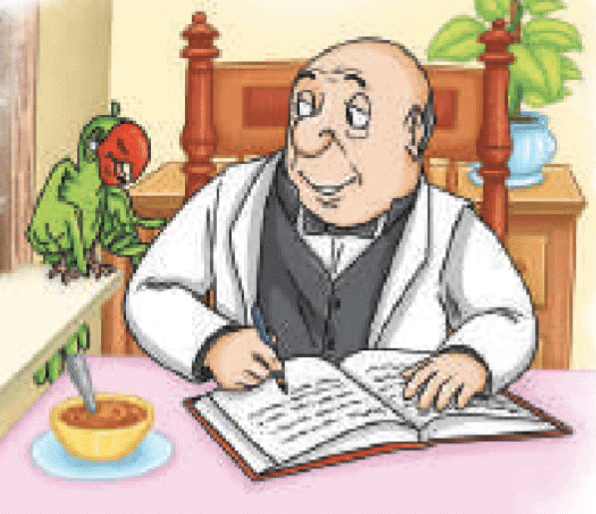
Polynesia reveals a big secret - animals can talk in their own languages. She shows Dr. Dolittle the difference between human and bird speech, exciting him with the idea that he could learn it too. That rainy afternoon, Polynesia begins teaching Dr. Dolittle the basics of bird language. Later, when Jip the dog enters, Polynesia explains how animals also communicate through their ears, tails, feet, and noses. With practice and Polynesia's help, Dr. Dolittle learns to understand and speak to animals, inspiring him to officially become an animal doctor.
Success as an Animal Doctor
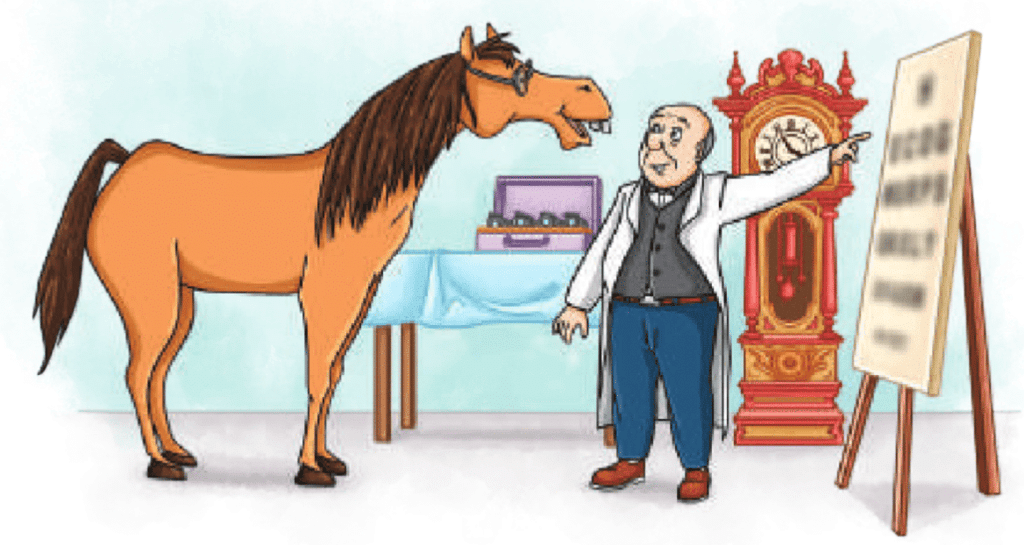
News spreads that Dr. Dolittle can talk to animals. People start bringing him sick pets, and farmers bring their cows and sheep. One day, a plough horse visits, complaining that the local vet cannot understand him. Dr. Dolittle listens carefully and learns that the horse is going blind in one eye and needs glasses, not medicine. Dr. Dolittle promises to help, and soon the horse receives green spectacles and can work comfortably again.
A World Full of Happy Animals
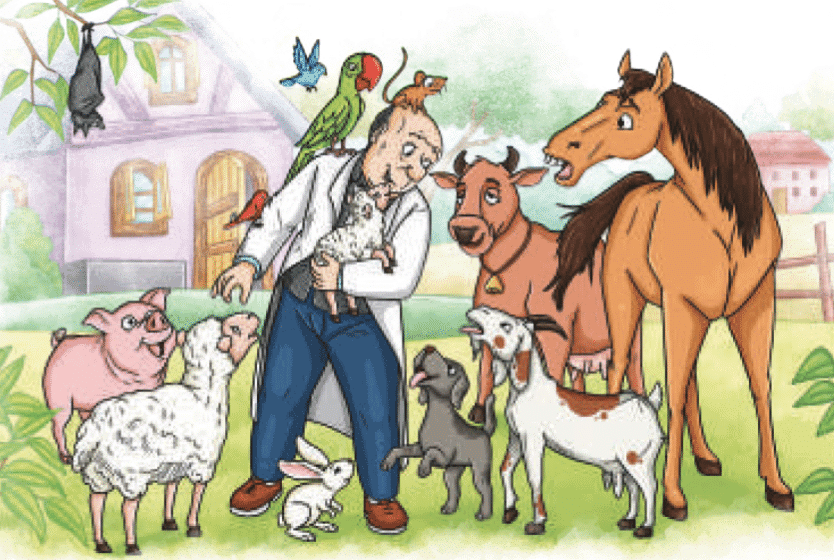
As Dr. Dolittle's reputation grows, more animals - from mice and badgers to bats - come to see him, filling his garden. To manage the crowd, Dr. Dolittle builds special labelled doors and tunnels for different animals. Birds spread the news across countries, and in a few years, Dr. Dolittle became famous among animals worldwide. As soon as they found that he could talk their language, they told him where the pain was and how they felt, and of course, it was easy for him to cure them. He was happy and liked his life very much.
Moral of the Story
- The story teaches us to listen to others and be open to new ideas, even if they seem unusual at first.
- Dr. Dolittle's willingness to learn from Polynesia shows that understanding and respecting animals can make a big difference.
- It also reminds us that kindness and care for all creatures, big or small, can lead to happiness and success.
Difficult Words
- Veterinarians (Vets): Doctors who treat animals.
- Scholar: A person who is good at reading and learning.
- Twitching: Making small, quick movements, like shaking a nose or ear.
- Spectacles: Glasses worn to help see better.
- Ploughing: Using a tool to turn soil in fields for farming.
- Diagnose: To find out what is wrong with someone or something.
- Cure: To make someone healthy again after being sick.
- Crowded: Full of many people or animals in one place.
- Famous: Well-known by many people or animals.
- Patiently: Waiting calmly without getting upset.
You can practice questions from this chapter here: Very Short Questions: Animals, Birds, and Dr. Dolittle
FAQs on Chapter Notes: Animals, Birds, and Dr. Dolittle
| 1. Who is Dr. Dolittle and what makes him special with animals? |  |
| 2. Why do animals and birds trust Dr. Dolittle more than other humans? | |
| 3. What lessons about animal behaviour and bird characteristics does the Dr. Dolittle story teach for Class 7? | |
| 4. How does the Dr. Dolittle chapter show the difference between human attitudes and animal perspectives? | |
| 5. What character traits make Dr. Dolittle an effective communicator with animals and birds? | |