Summary: Say the Right Thing


Introduction
Say the Right Thing is a comic one-scene play by G. C. Thornley. It centres on Mary Shaw, a bright but inexperienced girl who wants to help her mother welcome guests at their home in Lanfield. Her mother, Mrs. Shaw, gives Mary simple rules for polite conversation so that visitors feel comfortable. When two guests - Mrs. Harding and Mrs. Lee - call, Mary tries to follow her mother's advice but commits a series of social mistakes. These mistakes are funny yet awkward, and they show the reader why we must think before speaking and choose our words carefully so as not to hurt others' feelings.
Detailed Summary
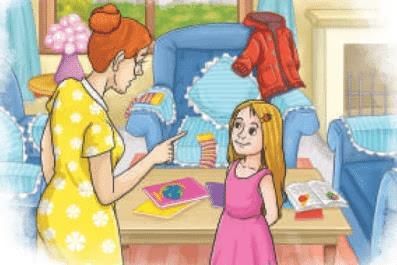
Preparing for guests. The play opens with Mrs. Shaw making the house ready for two visitors: Mrs. Harding, the wife of a wealthy man, and Mrs. Lee, who is the man's sister. Mrs. Shaw tells Mary to tidy up and behave politely. She gives Mary simple conversational phrases to use, such as greetings and ways to encourage guests to stay, for example, "Good afternoon," "How are you?" and "Must you go? Can't you stay?" Mary objects briefly, saying she is not a child, but she agrees to follow her mother's advice and puts on a clean dress.
The visit and Mary's blunders. When the guests arrive, Mrs. Shaw welcomes them. As conversation lags, Mary tries to help but makes a string of comic mistakes. First, she tells Mrs. Harding that she has "beautiful children," although Mrs. Harding has no children; this remark upsets Mrs. Harding. Mary insists she has seen a boy and a girl, which only increases the awkwardness.
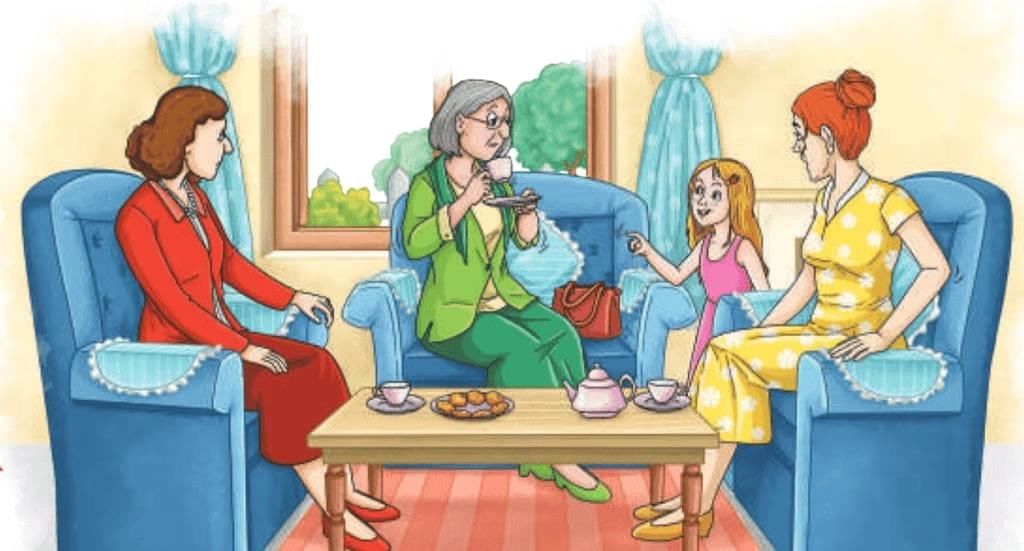
Mary then brings up Mr. Best, a neighbour, and asks questions that lead her into generalisations about bankers. When Mrs. Lee mentions that her brother is a banker, Mary realises her remark may have been wrong and apologises. Mary's next attempt to help by laughing about Mrs. Best's blue dress and red coat backfires when the same clothes are similar to what Mrs. Harding is wearing. She comments on Mrs. Cotter's laziness for staying in bed and visiting the doctor often, but this again proves embarrassing because Mrs. Harding also has been in bed and Mrs. Lee has visited the doctor.
Mary calls Mrs. Grantley "too talkative" and "boring," then notices that Mrs. Lee's mother is talkative. She complains about a dirty dog outside only to discover it belongs to Mrs. Harding - its name is Towzer. Mary pokes fun at Mr. Pomeroy for horse riding and shooting, not knowing that Mrs. Lee's brother does the same activities. Each time Mary makes a remark, she meant to be polite or funny but ends up offending or embarrassing the guests and her mother.
Ending. When the visitors prepare to leave, Mrs. Shaw asks them politely to stay longer. Mary, who had been practising ways to keep people talking, forgets her lesson and blurts, "Oh, must you stay? Can't you go?" The visitors leave amid an uncomfortable silence. The play closes with the comic but instructive result of Mary's careless remarks.
Characters
- Mary Shaw - a young, well-intentioned girl who wants to please but often speaks without thinking.
- Mrs. Shaw - Mary's mother; she is hospitable and careful about polite behaviour, and she tries to teach Mary social niceties.
- Mrs. Harding - a visitor, married to a wealthy man; she becomes unintentionally offended by Mary's remarks.
- Mrs. Lee - another visitor, sister of Mrs. Harding's husband; she is also embarrassed by Mary's remarks.
- Other named people mentioned briefly - Mr. Best, Mrs. Cotter, Mrs. Grantley, Mr. Pomeroy - are neighbours or acquaintances used in Mary's remarks to illustrate how careless comments can offend.
Theme and Message
- The play stresses the need to think before speaking. Mary's series of comic blunders shows how careless words may unintentionally hurt or embarrass others.
- It highlights the value of politeness and thoughtful conversation in social situations. Mrs. Shaw's advice-simple phrases and a gentle manner-shows effective ways of making guests feel welcome.
- The play demonstrates that children often repeat or attempt to follow adult instructions without fully understanding the context; this can lead to misunderstandings. The humour arises from Mary's literal or misapplied use of her mother's tips.
- Ultimately, the drama teaches social awareness: being sensitive to others' circumstances and avoiding hasty judgments or remarks keeps relationships pleasant.
Important Words and Meanings
Below are some difficult or useful words from the play, with simple meanings and example sentences to help you remember them.
- Hilariously: In a very funny way. Example: The children laughed hilariously at the clown's silly tricks.
- Blunders: Careless or clumsy mistakes that may cause trouble. Example: He made a blunder by sending the letter to the wrong address.
- Embarrassment: A feeling of awkwardness, shame, or discomfort. Example: She felt great embarrassment after her phone rang during the speech.
- Wealthy: Having a lot of money or possessions; rich. Example: The wealthy merchant donated to the school.
- Polite: Showing good manners and respect for others. Example: It is polite to say "thank you" when someone helps you.
- Compliments: Kind remarks praising someone. Example: He gave her compliments on her drawing.
- Awkward: Uncomfortable or embarrassing in a social situation. Example: There was an awkward silence after the joke fell flat.
- Mocking: Making fun of someone in an unkind or insulting way. Example: Mocking others hurts their feelings and should be avoided.
- Apologises: Says sorry for a mistake or offence. Example: He apologises when he realises his comment was rude.
- Disapprovingly: Showing that one does not approve or agree with something. Example: She looked disapprovingly at the messy room.
Language, Style and Humour
The play uses short, direct dialogue and situational comedy. The humour arises from dramatic irony: the audience often understands why Mary's remarks are inappropriate before she does. The play relies on miscommunication and misunderstandings to create laughter, while also offering a gentle lesson about courtesy. The language is simple and suitable for classroom reading and role play.
How to Study This Play
Read the play aloud with a partner to notice how tone and pauses affect meaning; practise Mary's lines and Mrs. Shaw's advice to understand how intention and phrasing differ. Think about each of Mary's remarks and ask: why did it offend or embarrass the guest? This will help you learn to avoid similar mistakes in real life.
Sample Short Activities
- Role play: Act out the scene in class. One student plays Mary, another plays Mrs. Shaw, and two others play the guests. Discuss afterwards which remarks caused embarrassment and why.
- Vocabulary exercise: Use five words from the list in sentences of your own.
- Reflection writing: Write a short paragraph about a time you said something you wished you had not. What could you have said instead?
You can practice questions from this chapter here: Very Short Questions: Say the Right Thing
FAQs on Summary: Say the Right Thing
| 1. What is the main theme of the story "Say the Right Thing"? |  |
| 2. Can you explain the moral of the story? | |
| 3. What are some difficult words in the story, and what do they mean? | |
| 4. How does the story illustrate the consequences of saying the wrong thing? | |
| 5. What lessons can students learn from "Say the Right Thing"? | |





