NCERT Solutions: How the Land Becomes Sacred

The Big Question (Page 167)
Q1: What is 'sacredness'?
Ans:
- Sacredness means something is regarded as holy, divine or deeply respected within religious or spiritual beliefs. It inspires reverence and special behaviour towards that person, place or thing.
- A sacred thing can be a built place (for example, a temple or church), a natural feature (for example, a river or mountain), or a ritual journey (for example, a pilgrimage) associated with devotion and rituals.
- Sacredness appears across religions in India - including Hinduism, Buddhism, Islam, Christianity, Jainism and Sikhism - though the forms and practices may differ.
- It helps people feel connected to their faith, community and traditions, and often guides behaviour, care for nature and social rules.
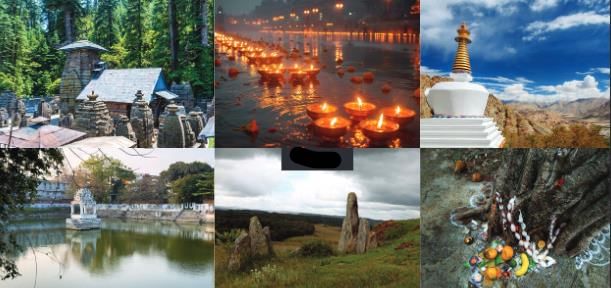 Sacred Places
 Ans:
- Land becomes sacred through places and features associated with religious meaning - such as pilgrimage sites, holy rivers, sacred groves and mountains that are linked to beliefs, myths or holy persons.
- People believe that gods, goddesses, saints or sages lived, meditated or performed miracles at these places; such associations give the land a special, divine status.
- Nature itself may be treated as divine - for example, rivers like the Ganga and sacred trees like the peepul are honoured and protected as living beings.
- Over time, stories, rituals, festivals and regular pilgrimages handed down through generations strengthen the sacred status of the land and encourage care and reverence.
Q3: How do sacred sites and pilgrimage networks connect with the life and culture of the people?
Ans:
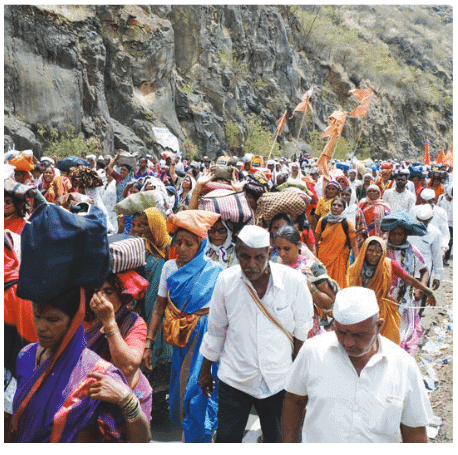
- Pilgrimage routes and sacred sites bring people from different regions together, helping form shared values, languages and practices through regular contact and exchange.
- Sacred sites support local trade, crafts and services - for example, markets, inns and artisans grow around pilgrimage centres and boost the local economy.
- People meet while travelling on pilgrimage routes and exchange goods, stories, music and cultural ideas, creating rich cultural links.
- Festivals and rituals at sacred sites strengthen community bonds, promote shared identity and keep traditions alive across generations.
Q4: What role did sacred geography play in the cultural integration of the Indian Subcontinent?
Ans:
- Sacred geography created a network of holy places across the subcontinent, which helped link distant regions through shared religious practices and journeys.
- Pilgrims from the north, south, east and west travelled to these sites and experienced diverse customs while following similar religious goals, encouraging cultural exchange.
- Shared journeys and beliefs helped unite people despite differences of language, dress or local customs, creating a sense of a common cultural space.
- Sacred geography also encouraged respect for nature and local ecosystems in many places, supporting traditions of conservation and harmony between people and environment.
Back Questions (Page 183 & 184)
Q1: Read the following statement by a well-known environmental thinker, David Suzuki: "The way we see the world shapes the way we treat it. If a mountain is a deity, not a pile of ore; if a river is one of the veins of the land, not potential irrigation water; if a forest Our Cultural Heritage and Knowledge Traditions 8 - How the Land Becomes Sacred 183 is a sacred grove, not timber; if other species are biological kin, not resources; or if the planet is our mother, not an opportunity-then we will treat each other with greater respect. Thus is the challenge, to look at the world from a different perspective." Discuss in small groups. What do you think this statement means? What implication does it have for our actions with respect to the air, water, land, trees and mountains around us?
Ans: David Suzuki's statement shows that our attitudes towards nature decide how we behave towards it. If we view natural features as sacred or as relatives rather than mere resources, we are more likely to protect them. Below is a simple explanation and the practical implications for our actions.
Viewing Nature as Sacred:
If we see a mountain as a deity rather than only a pile of rocks, we treat it with reverence. This attitude reduces the chance of destructive mining or careless exploitation.
If we view a river as one of the veins of the land, we will recognise its importance for life and protect it from pollution and overuse.
If we see a forest as a sacred grove rather than a source of timber alone, we will preserve biodiversity and maintain forests for ecological balance.
Sacred Places in India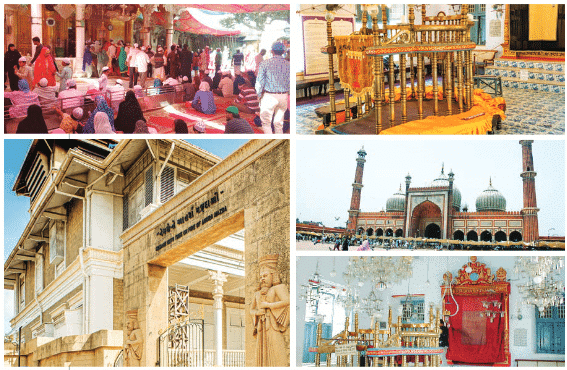
Respecting Other Species:
When other species are seen as biological kin rather than mere resources, people are likelier to protect animals and plants and their habitats, recognising their role in the wider ecosystem.
Protecting the Earth:
If we regard Earth as our mother rather than an opportunity to exploit, we will act to safeguard air, water, land and forests for present and future generations.
Implications for Our Actions: This change of perspective calls for practical steps to protect and care for the environment. For example, we should:
- Conserve forests, rivers and wildlife by preventing pollution and avoiding unnecessary destruction of habitats.
- Use resources responsibly - save water, reduce waste and practise sustainable farming and consumption.
- Reduce air pollution and protect natural landscapes by choosing cleaner energy and supporting local conservation efforts.
In conclusion, Suzuki's statement encourages a respectful and protective attitude towards nature. If we see natural elements as sacred or vital to life, we will act in ways that preserve and restore them.
Q2: List the sacred sites in your region. Enquire into why they are considered sacred. Are there stories connected with these sacred places? Write a short essay of 150 words. (Hint: You could speak to elders in your family and community, discuss with your teacher, read books and articles, etc., to gather relevant information.)
Ans: Sacred Sites in Uttar Pradesh: In Uttar Pradesh, there are several sacred sites that hold great religious significance.
Some of these include:
Kashi Vishwanath Temple (Varanasi):
This temple is dedicated to Lord Shiva and is among the most renowned Hindu pilgrimage sites. Devotees believe that visiting the temple and bathing in the Ganga can lead to spiritual purification and help one seek moksha (liberation).
Bodh Gaya:
Although Bodh Gaya is in Bihar, it has close connections with spiritual traditions in and around Uttar Pradesh. It is the place where Lord Buddha attained enlightenment under the Bodhi tree and is marked by the Mahabodhi Temple that attracts Buddhist pilgrims worldwide.
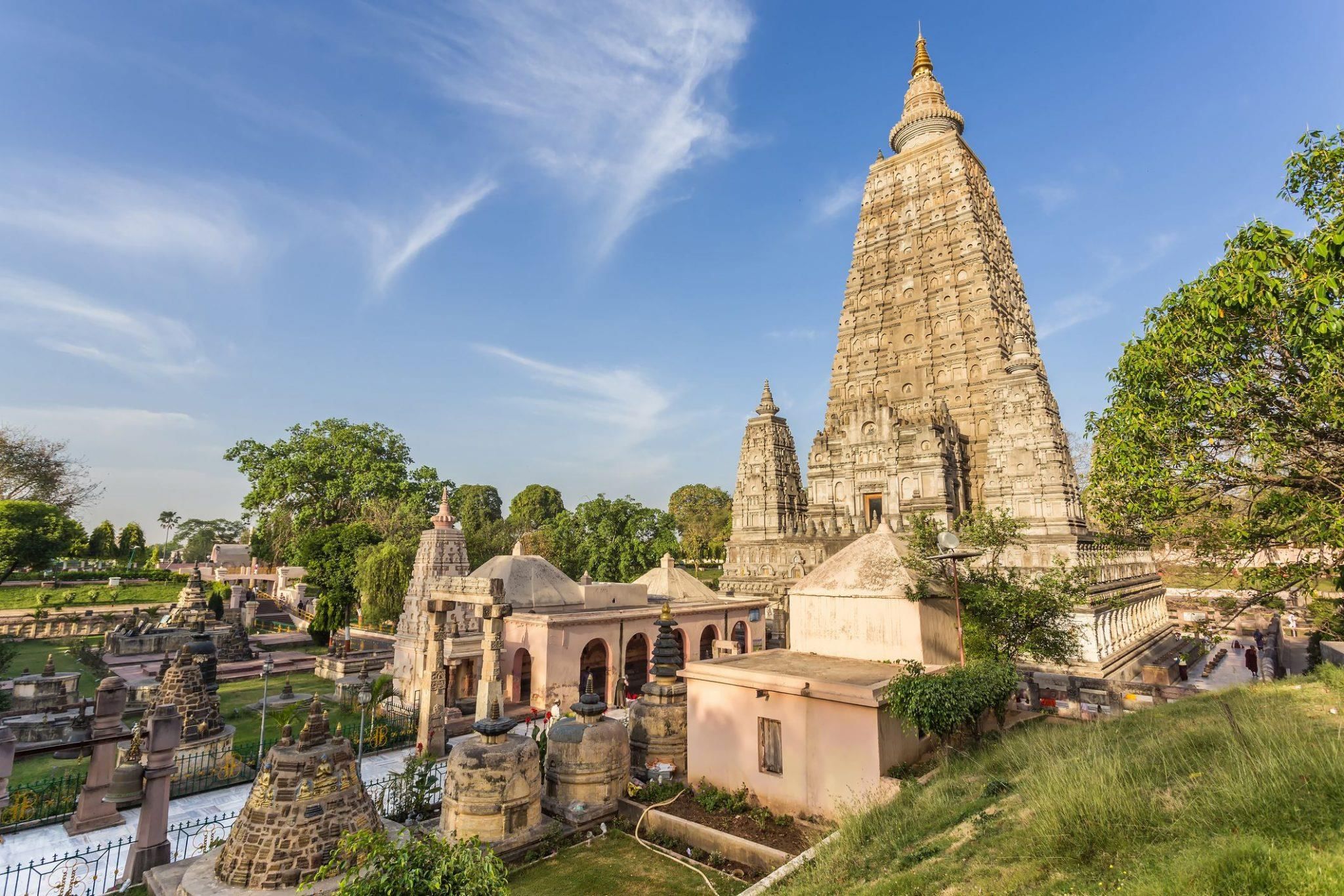 Bodh Gaya
Sarnath (Varanasi):
Sarnath is the site where Lord Buddha delivered his first sermon after enlightenment. It is an important centre for Buddhist learning and pilgrimage, holding historical and spiritual importance.
Prayagraj (Allahabad):
Prayagraj, at the confluence of the Ganga, Yamuna and the mythical Sarasvati, is famous for the Kumbh Mela. Pilgrims gather here in large numbers for ritual bathing and spiritual renewal; the site is associated with purification and sacred time.
Why These Sites Are Sacred:
These sites are linked to important religious figures and events - for example, Lord Shiva at Kashi Vishwanath and Lord Buddha at Sarnath and Bodh Gaya - which gives them lasting spiritual significance.
They are believed to offer spiritual benefits such as purification, blessings and guidance. Pilgrims visit them to perform rituals, celebrate festivals and seek peace.
Sacred Stories:
Kashi Vishwanath is associated with many legends about Lord Shiva and is believed to be a place where the soul can be freed from the cycle of birth and death.
Sarnath's significance comes from the event when Buddha taught the Four Noble Truths and the Eightfold Path, marking the start of organised Buddhist teaching.
In conclusion, sacred sites in Uttar Pradesh such as Kashi Vishwanath, Sarnath and Prayagraj have deep spiritual, historical and cultural importance. They preserve religious traditions, attract pilgrims and play an important role in the spiritual life of many people.
Q3: Why do you think natural elements like rivers, mountains and forests are considered sacred for the people? How do they contribute to our lives?
Ans: Sacredness of Natural Elements: In India and many other cultures, natural elements such as rivers, mountains and forests are often seen as sacred because they sustain life and are linked to religious beliefs.
Here's why:
Rivers as Sacred:
Rivers such as the Ganga, Yamuna and Godavari are regarded as life-giving and are often personified as goddesses. They supply water for drinking, farming and daily life.
People worship rivers and perform rituals and bathing ceremonies believing that the water purifies the body and spirit, which encourages protection of these water bodies.
Mountains as Sacred:
Mountains are often seen as the abodes of deities because of their height and remoteness. For example, certain peaks are centres of pilgrimage and meditation.
Pilgrimage to mountain shrines, such as the route to Vaishno Devi, symbolises a spiritual ascent and encourages care for mountain landscapes.
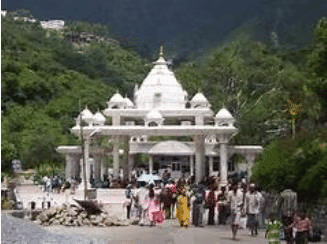 Vaishnodevi Temple
Forests as Sacred:
Many tribal and local communities protect certain forests and trees as sacred groves, believing they house deities or spirits. These areas are left undisturbed and act as refuges for biodiversity.
Sacred groves help preserve rare plants and animals and maintain ecological balance because they are protected by cultural rules.
Contribution to Our Lives:
Rivers: Provide water for drinking, sanitation and agriculture. They support fisheries, transport and many livelihoods, and are central to cultural life.
Mountains: Act as watersheds where rivers originate, help regulate climate and provide unique habitats. They are also important for tourism and pilgrimage.
Forests: Provide wood, medicinal plants and food, support wildlife and help control climate by storing carbon and preventing soil erosion.
In conclusion, rivers, mountains and forests are considered sacred because they sustain life and are tied to spiritual beliefs. Their sacred status often encourages protection, which benefits both nature and human society.
 Char Dhams
Q4: Why do people visit a tīrtha or other sacred sites?
Ans: People visit tīrthas and other sacred sites for spiritual, religious and social reasons. These visits help individuals and communities in several ways.
Here's why:
- Spiritual Significance: Pilgrims go to tīrthas to seek purification, inner peace and a closer relationship with the divine. Many believe that visiting certain sites helps in spiritual progress or attainment of blessings.
- Religious Duty: Visiting particular sacred places is part of the religious practice for many people. Pilgrimage may be prescribed by tradition or family custom and is seen as fulfilling a duty.
- Seeking Blessings: Devotees visit sacred sites to pray for health, wellbeing, success or solutions to personal problems and to receive the blessings of the deity or saint associated with the place.
- Cultural Connection: Pilgrimage connects people to their cultural and religious heritage. It strengthens identity, preserves traditions and brings families and communities together.
In conclusion, visits to tīrthas serve spiritual growth, fulfil religious obligations and foster a sense of cultural unity and belonging among people.
Q5: How did the ancient pilgrimage routes help in fostering trade during those times? Do you think the sacred sites help in developing the economy of the region?
Ans: Role of Pilgrimage Routes in Fostering Trade: Ancient pilgrimage routes served both religious and economic purposes. They promoted exchange of goods and ideas while connecting distant regions. Here's how:
- Overlapping Trade and Pilgrimage Routes: Many pilgrimage paths were also used by merchants, so routes to centres such as Varanasi and Haridwar doubled as commercial corridors that linked producers and buyers.
- Exchange of Goods: Pilgrims needed food, clothing and shelter while travelling. Local traders supplied these needs and also sold items like textiles, spices and religious articles, creating regular demand.
- Cultural Exchange: Pilgrims from different regions exchanged languages, crafts and ideas, which helped spread artistic styles, religious texts and technologies between regions.
- Economic Impact: The steady arrival of pilgrims supported local markets, artisans and service providers, increasing prosperity and sometimes encouraging infrastructure such as roads, inns and wells.
In conclusion, ancient pilgrimage routes helped foster trade by bringing people and goods together. Sacred sites continue to contribute to regional economies through tourism, festivals and related services.
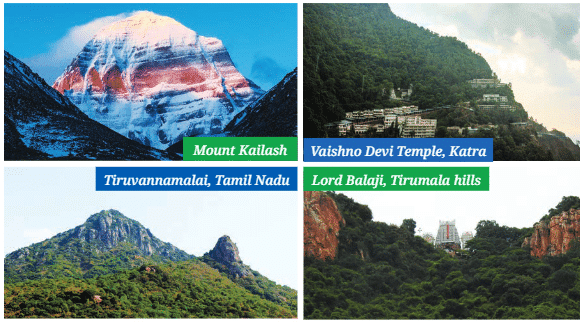 Sacred Mountains
Q6: How do sacred places influence the culture and traditions of the people living near them?
Ans: Influence of Sacred Places on Culture and Traditions: Sacred places shape many aspects of local life. They act as centres for religious practice, communal events and cultural expression. Here's how:
Religious Practices: Sacred places are focal points for daily rituals, prayers and festivals. They shape the religious calendar and routines of communities living nearby.
Cultural Identity: Temples, shrines and pilgrimage sites become symbols of local pride and identity. They help preserve language, customs and social norms linked to religious life.
Festivals and Celebrations: Festivals associated with sacred places draw large gatherings and form important cultural events that transmit traditions, music, dance and foodways.
Art and Architecture: The presence of sacred sites inspires local art, crafts and architecture. Temples and shrines often support skilled artisans and shape building styles in the region.
In conclusion, sacred places are central to the cultural life of nearby communities. They influence belief systems, social customs, economic activities and artistic traditions.
Q7: From the various sacred sites of India, select two of your choice and create a project explaining their significance.
Ans:
Kashi Vishwanath Temple (Varanasi): The Kashi Vishwanath Temple is one of the holiest Hindu shrines dedicated to Lord Shiva. It is believed to help devotees attain spiritual merit and purification. The temple and the nearby Ganga make Varanasi a major centre for rituals connected with life, death and liberation.
Bodh Gaya: Bodh Gaya is the place where Lord Buddha attained enlightenment under the Bodhi tree. The Mahabodhi Temple and the sacred tree attract Buddhist pilgrims from across the world and symbolise the core teachings of Buddhism and the path to inner freedom.
Q8: What is the two-fold significance of a tīrthayātrā or a pilgrimage?
Ans: Two-Fold Significance of a Tīrthayātrā (Pilgrimage):
Spiritual Significance: A pilgrimage is an inner and outer journey that helps pilgrims purify their mind, strengthen faith and seek blessings. Visiting sacred places and performing rituals is believed to bring spiritual benefits and personal transformation.
Cultural and Social Significance: Pilgrimages connect people from different regions and communities, fostering cultural exchange, shared practices and social bonds. They help maintain traditions and support local economies through the activities they generate.
In conclusion, a tīrthayātrā serves both spiritual and cultural purposes: it promotes individual spiritual growth while also strengthening communal ties and cultural continuity across regions.
FAQs on NCERT Solutions: How the Land Becomes Sacred
| 1. What are the main themes discussed in "How the Land Becomes Sacred"? |  |
| 2. How do different cultures perceive sacred land? | |
| 3. What role does history play in the sanctification of land? | |
| 4. Can you give examples of places that are considered sacred in different religions? | |
| 5. How does the article suggest we can respect and protect sacred lands? | |