Chapter Notes: A Homage to Our Brave Soldiers

Introduction
- This lesson is a letter exchange between two friends, Soumya and Ananda, who share their feelings about brave soldiers who fought for India.
- Soumya writes about her visit to the National War Memorial in New Delhi, describing how it honours soldiers who died in wars.
- She shares stories of heroes and the memorial's features, such as the eternal flame and circles representing bravery and sacrifice.
- Ananda replies, expressing gratitude and inspiration to join the Armed Forces.
- The lesson teaches us to respect and remember soldiers' sacrifices for our freedom and safety.
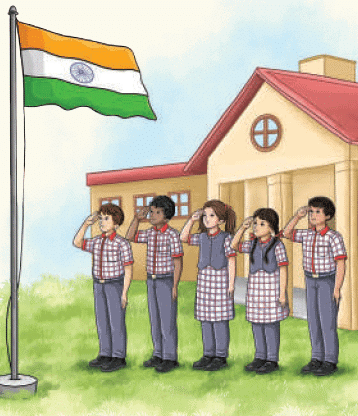
Explanation of the Story
The story is told through two letters between Soumya, who lives in Bengaluru, and Ananda, who lives in Chandigarh. It focuses on their thoughts about soldiers and on Soumya's visit to the National War Memorial. The letters mix personal feelings, facts about soldiers and memorials, and examples of courage that inspire both friends.
Soumya's Letter (14 April)
Soumya reminds Ananda of their earlier conversation about war and peace and reflects on India's history-its struggle for independence before 1947 and the wars fought afterwards to protect the nation. Curious about the soldiers who sacrificed their lives, she learns more during a school trip to New Delhi where she visits the National War Memorial.
Her teacher explains the memorial's purpose and history. The memorial was constructed between April 2018 and February 2019 near India Gate and was inaugurated by Prime Minister Narendra Modi. It commemorates soldiers who lost their lives in conflicts such as the Indo-China War (1962), the Indo-Pak Wars (1965 and 1971), and the Kargil War (1999). The memorial area contains about 29,000 tablets on which there are over 26,000 names of fallen soldiers, etched to be remembered permanently.
The teacher also talks about awards for bravery. The Param Vir Chakra (PVC) is the highest gallantry award for wartime valour; it has been awarded 21 times. The first recipient was Major Somnath Sharma in 1947. Other well-known PVC recipients include Lance Naik Albert Ekka, Flying Officer Nirmal Jit Singh Sekhon, Second Lieutenant Arun Khetarpal, and Major Hoshiar Singh. The navy officer Captain Mahendra Nath Mulla was awarded the Maha Vir Chakra (MVC) for exceptional courage at sea.
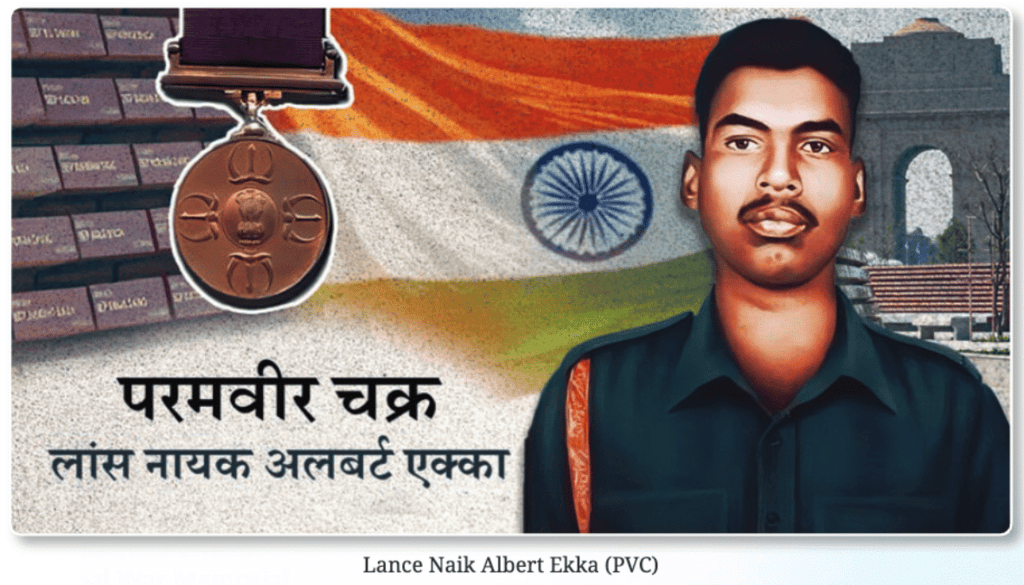
Soumya is particularly moved by the story of Lance Naik Albert Ekka, who fought bravely in the 1971 war and died defending his position despite being seriously wounded. His sacrifice and the stories of other heroes inspire Soumya to dream of serving the nation one day.
Features of the National War Memorial
- Amar Chakra (Circle of Immortality): Contains the eternal flame, symbolising that the spirit of the fallen soldiers lives on.
- Veerta Chakra (Circle of Bravery): Displays bronze murals depicting six heroic battles, celebrating acts of valour.
- Tyag Chakra (Circle of Sacrifice): Has walls arranged like a Chakravyuh formation, where names of the fallen are recorded for visitors to read and remember.
- Raksha Chakra (Circle of Protection): Includes rows of trees representing those who protect the nation.
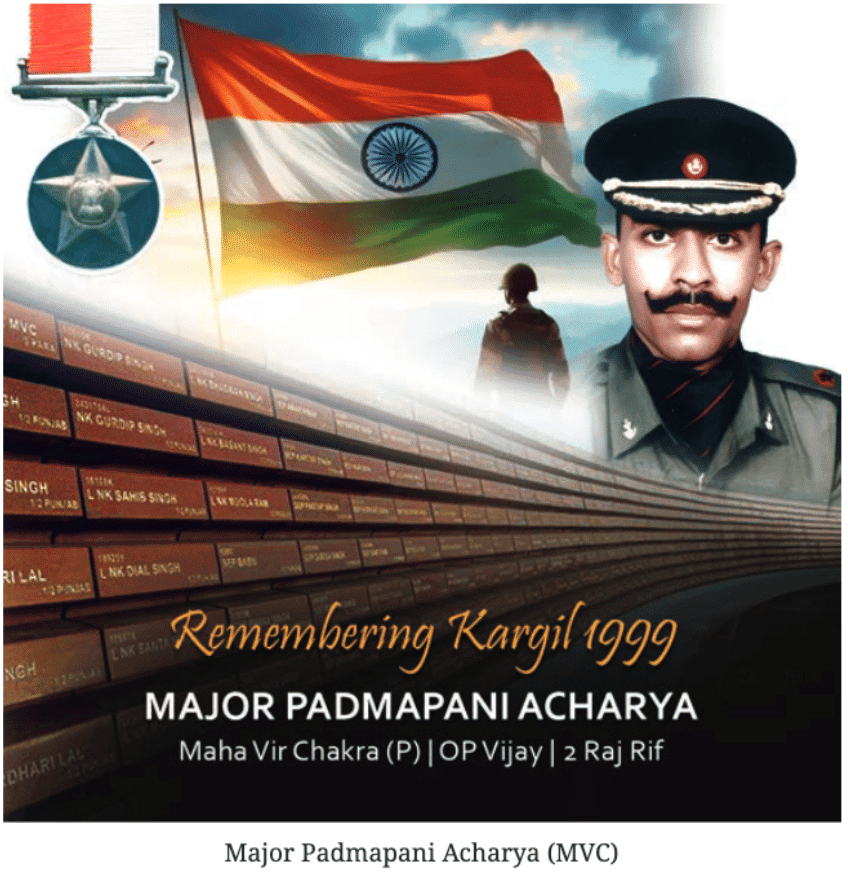
Soumya describes the memorial's beauty: wreaths laid in respect, the changing light from dawn to dusk, and the solemn pride and sadness visitors feel. Her class is preparing presentations about soldiers; she chooses Major Padmapani Acharya, a 1999 Kargil War hero who, despite severe injuries, led his men bravely and was awarded the Maha Vir Chakra (MVC) posthumously. Soumya ends her letter excited and eager, sharing a website link about the memorial for her classmates to explore further.
Ananda's Letter (24 April)
Ananda is deeply moved by Soumya's vivid description. He agrees that the National War Memorial is not only a monument but also a symbol of the nation's gratitude to those who gave their lives for India's freedom. Her letter inspires him to dream of joining the Armed Forces as well.
He remembers a visit to a war memorial in Chandigarh's Bougainvillaea Garden, where people laid flowers to honour fallen soldiers. That scene reminds him of the Hindi poem Pushp ki Abhilasha by Makhanlal Chaturvedi, in which a flower wishes to fall on the path of brave soldiers rather than be used for decoration. The poem captures the desire to be connected to bravery and sacrifice.
Ananda shares his admiration for Captain Anuj Nayyar, an MVC awardee from the Kargil War. He mentions a book written by Captain Nayyar's mother about her son; in interviews she speaks about the pain and pride of keeping her child's memory alive. Such stories deepen Ananda's respect for the families who keep the memories of soldiers alive.
Ananda is excited about the National War Memorial and Museum app, which provides information in 21 languages and showcases the murals and stories of heroism. He expresses his wish to visit the memorial one day and suggests creating a collage of inspiring heroes at school to share these stories with more students. Before ending, Ananda also mentions his hobby, philately (stamp collecting), and appreciates Soumya's beautifully stamped letters. He concludes by thanking her and saying her letter truly inspired him.
Moral of the Story
- The lesson teaches us to be thankful for soldiers who sacrificed their lives so we can live in a free and safe country.
- It encourages us to honour their bravery by remembering their stories, visiting memorials, and learning about their sacrifices.
- The story inspires us to be courageous, to consider serving our nation in our own ways, and to live responsibly so that we respect the freedom soldiers fought for.
Difficult Words
Meanings of some important words from the lesson, explained simply:
- Homage: Showing respect publicly for someone.
- Memorial: A place or structure built to remember people who died.
- Patriotism: Love and loyalty for one's country.
- Sacrifices: Giving up something important, such as comfort or life, for a cause.
- Inaugurated: Officially opened or started.
- Tribute: An action taken to show respect or gratitude.
- Etched: Carved or written so that it remains permanently, like names on stone.
- Gallantry: Great courage, especially in battle.
- Posthumously: After someone has died.
- Citation: A written account describing someone's brave actions when an award is given.
- Awestruck: Feeling amazed and deeply impressed.
- Commemorates: Officially honours and remembers someone or something.
- Obelisk: A tall, pointed stone pillar often used as a memorial feature.
- Wreaths: Rings of flowers laid to show respect for the dead.
- Interminable: Seeming never-ending; used here to describe the continuous nature of remembrance such as an eternal flame.
- Murals: Large paintings or artworks on walls.
- Valour: Great bravery in dangerous situations.
- Solemn: Serious and respectful in manner.
- Sovereignty: A country's independence and authority over its own affairs.
- Philately: The hobby of collecting stamps.
FAQs on Chapter Notes: A Homage to Our Brave Soldiers
| 1. What is the main theme of "A Homage to Our Brave Soldiers"? |  |
| 2. Why is it important to pay homage to soldiers? | |
| 3. What moral lessons can be derived from the story? | |
| 4. What are some difficult words found in the chapter, and what do they mean? | |
| 5. How can we show our appreciation for soldiers in our daily lives? | |