Worksheet: The Cleanest Village

Section A: Multiple Choice Questions
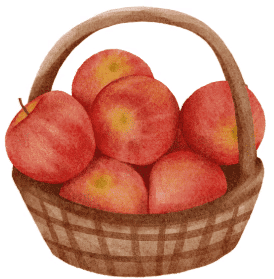
1. If a person pays ₹500 for apples and the total cost is ₹425, what is the balance the shopkeeper gives back?
a) ₹60
b) ₹75
c) ₹80
d) ₹85
2. If you have ₹300 and buy a notebook for ₹150, how much money do you have left?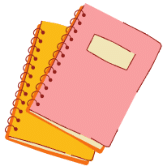 a) ₹100
b) ₹120
c) ₹130
d) ₹150
Section B: Fill in the Blanks
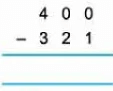
3. 
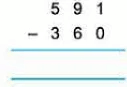
4. 
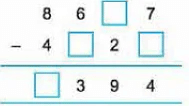
5. 
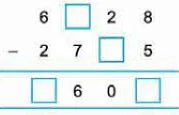
6. 
7. Find the difference between :
(a) 256 - 153
(b)781 - 651
Section C: Word Problems
8. If a child has ₹500 and spends ₹250 on a book and ₹100 on snacks, how much money does the child have left?
9. In a store, a t-shirt costs ₹350, a pair of jeans costs ₹550, and a cap costs ₹150. How much money is needed to buy all three? 10. A family spent ₹2000 on groceries. If they paid ₹1200 in cash and the rest using a card, how much did they pay with the card?
11. A person buys 3 tickets to a movie at ₹150 each and 2 tickets to a play at ₹200 each. What is the total cost?
You can access the solution to this worksheet from here
FAQs on Worksheet: The Cleanest Village
| 1. What math concepts does "The Cleanest Village" worksheet cover for Class 4? |  |
| 2. How do I solve word problems about collecting and organizing cleanliness data in this worksheet? | |
| 3. What calculation skills should I have before attempting the cleanest village worksheet? | |
| 4. Why does this Class 4 worksheet mix environmental themes with mathematics problems? | |
| 5. What mistakes do students commonly make while working through the village cleanliness worksheet activities? | |