Short Answer Questions
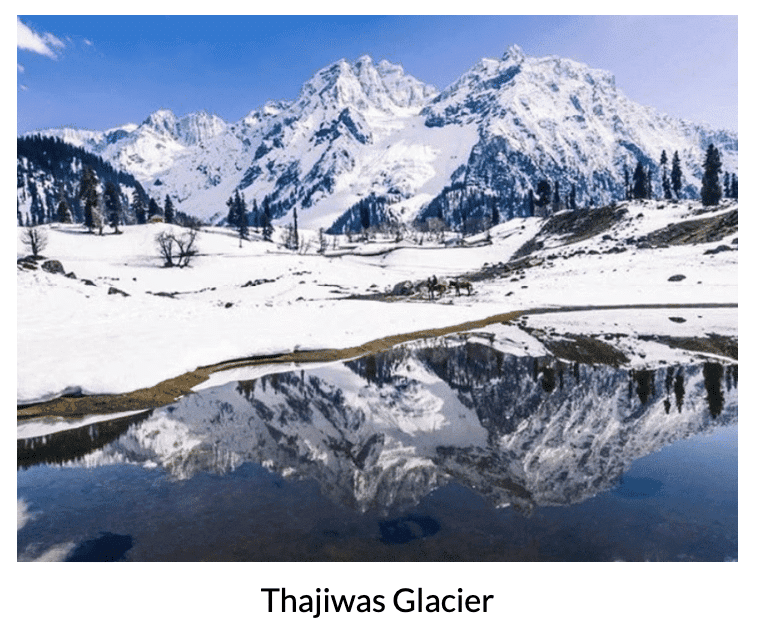
Q1: What does Shaana notice about the snow in Kashmir?
Ans: Shaana notices that there is less snow at the Thajiwas Glacier in Kashmir than the previous year. She admires the white-and-blue glaciers and enjoys playing in the snow with her parents, yet she also realises the reduction in snowfall, which makes her aware of environmental change while she savours the cold and fun moments.
Q2: What sounds does Shaana hear in Himachal Pradesh?
Ans: In Himachal Pradesh, Shaana hears the cheerful morning songs of colourful birds around her cabin, which create a joyful atmosphere. At night she hears strange growling sounds; her mother jokes that it is her father snoring, and this teasing sparks Shaana's imagination about wild animals and night-time adventures.
Q3: Why does Shaana call Arunachal Pradesh her favourite stop?
Ans: Shaana calls Arunachal Pradesh her favourite stop because she loves the thick forest and the treehouse where she stays, and she is excited by the chance to see red pandas. Her interest in the region's wildlife and natural beauty shows her growing love for nature and adventure.
Q4: What makes the Rann of Kutch different from Kashmir?
Ans: The Rann of Kutch in Gujarat is hot, dry and sandy, which is the opposite of the cold, snowy glaciers of Kashmir. While Kashmir needs several layers of warm clothing because of its biting cold, the Rann of Kutch has a desert-like climate, highlighting India's varied landscapes and weather that Shaana experiences on her journey.
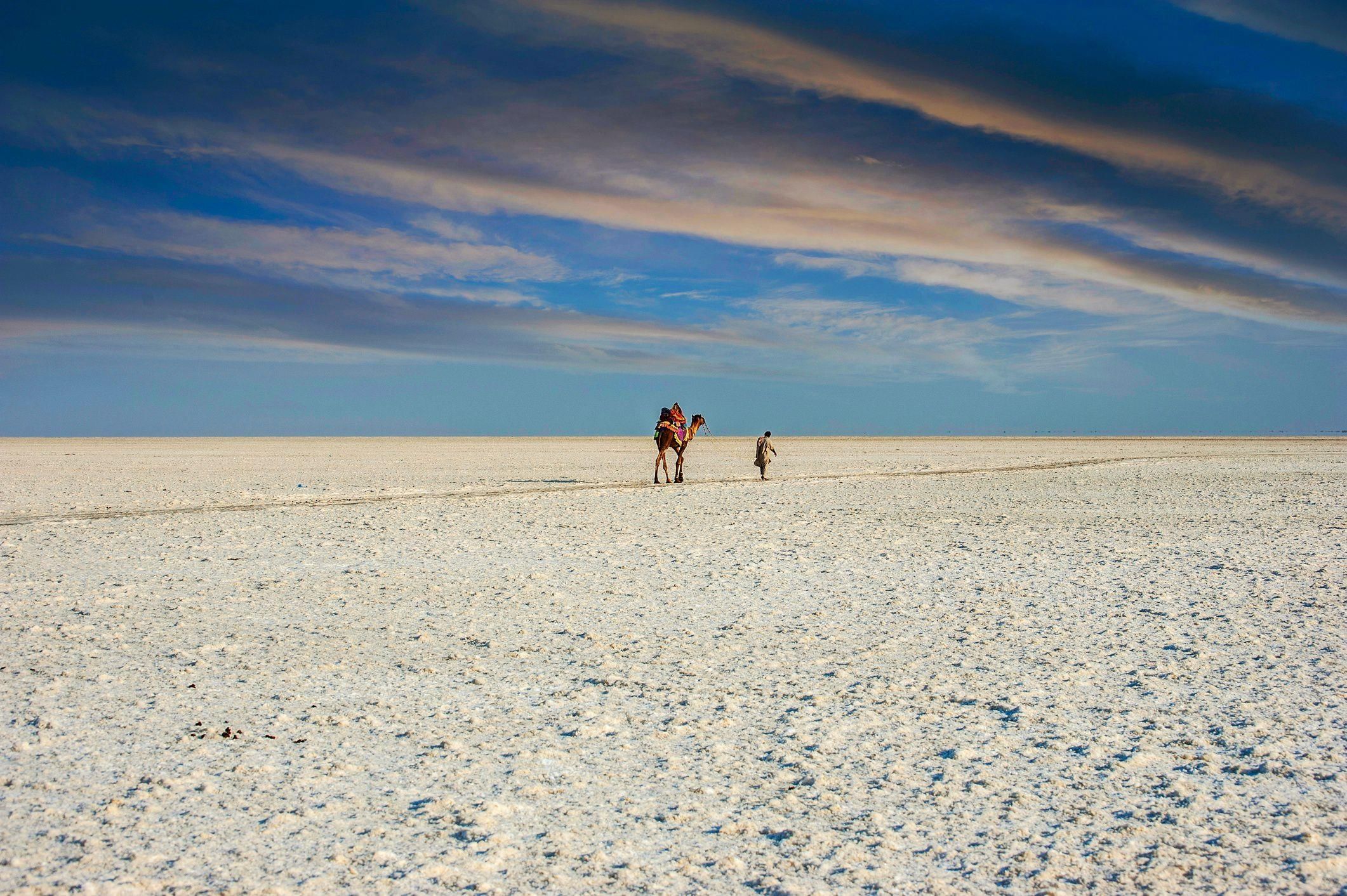 Rann of Kutch
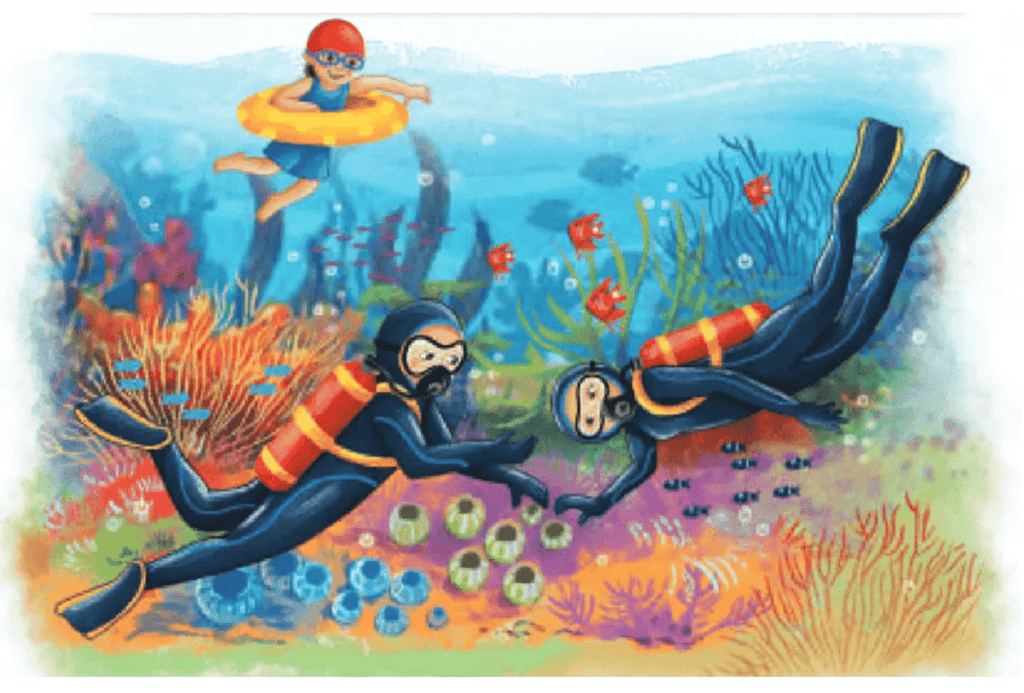
Q5: How does Shaana feel about tunnels in Goa?
Ans: In Goa, Shaana feels confident riding a train through many tunnels, which contrasts with her earlier fear of them. She now enjoys watching the plateaus and hills from the train window, showing her increased confidence and enjoyment of adventurous travel.
Long Answer Questions
Q1: How does Shaana's visit to the Thajiwas Glacier in Kashmir reflect her curiosity and awareness of environmental changes?
Ans: Shaana's visit to the Thajiwas Glacier shows both curiosity and awareness. She describes the white-and-blue glaciers with pleasure and joins in the snowy fun with her parents, even though her hands shake because she forgot her gloves. At the same time she notices there is less snow than last year, which signals her attention to environmental change. This combination of wonder and careful observation encourages readers to appreciate India's varied landscapes and to be mindful of environmental issues.
Q2: What role does Shaana's imagination play during her stay in Himachal Pradesh, and how does it enhance her experience?
Ans: Shaana's imagination makes her time in Himachal Pradesh more lively and enjoyable. The morning songs of birds lift her spirits, and when she hears odd noises at night, her mother's teasing about snoring leads Shaana to imagine meeting a bear and giving it a hug. These imagined adventures turn ordinary moments into exciting memories. Her creativity helps her to explore the place with curiosity and makes her travel notes more vivid and inviting to her friends.
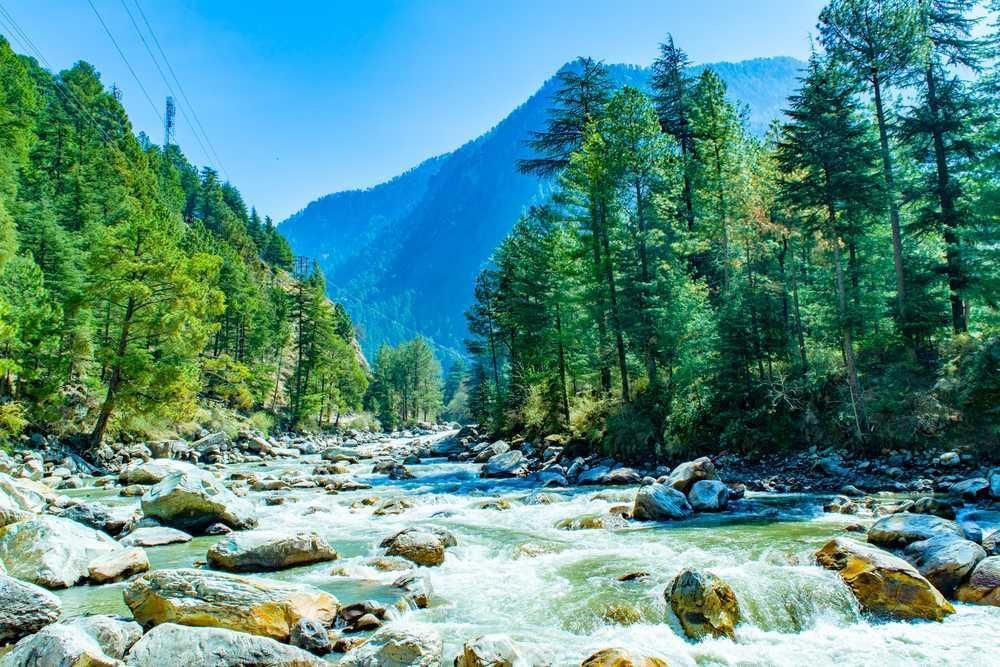 Himachal Pradesh
Q3: How does Shaana's experience in the Sundarbans show her mixed feelings of excitement and nervousness?
Ans: Shaana's visit to the Sundarbans brings both excitement and nervousness. She is curious about the mangrove trees that grow in seawater and enjoys boating through the wetlands. Seeing creatures such as crocodiles and a snake adds thrill but also makes her uneasy. Her mother's comments about frequent flooding remind Shaana of the region's environmental challenges, so her wonder is mixed with concern. This balance of awe and caution reflects how she learns to appreciate new places while recognising their risks.Q4: How does Shaana's journey in Goa reflect her personal growth, and why is it significant to the story?
Ans: Shaana's journey in Goa shows clear personal growth through increased confidence. She used to be afraid of tunnels, but now she enjoys riding a train through many tunnels and watching the changing landscapes. This change from fear to enjoyment highlights how travel can build courage and curiosity. Her new confidence and plans to explore with friends show a maturing outlook and encourage readers to embrace unfamiliar experiences as opportunities for growth.
Q5: What lessons about appreciating India's diversity can we learn from Shaana's travel experiences?
Ans: Shaana's travels teach us to appreciate India's diversity by showing different landscapes, climates and wildlife through her curious outlook. From snowy Kashmir to the hot Rann of Kutch, the forests of Arunachal Pradesh, the mangroves of the Sundarbans and the coastal regions, each place has its own beauty and challenges. Shaana's excitement at seeing red pandas, rafting on a river, or watching fish in Goa shows respect for each region's special features. Her observations about less snow in Kashmir and flooding in the Sundarbans also build her awareness of environmental issues. Overall, her journey encourages exploration, respect for nature and pride in India's variety, and it shows how new experiences help a person grow in understanding and confidence.