Worksheet Solutions: A Funny Man

A. Multiple Choice Questions (MCQs)
Q1: Who is the poet of "The Funny Man"?
a) Hugh Lofting
b) Natalie Joan
c) Helen Keller
d) Eliza Cook
Ans: (b)
Explanation: Natalie Joan is the poet credited with writing "The Funny Man," so option (b) is correct.
Q2: What does the funny man wear on his head?
a) A hat
b) A shoe
c) A bun
d) Two hats
Ans: (b)
Explanation: The poem describes the funny man as wearing a shoe on his head, which is an unusual and humorous detail; therefore option (b) is correct.
Q3: What does the funny man offer the poet instead of a rose?
a) A currant bun
b) A flower
c) A song
d) A hat
Ans: (a)
Explanation: Instead of a rose, the funny man presents a currant bun as if it were a flower; this makes option (a) the correct choice.
Q4: How does the funny man leave at the end of the poem?
a) He walks away
b) He sings a song
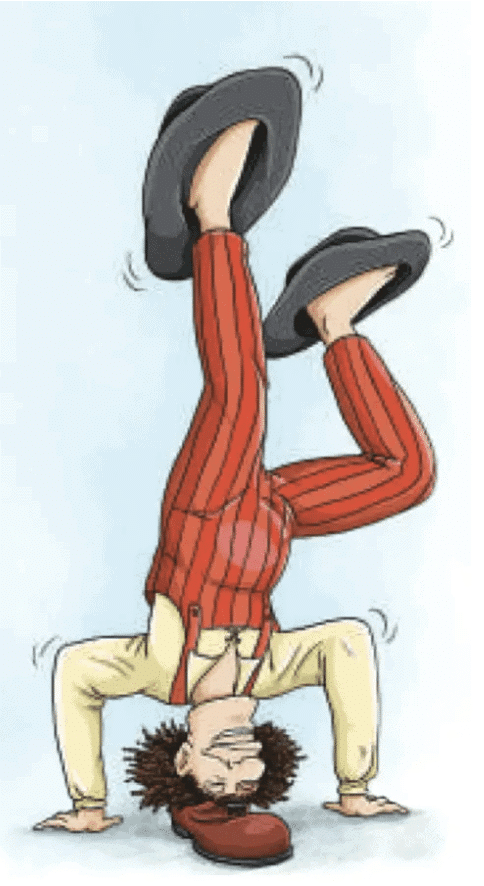
c) He hops on his head
d) He gives a bun
Ans: (c)
Explanation: At the end, the funny man turns and hops home on his head, an absurd and funny way to leave, so option (c) is correct.
Q5: What does the word "staggered" mean in the poem?
a) Sang loudly
b) Moved unsteadily
c) Jumped quickly
d) Smiled politely
Ans: (b)
Explanation: "Staggered" means to move unsteadily, as if about to fall; this fits the poet's reaction and makes option (b) correct.
B. Fill in the Blank
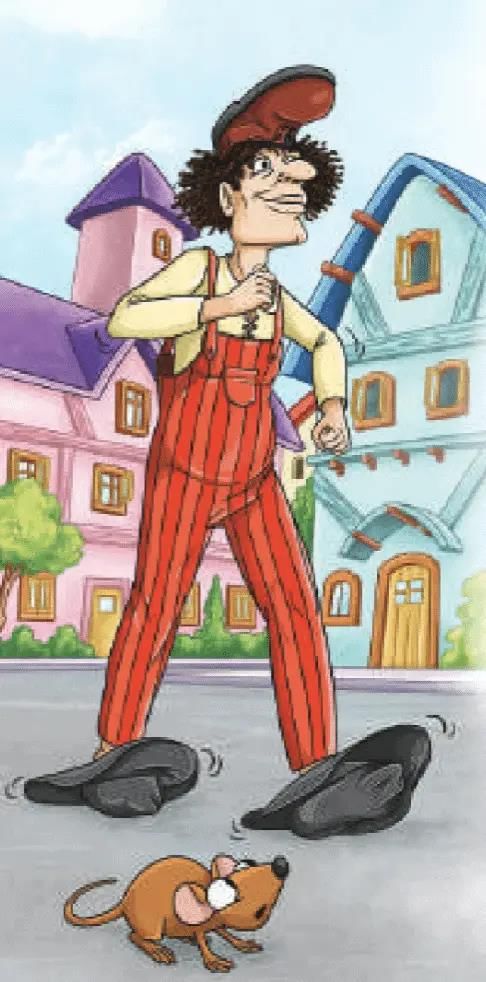
Q6: The funny man wears _______ on his feet.
Ans: hats
Q7: The poet describes the man's action as a funny sounding _______.
Ans: sight
Q8: The man addresses the poet as "Your _______."
Ans: Highness
Q9: The poet says the bun has a funny looking _______.
Ans: smell
Q10: The word "manners" refers to polite _______.
Ans: behaviour
C. True or False
Q11: The funny man wears shoes on his feet like most people.
Ans: False
Explanation: In the poem he wears hats on his feet and a shoe on his head, which is the opposite of normal dress, so the statement is false.
Q12: The poet is shocked when the man offers a bun as a rose.
Ans: True
Explanation: The poet staggers back against the wall when the man offers a bun as a rose, showing clear surprise, so this statement is true.
Q13: The funny man answers the poet's question about his hats.
Ans: False
Explanation: The man does not explain his hats; instead he hops away on his head, so the statement is false.
Q14: The poem teaches us to enjoy playful and imaginative moments.
Ans: True
Explanation: The poem celebrates imagination and playful behaviour through the funny man's actions, so this statement is true.
Q15: The word "currant" means a type of shoe.
Ans: False
Explanation: "Currant" refers to a small dried fruit used in baking; it does not mean a shoe, so this statement is false.
D. Very Short Answer Questions
Q16: What does the funny man raise to greet the poet?
Ans: The shoe on his head.
Q17: Where does the funny man sit while singing his song?
Ans: On the ground.
Q18: What does the poet ask the funny man about his appearance?
Ans: Why he wears two hats on his feet.
Q19: What is the meaning of the word "hopped" in the poem?
Ans: Moved by jumping while upside down on his head.
Q20: What is one moral of the poem?
Ans: It is okay to be different and to embrace imagination.
E. Long Answer Questions
Q21: How does the funny man's appearance and behaviour create humour in the poem?
Ans: The funny man creates humour through surprising and absurd details. He reverses normal dress by putting a shoe on his head and hats on his feet, which makes readers smile because it is so unexpected. His polite words and manners, such as raising his shoe to greet the poet and calling her "Your Highness," contrast with his odd actions, making the scene comical. Small moments - offering a currant bun as a rose, singing a strange song while sitting on the ground, and finally hopping home on his head - add layers of silliness that keep the tone light and amusing.
Q22: Describe the interaction between the poet and the funny man when he offers a bun.
Ans: When the funny man offers a bun, he does so very politely, saying he will "present" a rose and addressing the poet as "Your Highness." He holds the currant bun to her nose as if it were a flower for her to smell. The poet is surprised and staggers back against the wall, but she replies cleverly, noting she has never smelled a rose like that. The exchange is playful: the man treats a bun like a flower and the poet responds with amused bewilderment, which keeps the scene friendly and humorous.
Q23: Explain how the funny man's actions in the final stanza add to the poem's playful tone.
Ans: In the final stanza, the funny man's choice to turn and hop home on his head instead of answering plainly increases the poem's playfulness. His odd departure is unexpected and silly, raising the comic effect and reinforcing his carefree nature. This final, exaggerated image leaves readers with a strong, amusing picture and completes the poem on a light-hearted note.
Q24: What is the moral of the poem, and how does the funny man's character reflect it?
Ans: The moral is that being different and playful can bring joy to others. The funny man shows this by behaving in imaginative and unconventional ways - wearing a shoe on his head, offering a bun as a rose, and hopping away on his head. He is polite and friendly despite his odd appearance, and his behaviour makes the poet and readers smile, showing that individuality and humour are positive qualities.
Q25: Discuss how the poet uses playful language to make the poem fun and engaging.
Ans: The poet uses simple, vivid words and unusual combinations of senses to create playfulness. Expressions such as "funny sounding sight" and "funny looking smell" mix senses in a surprising way and make images feel lively. Humorous phrases like "Your Highness" and "hopped home on his head" add exaggeration and rhythm. Short, clear lines and rhymes such as "street" and "feet" keep the poem bouncy, while concrete details like a "currant bun" make the humour easy to imagine and enjoy.
FAQs on Worksheet Solutions: A Funny Man
| 1. What is the main theme of the article "A Funny Man"? |  |
| 2. Who is the protagonist of the story, and what makes him funny? | |
| 3. How does the funny man influence the lives of others in the article? | |
| 4. What are some examples of the funny man’s antics in the story? | |
| 5. What lesson can readers learn from "A Funny Man"? | |





