Very Short Answer Questions: The Constitution of India — An Introduction

Q1: When was the Constitution of India adopted?
Ans: The Constitution of India was adopted on 26 November 1949 and came into force on 26 January 1950.
Q2: What is a constitution?
Ans: A constitution is a document that lists a country's basic laws and rules.
Q3: What is the significance of 26 January in India?
Ans: 26 January is celebrated as Republic Day, the day when the Constitution of India came into force in 1950.
 Republic Day Parade
Q4: What does "Sovereign" mean in the Preamble?
Ans: "Sovereign" means that India is free to make its own decisions without external control.
Q5: What does "Secular" mean in the Preamble?
Ans: "Secular" means that India does not have an official religion and respects all religions equally.
Q6: Who was the first President of the Constituent Assembly?
Ans: Dr. Sachchidananda Sinha was the temporary (first) President of the Constituent Assembly, and Dr. Rajendra Prasad was later elected as its permanent President.
Q7: Who was the Chairman of the Drafting Committee of the Constitution?
Ans: Dr. B.R. Ambedkar was the Chairman of the Drafting Committee.
Q8: What were the three main sources that influenced the Indian Constitution?
Ans: The Indian Constitution was influenced by the Indian Freedom Movement, India's Civilisational Heritage, and the constitutions of other countries.
Q9: What is the role of the President in the Constitution?
Ans: The President is the ceremonial head of the state and ensures the Constitution is followed.
Q10: What is the function of the legislature in the government?
Ans: The legislature makes laws for the country.
Q11: What is the role of the executive in the government?
Ans: The executive implements the laws made by the legislature.
Q12: What is the role of the judiciary in the government?
Ans: The judiciary ensures that laws follow the Constitution and settles disputes.
Q13: What is the separation of powers in the Constitution?
Ans: The separation of powers ensures that the legislature, executive, and judiciary function independently for fairness.
Q14: What are the Fundamental Rights in the Indian Constitution?
Ans: Fundamental Rights guarantee equality, freedom, protection against exploitation, freedom of religion, cultural and educational rights, and the right to constitutional remedies.
 Fundamental Rights
Q15: What are Fundamental Duties in the Indian Constitution?
Ans: Fundamental Duties are the responsibilities of citizens, like respecting the Constitution and protecting the environment.
Q16: What are Directive Principles of State Policy (DPSP)?
Ans: DPSPs are guidelines for the government to promote justice, improve living standards, and ensure the welfare of the people.
Q17: What does "Republic" mean in the Preamble?
Ans: "Republic" means that the head of state is elected and not a hereditary monarch.
Q18: What is the significance of the "Preamble" in the Constitution?
Ans: The Preamble introduces the Constitution and highlights its core values - justice, liberty, equality, and fraternity.
Q19: What is the role of amendments in the Constitution?
Ans: Amendments allow the Constitution to be changed to meet new needs and challenges.
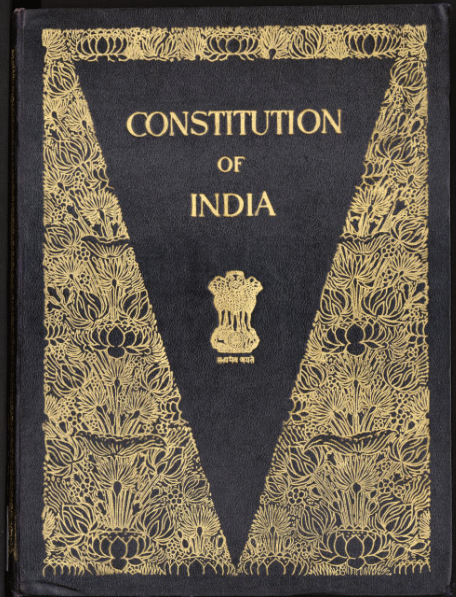 Constitution of India
Q20: What is the importance of the Constituent Assembly in India's history?
Ans: The Constituent Assembly was responsible for drafting the Constitution, ensuring democratic governance in India.
Q21: What were the major influences of the French Revolution on the Indian Constitution?
Ans: The French Revolution's ideals of liberty, equality, and fraternity influenced the Preamble and fundamental values of the Indian Constitution.
Q22: How does the Constitution ensure the protection of minority rights?
Ans: The Constitution guarantees the protection of all citizens' rights, regardless of their religion or social group.
Q23: What was the role of Dr. Rajendra Prasad in the Constituent Assembly?
Ans: Dr. Rajendra Prasad was the President of the Constituent Assembly and played a key role in guiding the discussions.
Q24: How does the Constitution help maintain democracy in India?
Ans: The Constitution ensures that citizens can elect their leaders and hold them accountable for their actions.
Q25: What does "Justice" mean in the Preamble of the Constitution?
Ans: "Justice" in the Preamble means providing equal rights, opportunities, and treatment to all citizens without discrimination.
FAQs on Very Short Answer Questions: The Constitution of India — An Introduction
| 1. What is the Constitution of India? |  |
| 2. Why is the Constitution important for India? | |
| 3. What are the key features of the Indian Constitution? | |
| 4. How does the Constitution protect the rights of citizens? | |
| 5. What is the significance of the Preamble to the Constitution of India? | |