Short & Long Answer Questions: The Constitution of India — An Introduction

Short Answer Questions
Q1: Why was the Constitution of India adopted in 1949 but implemented in 1950?
Ans: The Constitution was adopted on 26 November 1949 but came into effect on 26 January 1950 to give time for the country to prepare for the transition from British rule. This also marked India's Republic Day, symbolizing the country's self-governance.
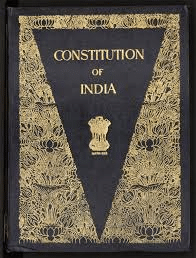 Constitution of India
Q2: What was the role of the Constituent Assembly in shaping India's Constitution?
Ans: The Constituent Assembly was responsible for drafting the Constitution of India. It included representatives from diverse regions and communities, ensuring the Constitution reflected India's values of democracy, equality, and justice.
Q3: What are the main components of the government structure as per the Indian Constitution?
Ans: The Indian Constitution establishes three main branches of government: the legislature (which makes laws), the executive (which implements laws), and the judiciary (which ensures laws are followed and settles disputes).
Q4: How did the Indian Freedom Movement influence the Constitution?
Ans: The Indian Freedom Movement emphasized values like equality, justice, and freedom, which were incorporated into the Constitution. Leaders of the movement brought their experiences into the Constituent Assembly to create a fair and democratic system.
Q5: How is the Constitution a "living document"?
Ans: The Constitution is a "living document" because it can be amended to meet the changing needs of the country. Amendments help adapt the Constitution to new challenges and evolving societal norms, keeping it relevant over time.
Q6: What is the significance of the Preamble to the Constitution of India?
Ans: The Preamble sets out the fundamental values and objectives of the Constitution, including justice, liberty, equality, and fraternity. It guides the government and citizens in ensuring a fair and just society.
Q7: What is the role of the President, Prime Minister, and judges in the Constitution?
Ans: The President is the ceremonial head of state, the Prime Minister leads the executive, and judges in the judiciary ensure laws are in line with the Constitution. These officials take an oath to uphold the Constitution.
Q8: How does the Indian Constitution protect individual rights?
Ans: The Constitution provides Fundamental Rights that guarantee individual freedoms like equality, freedom of speech, and protection from exploitation. These rights are enforceable in court if violated by the government or others.
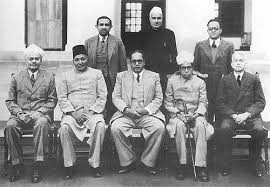 Constituent Assembly
Q9: What are Directive Principles of State Policy (DPSP) and how do they guide the government?
Ans: DPSPs are guidelines for the government to create laws and policies aimed at improving the standard of living, ensuring justice, and protecting the environment. They are not legally enforceable but guide government actions.
Q10: What changes have been made to the Constitution since its adoption?
Ans: The Constitution has been amended several times to address evolving issues. Notable changes include the addition of Fundamental Duties in 1976, the recognition of the Panchayati Raj System in 1992, and rights like the freedom to fly the national flag.
Q11: How does the Indian Constitution ensure a separation of powers?
Ans: The Constitution ensures the separation of powers by clearly defining the roles and responsibilities of the legislature, executive, and judiciary. This system prevents any one branch from becoming too powerful and ensures fairness in governance.
Q12: How does the Constitution promote equality in India?
Ans: The Constitution promotes equality by ensuring that all citizens are treated equally before the law, regardless of religion, caste, gender, or race. It guarantees equal opportunities and prohibits discrimination, upholding the values of justice and fairness.
Long Answer Questions
Q1: What was the role of Dr. B.R. Ambedkar in the drafting of the Indian Constitution?
Ans:
- Dr. B.R. Ambedkar served as the Chairman of the Drafting Committee and is often called the principal architect of the Constitution.
- He used his legal knowledge and strong commitment to social justice to shape provisions that protect individual rights and promote equality for marginalised groups.
- Under his guidance, important parts of the Constitution-such as those dealing with fundamental rights, safeguards for disadvantaged communities and clear legal language-were carefully drafted to ensure fairness and clarity.
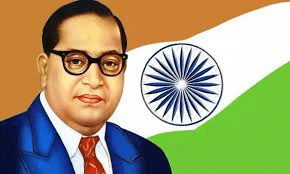 Dr B.R. Ambedkar
Q2: How did the freedom struggle influence the inclusion of Fundamental Rights in the Constitution?
Ans:
- The experience of colonial rule showed the need to protect citizens against arbitrary actions by the state, so the Constitution included Fundamental Rights to secure basic liberties.
- Leaders of the freedom movement such as Mahatma Gandhi and Jawaharlal Nehru emphasised civil liberties and social justice, which shaped the content and importance of these rights.
- As a result, the Constitution guarantees freedoms like equality before law, free speech, freedom of religion and protection from exploitation, making these rights enforceable in courts to protect citizens from injustice.
Q3: Why was it necessary to include the concept of "Separation of Powers" in the Constitution?
Ans:
- The separation of powers prevents concentration of authority in a single body and protects citizens from misuse of power.
- By dividing duties among the legislature, executive and judiciary, the Constitution creates a system of checks and balances where each branch can limit the others if needed.
- This arrangement helps maintain democratic rule, ensures accountability and allows each branch to function independently while respecting the overall constitutional framework.
Q4: Explain the significance of the Preamble and how it reflects the values of the Constitution.
Ans:
- The Preamble is the introductory statement that summarises the Constitution's core values and objectives.
- It sets out ideals such as justice, liberty, equality and fraternity, and declares India to be a sovereign, socialist, secular and democratic republic.
- The Preamble guides the interpretation of the Constitution by courts and lawmakers, helping to ensure that laws and policies follow these foundational values.
Q5: What role did the Constituent Assembly play in shaping the Indian Constitution?
Ans:
- The Constituent Assembly framed and adopted the Constitution after extensive debates, committee work and consultations with different groups.
- Its members discussed important matters such as the structure of government, fundamental rights, and the way to balance unity with regional diversity.
- The Assembly's collective decisions established the principles and institutions that guide India's democratic governance today.
Q6: How does the Indian Constitution ensure the protection of minority rights?
Ans:
- The Constitution protects minority rights through guarantees such as equality before the law and the freedom to practise and preserve religion and culture.
- It also provides specific safeguards for cultural and educational rights so that minorities can conserve their language, script and traditions.
- These provisions promote respect for diversity and aim to prevent discrimination against any group on grounds of religion, caste, language or culture.
Q7: What is the significance of the Directive Principles of State Policy (DPSP) in the Indian Constitution?
Ans:
- The DPSP (found in Part IV of the Constitution) gives the government broad policy goals for achieving social and economic welfare.
- Although not enforceable by courts, DPSPs guide the state in making laws and policies on matters like health, education, workers' rights and environmental protection.
- They reflect the Constitution's aim to create a fair society and to improve living conditions for all citizens, especially the disadvantaged.
Q8: How does the Constitution accommodate India's diversity in terms of religion, language, and culture?
Ans:
- The Constitution recognises and protects multiple religions, languages and cultures, allowing citizens the freedom to follow their beliefs and traditions.
- It promotes the idea of unity in diversity by guaranteeing equal rights while protecting cultural identities.
- The Constitution also provides for the recognition of regional languages (listed in the Eighth Schedule) and supports measures to preserve and promote cultural heritage across the country.
FAQs on Short & Long Answer Questions: The Constitution of India — An Introduction
| 1. What is the Constitution of India and why is it important? |  |
| 2. What are the key features of the Indian Constitution? | |
| 3. How does the Constitution of India protect the rights of citizens? | |
| 4. What is the process of amending the Constitution of India? | |
| 5. Why is the Preamble to the Constitution significant? | |