Worksheet: Geographical Diversity of India

Multiple Choice Questions (MCQs)
Q1: What is the meaning of the word 'Himalaya' in Sanskrit?
a) Frozen peaks
b) Land of snowstorms
c) Abode of snow
d) Cold mountains
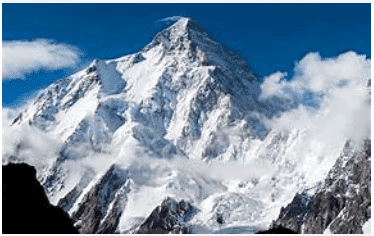 Himalayas
Q2: Which of the following is India's only active volcano?
a) Mount Abu
b) Barren Island
c) Kanchenjunga
d) Deomali
Q3: The Gangetic Plains are considered ideal for agriculture because of:
a) Rocky terrain
b) Mineral-rich soil from rivers
c) Frequent snowfall
d) Presence of deserts
Q4: Which desert festival is celebrated in the Thar region?
a) Diwali
b) Pushkar Mela
c) Losar
d) Pongal
Q5: Which river flows westward into the Arabian Sea instead of eastward into the Bay of Bengal?
a) Godavari
b) Krishna
c) Narmada
d) Kaveri
Q6: What kind of landform is the Peninsular Plateau?
a) Flat desert
b) High mountain
c) Elevated flat land with steep slopes
d) River valley
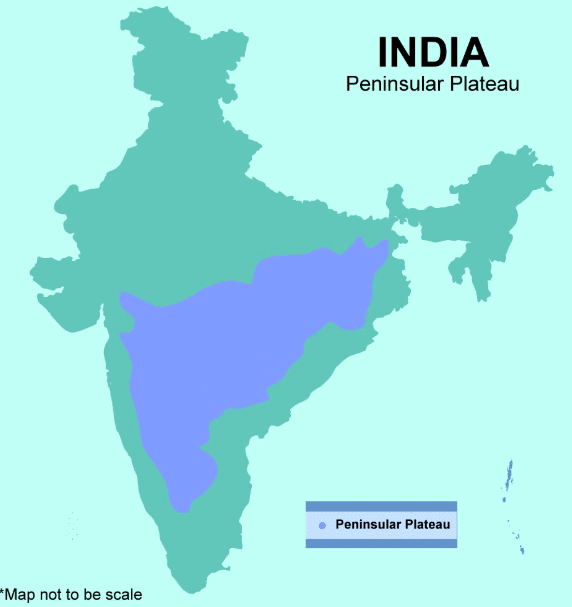 Peninsular Plateau
Q7: Which Indian region is called a cold desert?
a) Ladakh
b) Sundarbans
c) Sikkim
d) Arunachal Pradesh
Q8: Which Indian mountain range helps stop the spread of the Thar Desert?
a) Himalayas
b) Western Ghats
c) Vindhyas
d) Aravallis
Q9: Which plateau region is known for heavy rainfall and root bridges?
a) Deccan Plateau
b) Bundelkhand Plateau
c) Meghalaya Plateau
d) Malwa Plateau
Q10: Which animal is important for transport and daily life in Ladakh?
a) Tiger
b) Yak
c) Camel
d) Elephant
Fill in the Blanks
Q1: India is a part of the __________ Subcontinent.
Q2: The highest peaks of the Himalayas are located in the __________ Himalayas.
Q3: The outermost range of the Himalayas is called the __________ Hills.
Q4: The Thar Desert covers states like Rajasthan and __________.
Q5: Ladakh is also called the __________ desert of India.
Q6: __________ and Tapti are the two major west-flowing rivers of India.
Q7: The peacock, India's national bird, is found in the __________ Plains.
Q8: The Western Ghats are recognized as a __________ World Heritage Site.
Q9: The Sundarbans are known for their __________ forests.
Q10: An __________ is a group or chain of islands.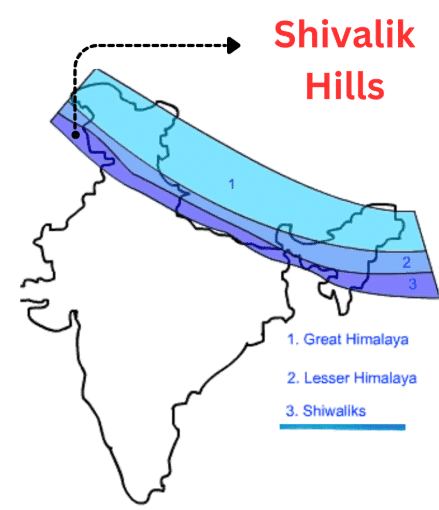
Very Short Answer Questions
Q1: What is the approximate length of the Himalayas?
Q2: Name the two island groups of India.
Q3: What is the cleanest village in Asia?
Q4: Which hill stations are found in the Himachal range?
Q5: Which mineral is extracted in Zawar mines of the Aravallis?
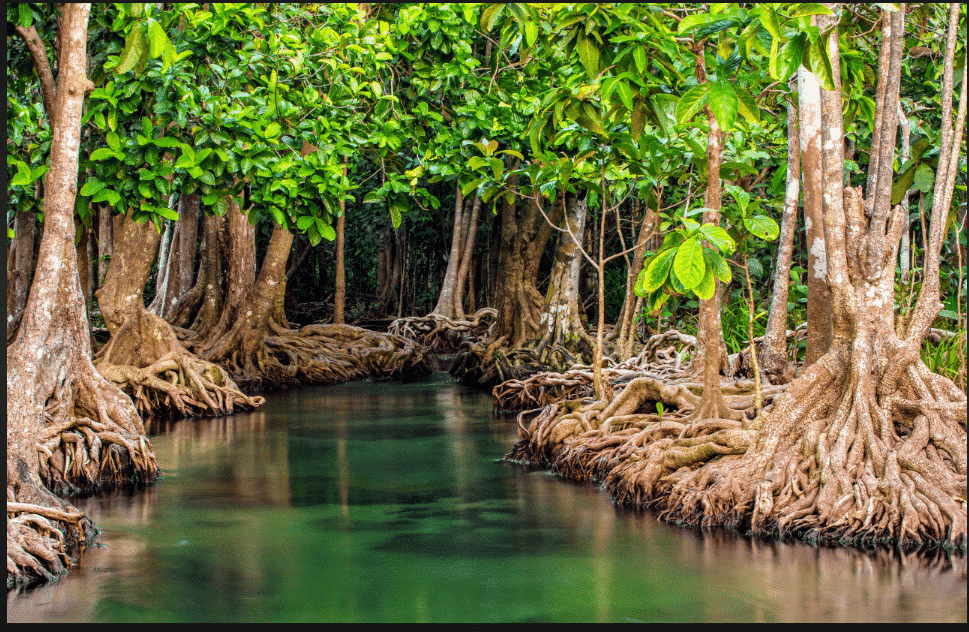 Sundarban
Short Answer Questions
Q1: Why are the Himalayas called the 'Water Tower of Asia'?
Q2: What are some adaptations seen in the Thar Desert region?
Q3: Describe two features of the Peninsular Plateau.
Q4: How are the islands of Andaman and Nicobar ecologically important?
Q5: What makes the Ganga and Brahmaputra rivers culturally special?
Match the Following
(Match Column A with the correct option in Column B)
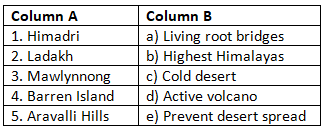
For Worksheet Solutions, go to Worksheet Solutions: Geographical Diversity of India
FAQs on Worksheet: Geographical Diversity of India
| 1. What are the different physical features that make up India's geographical diversity? |  |
| 2. How do monsoons affect different regions of India differently? | |
| 3. Why is India divided into different climate zones and what causes these variations? | |
| 4. What role do major river systems play in India's geographical and human landscape? | |
| 5. How do soil types vary across India and why are they important for agriculture? | |