HOTS Questions: From Barter to Money

Q1: How did the introduction of money solve the major problems faced in the barter system?
- The introduction of money solved many issues that arose in the barter system.
- The barter system required a double coincidence of wants, meaning two people had to have exactly what the other wanted, which was rare.
- Money eliminated this problem, as it is universally accepted for buying and selling. It also provided a common standard of value, making it easier to measure the worth of different goods.
- Moreover, money is divisible, portable, and durable, unlike commodities like cattle or crops, which were difficult to transport, divide, or store.
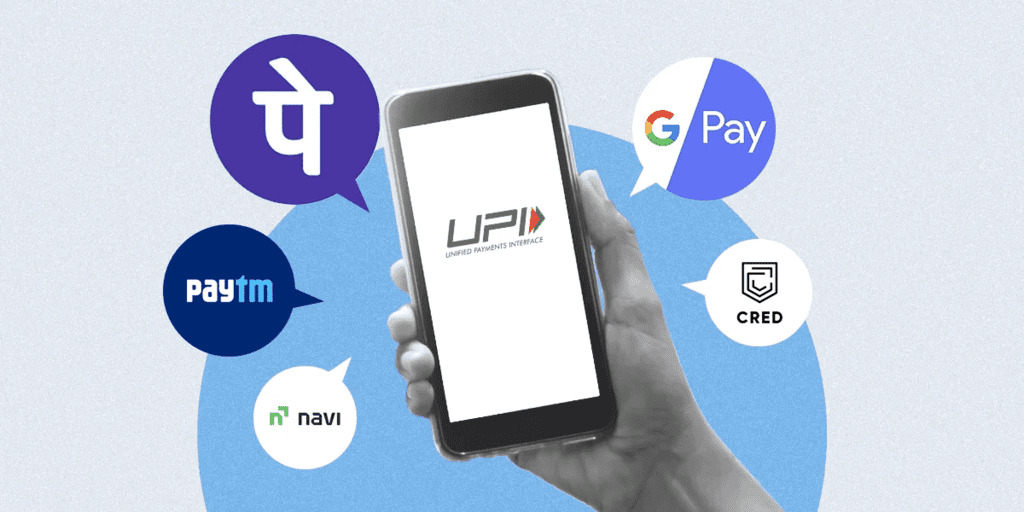 Digital Currency
Q2: Compare the use of coins and paper currency in the Indian monetary system. How do they serve different purposes in today's economy?
Coins and paper currency both play important roles in the Indian economy but serve different functions.
- Coins are typically used for smaller denominations, such as ₹1, ₹5, and ₹10, and are ideal for day-to-day transactions like buying snacks or paying for bus fares.
- Paper currency, on the other hand, is used for higher denominations like ₹100, ₹500, and ₹2000 and is more commonly used for significant purchases like paying bills or buying groceries.
- While coins are more durable for frequent handling, paper currency is more practical for larger sums of money, providing convenience for transactions of greater value.
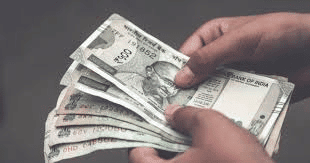 Paper Currency
Q3: How can the digitalization of money, like UPI and QR codes, change the way people conduct business and manage their finances?
The digitalization of money, through methods like UPI (Unified Payments Interface) and QR codes, has revolutionized the way people conduct business and manage finances.
- With digital payments, transactions can be completed quickly and securely, without the need for physical cash.
- This makes buying and selling goods easier for both businesses and consumers, especially in a fast-paced economy.
- It also promotes financial inclusion by allowing people in remote areas to access banking services.
- Furthermore, digital payments provide a traceable record of transactions, making it easier for individuals and businesses to manage their finances and track expenses.
Q4: If you were tasked with designing a new form of digital money, what features would you include to make it secure, accessible, and efficient for all users?
If I were tasked with designing a new form of digital money, I would focus on security, accessibility, and efficiency.
- For security, I would implement features like two-factor authentication, biometric verification (fingerprint or facial recognition), and encryption to protect users' data.
- For accessibility, the platform should be easy to use for both tech-savvy and less-experienced users, with a simple interface available in multiple languages.
- The system would be compatible with both smartphones and feature phones, ensuring that everyone has access.
- Lastly, for efficiency, I would ensure fast transaction processing times, minimal fees, and integration with various payment platforms for seamless transfers between users and businesses.
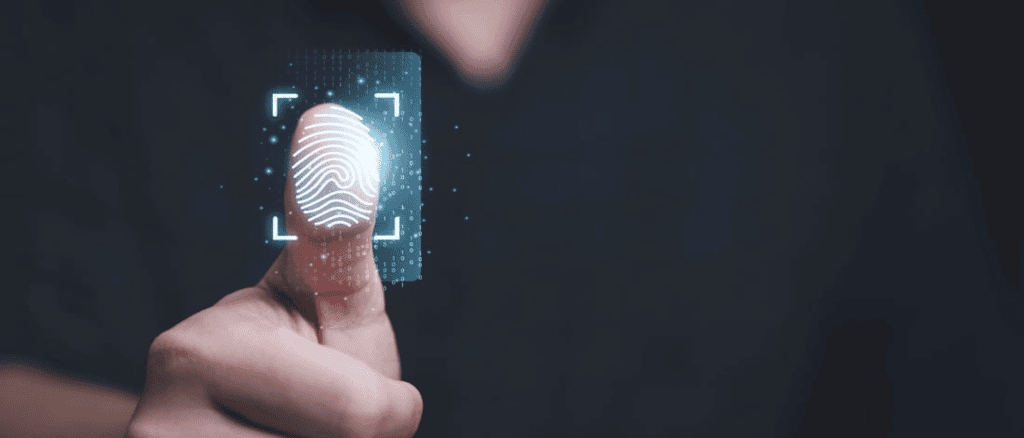 Biometric Verification
Q5: Justify why digital payments are considered a safer alternative to carrying physical money.
Digital payments are considered safer than carrying physical money for several reasons.
- First, digital transactions eliminate the risk of theft or loss, as there's no physical cash to be stolen.
- Secondly, digital platforms often come with encryption and fraud detection systems that protect users from unauthorized access and transactions.
- For example, a stolen debit card can be locked, and digital payments can be traced back to the user, ensuring accountability.
- Lastly, with the rise of mobile wallets and online banking, users can keep track of their spending, further reducing the likelihood of financial mismanagement or fraud.
Q6: What might be the consequences if the barter system were still in use today, instead of money?
If the barter system were still in use today, it would cause significant inefficiencies in global and local economies.
- The most significant issue would be the double coincidence of wants, where two parties must both have what the other needs, which is not always possible.
- This would slow down trade and complicate everyday transactions.
- Furthermore, without a common standard of value, determining the worth of goods or services would be challenging.
- It would also limit the ability to store value or save money for future use, causing disruptions in long-term planning and financial stability.
Q7: Design a marketing strategy for promoting the use of digital payments in rural areas. What steps would you take to ensure maximum adoption?
To promote the use of digital payments in rural areas, I would design a marketing strategy that focuses on awareness, education, and accessibility.
- First, I would launch awareness campaigns using local languages through TV, radio, and social media to explain the benefits of digital payments, such as convenience and security.
- Second, I would organize workshops and training sessions in rural communities, teaching people how to use mobile apps and digital wallets through hands-on demonstrations.
- Third, I would collaborate with local businesses and government bodies to provide incentives, such as discounts or cashbacks, for using digital payments.
- Finally, I would ensure that affordable smartphones and internet connectivity are available to rural populations, with customer support in local languages to help users troubleshoot issues.
FAQs on HOTS Questions: From Barter to Money
| 1. What is the concept of barter and how does it work? |  |
| 2. What are some limitations of the barter system? | |
| 3. How did money evolve from the barter system? | |
| 4. What are the different forms of money used today? | |
| 5. Why is money considered a better medium of exchange compared to barter? | |




