NCERT Solutions: Adolescence: A Stage of Growth and Change

Intext Question
Q1. Adolescents, especially girls, may sometimes suffer from blood-related health problems (s) because of a deficiency of iron or vitamin B12 in the body. (Page 80)
(i) Find out about such health problem(s).
(ii) How can we manage iron deficiency in our body?
(iii) Find out about government schemes aimed to prevent such deficiencies.
Ans:
(i) A common blood-related health problem caused by a deficiency of iron or vitamin B12 is anaemia. In anaemia, the amount of haemoglobin in the blood is lower than normal. Haemoglobin carries oxygen to different parts of the body, so when its level falls, organs and muscles get less oxygen and the person feels weak and tired. Typical symptoms include tiredness, weakness, dizziness, pale skin, breathlessness on exertion and, in cases of vitamin B12 deficiency, sometimes numbness or tingling in the hands and feet. Both iron deficiency and vitamin B12 deficiency are common causes of different types of anaemia.
(ii) Ways to manage and prevent iron deficiency:
- Eat iron-rich foods: green leafy vegetables (spinach, fenugreek), pulses (lentils, beans), meat (for non-vegetarians), eggs and iron-fortified cereals.
- Improve absorption: consume foods rich in vitamin C (citrus fruits, tomatoes) along with iron-rich meals to increase iron absorption.
- Avoid inhibitors at mealtimes: tea and coffee can reduce iron absorption, so avoid them with meals.
- Use iodised and fortified foods as recommended and cook in iron cookware when possible.
- Supplements: iron tablets or syrups should be taken only on a doctor's advice if diet alone is insufficient.
(iii) Government schemes and programmes to prevent and control anaemia (examples):
- Anaemia Mukt Bharat (AMB): A nationwide programme to screen, prevent and treat anaemia among children, adolescents, pregnant women and other groups. Activities include regular iron and folic acid supplementation, deworming, screening and awareness campaigns.
- National Iron Plus Initiative (NIPI): An earlier initiative that focused on targeted iron and folic acid supplementation for different age groups to reduce iron deficiency anaemia.
- Mid-Day Meal Scheme: School meals provide additional nutrients, including iron, to many children and adolescents and support better nutrition and health.
Q2. Discuss the sources of vitamin B12 with your teacher. (Page 80)
Ans: Vitamin B12 is mainly present in animal-based foods such as milk, curd, cheese, eggs, fish, poultry and meat. It is important for the formation of red blood cells and for keeping the nervous system healthy. For strict vegetarians, vitamin B12 can be obtained from fortified foods (for example some fortified cereals, fortified plant milks) or by taking supplements after consulting a doctor.
Let Us Enhance Our Learning
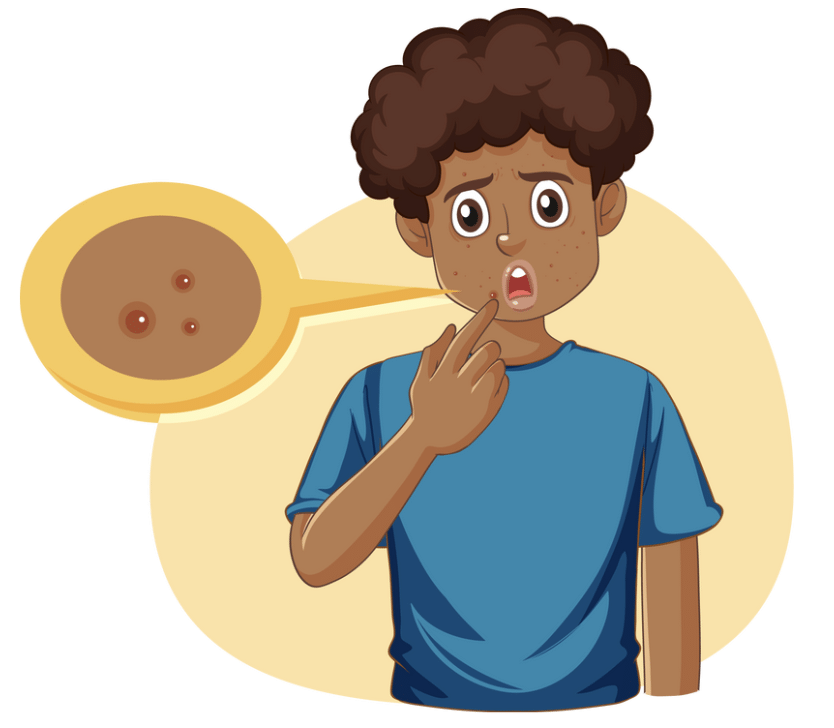
Q1. Ramesh, an 11-year-old boy, developed a few pimples on his face. His mother told him that this is because of ongoing biological changes in his body.
(i) What could be the possible reasons for the development of these pimples on his face?
Ans: The pimples Ramesh has are most likely caused by hormonal changes that happen at the start of adolescence. These changes can:
- Increase production of skin oil (sebum), which may clog hair follicles.
- Cause dead skin cells and oil to build up in pores, creating a place for bacteria to grow and form pimples.
- Be made worse by factors such as stress, certain foods, or using very oily skin products.
(ii) What can he do to get some relief from these pimples?
Ans: Practical steps Ramesh can follow to reduce pimples:
- Gentle face hygiene: Wash the face twice daily with lukewarm water and a mild, non-alkaline cleanser. Do not scrub hard or over-wash, as that can irritate skin.
- Avoid touching or picking: Do not squeeze or pick at pimples, because this spreads bacteria and can leave scars.
- Choose non-comedogenic products: Use oil-free moisturisers and sunscreens so that pores are less likely to get blocked.
- Healthy diet and hydration: Eat a balanced diet with fruits and vegetables and drink enough water. Limit frequent intake of very oily or sugary foods.
- Sleep and manage stress: Adequate sleep and simple stress-relief activities such as play and exercise help skin health.
- See a doctor if needed: If acne gets worse, is painful, or does not improve in a few weeks, consult a dermatologist for suitable medicines or creams.
Q2. Which of the following food groups would be a better option for adolescents and why?
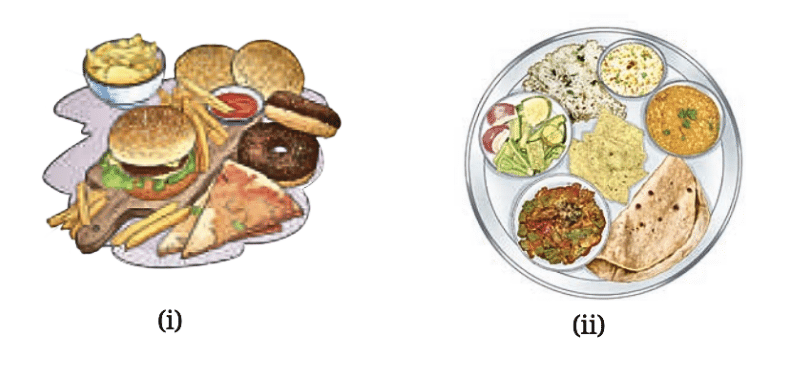
Ans: (ii)
Explanation: Option (ii) is better because it gives a balanced mix of nutrients. It includes vegetables, pulses (dal), rice and roti. This combination provides carbohydrates for energy, proteins for growth and repair, and vitamins and minerals for overall health during adolescence. Option (i) mainly contains fried and junk foods that are high in unhealthy fats and sugars; these do not support proper growth and health when eaten frequently.
Q3. Unscramble the underlined word in the following sentences:
(i) The discharge of blood in adolescent girls which generally occurs every 28-30 days is nstmnoiaretu.
Ans: Menstruation
(ii) The hoarseness in the voice of adolescent boys is due to enlarged iceov xob.
Ans: Voice box
(iii) Secondary sexual characteristics are natural signs that the body is preparing for adulthood and mark the onset of urtypeb.
Ans: Puberty
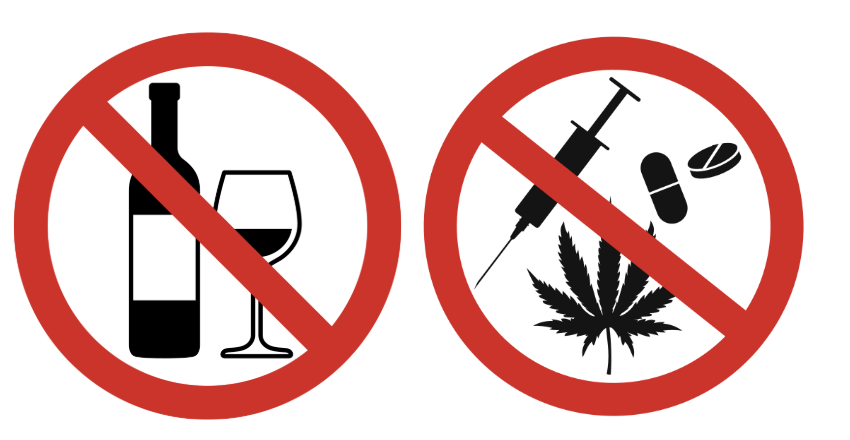
(iv) We should say NO to lahoclo and srugd as they are addictive.
Ans: Alcohol and drugs
Q4. Shalu told her friend, "Adolescence brings only physical changes, like growing taller or developing body hair." Is she correct? What would you change in this description of adolescence?
Ans: Shalu's statement is not entirely correct. Adolescence brings changes in several areas:
- Physical changes: Growth in height, development of body hair, changes in body shape, development of breasts in girls and voice change in boys.
- Emotional and psychological changes: Mood swings, increased sensitivity, stronger feelings and changing interests.
- Social changes: Greater importance of friendships, exploring identity and seeking more independence from parents.
Therefore, it is better to describe adolescence as a time of physical, emotional and social changes together, not only physical ones.
Q5. During a discussion in the class, some of the students raised the following points. What questions would you ask them to check the correctness of these points?
(i) Adolescents do not need to worry about behavioural changes.
Ans: Follow-up questions to check this point:
- Why do you think behavioural changes do not matter during adolescence?
- How might behavioural changes affect relationships with family and friends or school performance?
- What would be the benefit of recognising and understanding these changes early?

(ii) If someone tries a harmful substance once, they can stop anytime they want.
Ans: Follow-up questions to check this point:
- What is peer pressure and how can it influence someone to try harmful substances?
- How do certain substances cause dependence or addiction, making it difficult to stop?
- Are there immediate or long-term health risks even after trying a harmful substance once?
- What support and strategies would help someone avoid or stop using harmful substances?
Q6. Adolescents sometimes experience mood swings. On some days, they feel very energetic and happy, while on other days, they may feel low. What other behavioural changes are associated with this age?
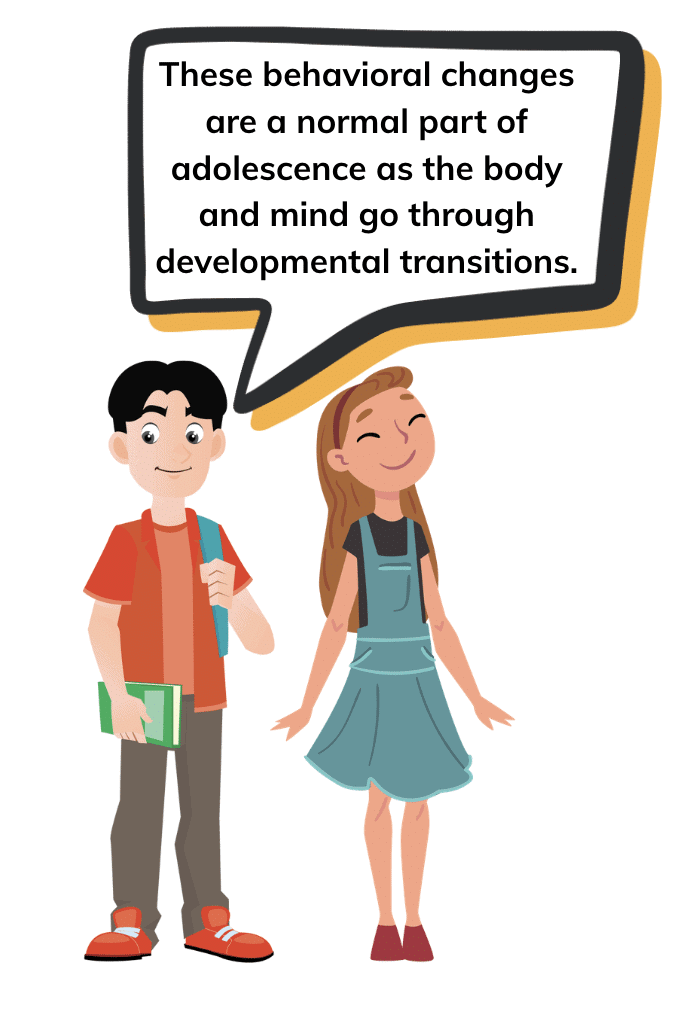
Ans: Common behavioural changes during adolescence include:
- Seeking independence: Wanting to make more decisions and have greater freedom from parents.
- Mood swings and sensitivity: Rapid changes in emotions and stronger reactions to everyday events.
- Peer influence: Giving more importance to friends and their opinions, which can affect choices.
- Exploring identity: Trying new hobbies, clothing styles or beliefs to find out who they are.
- Risk-taking behaviour: Experimenting or testing limits; this can be positive (learning new sports) or negative (unsafe actions).
- Changing interests: Developing new likes and dropping earlier ones as tastes change.
These are normal parts of growing up; guidance from parents and teachers helps adolescents handle them well.
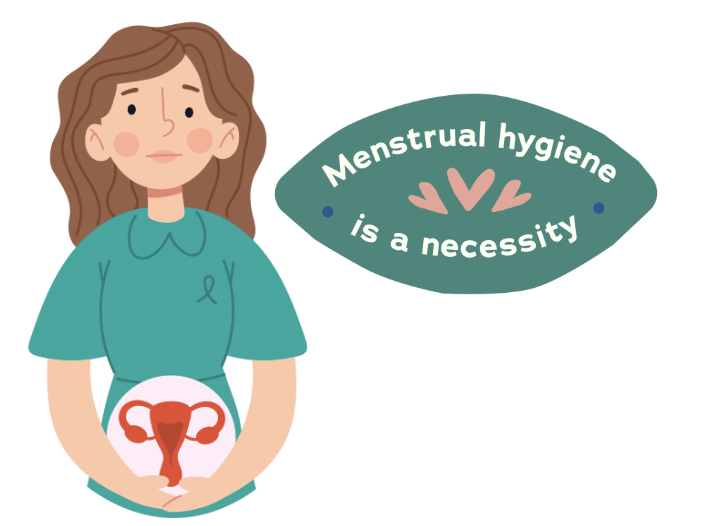
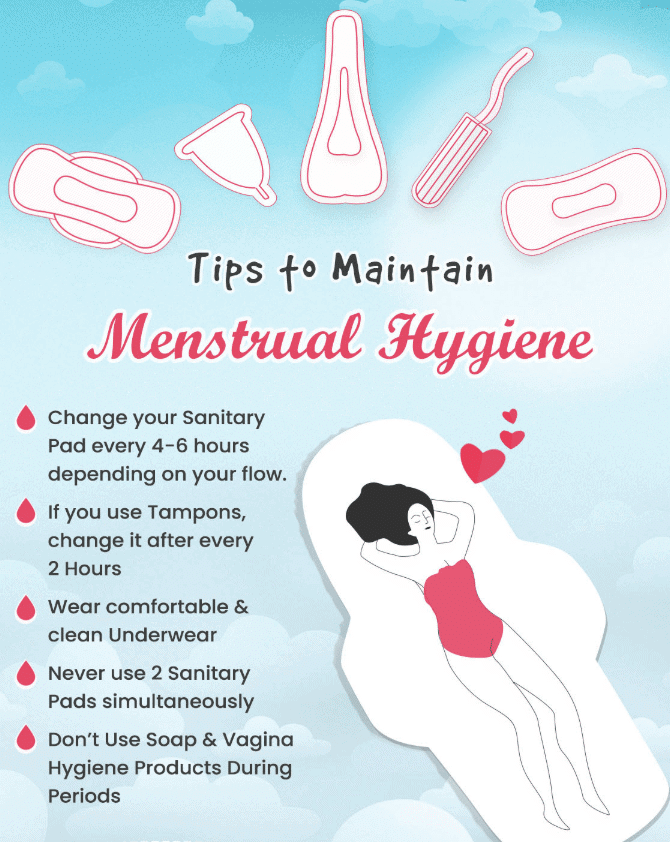
Q7. While using a toilet, Mohini noticed that used sanitary pads were scattered near the bin. She got upset and shared her feelings with her friends. They discussed the importance of menstrual hygiene and healthy sanitary habits. What menstrual hygiene and sanitary habits would you suggest to your friends?
Ans: Important menstrual hygiene habits to suggest:
- Use suitable sanitary products: Choose pads, tampons or menstrual cups according to comfort and need.
- Change regularly: Change pads or tampons every 4-6 hours to reduce odour and risk of infection.
- Wash hands: Always wash hands before and after changing sanitary products.
- Clean the genital area: Wash with plain water or mild soap; avoid strong perfumes or harsh chemicals.
- Proper disposal: Wrap used pads in paper and put them in a bin; do not flush them down the toilet.
- Ensure privacy and facilities: Schools and public toilets should have bins, water and a private place for changing.
- Consider the environment: Use biodegradable pads or safe reusable options if suitable and hygienic.
- Speak up and support: Reduce stigma by discussing menstruation openly and helping others maintain hygiene.
Following these practices keeps individuals healthy and helps maintain clean shared spaces.
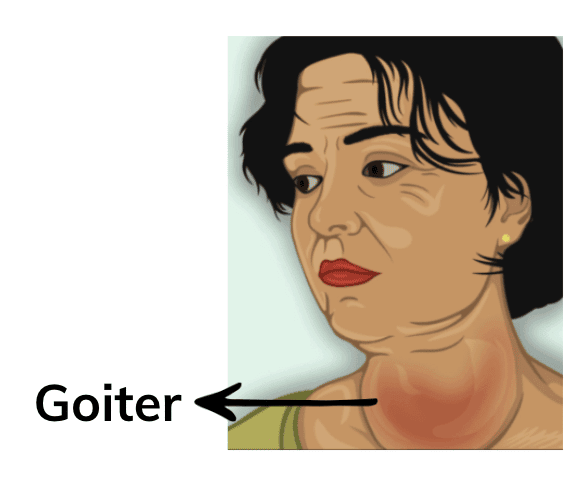
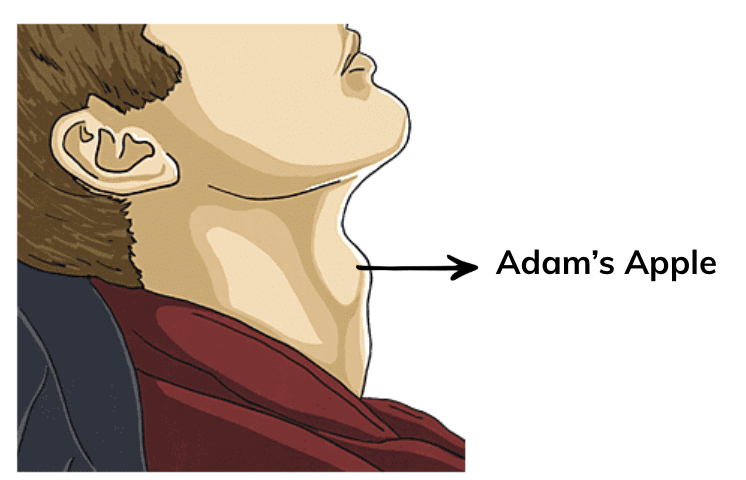
Q8. Mary and Manoj were classmates and good friends. On turning 11, Mary developed a little bulge on the front of her neck. She visited the doctor who gave her medication and asked to take an iodine-rich diet. Similarly, a bump was developed on the front of Manoj's neck when he turned 12. However, the doctor told him that it was a part of growing up. According to you, what could be the possible reason for advising Mary and Manoj differently?
Ans: Mary
Mary's doctor suspected that her neck bulge was due to iodine deficiency, which can cause the thyroid gland to enlarge (a condition called goitre). The doctor advised an iodine-rich diet or supplements because iodine is needed to make thyroid hormones. Prevention includes using iodised salt and eating iodine-containing foods as advised by health workers.
Manoj
Manoj's bump was likely the Adam's apple - the laryngeal prominence that appears as the voice box grows during puberty. This is a normal change in many boys and part of healthy development; no medical treatment is needed.
Conclusion:
- Mary: Neck swelling due to iodine deficiency (goitre); needs medical care and iodine in diet or supplements as advised.
- Manoj: Normal pubertal growth of the voice box (Adam's apple); no medical treatment required.
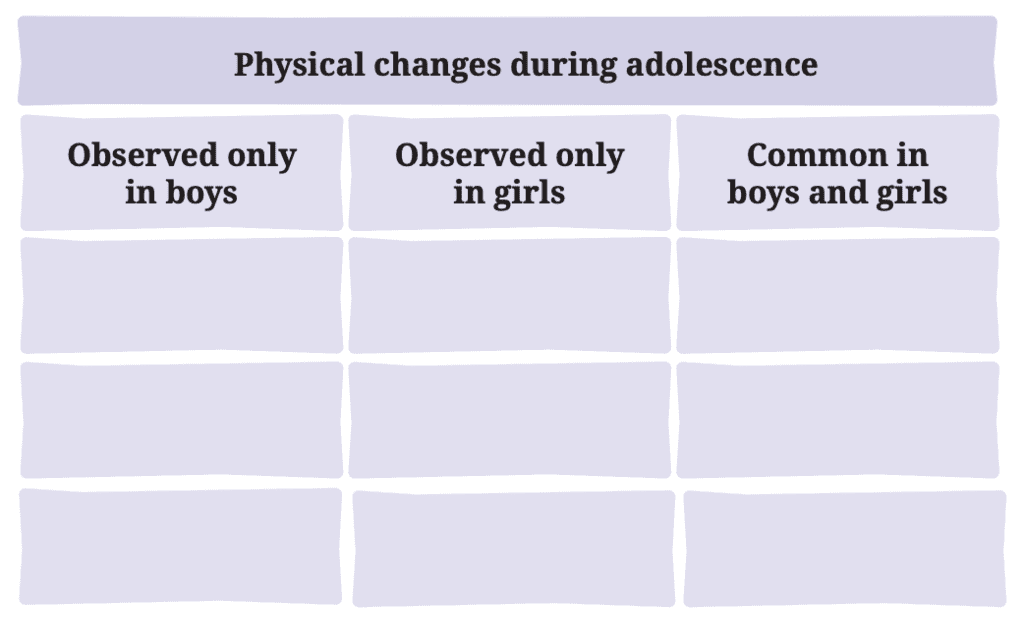
Q9. During adolescence, the boys and girls undergo certain physical changes, a few of which are given below.
(i) Change in voice
(ii) Development of breasts
(iii) Growth of moustache
(iv) Growth of facial hair
(v) Pimples on the face
(vi) Growth of hair in the pubic region
(vii) Growth of hair in armpits
Categorise these changes in the table given below:
Ans:
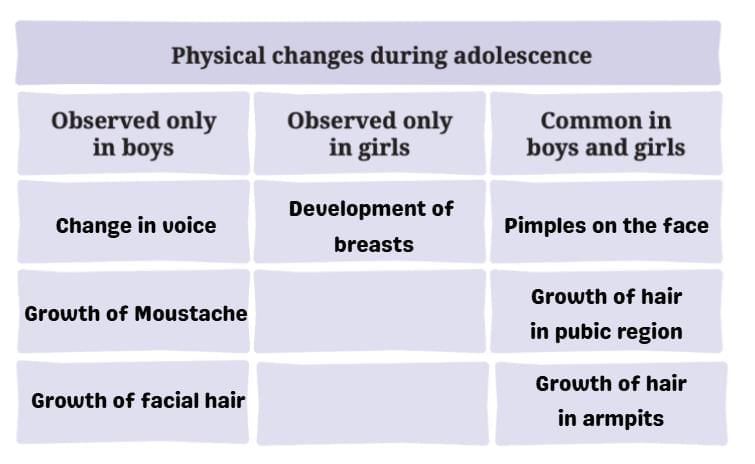
Textual categorisation for clarity:
- Changes Commonly Seen In Boys: Change in voice, growth of moustache, growth of facial hair.
- Changes Commonly Seen In Girls: Development of breasts.
- Changes Seen In Both Boys And Girls: Pimples on the face, growth of hair in the pubic region, growth of hair in armpits.
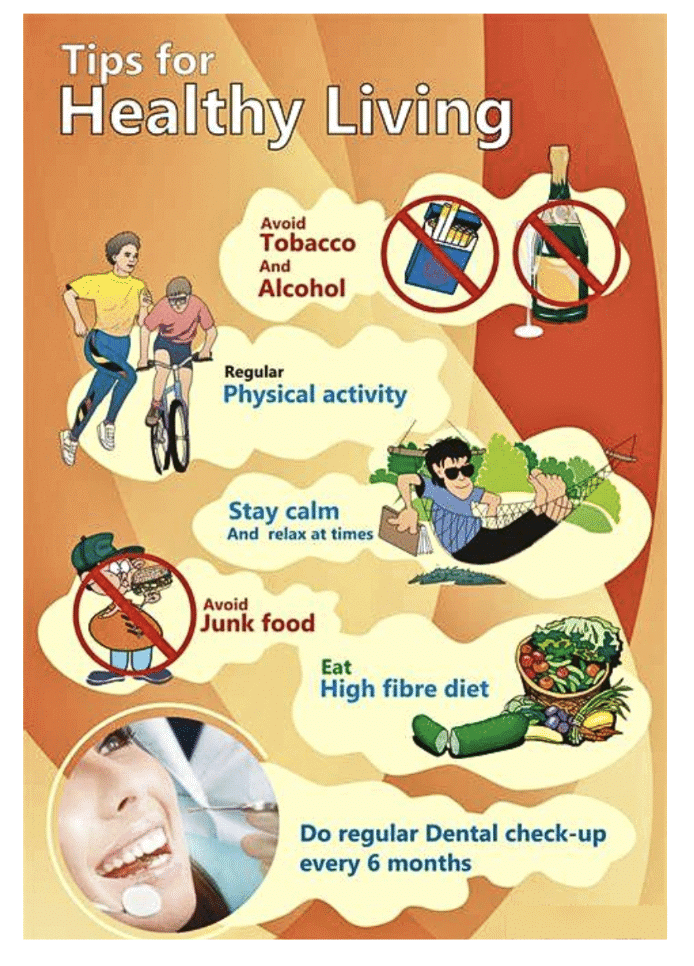
Q10. Prepare a poster mentioning the tips for adolescents to live a healthy lifestyle.
Ans:
- Eat a balanced diet: Include vegetables, fruits, whole grains, proteins and dairy or suitable alternatives.
- Stay active: Do daily physical activity such as walking, running, sports or yoga.
- Sleep well: Aim for adequate sleep every night to support growth and mood.
- Maintain personal hygiene: Regular bathing, oral care and menstrual hygiene for girls.
- Drink water: Keep hydrated throughout the day.
- Avoid harmful substances: Say no to tobacco, alcohol and drugs.
- Manage stress: Talk to parents or teachers, practise hobbies and relaxation techniques.
- Regular check-ups: Visit a healthcare provider for vaccination checks and general health advice.
- Respect and support: Encourage friends and classmates to make healthy choices and seek help when needed.
FAQs on NCERT Solutions: Adolescence: A Stage of Growth and Change
| 1. What are the main physical changes that happen during adolescence? |  |
| 2. How do hormones affect mood and behaviour during teenage years? | |
| 3. What's the difference between puberty and adolescence in Class 7 Science? | |
| 4. Why do adolescents need more nutrition and sleep than children? | |
| 5. What mental and emotional changes happen as you grow through your teenage years? | |