Worksheet: Exploring Our Neighbourhood


Multiple Choice Questions (MCQs)
Q1: What did Navya suggest to her grandfather while walking back home?
(a) Take the short route
(b) Take the market route
(c) Go to the library
(d) Take the school route
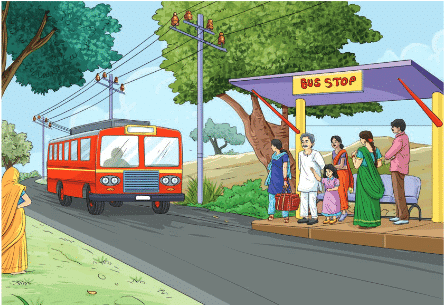 Bus Stop
Q2: What did Navya notice while traveling by bus?
(a) A red postbox
(b) A grocery shop
(c) A restaurant
(d) A hospital
Q3: How did people communicate in the past before mobile phones?
(a) By telegram
(b) By using phones
(c) By writing letters
(d) By social media
 Writing Letters
Q4: What did Dada ji miss about the past?
(a) Writing and receiving letters
(b) Watching television
(c) Using mobile phones
(d) Traveling by train
Q5: What is a "Flyover" used for?
(a) To make a road wider
(b) To help vehicles travel above busy roads
(c) To allow people to walk
(d) To build homes
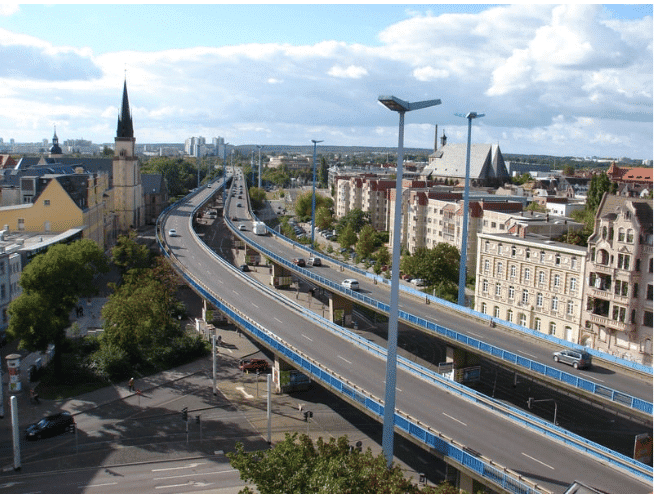 Flyovers
Fill in the Blanks
Q1: An ________ is a machine that allows people to withdraw money from their bank account at any time.
Q2: A ________ is a box where people drop letters to send them to different places.
Q3: Flyovers help vehicles go over ________ areas to save time.
Q4: ________ is a service that allows you to send money through the post office.
Q5: Navya used the rising ________ to figure out the directions for her neighborhood drawing.
True or False
Q1. The metro trains are slower than regular trains.
Q2. People in the past communicated using mobile phones.
Q3. Dada ji and Navya used a money order to send money online.
Q4. A hospital is a place where people go for medical treatment.
Q.5 The ATM helps people deposit money into their bank accounts.
Short Question Answers
Q1: Why were many people going to the hospital near the bus stop?
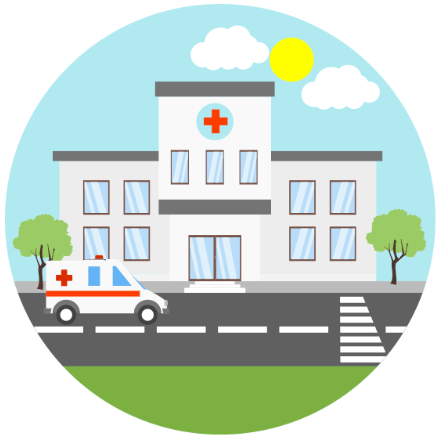 Hospital
Q2: How does Dada ji explain the use of flyovers?
Q3: What is an ATM and why is it important?
Q4: What did Navya learn about communication methods from Dada ji?
Q5: What did Navya observe about the neighborhood around her home?
Vocabulary Activity - "Guess the Word"
Q1: A machine that allows you to withdraw money from your bank account at any time.
Q2: A place where you drop letters to send them to different places.
Q3: An elevated road or bridge that helps vehicles move over busy areas.
Q4: A service that allows you to send money through the post office.
Q5: The act of sharing information with others, such as talking or writing.
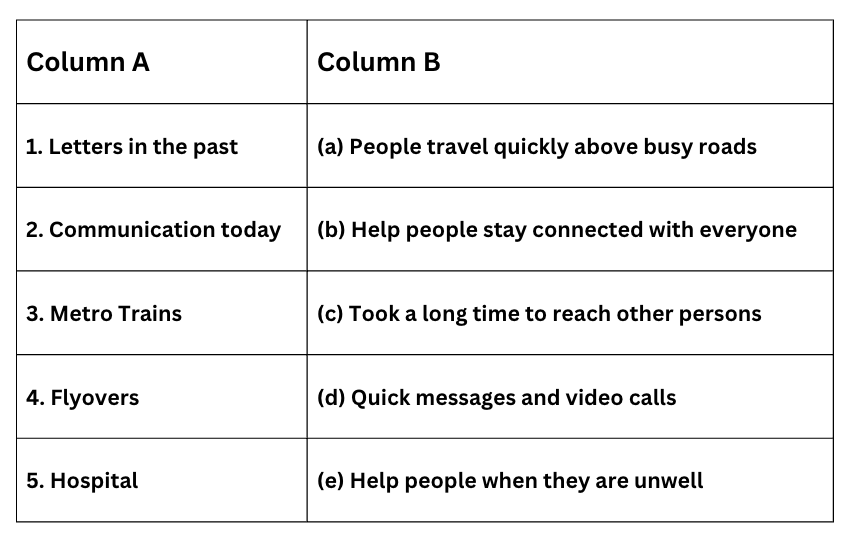
Match the Following
FAQs on Worksheet: Exploring Our Neighbourhood
| 1. What are the different types of places we can find in our neighbourhood? |  |
| 2. How do I observe and identify community helpers while exploring my neighbourhood? | |
| 3. What should I look for when mapping out the streets and buildings in my neighbourhood? | |
| 4. Why is it important to understand the resources and facilities available in our neighbourhood? | |
| 5. How can I document my neighbourhood exploration activities effectively? | |