CBSE Class 4  >  Class 4 Notes  >  EVS (Our Wondrous World: New NCERT)  >  Worksheet: Nature Trail

Worksheet: Nature Trail

Multiple Choice Questions (MCQs)

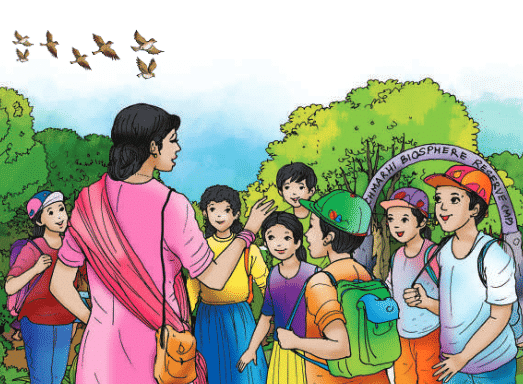
Q1: Who guides the students during their nature walk in Pachmarhi?
(a) The teacher
(b) Abha, a nature scientist
(c) Sarthak
(d) Arya
Multiple Choice Questions (MCQs)

Q2: What is the name of the state animal of Tripura?
(a) Spectacled Monkey
(b) Indian Giant Squirrel
(c) Gharial
(d) Sunbird

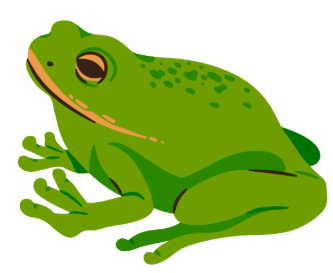
Q3: What helps frogs live both on land and in water?
(a) Webbed feet
(b) Sharp claws
(c) Strong shells
(d) Long tails

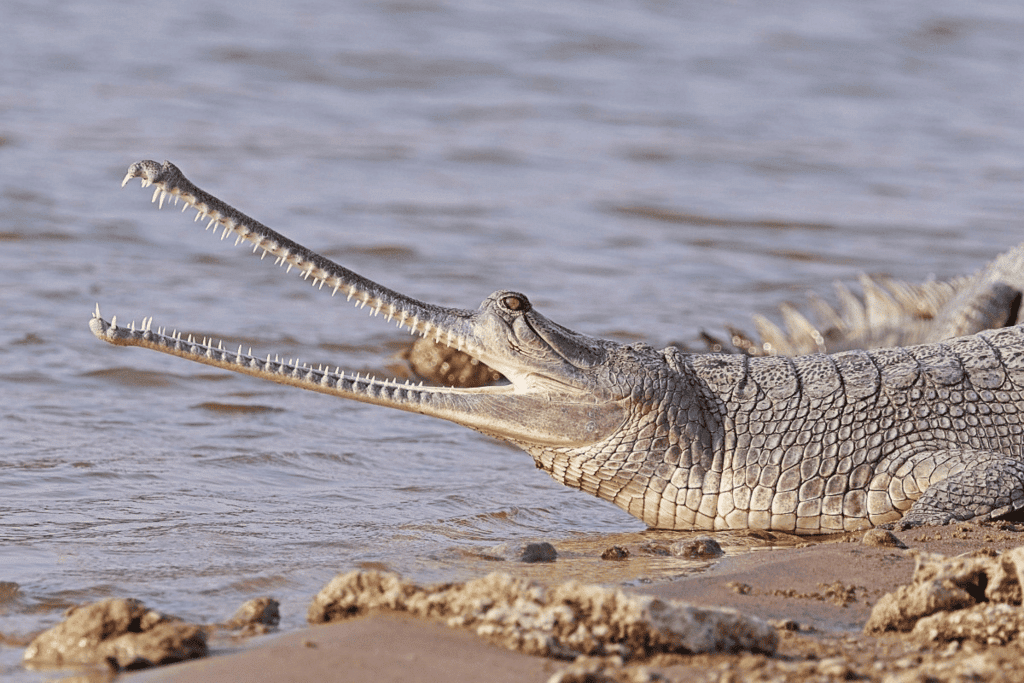
Q4: What feature helps the gharial catch fish?
(a) A long, narrow, and pointed snout
(b) Webbed feet
(c) Strong claws
(d) A smooth shell
Multiple Choice Questions (MCQs)Gharial

Q5: Which of the following insects has antennae to sense its surroundings?
(a) Butterfly
(b) Grasshopper
(c) Spider
(d) Beetle

Fill in the Blanks

Q1: The ________ has a large, red-coloured body and is found in Pachmarhi.

Q2. A ________ has a headgear growing out of its forehead, making it look like it is wearing a horn

Q3. The ________ is a tree with hanging roots that touch the ground.

Q4. The ________ has three pairs of legs and one pair of antennae.

Q5. ________ are the lines on a leaf that help in carrying water and nutrients.

Fill in the BlanksVeins of Leaf

True or False

Q1. Insects, like grasshoppers, have two pairs of wings.

Q2. All animals in the forest live in harmony and do not depend on each other.

Q3. Birds like owls have sharp eyesight to help them see in the dark.

Q4. A Hornbill's beak helps it drink nectar from flowers.

Q5. Frogs can live only in water and cannot survive on land.
True or FalseFrog

Short Question Answers

Q1: What are some of the safety rules to follow while visiting the forest?

Q2: What did the students observe about the birds during the nature walk?

Q3: What is the purpose of the 'Web of Life' game?

Q4: How do fish, gharials, and turtles adapt to their environments?

Q5: How does the 'Leaf Autograph' activity help students?

Vocabulary Activity - "Guess the Word"

Q1: A person who studies plants and animals.

Q2: The short, high sounds made by birds.

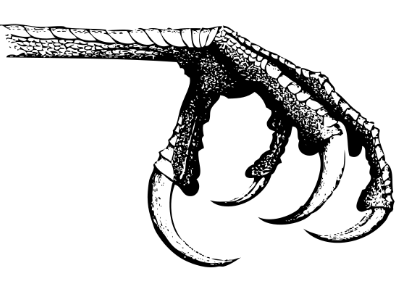
Q3: The sharp, curved nails on a bird's or animal's feet.
Vocabulary Activity - `Guess the Word`Claws of Bird

Q4: The hard, pointed structure of a bird's mouth used for feeding.

Q5: The marks left by an animal's feet on the ground.

Match the Following

Column AColumn B
1. Hornbill(a) Red and large squirrel found in Pachmarhi
2. Indian Giant Squirrel(b) Helps birds drink nectar from flowers
3. Gharial(c) Has a long, narrow snout to catch fish
4. Grasshopper(d) Has three pairs of legs and one pair of antennae
5. Sunbird(e) Has a long beak for feeding on nectar
The document Worksheet: Nature Trail is a part of the Class 4 Course EVS for Class 4 (Our Wondrous World: New NCERT).
All you need of Class 4 at this link: Class 4

FAQs on Worksheet: Nature Trail

1. What are the main things I should observe during a nature trail activity for Class 4 EVS?
Ans. A nature trail requires students to carefully observe plants, animals, insects, soil types, water bodies, and weather conditions in their natural surroundings. Observing these elements helps develop environmental awareness and teaches how different organisms depend on each other. Students should note colours, shapes, sounds, and textures they encounter. Taking observations outdoors builds practical understanding of ecosystems and biodiversity that textbook learning alone cannot provide.
2. How do I identify different types of plants and trees on a nature walk?
Ans. Plants can be identified by examining their leaf shape, bark texture, flower colour, and height. Students should look for distinct features like needle-like leaves in conifers versus broad leaves in deciduous trees. Drawing sketches and noting these characteristics helps cement identification skills. Teachers often guide students to spot common trees like neem, banyan, and mango. Creating field notes with descriptions strengthens observation abilities during outdoor nature trails.
3. What insects and small animals might I find during a nature trail, and what do they do?
Ans. Nature trails typically reveal ants, beetles, butterflies, spiders, earthworms, and grasshoppers. Each organism plays a role: earthworms aerate soil, bees pollinate flowers, and insects decompose organic matter. Students should observe insect habitats like leaf litter and under rocks without harming them. Understanding these creatures' roles develops respect for biodiversity. Recording where insects live and what they eat teaches food chains and environmental interdependence essential for CBSE Class 4 EVS learning.
4. Why is a nature trail important for learning about the environment in Class 4?
Ans. Nature trails transform environmental science from theoretical study into hands-on exploration. Direct observation develops critical thinking and scientific curiosity that worksheets cannot replicate. Students experience real ecosystems, understand seasonal changes, and see how organisms interact. This experiential learning strengthens retention and builds genuine environmental consciousness. Nature-based activities for Class 4 EVS make complex ecological concepts tangible and memorable through sensory engagement.
5. What should I record in my nature trail observations to complete the worksheet properly?
Ans. Effective nature trail worksheets require students to record location details, weather conditions, plants spotted with descriptions, animals observed, and soil characteristics. Sketches of flowers, leaves, or insects enhance documentation. Students should note what they heard, smelled, and felt. Recording findings systematically helps organize field data and develops scientific observation habits. Detailed worksheets demonstrate understanding of biodiversity and natural surroundings covered in CBSE environmental studies curriculum.
Explore Courses for Class 4 exam
Get EduRev Notes directly in your Google search
Related Searches
study material, Sample Paper, MCQs, Objective type Questions, Semester Notes, shortcuts and tricks, pdf , Worksheet: Nature Trail, mock tests for examination, Worksheet: Nature Trail, practice quizzes, Viva Questions, ppt, Previous Year Questions with Solutions, video lectures, Worksheet: Nature Trail, Summary, Extra Questions, Free, Important questions, Exam, past year papers;