Environment and Ecology - 2


Ocean Acidification and Planetary Boundaries
 Why in News?
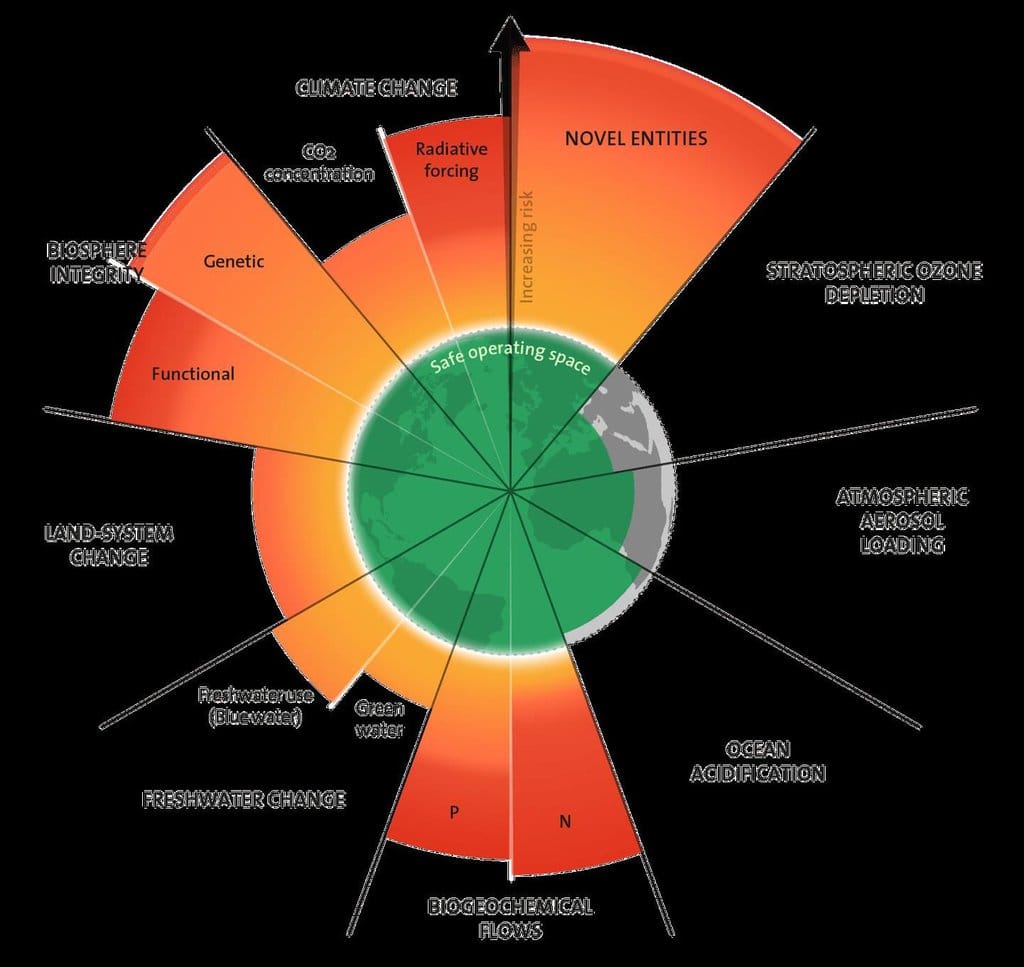
The world's oceans are approaching critical levels of acidity, posing a significant threat to marine life and their crucial role in climate stabilization. This alarming trend is highlighted in a new report from the Potsdam Institute for Climate Impact Research (PIK).
Key Takeaways
- Six out of nine planetary boundaries have already been exceeded, including climate change and biodiversity loss.
- Ocean acidification is projected to become the seventh breached boundary due to rising CO2 emissions.
- All nine boundaries are interconnected, meaning issues in one area can exacerbate problems in others.
Additional Details
- Planetary Boundary Framework:Proposed in 2009 by Johan Rockström and 28 scientists, this framework outlines safe operating spaces for humanity that align with the planet's capacity to support life. The boundaries include:
- Climate change
- Biodiversity loss
- Ocean acidification
- Land-system change (deforestation)
- Freshwater use
- Biogeochemical flows (nitrogen and phosphorus cycles)
- Atmospheric aerosol loading (air pollution)
- Stratospheric ozone depletion
- Chemical pollution (novel entities)
- Ocean Acidification: This phenomenon refers to the reduction in ocean pH primarily caused by the absorption of carbon dioxide (CO2) from the atmosphere, leading to harmful effects on marine ecosystems.
- CO2 Absorption: The ocean absorbs about 30% of atmospheric CO2, which both mitigates global warming and causes acidification.
- Process of Ocean Acidification: When CO2 is absorbed, it reacts with seawater to form carbonic acid (H2CO3), resulting in increased hydrogen ions (H+) and decreased carbonate ions, essential for marine life.
This report underscores the urgent need for action to address ocean acidification and its cascading effects on marine ecosystems and global climate stability.

Plastic Waste Crisis in the Himalayan Region
 Why in News?
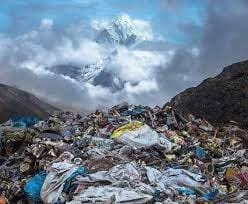
The Himalayan region, renowned for its unspoiled environment, is confronting a severe plastic waste crisis. Since 2018, the movement known as "The Himalayan Cleanup (THC)" has united volunteers annually to remove waste and audit the collected materials to identify their sources. A vital component of addressing this crisis is the implementation of Extended Producer Responsibility (EPR), which holds manufacturers accountable for the lifecycle of their products, encouraging them to reduce waste and adopt sustainable practices to aid local cleanup initiatives.
Key Takeaways
- The Himalayan region faces increasing plastic waste, particularly in tourist areas.
- Extended Producer Responsibility (EPR) is essential for managing plastic waste effectively.
Additional Details
- Waste Generation: Solid waste generation in the Himalayas fluctuates due to urbanization, tourism, and household income levels. While a significant amount of waste is biodegradable, plastic waste is particularly prevalent in tourist hotspots.
- Plastic Waste: Plastic pollution has reached even the most remote mountain areas, with inadequate systems for recycling or disposal. Only about 25% of collected plastic waste is recyclable materials (like PET and HDPE), while the remaining 75% is non-recyclable.
- Environmental Consequences: Poor plastic waste management leads to environmental degradation, impacting air and soil quality, and threatening local biodiversity.
- Public Health Risks: Pollution from mixed waste in landfills poses health threats to local communities and disrupts ecosystems.
In summary, the plastic waste crisis in the Himalayan region reflects broader challenges faced by fragile ecosystems, highlighting the need for effective waste management practices and community engagement.
Integrated Development of Wildlife Habitat Scheme
Why in News?
Recently, the union cabinet approved the continuation of the Integrated Development of Wildlife Habitats for the 15th Finance Commission cycle, emphasizing the importance of wildlife conservation in India.
Key Takeaways
- The scheme is a Centrally Sponsored Scheme launched by the Union Ministry of Environment, Forest and Climate Change.
- This initiative builds upon the previous scheme, 'Assistance for the Development of National Parks and Sanctuaries,' enhanced during the 11th Plan Period.
- It aims to boost technological interventions in various thematic areas over the current and next financial year, particularly focusing on tiger and other wildlife habitats.
- A total of 55 tiger reserves, 33 elephant reserves, and 718 protected areas will benefit from this scheme.
Additional Details
- Components of the Scheme: The scheme includes support for Protected Areas like National Parks and Wildlife Sanctuaries, wildlife protection outside these areas, and recovery programs for critically endangered species.
- Project Tiger: Focuses on maintaining a viable population of the Bengal tiger, which is classified as 'endangered', and aims to protect it from extinction. This project also supports the ambitious Project Cheetah.
- Project Elephant: Launched in February 1992, this initiative aims to conserve elephant populations and their habitats, mitigate human-elephant conflicts, and enhance the welfare of captive elephants.
- Development of Wildlife Habitat: This includes initiatives like Project Dolphin and Project Lion, which are designed to enhance wildlife habitats further.
In conclusion, the Integrated Development of Wildlife Habitat Scheme represents a significant step in enhancing wildlife conservation efforts in India, ensuring the protection of endangered species and their habitats while promoting technological advancements in wildlife management.

Methane Emissions and Global Warming
Why in News?
Methane (CH4) emissions are rapidly increasing, posing a significant threat to the climate targets established by the Paris Agreement. Historically, carbon dioxide (CO2) has been the primary focus of climate discussions; however, methane, a much more potent greenhouse gas (GHG), is now receiving increased attention. Tackling methane's contribution to global warming presents an opportunity for swift climate action.
Key Takeaways
- Methane is about 80 times more effective than CO2 in terms of its greenhouse effect and has been responsible for approximately 30% of global warming since the industrial revolution.
- Reducing methane emissions by 45% by 2030 is crucial for achieving the Paris Agreement goal of limiting global warming to 1.5°C.
- Controlling methane emissions also improves air quality, as it contributes to harmful ground-level ozone formation.
Additional Details
- Climate Impact: Methane remains in the atmosphere for only about 7 to 12 years, meaning that reducing its emissions can lead to significant short-term climate benefits.
- Emission Sources: Major sectors contributing to methane emissions include energy (oil, gas, and coal), agriculture (livestock and rice cultivation), and waste management (landfills). Annually, global methane emissions are estimated to be around 580 million tonnes, with 40% from natural sources and 60% from human activities.
- Global Efforts: The Global Methane Pledge, initiated at CoP26 in 2021, seeks to reduce emissions by at least 30% below 2020 levels by 2030, with participation from 158 countries, though India has opted not to join.
- India's Position: India rejected the Pledge due to concerns about its agricultural livelihoods, food security, and the need to prioritize CO2 reduction, which has a longer atmospheric lifespan.
In summary, addressing methane emissions is critical for mitigating climate change and improving air quality. While global initiatives are in place to reduce these emissions, India's unique agricultural context necessitates a careful approach to balancing emissions reductions with the needs of its farmers and food security.
India to Set Up International Big Cat Alliance
 Why in News?
The Union Cabinet of India has approved the establishment of the International Big Cat Alliance (IBCA), which will be headquartered in India. The initiative comes with a one-time budgetary support of Rs. 150 crore for a period of five years, spanning from 2023-24 to 2027-28. This alliance was launched by the Indian Prime Minister in Mysuru on April 9, 2023, to commemorate the 50th anniversary of Project Tiger in India.
Key Takeaways
- The IBCA aims to enhance global cooperation for the conservation of seven big cat species: tiger, lion, leopard, snow leopard, cheetah, jaguar, and puma.
- India is home to five of these seven species: Tiger, Lion, Leopard, Snow Leopard, and Cheetah.
- The alliance will reach out to 97 range countries to cover the natural habitats of these big cats.
Additional Details
- Objective: The IBCA is designed as a multi-country, multi-agency coalition to strengthen global cooperation and mobilize financial and technical resources for conservation efforts.
- The framework of the IBCA was drafted similarly to that of the International Solar Alliance (ISA).
- The alliance will create an evolving platform for sharing knowledge and best practices, supporting existing inter-governmental platforms, and aiding recovery efforts in potential habitats.
- IBCA governance will consist of an assembly of members, a standing committee, and a secretariat based in India.
In conclusion, the establishment of the International Big Cat Alliance marks a significant step towards global conservation efforts for big cats and their habitats, highlighting India's commitment to wildlife preservation.
Living Planet Report 2024
 Why in News?
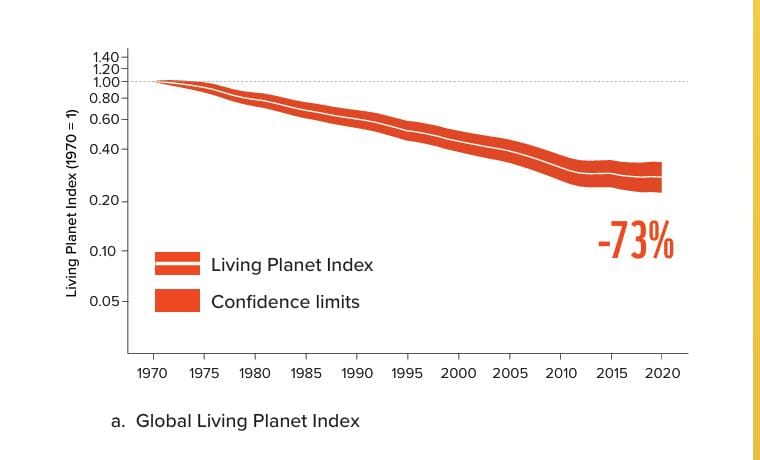
The World Wide Fund for Nature (WWF) has reported a shocking 73% decline in the average size of monitored wildlife populations over the past 50 years (1970-2020). This decline is most severe in freshwater ecosystems (85%), followed by terrestrial (69%) and marine (56%) ecosystems.
Key Takeaways
- Significant Population Declines: The steepest declines in wildlife populations are observed in Latin America and the Caribbean (95%), Africa (76%), and Asia-Pacific (60%).
- Primary Threats: Major threats include habitat loss, overexploitation, invasive species, and diseases.
- Ecosystem Indicators: Wildlife population declines serve as early warning signs of extinction risks and ecosystem health deterioration.
Additional Details
- Living Planet Index (LPI): The LPI tracks average trends in wildlife populations, monitoring nearly 35,000 vertebrate populations across 5,495 species from 1970 to 2020. It acts as an early warning system for extinction risks and evaluates ecosystem health.
- Economic Impacts: Over half of global GDP (55%) is moderately or highly dependent on nature and its services. The report suggests that by 2050, adopting India's dietary practices could reduce the land needed for food production to just 0.84 of an Earth.
The WWF's findings highlight the urgent need for conservation efforts to address wildlife population declines and ecosystem degradation. Without immediate action, the health of our planet and the sustainability of its ecosystems are at significant risk.
Threats to Biodiversity
- Habitat Degradation and Loss: Activities such as deforestation, urbanization, and agricultural expansion fragment ecosystems, leading to reduced resources for species.
- Overexploitation: Unsustainable hunting, fishing, and logging practices are depleting wildlife populations faster than they can recover.
- Invasive Species: Non-native species introduced by humans disrupt local ecosystems, leading to decreased biodiversity.
- Climate Change: Rising temperatures and extreme weather events are altering habitats and threatening vulnerable species.
- Pollution: Contaminants from industrial waste and agricultural runoff poison ecosystems, harming wildlife.
Critical Tipping Points
- Coral Reef Bleaching: Mass die-offs of coral can devastate fisheries and coastal protection, impacting millions.
- Amazon Rainforest: Deforestation threatens to disrupt global weather patterns and release significant carbon emissions.
- Ice Melt: The melting of Greenland and Antarctic ice sheets could result in substantial sea level rise.
- Ocean Circulation: The collapse of ocean currents could drastically alter weather patterns in Europe and North America.
- Permafrost Thaw: Thawing could release large amounts of methane and carbon, accelerating global warming.
Challenges Related to Conservation of Biodiversity
- Conflicting Priorities: Balancing conservation with economic growth remains a challenge, particularly in developing nations.
- Resource Allocation: Limited financial resources hinder investment in biodiversity conservation amid pressing social needs.
- Agricultural Expansion: The need for food security often conflicts with habitat protection efforts.
- Policy and Enforcement Gaps: Weak institutional frameworks and inconsistent enforcement of regulations undermine biodiversity protection.
Way Forward
- Scaling up Conservation Efforts: Expand protected areas and restore degraded ecosystems while supporting Indigenous Peoples' conservation initiatives.
- Transforming Food Systems: Implement sustainable agricultural practices and promote plant-based diets to reduce environmental impact.
- Finance System Reform: Redirect investments toward sustainable activities that benefit nature.
- Global Cooperation: Strengthen international collaboration on biodiversity protection and align policies for global sustainability.
In conclusion, addressing the threats to biodiversity through comprehensive strategies and international cooperation is vital for ensuring the health of ecosystems and the survival of wildlife for future generations.
High-Performance Buildings: Importance and Features
 Why in News?
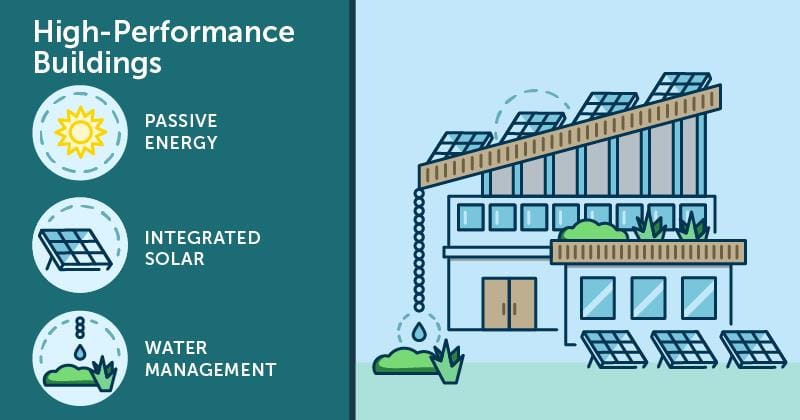
In recent years, the significance of high-performance buildings (HPBs) has surged due to their role in promoting energy efficiency and creating healthier indoor environments. HPBs are defined as buildings that integrate and optimize all major high-performance attributes, including energy efficiency, durability, life-cycle performance, and occupant productivity.
Key Takeaways
- HPBs enhance energy efficiency and reduce operational costs.
- They contribute to a healthier indoor environment, improving occupant well-being.
- HPBs help in achieving sustainability goals and reducing carbon emissions.
Additional Details
- Energy Efficiency: Maintaining HVAC systems through regular maintenance like filter replacement and cleaning can significantly reduce energy consumption.
- Demand-Controlled Ventilation: IoT-based air quality sensors automatically adjust ventilation, enhancing efficiency based on environmental conditions.
- Healthy Indoor Environment: Prioritizing indoor air quality through filtration systems reduces pollutants, while sound-absorbing materials mitigate noise pollution.
- Sustainability: Using sustainable materials such as recycled steel and low-impact concrete is crucial for minimizing environmental impact.
- Water Conservation: Implementing rainwater harvesting and greywater recycling systems promotes efficient water use.
High-performance buildings are essential in addressing global challenges such as rising carbon emissions and urbanization. They not only lower operational costs but also enhance productivity by providing healthier living and working spaces.
Challenges in Delivering High-Performance Buildings
- Operational Overlook: Developers often focus on initial costs and schedules, neglecting long-term operational efficiency.
- Diverse Building Typologies: Variations in building types complicate energy efficiency efforts.
- Split Incentives: Energy savings are often undermined by the lack of support for projects benefiting different stakeholders.
- Erosion of Indigenous Knowledge: Overreliance on foreign technologies can lead to the loss of effective local practices.
- Siloed Building Systems: Treating design, construction, and operation in isolation hinders comprehensive performance improvements.
India's Initiatives Regarding Energy Efficiency in Buildings
- Eco-Niwas Samhita
- Energy Conservation Building Code (ECBC)
- Energy Conservation (Amendment) Act, 2022
- NEERMAN Awards
- Green Rating for Integrated Habitat Assessment (GRIHA)
Promoting High-Performance Buildings in India
- Envelope and Passive Systems: Implement design strategies that minimize solar heat gain and support natural ventilation.
- Integrated Approach: Emphasize a lifecycle performance assurance process for better integration of building systems.
- Collaborative Initiatives: Encourage partnerships between owners and tenants to align interests in energy efficiency upgrades.
- Tailored Strategies: Promote region-specific, climate-responsive solutions for effective building design.
In conclusion, addressing the need for high-performance buildings in India is crucial amidst the challenges posed by urbanization and carbon emissions. Initiatives aimed at enhancing energy efficiency and sustainability will play a vital role in the future of the built environment.
FAQs on Environment and Ecology - 2
| 1. What is the PARIVESH 2.0 portal and how does it facilitate the registration of exotic animals? |  |
| 2. What are the critical threats facing the Aravalli mountain range? | |
| 3. How does ocean acidification impact marine life and planetary boundaries? | |
| 4. What initiatives are being taken to address the plastic waste crisis in the Himalayan region? | |
| 5. What is the significance of India's International Big Cat Alliance? | |




