Chapter Notes: Natural Disasters

Introduction
Natural disasters are events that happen because of nature and cause harm to people, animals, and things around us. They can destroy homes, roads, and even take lives. Some examples are earthquakes, cyclones, floods, droughts, volcanic eruptions, and landslides. We cannot stop these events, but we can learn how to stay safe and reduce their harm by taking the right steps at the right time. This chapter teaches us about these disasters, what problems they cause, how to stay safe, and how to help people who are affected by them.
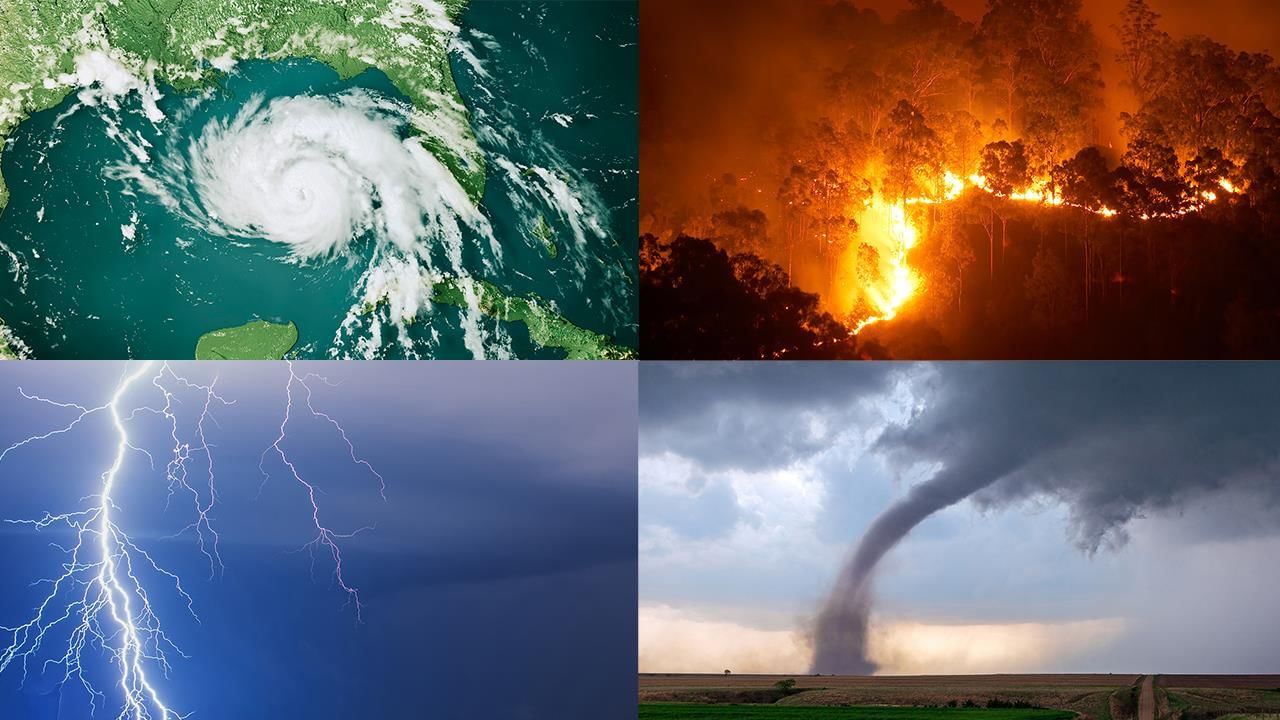
Natural Disasters
- Natural disasters are events that harm life and property because of natural forces.
- Examples include earthquakes, cyclones, floods, droughts, volcanic eruptions, and landslides.
- People cannot control these events much.
- The best way to stay safe is to take steps to reduce the harm to life and property.
Earthquake
- An earthquake is when the ground shakes suddenly because of movements under the Earth's surface.
- Earthquakes can happen anytime without warning.
- They can cause a lot of damage to life and property.
- We cannot stop an earthquake from happening.
- The best way to stay safe is to take safety steps during an earthquake.
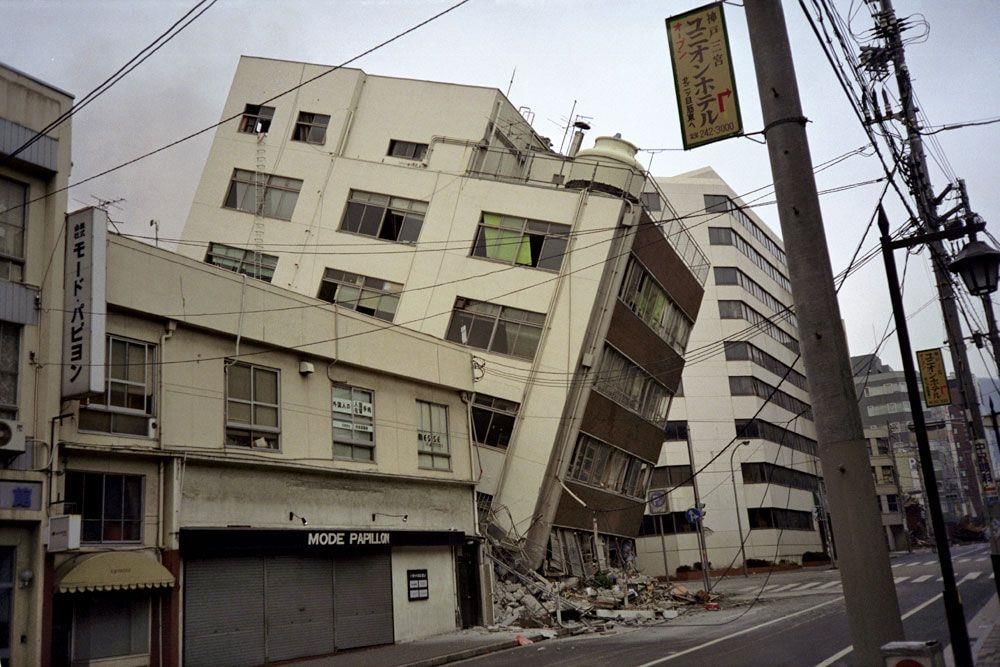 Effects of an Earthquake
- Big buildings, bridges, and dams can get damaged or fall down.
- If dams break, it can cause floods in the area.
- Many people can die, get hurt, or lose their homes when buildings collapse.
- Electric poles, telephone wires, and trees can fall, which stops communication and electricity.
- Roads and railway tracks can get destroyed, making it hard to travel.
- Sewage pipes can break, causing diseases to spread quickly.
- Landslides can happen, leading to more harm to life and property.
Precautions
- Go to an open area like a park to stay safe.
- Stay away from electric poles, tall buildings, trees, and signboards because they might fall on you.
- If you are in bed, protect your head with a pillow to stay safe.
- If you are in a vehicle, park it on the side and stay inside, but make sure the vehicle is not near trees, electric poles, or other tall things.
- If you cannot leave the house, go under a strong table, and cover your head with your hands for safety.
- Do not stand near things like bookcases, mirrors, or fans because they can fall and hurt you.
Fun Fact About Earthquake
- An earthquake is measured using a tool called a seismograph.
- The study of earthquakes is called seismology.
- The point where an earthquake starts is called the epicentre.
Cyclones
- Cyclones are big spinning windstorms that form over warm seas and oceans.
- When cyclones move to land, they bring heavy rain and storms to the areas they pass through.
- Cyclones often happen in coastal areas and islands.
- They destroy everything in their path and can cause floods in coastal areas.
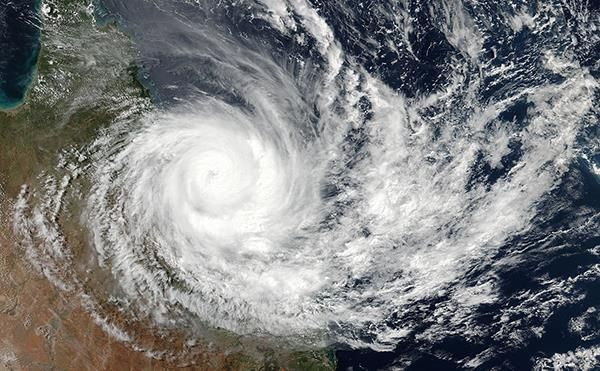 Effects of a Cyclone
- Strong winds can destroy buildings, bridges, vehicles, and anything in their way.
- People can die, get injured, or lose their homes because of the destruction.
- Trees and electric poles can fall, stopping communication and electricity in the area.
- Transport systems like roads and railways can get damaged.
- Farms and crops can be destroyed, causing food shortages.
- Floods caused by cyclones can make water dirty, leading to diseases like typhoid, cholera, and jaundice.
Precautions
- Keep an emergency kit ready with food, water, a torch, battery-operated radio, first-aid kit, and medicines.
- Listen to weather updates on the radio, TV, or read newspapers to know about cyclone warnings.
- If there is an official warning, leave your home immediately with your family and find a safe shelter with friends or relatives.
- If you are driving when a cyclone hits, park your vehicle in an open area and stay inside it.
- After the cyclone passes, stay away from damaged power lines and fallen trees to avoid danger.
- Drink boiled water to avoid getting sick from water-borne diseases.
Fun Fact About Cyclones
- Cyclones can be predicted by setting up warning systems along the coast.
- This helps people in coastal areas know about the cyclone early and leave the area safely.
Floods
- Floods happen when water in rivers or other water bodies rises and overflows into nearby areas.
- Floods can happen because of heavy rainfall, cyclones, or when a dam breaks.
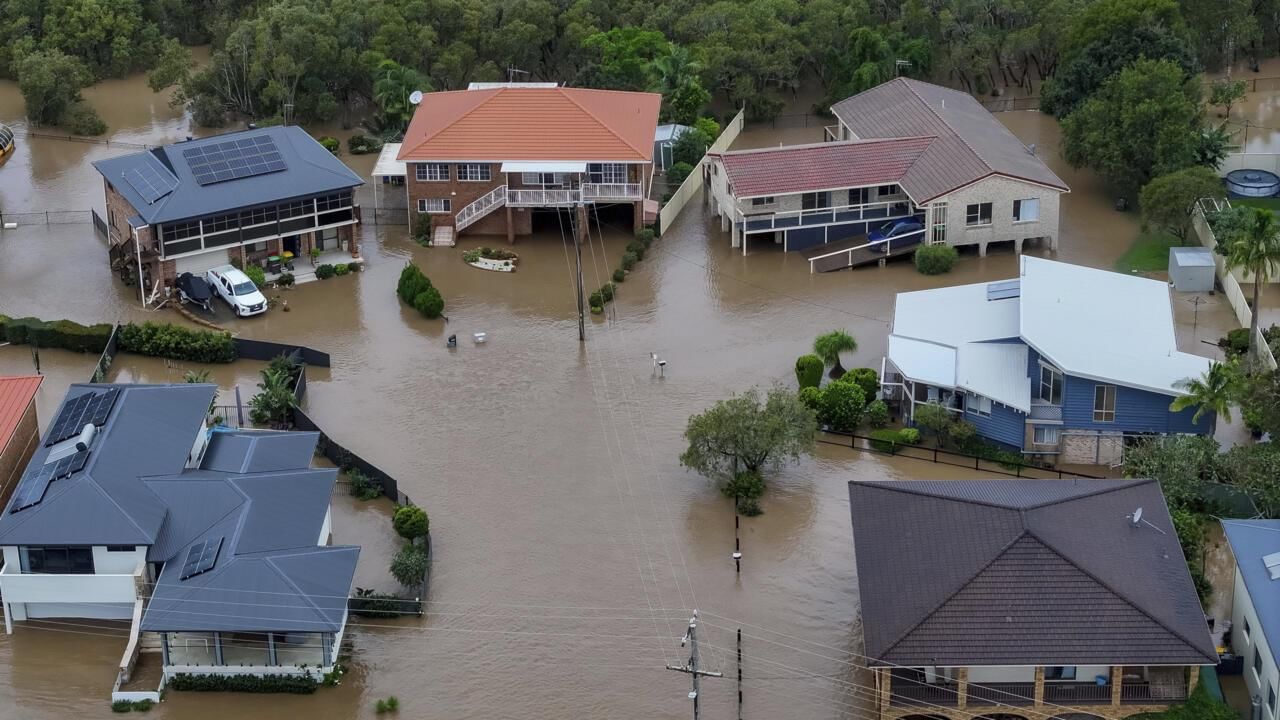 Effects of Floods
- Floods can destroy buildings, bridges, roads, and other structures.
- Crops and stored grains can be damaged, leading to a shortage of food.
- Dirty water can cause diseases like cholera, gastroenteritis, and jaundice.
- Clean drinking water becomes hard to find.
- Telephone lines and electric poles can get damaged, stopping communication and electricity.
- People and animals can die by drowning in the floodwater.
Precautions
- If there is a flood warning, move to a high area like the roof of a house or the top of a tree.
- Keep enough food, medicines, water, clothes, and waterproof bags to store important things.
- Keep torches, candles, and matchboxes handy in case the power goes out.
- Drink only boiled water to stay safe from diseases.
Droughts
A drought is a long period of dry weather when an area gets very little rain for months or even years.
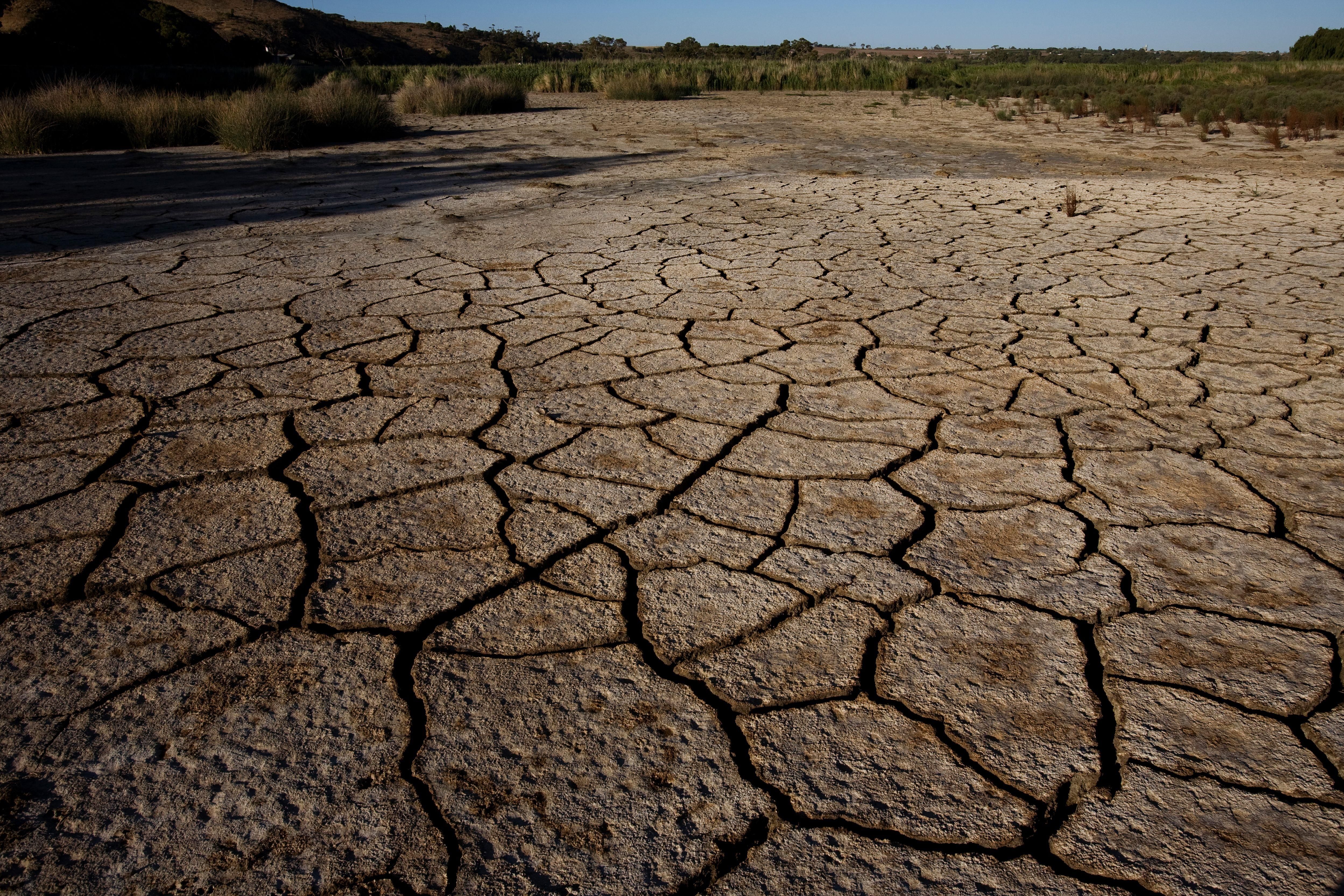 Effects of Droughts
- Not enough water causes crops to fail, leading to a shortage of food.
- Lack of food and water causes many people, cattle, and animals to die.
- Shortage of food and water forces people to move to other areas, leaving their homes and villages.
- Due to lack of clean water, people have to drink dirty water, which spreads diseases like cholera and hepatitis.
Precautions
- Keep an eye on weather reports and make a plan to save water.
- Use water carefully to reduce wastage.
- Collect rainwater to use during dry times.
- Farmers in areas with less rain should grow crops that can survive with little water.
- Help stop cutting down trees to prevent drought from getting worse.
Fun Fact About Cyclones
- Cyclones can be predicted by setting up warning systems along the coast.
- This helps people in coastal areas know about the cyclone early and leave the area safely.
Volcanic Eruptions
- Deep inside the Earth, it is very hot, which melts rocks, gases, and ash.
- When these melted rocks, gases, and ash come out through a vent or opening on the Earth's surface, it is called a volcanic eruption.
- The melted rock that comes out is called lava.
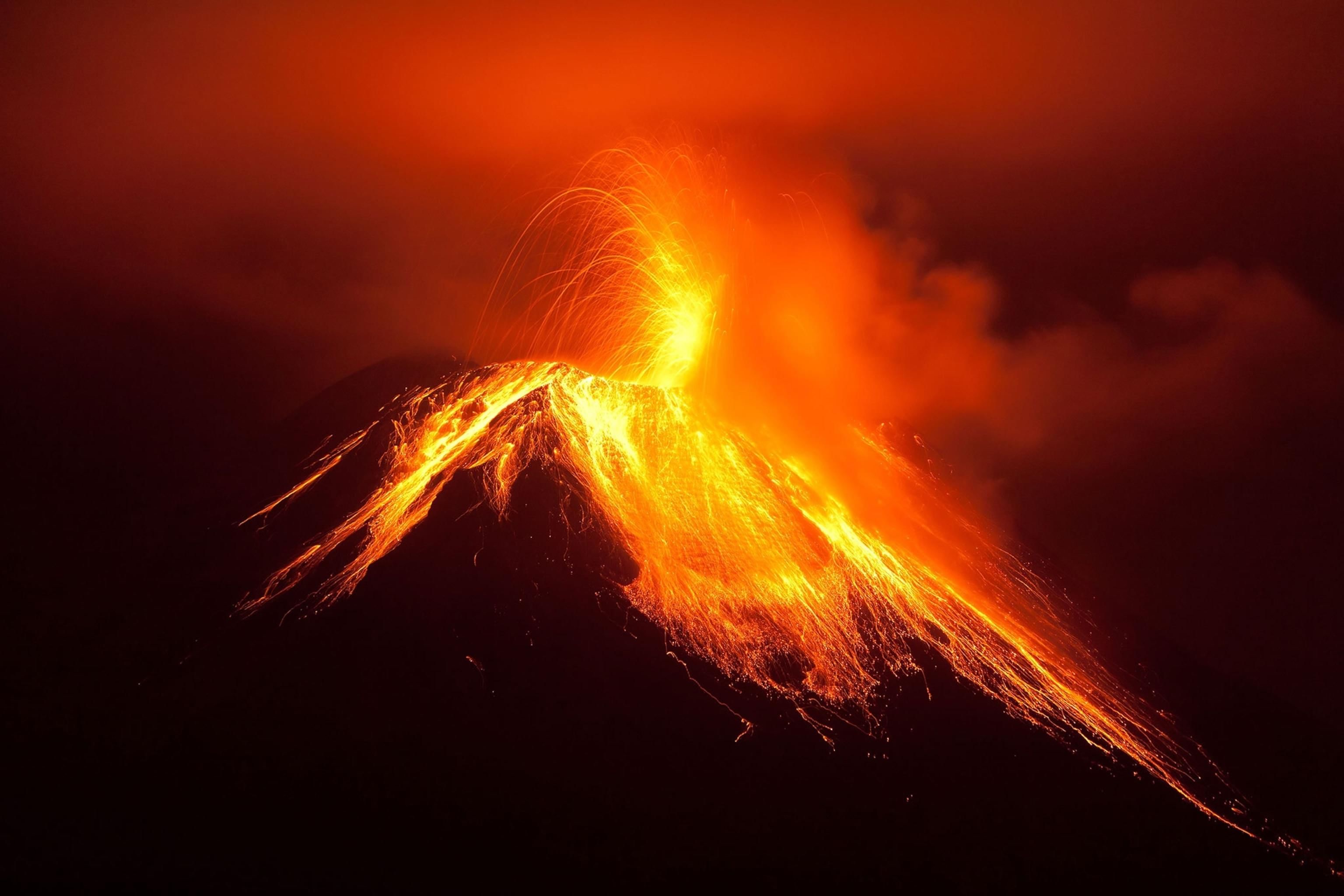 Effects of Volcanic Eruptions
- Lava from the volcano can burn and destroy everything in its path, including people, houses, trees, and animals.
- Poisonous gases from the volcano can choke living beings and cause death.
- Volcanic eruptions can cause earthquakes and mudslides in the area.
- In areas near volcanoes, flash floods can happen because the heat melts glaciers.
Precautions
- If you live in or near areas where volcanic eruptions can happen, stay alert for warnings from agencies.
- Work together and be ready to move to a safer place if needed.
- Cover your face with a mask and goggles because ash can spread all around the area.
Landslides
- A landslide is when a large amount of rock, mud, or soil suddenly moves down a steep slope.
- Landslides usually happen because of earthquakes or heavy rain.
- Volcanic activity can also cause landslides.
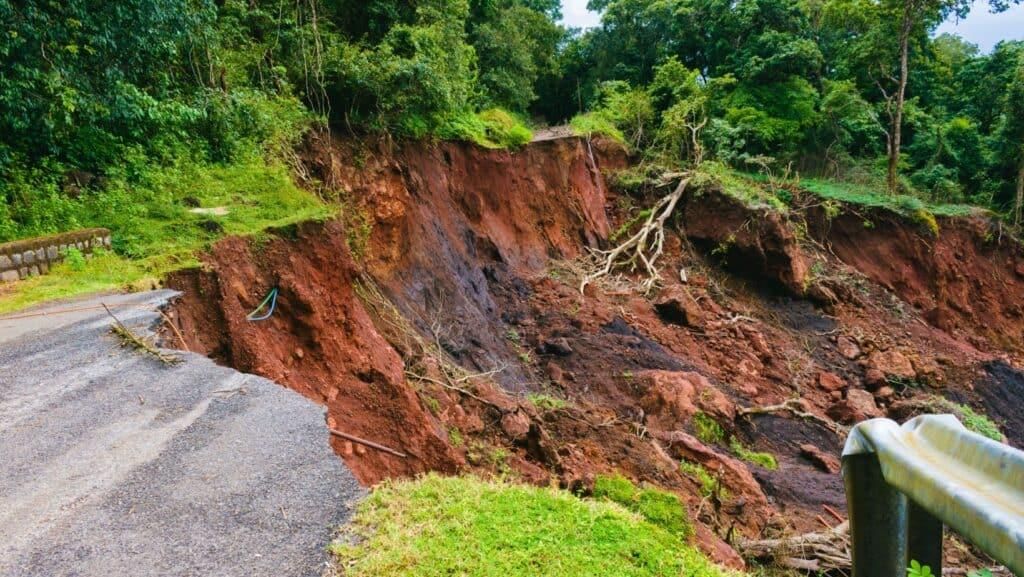 Effects of Landslides
- Landslides can destroy houses, bridges, and other structures in their path.
- They can block roads and destroy railway lines, electric lines, and water supply systems.
- Landslides can cause loss of life and property in the area.
- They can change the path of rivers, which can lead to floods in nearby areas.
Precautions
- Watch the weather carefully and listen to warnings so you can move to a safe place if there is a chance of a landslide.
- Build bunds to slow down the speed of water flowing down a slope.
- Avoid doing heavy construction or building large settlements in areas where landslides are likely to happen.
- Farming should be done on areas with gentle slopes to reduce the risk of landslides.
- Do not cut down trees, and plant more trees to keep the soil in place.
Helping the Affected
- People who suffer from natural disasters need both emotional and money support.
- Many government and non-government groups come together to help those in need.
- They take steps to provide relief and support to the people who are suffering.
Points To Remember
- A natural disaster is an event that causes a lot of harm to life and property.
- Earthquakes, cyclones, floods, droughts, volcanic eruptions, and landslides are some examples of natural disasters.
- An earthquake is the sudden shaking of the ground.
- Cyclones are huge spinning windstorms that form over warm seas and oceans, move to land, and bring heavy rain and storms.
- Floods happen when water in rivers rises and overflows into nearby areas because of heavy rain, cyclones, or a dam breaking.
- A drought is a long period of dry weather when there is very little rain for months or years.
- A volcanic eruption happens when melted rocks, gases, and ash inside the Earth come out through a vent on the Earth's surface.
- A landslide is the sudden movement of rock, mud, or soil down a steep slope, often caused by earthquakes, heavy rain, or volcanic activity.
- Disaster management teams are created by many countries to provide quick help and rescue people during natural disasters.
- In India, some organizations like UNICEF, WHO, Red Cross Society, and Prime Minister's Relief Fund help people affected by natural disasters, along with the government.
Glossary
- Epidemic: A disease that spreads quickly to many people in a short time.
- Sturdy: Something strong and solid, like a table or stone.
- Bunds: A wall or structure built across a river to hold back water and raise its level.
FAQs on Chapter Notes: Natural Disasters
| 1. What are the main types of natural disasters? |  |
| 2. How do earthquakes occur? | |
| 3. What steps can be taken to help those affected by natural disasters? | |
| 4. What are the impacts of floods on communities? | |
| 5. Why is it important to prepare for natural disasters? | |