CBSE Class 2  >  Class 2 Notes  >  EVS  >  Short Answer Questions: Our necessities - Air, Water & Food

Short Answer Questions: Our necessities - Air, Water & Food

Q1. What is air?
Ans: Air is invisible and made up of tiny particles called molecules. We breathe in air to get oxygen, which helps us live and play.
Short Answer Questions: Our necessities - Air, Water & Food

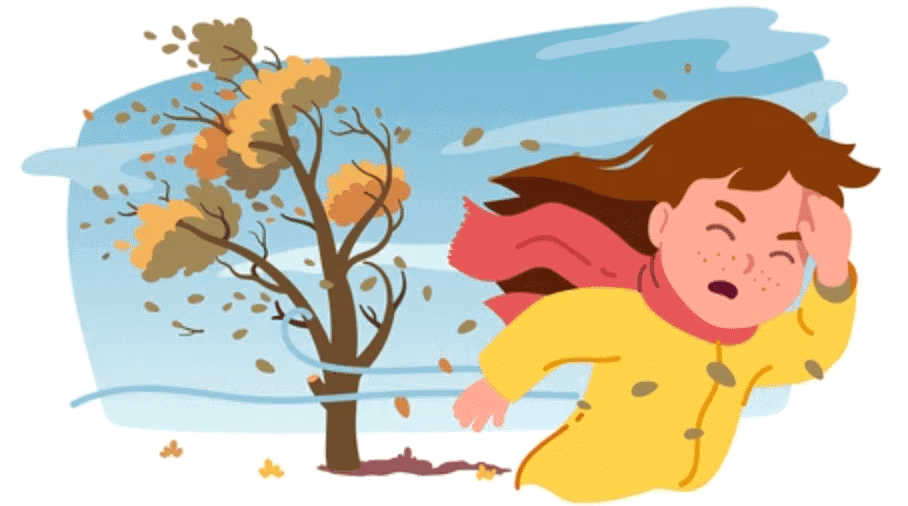
Q2. What is wind?
Ans: Wind is moving air. It can be soft and gentle like a whisper or strong like a lion's roar that moves trees and leaves.

Q3. How does air support everyday life?
Ans: Air helps kites fly high, carries birds' songs, and pushes balloons up into the sky.

Q4. Why do we need to care for the air?
Ans: Some things like smoke from cars and factories make air dirty. We need to keep air clean by planting trees and keeping the environment green.

Short Answer Questions: Our necessities - Air, Water & Food

Q5. Does air have weight?
Ans: Yes, air has weight and presses down on everything, even though we cannot see it.

Q6. How does air create beautiful skies?
Ans: Air paints the sky with bright colors during sunsets and sunrises, making the clouds look like colorful paintings.

Q7. What happens when you blow air into a soap bubble wand?
Ans: When you blow air into a soap bubble wand, it makes bubbles that float and shine in the sunlight.

Short Answer Questions: Our necessities - Air, Water & Food

Q8. Why should we avoid polluting the air?
Ans: Polluting air makes it unsafe to breathe. Keeping the air clean helps us stay healthy and enjoy life.

Q9. Can you feel the air even if you cannot see it?
Ans: Yes, you can feel the air when it moves as wind, even though you cannot see it.

Q10. What are some ways we can help keep the air clean?
Ans: We can plant trees, avoid burning trash, use less smoke-producing vehicles, and keep our surroundings clean.

Q11. What is water?
Ans: Water is a clear, colorless liquid that we drink and use every day for washing, cooking, and watering plants.

Short Answer Questions: Our necessities - Air, Water & Food

Q12. Where do we find water?
Ans: We find water in rivers, lakes, ponds, oceans, and even in the rain.

Q13. Why is water important for us?
Ans: Water helps keep our bodies healthy, helps plants grow, and is needed by animals to live.

Q14. How should we use water?
Ans: We should use water carefully and not waste it because it is precious and needed by everyone.

Q15. What happens if we don't have clean water?
Ans: If water is dirty, it can make us sick. That's why it's important to drink clean water and keep water sources clean.

The document Short Answer Questions: Our necessities - Air, Water & Food is a part of the Class 2 Course EVS for Class 2.
All you need of Class 2 at this link: Class 2

FAQs on Short Answer Questions: Our necessities - Air, Water & Food

1. Why is air essential for life?
Ans. Air is essential for life because it contains oxygen, which is crucial for the process of respiration in humans and animals. Without oxygen, our cells cannot produce the energy necessary for survival, leading to suffocation and death. Additionally, air plays a vital role in maintaining the balance of ecosystems.
2. How does water contribute to human health?
Ans. Water is vital for human health as it regulates body temperature, transports nutrients, and removes waste through urine and sweat. It also aids in digestion and helps maintain skin health. Adequate hydration is necessary for optimal physical and cognitive performance.
3. What are the consequences of food scarcity?
Ans. Food scarcity can lead to malnutrition, which affects physical and mental development, particularly in children. It can also result in increased mortality rates, weakened immune systems, and greater susceptibility to diseases. Additionally, food scarcity can lead to social unrest and economic instability.
4. How can we ensure access to clean water?
Ans. Ensuring access to clean water involves investing in water purification systems, protecting water sources from pollution, and implementing effective water management practices. Community education on water conservation and hygiene is also crucial to prevent waterborne diseases and promote public health.
5. What are sustainable practices for food production?
Ans. Sustainable practices for food production include organic farming, crop rotation, permaculture, and the use of renewable resources. These methods aim to minimize environmental impact, conserve water, and promote biodiversity while ensuring that food production can meet current and future demands.
Explore Courses for Class 2 exam
Get EduRev Notes directly in your Google search
Related Searches
video lectures, practice quizzes, mock tests for examination, Short Answer Questions: Our necessities - Air, Short Answer Questions: Our necessities - Air, Short Answer Questions: Our necessities - Air, Sample Paper, Viva Questions, past year papers, study material, pdf , MCQs, Objective type Questions, Water & Food, Extra Questions, Exam, Free, ppt, Semester Notes, shortcuts and tricks, Previous Year Questions with Solutions, Important questions, Water & Food, Summary, Water & Food;