Chapter Notes: Pediatrics in the Developing World


Contemporary Pediatrics
Pediatrics is a branch of medicine dedicated to the health and well-being of children, guiding their development into healthy adults. The term itself comes from Greek, where "pedia" means child, and "iatrike" refers to treatment. Essentially, it signifies the science of child care, encompassing both preventive and curative measures. Pediatricians play a crucial role in overseeing the physical, mental, and emotional health of children from conception to maturity, while also considering the impact of social, environmental, and cultural factors on their health.
Factors Influencing Children's Health
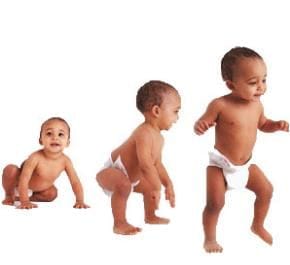
- Various elements can affect the health of children, including:
- Climate: The local climate can impact health, with different weather patterns influencing the prevalence of certain health issues.
- Environment and Geography: The geographical location and environmental conditions play a significant role in determining health risks and availability of resources.
- Prevalence of Infectious Agents: Areas with high levels of infectious agents can pose greater health risks to children.
- Agricultural Practices: The methods used in agriculture can affect the safety and quality of food, impacting children's health.
- Education: Educational opportunities and levels can influence health awareness and practices.
- Economic, Social, and Cultural Conditions: These factors can affect access to healthcare and overall well-being.
- Urbanization and Industrialization: The degree of urbanization and industrialization can impact environmental health and access to services.
- Gene Frequencies: Genetic factors can play a role in health predispositions.
Age Limit in Pediatrics
- In the United States, pediatrics typically encompasses individuals up to 21 years of age.
- UNICEF defines the pediatric age group as up to 18 years.
- The Indian Academy of Pediatrics (IAP) advises that pediatricians care for health issues in children up to 18 years old.
Pediatrics as a Distinct Medical Specialty
- Pediatrics is considered a separate medical specialty for several important reasons:
- The health issues that children face are fundamentally different from those that adults encounter.
- A child's response to illness is influenced by their age and developmental stage.
- The methods and approaches used to treat childhood illnesses are significantly different from those used for adults.
- Children are among the most vulnerable members of society and require specialized care and attention.
- This contemporary understanding of pediatrics highlights its unique role in the medical field.
- Unlike other specialties, pediatrics emphasizes the continuous care of the growing child, taking into account the overall well-being of the child.
- The concept of the "whole child," as promoted by UNICEF, suggests that support for children should go beyond just meeting their immediate nutritional needs.
- Instead, it should focus on their long-term growth and development, as well as the health and well-being of the countries in which they live, a strategy known as "country health programming."
- The distinction between children and adults is encapsulated in the phrase, "the child is not a little man," emphasizing that children have unique needs and circumstances that require specific attention and care.
Changing Pediatric Scenario
In the past, pediatrics started in wealthy countries, but it's still a new field in India and other developing nations. Today, more than half of the world's children live in these countries. For instance, in India, a large portion of the population, over 40%, consists of infants and children, making them the most vulnerable group. In contrast, developed countries have a much smaller percentage of children.
Despite progress, a significant number of illnesses and deaths in developing countries, including India, still impact children. Unfortunately, the recognition of the importance of child care has come late, but there is hope for improvement.
Progress in Child Health
Since gaining independence, India has made strides in child health, with both successes and ongoing challenges. Some of the achievements include:
- Eradication of smallpox in 1980.
- Near eradication of poliomyelitis.
- Near eradication of guinea worm disease.
- Oral rehydration therapy contributing to a reduction in serious tuberculosis cases.
- Significant increase in girls' school enrollment since independence.
However, challenges persist, including:
- High rates of tuberculosis.
- Persistent perinatal and neonatal mortality.
- Ongoing concerns with infant mortality.
- Insufficient access to safe drinking water.
- Poor sewage disposal.
- High dropout rates in schools, particularly for girls.
Pediatricians in India
- Since 1947, there has been significant progress in pediatrics in India, although the improvements have not fully met expectations. Currently, most pediatricians (90%) in India are generalists, with many having specific interests. The development of subspecialties such as neonatology, cardiology, nephrology, gastroenterology, hematology, neurology, endocrinology, allergy, and pulmonology is beginning to be noticed, with neonatology being the most advanced.
Need for Specialized Care
- There is a growing recognition of the need for pediatric subspecialty divisions in all medical colleges to ensure specialized care for children. Collaboration between pediatric subspecialists and general pediatricians is also important. The Indian Academy of Pediatrics (IAP) has taken initiatives to create online guidelines for common pediatric issues and to link subspecialty chapters with international associations for global development.
Adolescent Medicine
- Although adolescent medicine is well-established in Western countries, it is still an emerging concept in India and other developing nations. The IAP has proposed extending pediatric care up to 18 years of age, and initiatives such as the IAP Year for Adolescence and Child at Risk have been introduced to address the needs of vulnerable children. Collaboration with international organizations like WHO and UNICEF, as well as NGOs and government bodies, is crucial for the success of these strategies.
Tropical Pediatrics: A New Definition
Tropical pediatrics traditionally referred to the care of children in countries located between the Tropic of Cancer and the Tropic of Capricorn. However, this definition is evolving.
- Many of these countries, with the exception of Australia and Singapore, face significant challenges due to economic disadvantages. Most have a per capita income of less than US$775.
- Common issues include high rates of infant mortality, under-5 mortality, and parasitic diseases. Nevertheless, some countries like Malaysia and Sri Lanka are making progress in these areas.
Spread of Tropical Diseases
- Diseases once thought to be confined to tropical regions are now spreading globally. Globalisation and increased connectivity have facilitated the transmission of these diseases to nontropical countries, including parts of Europe and America, primarily affecting underprivileged populations.
- For instance, Afghanistan, despite being outside the tropical zone, is experiencing tropical diseases due to the impact of two decades of civil war. The country faces severe health challenges, including a high infant mortality rate.
Redefining Tropical Pediatrics
- The spread of tropical diseases is more closely linked to the economic status and living standards of a community rather than just tropical conditions.
- Therefore, tropical pediatrics should be redefined as the care of children from economically disadvantaged communities, regardless of whether they are in tropical or nontropical regions.
Rights of the Child: Past, Present, and Future
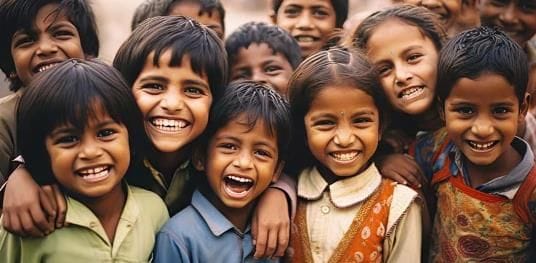
The United Nations' Declaration of the Rights of the Child from 1959 emphasizes the significance of children and their needs, rights, and the responsibilities of others towards them. India has signed this declaration. Defence for Children International, an NGO based in Geneva, has been working since 1979 to promote and protect children's rights worldwide. Universal Children's Day has been celebrated on November 14 since 1954, thanks to the efforts of the United Nations International Children's Emergency Fund (UNICEF).
In India, the Constitution protects children's rights through various articles. Article 24 prohibits the employment of children under 14 years in factories, safeguarding them from exploitation. Article 45 includes provisions for ensuring children's welfare.
Ten Basic Rights of Children as per United Nations' Declaration of 1959
- Children should be raised in an environment of understanding, friendship, peace, and brotherhood, without any discrimination based on race, religion, or other factors.
- Children must be protected from neglect, cruelty, and exploitation, and they should not be employed before reaching a suitable minimum age.
- Children should be among the first to receive protection and relief in all situations.
- Children have the right to free and compulsory elementary education that serves their best interests, with parents being responsible for this education.
- Children should grow up in a loving environment, and public authorities should support those who do not have families.
- Children who are physically, mentally, or socially disadvantaged are entitled to special care, education, and treatment.
- Children have the right to proper nutrition, shelter, recreation, and medical care, including special health services and postnatal care for mothers.
- Children are entitled to a name and nationality.
- Children should enjoy special protection to develop freely and with dignity.
- All children, regardless of their race, color, sex, or parents' beliefs, are entitled to these rights.
There is also a guarantee of free and compulsory education for all children until they reach 14 years of age.
Since 1989, the Convention on the Rights of the Child has highlighted the importance of children's needs and rights globally. The World Summit for Children in 1990 reaffirmed the principles of the Convention, which is now the most widely accepted human rights treaty in the world.
The Convention, consisting of 54 Articles, defines children as individuals under 18 years old and emphasizes that their "best interests" should be a priority in all situations. It ensures children's right to survival and development and includes provisions for various rights such as:
- Right to the highest standard of healthcare (Article 24).
- Right to express opinions (Article 12) and receive information (Article 13).
- Obligation for states to provide compulsory primary education for all children (Article 28).
- Right to immediate registration after birth, including a name and nationality (Article 31).
- Right to protection from exploitation and sexual abuse (Article 34).
Many countries, including Nepal, have implemented child rights laws in accordance with the Convention.
Fortunately, significant progress has been made in the late 20th and early 21st centuries regarding children's welfare, including the establishment of laws to protect them from suffering and exploitation. There has been a near eradication of poliomyelitis, a decrease in deaths from neonatal tetanus and measles, and increased awareness against child labor and abuse. A UNICEF report indicates that as we enter the new millennium, more children are born healthy, more are immunized, and more have the opportunity to learn, play, and live as children than ever before, thanks to the implementation of the Convention's commitments.
However, despite these advancements, violations of children's rights remain alarmingly high in the developing world. Issues such as failure to register births, provide healthcare and education, and the exploitation of children through labor, abuse, and involvement in armed conflicts persist.
UNICEF's Urgent Message on Children's Rights
UNICEF warns that every day without proper action on children's rights leads to the preventable deaths of about 30,500 children under five. Delays in tackling the HIV/AIDS epidemic result in 250,000 new infections among children and young people each month. Insufficient investment in basic social services causes millions of children in developing countries to miss out on essential needs like safe drinking water, sanitation, and healthcare.
Call for a Social Movement
- There is a strong need for a social movement to reignite passion for children's and adolescents' rights, particularly to foster human development in developing countries.
- Those responsible for the well-being of children and adolescents should embrace this as an opportunity for visionary leadership.
- The goal should be a new vision of humanity free from poverty, disease, and discrimination.
Historic Assembly on Children
- Remember the significant General Assembly Special session on Children in 2002, where children participated as official members of delegations for the first time.
- The Assembly, reflecting the Convention on the Rights of the Child, emphasized the importance of considering children's perspectives in decisions affecting their lives.
Contemporary Disease Pattern and Changing Concerns
In developing countries, the health statistics reveal a concerning picture dominated by:
- Malnutrition: This primarily refers to protein-energy malnutrition. Despite a decline in severe forms of malnutrition like kwashiorkor and marasmus, mild to moderate malnutrition remains a significant issue. The National Family Health Survey-3 indicates that nearly half of the children under five are stunted, and around 43% are underweight, with rural children being the most affected. Additionally, there is a high prevalence of micronutrient deficiencies, often referred to as "hidden hunger," particularly concerning iron, vitamin A, iodine, and zinc.
- Dual Nutrition Burden: Paradoxically, while the focus is on combating undernutrition, there is a rising incidence of overweight and obesity among children from affluent families. India is thus experiencing this dual nutrition burden.
- Serious Systemic Infections: This category includes diseases such as tuberculosis, pneumonias, measles, and whooping cough. These infections contribute significantly to pediatric morbidity and mortality.
- Diarrheal Disease: Diarrheal diseases continue to be a leading cause of illness and death among children. Nearly 500 million children worldwide suffer from acute diarrhea each year, with 5 million fatalities, and in India alone, approximately 1.5 million children die from acute diarrhea annually.
Overlap of Conditions: There is a considerable overlap among these conditions, with malnutrition, systemic infections, and diarrheal diseases accounting for about 75% of pediatric admissions. The remaining diseases are responsible for only 25% of admissions.
Infectious Diseases and Changing Patterns
Infectious diseases remain a major cause of illness in children, with significant reductions in preventable childhood infectious diseases leading to respiratory and gastrointestinal infections becoming more prevalent.
- Acute Respiratory Infections (ARIs)are responsible for:
- 20% to 60% of outpatient department (OPD) attendance
- 12% to 45% of hospital admissions
- 33% of mortality in the developing world, either directly or indirectly
- Diarrheal diseases are also a leading cause of morbidity and mortality, with a staggering number of children affected and dying from acute diarrhea each year. In India, the impact is particularly severe, with a high number of fatalities.
Integrated Management of Childhood Illness (IMCI) Scheme
The IMCI scheme, launched by the World Health Organization (WHO) and UNICEF, aims to address the multiplicity of ailments often seen in a single child, such as malnutrition, infections, and parasitic infestations. This strategy has shown promising results in Africa and other developing countries and is expected to become a dominant child health and welfare program in India.
Emerging Concerns:
- There is an increasing awareness of emerging issues such as HIV/AIDS, drug abuse among teenagers, child abuse and neglect, street children, child labor, discrimination against the girl child, and emerging and re-emerging infections. HIV/AIDS, in particular, poses a significant threat, potentially undermining the benefits of national health programs aimed at improving child welfare.
Socio-Cultural Factors:
- Despite advancements, socio-cultural factors such as illiteracy, ignorance, superstitions, and cultural practices continue to influence health and nutrition adversely. For instance, some beliefs attribute diseases to supernatural causes, and a notable portion of the population relies on traditional medicine for treatment.
- A pilot study indicated that a significant percentage of slum parents hold beliefs linking disease causation to supernatural beings and magical concepts, highlighting the need for addressing these cultural perceptions in health interventions.
The disease pattern observed in underprivileged children is markedly different from that in affluent countries. While wealthy nations grapple with issues like accidents, neoplasms, obesity, and HIV/AIDS, the disease profile in poorer regions is shaped by distinct factors.
Factors Influencing Disease Patterns
The difference in disease patterns is influenced by various elements such as climate, geography, and ethnicity. However, the most crucial factors are:
- Socioeconomic conditions
- Hygiene and sanitation
- Culture
- Education
- Local medical and health facilities
Interestingly, the disease and mortality patterns in today's underprivileged children resemble those seen in European countries in the past when their societal structures were weaker. Additionally, some less affluent temperate regions and certain contemporary European populations exhibit disease patterns similar to those in poorer areas, challenging the conventional understanding of tropical pediatrics.
Currently, the concept of tropical pediatrics is largely independent of climate or geography. While some health issues are influenced by the warmth, humidity, and dryness of tropical and subtropical regions, conditions like Indian childhood cirrhosis, kala-azar, trypanosomiasis, and Burkitt's lymphoma are more about local challenges than climatic factors.
Changing Disease Priorities
There is an anticipated shift in the priorities and significance of various causes of morbidity and mortality over time. The successful eradication of smallpox, the decline in childhood diseases like poliomyelitis, and the rise of AIDS exemplify this trend. It is evident that priorities must align with local issues, resources, and needs to effectively benefit the community.
Mortality Scenario and Delivery of Child Health Care
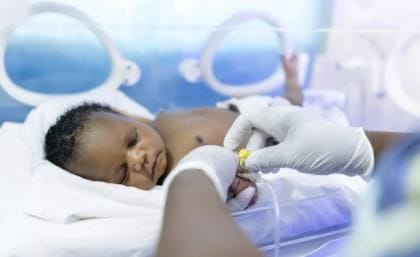
Life Expectancy and Infant Mortality:
- Life expectancy in India has improved to around 65 years, but there are still significant challenges.
- The infant mortality rate (IMR) is 55 per 1,000 live births, down from 129 in 1970, yet much higher than in developed countries.
- There are stark differences between states, with Kerala having an IMR of 13 and Orissa 93. Urban areas also fare better than rural regions.
Perinatal and Neonatal Mortality:
- The perinatal mortality rate in India is 39 per 1,000 live births, significantly higher than the 10 to 20 range in developed nations.
- This translates to about 1.5 million perinatal deaths annually.
- The neonatal mortality rate stands at 40 per 1,000 live births, again much higher than in developed countries.
Factors Behind High Mortality Rates:
- High perinatal and neonatal mortality is influenced by:
- Frequent pregnancies.
- Poor maternal health and nutrition.
- High rates of low birth weight.
- Inadequate perinatal care.
- Limited access due to factors like illiteracy and cultural biases.
Improvements and Challenges:
- Improvements in IMR are mainly due to reductions in post-neonatal deaths, thanks to programs like the Integrated Child Development Services (ICDS) and the Universal Immunization Programme (UIP).
- However, since perinatal mortality has not improved significantly, further reductions in IMR are challenging.
Health Expenditure and Care Gaps:
- Advanced countries spend 5 to 12% of their Gross National Product (GNP) on health services, while India allocates only 2%.
- Maternal and neonatal care, despite being recognized as important, has been neglected in India.
- Basic measures like tetanus toxoid vaccination and iron-folate tablets are in place, but substantial programs for pregnant women and neonates are only recent developments.
Neonatal Care Facilities:
- A survey in 1976 found that 93% of teaching institutes in India lacked adequate neonatal care facilities. Subsequent surveys showed only slight improvements.
- A survey by the National Neonatology Forum indicated that nearly three-quarters of hospitals lack basic neonatal care equipment.
- Neonates are often treated as secondary to the process of conception and do not receive proper care.
Recent Developments:
- Recent survey results suggest that child-friendly initiatives over the past decade are beginning to positively impact the pediatric landscape in India.
- Despite these improvements, under-5 mortality, infant mortality, neonatal mortality, and perinatal mortality rates remain high, especially in rural and peri-urban areas where mortality rates are nearly double those of urban areas.
Morbidity and Quality of Life
- While there have been improvements in key statistics for children, the overall quality of life remains low for many.
- Approximately one third of children experience a poor quality of life.
- Around three quarters of children are considered unhealthy, living with various physical and mental impairments.
- Issues such as malnutrition, diarrheal diseases, and infections like tuberculosis and acute respiratory infections (ARI) are significant contributors to poor health and stunted growth.
- More than 50% of children are undernourished.
- The first three years of a child's life, particularly the period from 6 months to 2 years, are crucial for preventing malnutrition.
Future of Children in Developing Countries
- A significant number of children in developing countries face serious challenges to their survival.
- Any successful health strategy must prioritize the most vulnerable children.
Challenges to Health Services
- The combination of a growing population and limited healthcare systems, particularly for the rural and urban poor, exacerbates the situation.
- It is crucial to ensure that health services are delivered to communities proactively, rather than waiting for individuals to seek care.
- Community involvement is essential for protecting against diseases and ensuring timely medical assistance.
- There is a pressing need to increase the health budget, as current funding levels are insufficient.
Factors Contributing to Poor Health
- Adverse factors such as a rising population, lack of resources, poverty, ignorance, and illiteracy have a negative impact on children's health.
Pediatric Education
Pediatric education, which focuses on teaching about child health, varies significantly between the developing and developed worlds due to differing needs. Pediatricians in Western countries address issues such as AIDS, genetic counselling, and obesity. In contrast, pediatricians in developing countries focus on:
- Malnutrition
- Diarrhoeal diseases
- Infections like acute respiratory infections, tuberculosis, and intestinal parasites
- Low birthweight infants
In these regions, pediatric training needs to emphasise practical diagnostic skills and affordable treatments rather than expensive tests and interventions.
In India, the Indian Academy of Pediatrics ( IAP ), representing around 16,000 qualified pediatricians, has played a crucial role in recognising pediatrics as a distinct field in undergraduate medical education. As a result, medical students now study pediatrics alongside adult medicine, surgery, and obstetrics and gynaecology. This shift is expected to benefit the child population significantly.
There is a strong argument for introducing the growth and development aspects of pediatrics early in undergraduate training.
Postgraduate Opportunities
Presently, there are postgraduate options available not only in general pediatrics but also in various subspecialties. It is crucial for the Medical Council of India ( MCI. to establish a standard curriculum and examination system for pediatric postgraduates. This should be prioritised early in the 21st century rather than delaying it for many more years.
Box 2.1 outlines the national sociodemographic goals for 2010 as per the National Population Policy ( NPP. 2000, which sets a framework for improving goals and strategies for the decade.
Box 2.1: India's national sociodemographic goals for the decade ending 2010:
- Address the unmet needs for basic reproductive and child health services, supplies, and infrastructure.
- Make school education free and compulsory for children up to age 14 and reduce dropouts at primary and secondary levels to less than 20%.
- Reduce the infant mortality rate to less than 30 per 1,000 live births.
- Lower the maternal mortality rate to less than 100 per 100,000 live births.
- Achieve universal immunisation of children against all vaccine-preventable diseases.
- Encourage delayed marriage for girls, preferably after age 20.
- Ensure 80% of deliveries occur in institutions and 100% by trained professionals.
- Provide universal access to information and services for fertility regulation and contraception with various options.
- Achieve 100% registration of births, deaths, marriages, and pregnancies.
- Control the spread of HIV/AIDS.
- Prevent and manage communicable diseases.
- Integrate Indian systems of medicine into reproductive and child health services.
- Promote the small family norm.
- Enhance collaboration in implementing related social sector programs to ensure family welfare becomes a community-driven initiative.
New Challenges
- Barker's hypothesis, which links diseases in childhood and adulthood to early life stages, is now considered completely valid.
- There is an urgent need to raise awareness about the rising rates of chronic diseases such as diabetes, hypertension, and coronary artery disease.
- These conditions are being diagnosed more frequently not only in adults but also in young children and teenagers.
- It is crucial to inform the community and find ways for prevention and early diagnosis using simple and affordable methods.
A Better Tomorrow for Children
Focus on the Whole Child
- Shifting our focus from just specific childhood illnesses to the whole child can significantly improve family wellbeing and help manage population growth.
- When parents are confident that their children will grow up healthy and strong, the desire to have many children decreases.
Urgent Implementation Needed
- There is an urgent need to accelerate the implementation of the Government's policy for child health.
- This requires genuine political will and commitment, not just empty slogans and paperwork.
- Additionally, the health budget needs to be increased, and priorities should be balanced.
Ideal Pediatric Slogan
- The ideal slogan for pediatric health should be: "Not many but healthy children" to promote a happier and healthier nation.
- This reflects the need for quality over quantity when it comes to child health.
Importance of Immediate Action
- Immediate action is crucial for improving child health and wellbeing.
- Gabriela Mistral 's quote emphasizes the urgency of addressing children's needs today, not tomorrow.
- Delaying action can have negative consequences for children and their future.
Medical Advances
Overview of Medical Advances
- Significant medical advances are anticipated to alleviate health issues for children in developing countries like India.
- These advances include improvements in vaccines, pharmaceuticals, diagnostics, and public health policies.
- While some may view this as optimistic, the aim is to envision a future scenario a decade or two ahead.
Table: Expected Medical Advances
- Better vaccines, pharmaceuticals, and diagnostics: Enhancements in these areas are expected to reduce the prevalence of diseases among children.
- Food security: Improved agricultural methods, therapeutic foods, and alternative energy sources will contribute to food security, ensuring children have access to nutritious meals.
- Public health policies: More appropriate public health policies and measures will address the specific health needs of children.
- Targeted drug delivery systems: Advances in drug delivery systems will ensure that medications are delivered more effectively to children.
- Artificial blood production: The production of artificial blood could provide a solution for blood shortages and improve health outcomes for children.
- Computer chips with genes: The development of computer chips with genes for mastery of the human proteome could lead to better understanding and treatment of diseases.
- Gene therapy: Increased application of gene therapy has the potential to address genetic disorders in children.
- Partnership for child health: Enhanced partnerships for child health will strengthen efforts to improve health outcomes for children.
Conclusion
- The focus should be on ensuring that every child is well-housed, clothed, fed, educated, and kept fit.
- This reflects the fundamental responsibilities of the State towards its children.
FAQs on Chapter Notes: Pediatrics in the Developing World
| 1. What are the main challenges faced by pediatric care in developing countries? |  |
| 2. How does the health status of children in developing countries compare to those in developed nations? | |
| 3. What role do community health programs play in improving pediatric health in developing regions? | |
| 4. Why is childhood malnutrition a critical issue in developing nations? | |
| 5. What strategies can be implemented to improve pediatric healthcare delivery in low-resource settings? | |