Practice Questions: Oceans and Continents

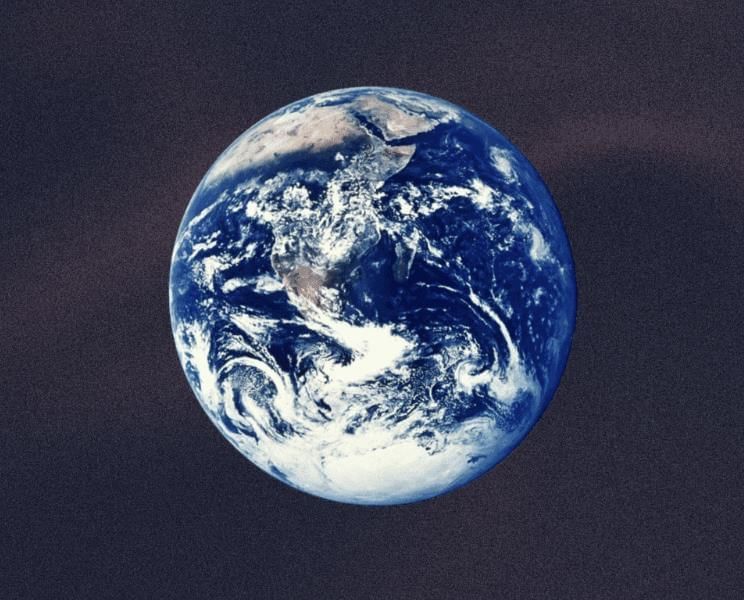
Q1: Why is Earth called the "blue planet"?
(a) It is covered mostly by land
(b) Nearly three-fourths of its surface is water
(c) It has a blue sky
(d) It is made of blue rocks
Ans: (b)
Explanation: Nearly three-quarters of Earth's surface is covered by water. From space this large area of water appears blue and, together with the scattering of sunlight by the atmosphere, gives the planet its blue appearance.
Q2: Which continent has the most land in the Northern Hemisphere?
(a) Africa
(b) Australia
(c) Asia
(d) South America
Ans: (c)
Explanation: Asia is the largest continent and most of its area lies in the Northern Hemisphere. Because of its large size, Asia contributes more land area to the Northern Hemisphere than any other continent.
Q3: What is the largest ocean on Earth?
(a) Atlantic Ocean
(b) Indian Ocean
(c) Pacific Ocean
(d) Arctic Ocean
Ans: (c)
Explanation: The Pacific Ocean is the largest ocean. It covers a greater area than the other oceans and lies between Asia and Australia on one side and the Americas on the other.
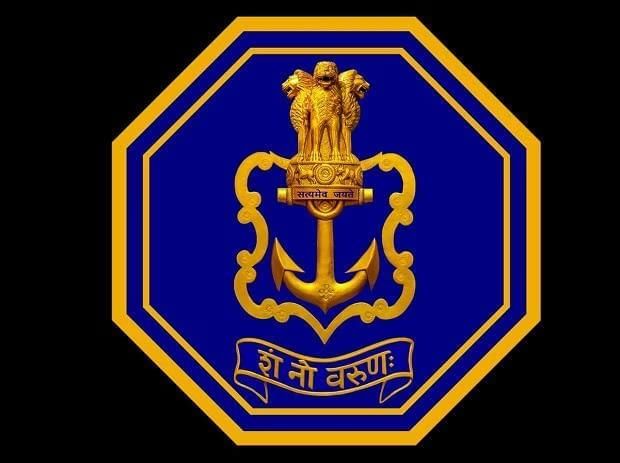
Q4: What is the motto of the Indian Navy's emblem?
(a) Be strong, O Varuna
(b) Be auspicious to us, O Varuna
(c) Protect us, O Varuna
(d) Guide us, O Varuna
Ans: (b)
Explanation: The motto of the Indian Navy's emblem is a prayer to Varuna, the Vedic god of water. It means "Be auspicious to us, O Varuna," asking for the deity's blessings and protection at sea.
Q5: Which water body lies to the west of India?
(a) Bay of Bengal
(b) Arabian Sea
(c) Southern Ocean
(d) Pacific Ocean
Ans: (b)
Explanation: The Arabian Sea lies to the west of India. The Bay of Bengal is to the east of India, and the Indian Ocean lies to the south.
Q6: What is the smallest ocean?
(a) Southern Ocean
(b) Indian Ocean
(c) Atlantic Ocean
(d) Arctic Ocean
Ans: (d)
Explanation: The Arctic Ocean is the smallest and shallowest of the world's oceans. It is located around the North Pole and is often covered by sea ice.
Arctic Ocean
Q7: What causes a tsunami?
(a) Heavy rainfall
(b) Strong winds
(c) Earthquake or volcanic eruption under the ocean
(d) Cloud formation
Ans: (c)
Explanation: Tsunamis are usually caused by sudden movements of the sea floor, such as underwater earthquakes or volcanic eruptions. These events displace large volumes of water and create powerful waves that travel long distances.
Q8: How many continents are commonly accepted?
(a) Four
(b) Five
(c) Six
(d) Seven
Ans: (d)
Explanation: The commonly accepted number of continents is seven: Asia, Africa, North America, South America, Antarctica, Europe and Australia.
Q9: What is the largest island in the world?
(a) Greenland
(b) Australia
(c) Antarctica
(d) Andaman and Nicobar Islands
Ans: (a)
Explanation: Greenland is the largest island in the world. Australia is usually called a continent rather than an island because of its large size.
Q10: Which ocean lies to the south of India?
(a) Pacific Ocean
(b) Indian Ocean
(c) Southern Ocean
(d) Arctic Ocean
Ans: (b)
Explanation: The Indian Ocean lies to the south of India. The Arabian Sea is to the west and the Bay of Bengal is to the east.
Q11: Why is seawater salty, and how is it different from freshwater?
Ans: Seawater is salty because rain and rivers wash tiny particles and dissolved minerals from rocks on land into the oceans over long periods. These dissolved salts build up in the sea. Freshwater in rivers and lakes contains very little dissolved salt, so it is suitable for drinking and most household uses. Seawater tastes salty, is denser than freshwater and is not safe to drink without desalination.
Q12: Name the five major oceans of the Earth.
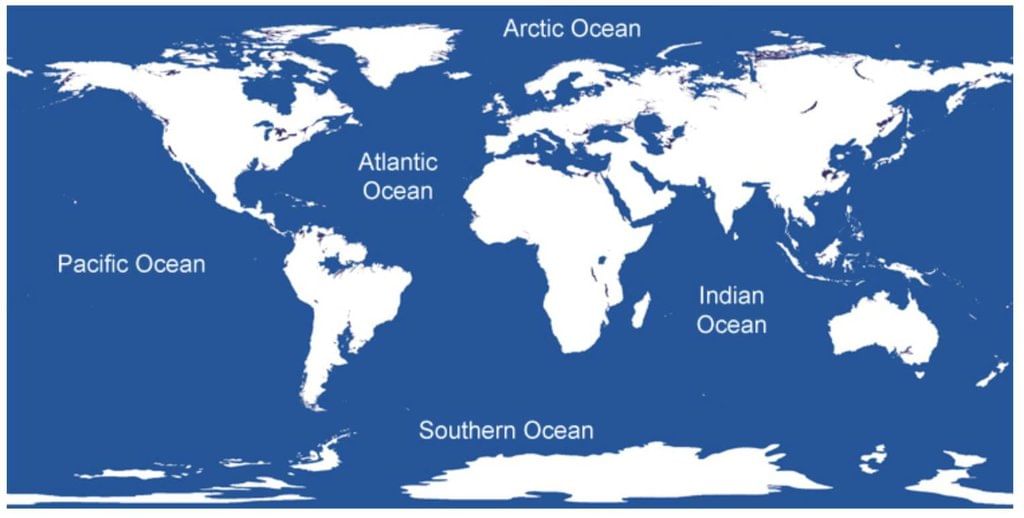
Ans: The five major oceans are the Pacific Ocean, Atlantic Ocean, Indian Ocean, Southern Ocean and Arctic Ocean.
Q13: What are islands, and how are they different from continents?
Ans: Islands are pieces of land that are completely surrounded by water and are usually small. Continents are very large landmasses surrounded by water and contain many countries and regions. Because of their much larger size, continents are not classed as islands. Examples: Sri Lanka is an island; Asia is a continent.
Q14: What is the role of oceans in the Earth's water cycle?
Ans: Oceans play a central role in the water cycle. Water from the ocean surface evaporates into the air, forming water vapour. This vapour cools and forms clouds, which then bring rain to the continents. Oceans also store the largest amount of Earth's water and help regulate the climate by redistributing heat.
Q15: Name two island groups of India and their locations.
Ans: The Andaman and Nicobar Islands are located in the Bay of Bengal to the east of mainland India. The Lakshadweep Islands are located in the Arabian Sea to the south-west of India.
Q16: Describe the distribution of water and land on Earth, including differences between the Northern and Southern Hemispheres.
Ans: Distribution of water and land on Earth
- About three-quarters of Earth's surface (roughly 71%) is covered by water, mostly oceans.
- Land covers just over one-quarter of the surface (about 29%) and is divided into continents.
- The Northern Hemisphere has more land than water; it contains most of the world's continents, including Asia, Europe and North America.
- The Southern Hemisphere has more water than land and is dominated by large ocean areas such as the Southern and parts of the Pacific Ocean.
- Because oceans are connected, they form one continuous global body of water, while continents are separate large landmasses.
- This uneven distribution of land and water affects climate, weather patterns, population distribution and ecosystems around the world.
Q17: Explain the importance of oceans to the environment and human life, with examples.
Ans: Oceans are vital for both the environment and human life.
- They produce a large part of the world's oxygen through tiny marine plants and plankton, acting like the planet's lungs.
- Oceans regulate climate and weather by driving the water cycle; for example, moisture from the oceans helps form the monsoon rains that are important for agriculture.
- They support a wide variety of marine life and provide food for millions of people through fishing.
- Oceans have been used for trade and transport for centuries; many cultures and coastal communities depend on the sea for livelihoods and cultural life.
- However, pollution, habitat loss and overfishing threaten ocean health, so protection and sustainable use are essential.
Q18: What are tsunamis, and how has India improved disaster management since the 2004 tsunami?
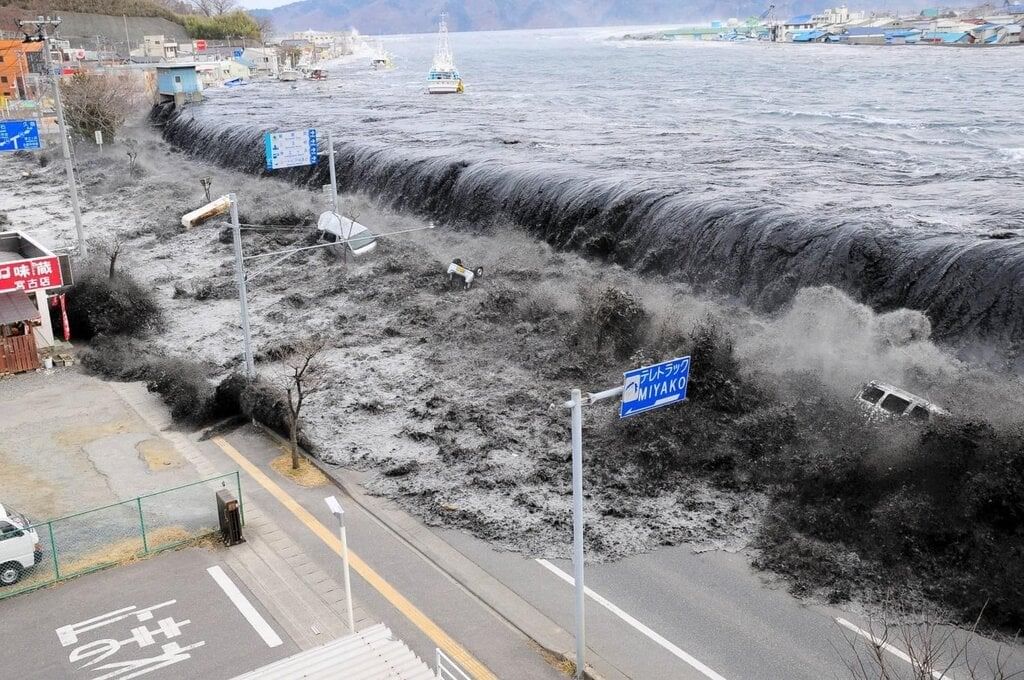
Ans: Tsunamis are very large sea waves usually caused by sudden movements of the sea floor, such as underwater earthquakes or volcanic eruptions. They can travel long distances and cause severe damage when they reach coasts.
- The 2004 Indian Ocean tsunami, caused by a huge earthquake near Indonesia, killed many people and badly affected places such as the Andaman and Nicobar Islands, Tamil Nadu and Kerala.
- Since then, India has strengthened disaster management by taking steps such as developing early warning and monitoring systems, improving coordination with other countries, and improving coastal preparedness and evacuation planning.
- The National Disaster Management Authority and other agencies now work to reduce damage from such events through better planning, public awareness, drills and quicker response systems.
FAQs on Practice Questions: Oceans and Continents
| 1. What are the major oceans of the world and their features? |  |
| 2. How many continents are there, and what are their names? | |
| 3. What role do oceans play in regulating the Earth's climate? | |
| 4. Why are oceans important for biodiversity? | |
| 5. How do human activities impact oceans and continents? | |