This chapter focuses on the development of writing and urban life in ancient Mesopotamia, highlighting the role of cuneiform, urban centres like Uruk, and the socio-economic functions of temples. Below is a concise Q&A set to help you prepare for class tests, school exams, or board-level assessments with key, repetitive questions.
Key Questions
1. What was the significance of cuneiform writing in Mesopotamian city life?
Solution:
Cuneiform writing, created by the Sumerians, played a vital role in Mesopotamian city life. Its significance includes:
Record Keeping: Essential for documenting trade transactions, laws, and administrative tasks.
Resource Management: Enabled effective management of resources within urban centres.
Communication: Facilitated communication between different city-states and populations.
Knowledge Preservation: Allowed for the storage and transmission of knowledge across generations.
This writing system supported the development of complex urban societies, contributing to their growth and stability.
2. How did the urban centres of Mesopotamia, like Uruk, support trade and administration?
Solution:
Urban centres like Uruk were vital for trade and administration in ancient Mesopotamia. They functioned as:
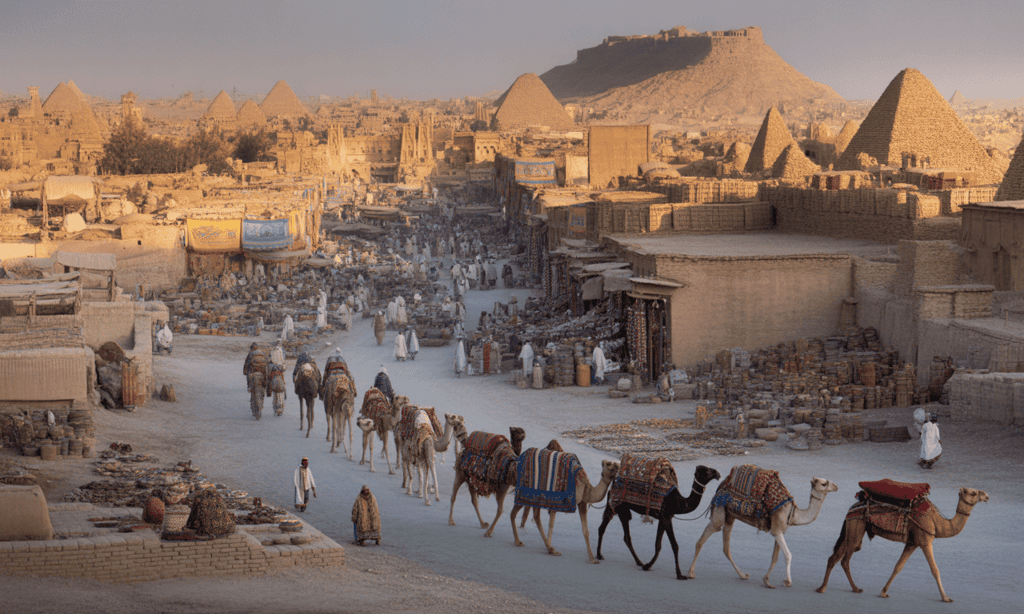
Trade hubs: Connecting various regions through the exchange of goods such as grain, textiles, and metals.
Administrative centres: Organised systems with scribes recording transactions and rulers overseeing resources.
Economic stability: Ensuring the growth and management of resources, which facilitated trade.
These elements combined to create a thriving urban economy.
3. What role did temples play in the social and economic life of Mesopotamian cities?
Solution:
Temples, known as ziggurats, were vital to the social and economic life of Mesopotamian cities. They functioned as:
Religious centres for worship and community gatherings.
Economic hubs that managed land and resources.
Tax collection points, distributing goods and services.
Employers for local workers, providing jobs and stability.
4. What is Mesopotamia, and where was it located?
Solution:
Mesopotamia means "land between rivers," derived from Greek words meaning "middle" and "river." It is located in the Fertile Crescent between the Tigris and Euphrates rivers, primarily in modern-day Iraq.
Known as the cradle of civilisation.
Home to the world's first cities and writing systems.
Significant for its agricultural productivity and urban development.
5. What kinds of cities existed in early Mesopotamia?
Solution:
Mesopotamian cities fell into three broad categories: (a) Temple cities built around a major shrine (like Eridu and Nippur) (b) Trading cities that controlled commerce routes (like Mari on the Euphrates) (c) Imperial cities that arose with strong kingdoms (like Akkad or Babylon). Each had a temple or palace as its focal point.
6. How and where was writing first developed?
Solution:
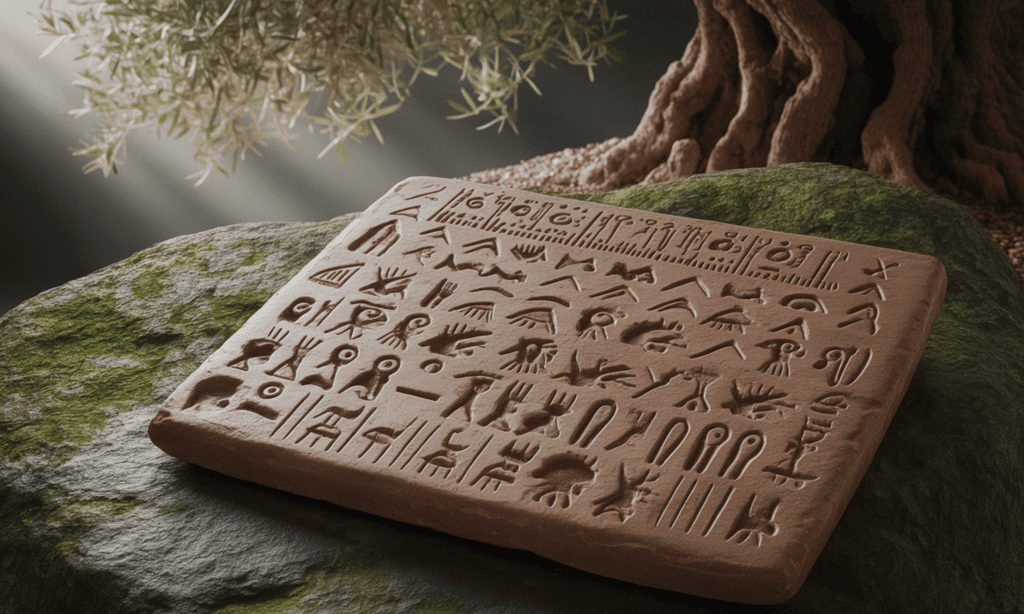
Writing first developed in southern Mesopotamia around 3200 BCE. Initially, it took the form of pictographs used to record goods and transactions.
These pictographs evolved into wedge-shaped signs known as cuneiform.
Early writing involved inscribing symbols on wet clay tablets, which were then dried.
The script was created in Uruk to assist merchants and officials in documenting economic and legal matters.
For example, the earliest tablets from Uruk listed temple offerings, such as loaves of bread and fish, indicating that writing began primarily for record-keeping.
7. Describe the family and social structure in Mesopotamia.
Solution:
Most Mesopotamians lived in nuclear families, typically consisting of a father, mother, children, and sometimes slaves. Key points include:
The father was the head of the household.
Daughters received a marriage portion from their fathers.
Sons inherited their father's land and herds.
Mesopotamian society was divided into three classes:
Upper class: rulers, priests, and large landowners.
Lower class: farmers, labourers, and slaves.
Middle class: merchants, artisans, scribes, and soldiers.
In urban areas, war captives and the poor often worked as templeor palace labourers
8. What was the purpose of cylinder seals?
Solution:
Cylinder seals were small, engraved cylinders used as signatures in ancient times. They served several important purposes:
Every individual, from kings to commoners, owned a seal.
Seals were rolled onto soft clay to authenticate documents, sign contracts, or secure goods.
An impression from a seal guaranteed authenticity or ownership, similar to a modern signature or rubber stamp.
Many seals featured mythological scenes or symbols of authority, representing the owner's identity
9. What major literary works come from this period?
Solution:
In addition to the Epic of Gilgamesh, several significant literary works emerged during this period:
Myths and hymns are dedicated to various deities, such as Inanna.
The Hymn to Ninkasi serves as a prayer and recipe for beer.
Royal praise poems and legal codes, including the famous Code of Hammurabi.
Proverbs that reflect the wisdom of the time.
These texts were primarily written in Sumerian and later in Akkadian, showcasing the values and religious beliefs of Mesopotamian society. The enduring nature of works like the Epic of Gilgamesh highlights the significance the Mesopotamians placed on storytelling and record-keeping.
10. Explain the emergence of urban life in Mesopotamia.
Solution:
The first cities in Mesopotamia arose gradually after agriculture became well established. The rich alluvial soil of the Tigris-Euphrates plains (often called the Fertile Crescent) allowed farmers to produce surplus grain, which supported larger populations and specialists. Over time (by ~4000-3000 BCE), small villages grew into cities - densely settled urban centres with administrative buildings and temples. Uruk in Sumer was the world's first major city; by 3000 BCE, it may have housed 40,000 people, making it the largest urban area of its time.
Several factors fueled this urban growth.
Large-scale irrigation and canal building required organised labour and management, which likely encouraged central authorities and bureaucracies to emerge.
Trade and commerce were also crucial: as Mesopotamian villages produced surplus goods (e.g. grain, wool cloth), they needed to exchange these with other regions for scarce resources (metals, timber).
Long-distance trade networks developed (reaching as far as Anatolia, the Persian Gulf and the Indus Valley), bringing wealth and making city markets important nodes in exchange networks.
The use of seals (to secure traded goods and documents) and the invention of writing helped manage these transactions, weaving the cities into broader economic systems.
In addition, warfare and political consolidation spurred city-building. Kings and warlords needed defensible centres to rule from, so they invested in city walls and palaces.
Cities often grew around a temple and palace complex: the temple served as an economic and religious hub, and the king as patron.
As Gwendolyn Leick notes, "religious temples were the centre of life and often the first thing constructed; [the] city was often built around [the temple]".
Cities themselves then became coveted symbols; their names and origins were proudly remembered in myths (for example, the Epic of Gilgamesh celebrates Uruk's walls).
In sum, a combination of agricultural surplus, trade, administrative innovations (seals, writing), and state-building drove the rapid urbanisation of Mesopotamia.
11. Explain the development and impact of writing in Mesopotamia.
Solution:
The emergence of urban life in Mesopotamia was a gradual process that began after agriculture became well established. Key factors include:
Fertile Land: The alluvial soil of the Tigris-Euphrates plains, known as the Fertile Crescent, enabled farmers to produce surplus grain.
Population Growth: This surplus supported larger populations and allowed for the development of specialised roles within society.
City Formation: By around 4000-3000 BCE, small villages evolved into cities with administrative buildings and temples. Uruk in Sumer became the world's first major city, housing approximately 40,000 people by 3000 BCE.
Several factors contributed to this urban growth:
Irrigation: Large-scale irrigation and canal construction required organised labour, leading to the emergence of central authorities and bureaucracies.
Trade: Villages produced surplus goods like grain and wool cloth, necessitating trade with other regions for scarce resources such as metals and timber. This led to the development of long-distance trade networks, reaching areas like Anatolia, the Persian Gulf, and the Indus Valley.
Economic Systems: The use of seals for securing traded goods and the invention of writing facilitated the management of these transactions, integrating cities into broader economic systems.
Additionally, warfare and political consolidation played a role in city-building:
Defensive Structures: Kings and warlords invested in city walls and palaces to establish defensible centres of power.
Religious and Economic Hubs: Cities often grew around temples and palace complexes, where temples served as economic and religious centres, with kings acting as patrons.
As noted by Gwendolyn Leick, "Religious temples were the centre of life and often the first thing constructed; the city was often built around the temple." Cities became symbols of pride, with their names and origins celebrated in myths, such as the Epic of Gilgamesh, which highlights Uruk's significance.
12. Discuss temples, kings, and religion in Mesopotamian city life.
Solution:
Temples and kingships were essential parts of city life in Mesopotamia. Each city had a temple dedicated to a patron god, such as Nanna in Ur. These temples were more than just places of worship; they also acted as landowners and granaries.
Priests managed large agricultural estates in the name of the gods, collected offerings, and distributed provisions.
Excavations show that early temples in Uruk and Eridu date back to the mid-4th millennium BCE, with later ziggurats reaching impressive heights.
Temples were often built on raised platforms, serving as the centre around which the city developed.
Kings played a dual role as both temple patrons and city rulers. They were responsible for:
Building or renovating temples using tribute, including spoils from wars, to enhance the shrines.
Organising grand ceremonies to honour the gods and display their power.
Claiming divine favour or descent to legitimise their rule.
Temple labour also supported the king's authority. Sumerian texts indicate that:
War captives were often forced to work on temple and palace projects alongside paid workers.
Both groups were fed from the same granaries, highlighting the temple's role in the economy.
This cooperation between kings and priests was crucial. The king would offer his war gains to beautify the temples, while priests managed the temple's wealth through meticulous records. One notable example is the Ziggurat of Ur, built during the Third Dynasty of Ur. This massive stepped tower served as a temple to the moon god Nanna and dominated the city's skyline. Its restoration illustrates how a city's identity was closely linked to its main temple. Below the ziggurat were various temples, courtyards, and administrative rooms where priests lived and worked. This integration of religion and state was fundamental to Mesopotamian city life:
Kings performed divine rites, reinforcing their authority.
Gods were seen as endorsing the social order, creating a blend of religious worship and political power.
13. What do archaeological excavations tell us about city life?
Solution:
Archaeology has uncovered the material reality of Mesopotamian cities. For instance, excavations at Uruk (by William Loftus, Julius Jordan, and others) revealed:
Material Evidence: Thick defensive walls, large temples, and archives of tablets.
Historical Connections: Inscriptions and the Sumerian King List link Uruk to the legendary King Gilgamesh.
At Ur, Leonard Woolley's famous 1920s dig unearthed:
Royal Findings: The Great Ziggurat (shown above) and rich royal tombs containing jewellery, musical instruments and writing boards, indicating a highly stratified society.
The palace excavated at Mari (modern Tell Hariri) revealed :
Palatial Discoveries: Wall paintings and over 260 rooms built for King Zimrilim. These finds show that royal and religious architecture was monumental.
Everyday Life: Archaeologists have found houses with drains, private courtyards, and games scratched on bricks, illustrating daily activities.
Economic Insights: Artefacts like spindle whorls and weights highlight a thriving textile and trade economy.
Administrative Records: Thousands of clay tablets from well-preserved archives detail administrative routines, marriages, and legal cases, providing a glimpse into personal and business affairs.
Community Dynamics: Evidence from Uruk and Nippur includes personal letters and contracts, revealing intricate social interactions..
14. Explain the importance of seals and writing on trade and administration.
Solution:
Cylinder seals and written records were essential for trade and governance in ancient societies. They served as practical tools that facilitated commerce and administration.
Seals acted as portable signatures, authenticating packages and documents. Merchants or temple officials would roll their carved seals onto clay, creating an impression that proved ownership or approval.
This process significantly reduced fraud within busy trade networks.
Writing complemented seals by enabling detailed record-keeping. Mesopotamians used cuneiform on clay tablets to communicate across distances, such as with trading partners or regional governors.
By around 3500 BCE, long-distance trade was thriving, leading to the invention of writing, which allowed merchants to communicate with clients in distant regions.
Later texts included standardised measures and loan contracts, such as silver weighed in shekels, which regulated commerce.
The combination of seals and writing was crucial for managing city economies, helping to keep accounts of shipments, marking property, codifying laws, and organising large projects.
This administrative framework supported the growth of large cities and empires.
15. What is the cultural significance of the Epic of Gilgamesh?
Solution:
The Epic of Gilgamesh is a significant cultural artifact that reflects essential Mesopotamian values. Its cultural importance can be summarised as follows:
Human Condition: The epic illustrates the journey of King Gilgamesh, who learns that immortality is unattainable. Instead, it is the legacies of our cities and deeds that endure.
City Pride: After failing to find eternal life, Gilgamesh returns to Uruk and admires the city's walls, suggesting that the city itself is a form of immortality. This highlights the Mesopotamians' pride in their urban achievements.
Literary Influence: As one of the earliest pieces of written literature, the epic was preserved in libraries and studied by scribes. It influenced later Near Eastern literature, with parallels to stories like the Noah's flood.
Religious Insights: The text features the pantheon of Mesopotamian gods, such as Ishtar and Shamash, and explores themes of friendship and grief, particularly through Gilgamesh's relationship with Enkidu and his response to Enkidu's death.
Scribal Culture: The survival of Gilgamesh tablets, including one found in Assurbanipal's library in Nineveh, demonstrates the importance of scribes in preserving and celebrating this tale across generations.
The Epic of Gilgameshserves as a vital window into Mesopotamian life, showcasing their literary sophistication and the central role of the city of Uruk in their identity.Writing and City Life - MCQs
FAQs on Sure Shot Questions for Board Exams: Writing and City Life
1. What are some key topics to prepare for the "Writing and City Life" section in Humanities/Arts?
Ans. Key topics to prepare include urbanization and its impacts, cultural diversity in cities, the role of literature and art in depicting city life, social issues related to urban living (such as housing, transportation, and environmental concerns), and historical developments that shaped modern cities.
2. How can students effectively prepare for board exams in the Humanities/Arts?
Ans. Students can effectively prepare by creating a study schedule, focusing on understanding concepts rather than rote memorization, practicing past exam papers, engaging in group discussions, and utilizing various resources such as textbooks, online courses, and educational videos to reinforce learning.
3. What are some tips for writing essays related to city life in board exams?
Ans. Tips for writing essays include structuring the essay with a clear introduction, body, and conclusion, providing relevant examples and case studies, using descriptive language to convey the urban experience, and ensuring clarity and coherence in arguments. Additionally, students should manage their time effectively during the exam.
4. What type of questions are commonly asked about city life in board exams?
Ans. Common questions may include analyzing the effects of urbanization on society, discussing the significance of public spaces in cities, evaluating the challenges faced by urban populations, and exploring how literature and art reflect urban experiences. Students might also be asked to compare different cities or historical periods.
5. How can understanding historical context enhance the study of city life in Humanities/Arts?
Ans. Understanding historical context allows students to appreciate the evolution of cities and the factors that influenced urban development, such as industrialization, migration, and globalization. It helps in analyzing contemporary issues by providing a framework for understanding how past events shape current urban dynamics and cultural identities.
shortcuts and tricks, practice quizzes, mock tests for examination, pdf , Previous Year Questions with Solutions, Free, Objective type Questions, Viva Questions, Important questions, ppt, Semester Notes, Sample Paper, Sure Shot Questions for Board Exams: Writing and City Life, Extra Questions, MCQs, Summary, study material, past year papers, Sure Shot Questions for Board Exams: Writing and City Life, Exam, video lectures, Sure Shot Questions for Board Exams: Writing and City Life;