Unit Test (Solutions): Minerals and Energy Resources

Time: 1 hour
M.M.: 30
Attempt all questions.
- Question numbers 1 to 5 carry 1 mark each.
- Question numbers 6 to 8 carry 2 marks each.
- Question numbers 9 to 11 carry 3 marks each.
- Question numbers 12 & 13 carry 5 marks each.
Q1. Which of the following is a ferrous mineral?
a) Copper
b) Bauxite
c) Iron ore
d) Mica
Ans: (c)
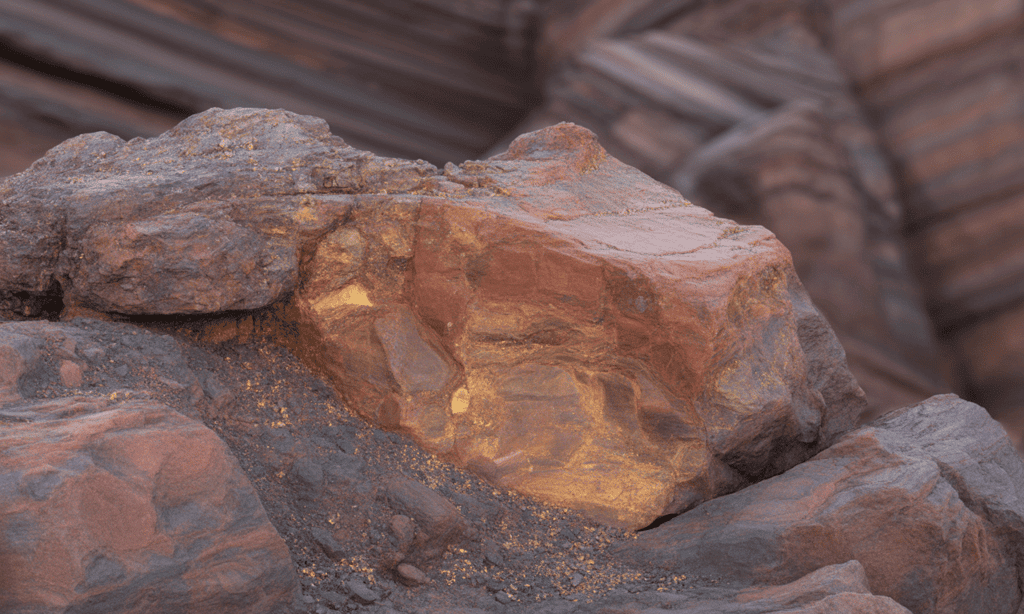
Explanation: Iron ore contains iron as its chief constituent and is therefore classified as a ferrous mineral. The other options do not have iron as their main component: copper is a non-ferrous metal, bauxite is the principal ore of aluminium, and mica is a non-metallic mineral.
Iron ore is a ferrous mineral, containing iron. The other options are non-ferrous minerals.
Q2. Which type of coal is considered the highest quality?
a) Lignite
b) Bituminous
c) Anthracite
d) Peat
Ans: (c)
Explanation: Anthracite has the highest carbon content and the greatest heating value among the coal types listed, making it the best quality coal. Lignite and peat have much lower carbon content, while bituminous coal is intermediate in quality.
Anthracite is the highest quality coal, known for its high carbon content and heating value. The other types have lower carbon content.
Q3. Where are placer deposits typically found?
a) In igneous rocks
b) In valley sands or hill bases
c) In ocean beds
d) In metamorphic rocks
Ans: (b)
Explanation: Placer deposits form where running water concentrates heavy mineral particles. They are commonly found in valley sands, along riverbeds and at the bases of hills where water action sorts and concentrates minerals such as gold, tin and gemstones.
Placer deposits are typically found in valley sands or hill bases, where minerals are concentrated by water action.
Q4. Which state is the largest producer of bauxite in India?
a) Rajasthan
b) Odisha
c) Gujarat
d) Jharkhand
Ans: (b)
Explanation: Odisha has the largest bauxite reserves and leads production in India. Its deposits supply the aluminium industry and are concentrated in several plateaux and hill regions of the state.
Odisha is the largest producer of bauxite in India, contributing significantly to the country's aluminium production.
Q5. Which of the following is a non-conventional source of energy?
a) Coal
b) Petroleum
c) Solar energy
d) Natural gas
Ans: (c)
Explanation: Solar energy is renewable and considered a non-conventional source because it does not rely on finite fossil fuels. Coal, petroleum and natural gas are conventional fossil fuels and are non-renewable.
Solar energy is a non-conventional source of energy, unlike the fossil fuels listed in the other options.
Q6. Define a mineral and give one example.
Ans: A mineral is a naturally occurring, inorganic substance that has a definite chemical composition and a regular internal structure. Example: Quartz.
Q7. Name two major iron ore belts in India and mention one state associated with each.
Ans: Iron ore belts in India:
- Odisha-Jharkhand belt: Associated with Odisha.
- Durg-Bastar-Chandrapur belt: Linked to Chhattisgarh.
Q8. What is the importance of manganese in the steel industry?
Ans: Manganese is important in steel making for these reasons:
- It is essential for producing steel and for making ferromanganese alloys.
- About 10 kg of manganese is commonly used to produce one tonne of steel.
- Manganese improves the strength, hardness and durability of steel.
Q9. Explain how bauxite is formed and name two regions in India where major bauxite deposits are found.
Ans: Bauxite is formed by the intense weathering and leaching of rocks in warm, humid climates. Soluble elements are removed, leaving a residual, aluminium-rich material near the surface (laterite type deposits). Major bauxite regions in India include:
- Amarkantak plateau
- Bilaspur-Katni plateau
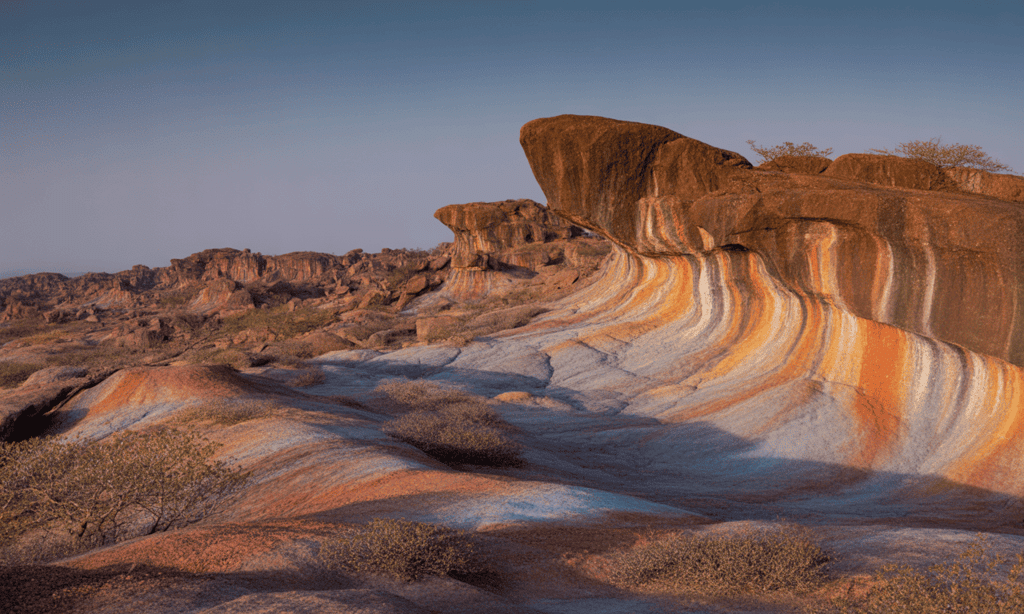 Plateau
Q10. Describe the hazards of mining to the environment.
Ans: Mining causes several environmental hazards:
- Water contamination: Pollutants from mines and tailings can enter rivers and groundwater, affecting drinking water and aquatic life.
- Land degradation: Dumping of waste rock and slurry damages land, reduces soil fertility and makes land unsuitable for agriculture.
- Increased pollution: Dust, chemical run-off and effluents raise pollution levels in nearby streams and air.
- Ecosystem disruption: Mining destroys habitats, reduces biodiversity and disturbs the balance of local ecosystems.
Q11. What are gobar gas plants, and what are their two main benefits?
Ans: Gobar gas plants use cattle dung (gobar) to produce biogas through anaerobic digestion. Two main benefits are:
- They provide a clean source of energy for cooking and small-scale electricity generation.
- They produce improved organic manure as a by-product, reducing the need to burn dung cakes or cut wood and so helping to reduce deforestation.
Q12. Discuss the characteristics of ferrous minerals and describe two major iron ore belts in India.
Ans: Characteristics of ferrous minerals:
- They contain iron as a principal constituent; examples include iron ores and manganese.
- They are vital for the iron and steel industry, which underpins many other industries.
- Ferrous minerals make up a large share of the value of metallic mineral production in India.
- They support metallurgical industries and contribute to exports and economic growth.
Major Iron Ore Belts in India:
- Odisha-Jharkhand Belt: Rich in high-grade hematite; important mines include Badampahar in Mayurbhanj (Odisha) and Gua/Noamundi in Singhbhum (Jharkhand).
- Durg-Bastar-Chandrapur Belt: Known for very high-grade hematite such as the Bailadila hills in Bastar (Chhattisgarh); ore from here is exported through ports such as Vishakhapatnam.
Q13. Explain the importance of non-conventional energy sources and describe two types with their significance in India.
Ans: Importance of Non-Conventional Energy Sources:
- They are renewable and help reduce dependence on limited fossil fuels like coal and petroleum.
- They support sustainable meeting of growing energy demand across agriculture, industry and transport.
- They aid environmental conservation by reducing pollution and greenhouse gas emissions where deployed.
Two Types and Their Significance:
Solar Energy: Solar power converts sunlight into electricity using photovoltaic panels or solar thermal systems. It is especially significant for India because of abundant sunlight across large parts of the country. Solar energy helps rural electrification, reduces reliance on diesel generators, lowers electricity costs in the long run and supports climate goals.
Wind Energy: Wind power is generated by turbines that convert wind movement into electricity. India has large wind farms, notably across Tamil Nadu (from Nagercoil to Madurai), and wind energy supplies clean power to the grid. It contributes to energy diversity, reduces fossil fuel use and helps India meet its renewable energy targets.
FAQs on Unit Test (Solutions): Minerals and Energy Resources
| 1. What are the different types of minerals and how are they classified? |  |
| 2. What is the significance of energy resources, and what are the main types? | |
| 3. How do minerals impact the economy of a country? | |
| 4. What are some environmental concerns associated with mineral extraction? | |
| 5. What are fossil fuels, and why are they important? | |




