Grade 1 Exam > Grade 1 Notes > Science > Chapter Notes: Plants and Their Parents
Chapter Notes: Plants and Their Parents


Introduction
Plants are amazing living things that grow all around us! They give us food, oxygen, and make our world beautiful. In this chapter, we learn about what plants need to stay alive, the different parts of a plant, what those parts do, how plants are related to their parents, the types of plants, and where special plants like water lilies, saguaros, bearberries, powdery strap air plants, turtle grass, and giant sequoias live. Let's explore the wonderful world of plants!
What Do Plants Need to Survive?
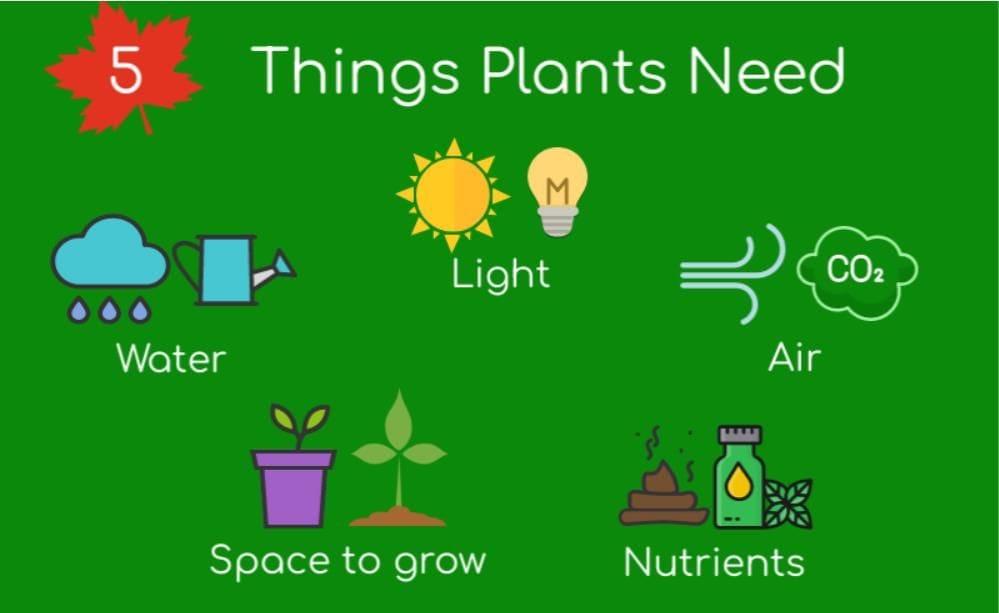
- Plants need certain things to grow and stay healthy.
- These things help plants live and make their own food.
- Sunlight
- Plants need sunlight to make their food.
- Sunlight gives plants energy to grow.
- Green parts of plants use sunlight to make food in a process called photosynthesis.
- Water
- Plants need water to stay alive.
- Water helps plants carry food and nutrients to all their parts.
- Roots drink water from the soil.
- Air
- Plants need air, especially carbon dioxide, to make food.
- They take in carbon dioxide through tiny holes in their leaves called stomata.
- Plants give out oxygen, which we breathe.
- Nutrients
- Plants need nutrients from the soil to grow strong.
- Nutrients are like food for plants, helping them build their parts.
- Roots take in nutrients like nitrogen and minerals from the soil.
- Space
- Plants need space to grow their roots, stems, and leaves.
- Without enough space, plants cannot spread out and grow properly.
Plant Parts
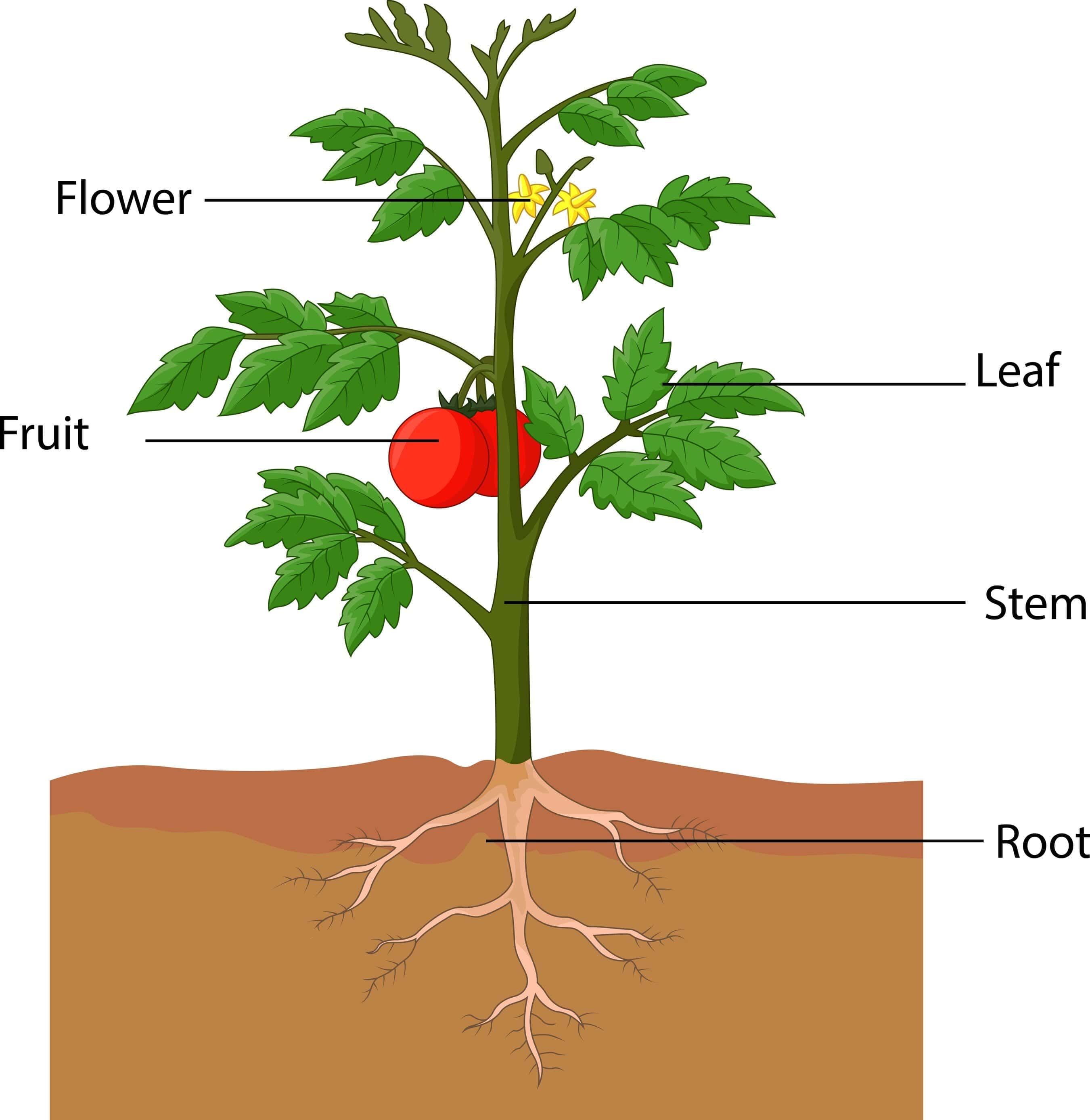
Plants have different parts, and each part has a special job.
Here are the main parts of a plant:
- Roots
- Roots are the part of the plant that grows under the ground.
- They look like thin or thick strings.
- Stem
- The stem is the part that holds the plant up.
- It grows above the ground and connects the roots to the leaves.
- Leaves
- Leaves are usually green and flat.
- They grow from the stem or branches.
- Flowers
- Flowers are the colorful parts of some plants.
- They can be many shapes and colors, like red, yellow, or pink.
- Fruits
- Fruits grow from flowers.
- They hold seeds inside them.
- Seeds
- Seeds are small parts inside fruits.
- They can grow into new plants.
What Plant Parts Do
Each plant part has an important job to help the plant live and grow:- Roots
- Roots hold the plant in the ground so it doesn't fall over.
- They take in water and nutrients from the soil.
- Some roots, like carrots, store food for the plant.
- Stem
- The stem holds up the leaves, flowers, and fruits.
- It carries water and nutrients from the roots to the leaves.
- It also carries food from the leaves to other parts of the plant.
- Leaves
- Leaves make food for the plant using sunlight, water, and carbon dioxide.
- This process is called photosynthesis.
- Leaves have tiny holes called stomata that let in air and let out oxygen.
- Flowers
- Flowers help the plant make new plants.
- They attract bees and other insects to carry pollen for reproduction.
- Flowers turn into fruits after pollination.
- Fruits
- Fruits protect the seeds inside them.
- They help spread seeds when animals eat the fruit and drop the seeds.
- Some fruits, like apples, are food for us.
- Seeds
- Seeds can grow into new plants.
- They are carried by wind, water, or animals to new places to grow.
- Seeds have a baby plant inside called an embryo.
Match Plants to Their Parents
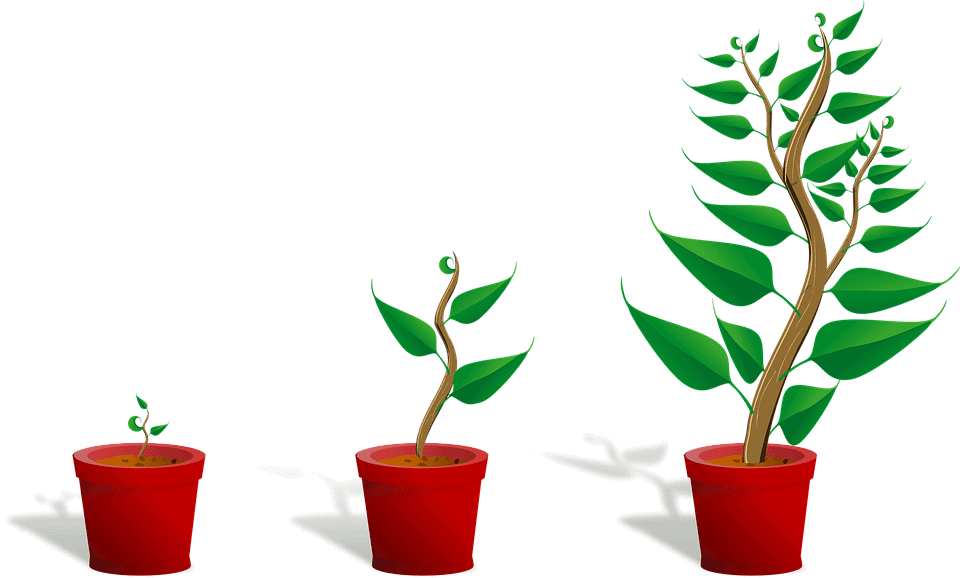
- Plants make new plants that are like their parents.
- New plants come from seeds or other parts of the parent plant.
- How Plants Make New Plants
- Seeds from a parent plant grow into new plants that look like the parent.
- For example, an apple seed grows into an apple tree, just like its parent.
- Some plants grow new plants from their roots, stems, or leaves.
- Examples of Plants and Their Parents
- An oak tree seed grows into a new oak tree.
- A sunflower seed grows into a new sunflower plant.
- A potato plant can grow new plants from pieces of the potato (stem).
- A strawberry plant can grow new plants from runners (stems).
- Why New Plants Are Like Their Parents
- New plants get traits from their parent plants, like flower color or leaf shape.
- This makes the new plant look similar to the parent plant.
- For example, a red rose's seeds make new rose plants with red flowers.
Types of Plants
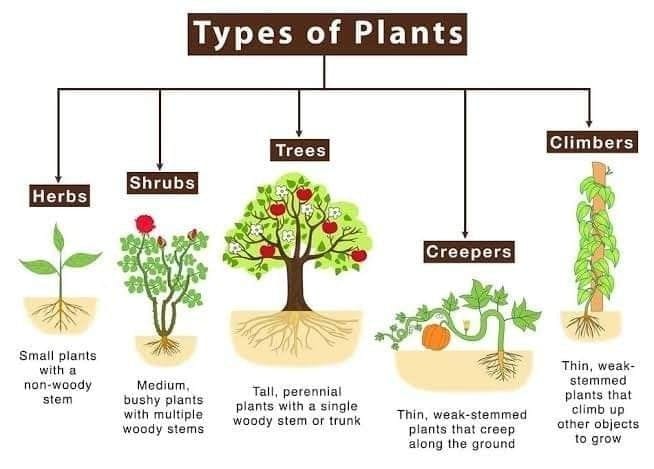
Plants come in different types based on their size, shape, and where they grow:
- Trees
- Trees are tall and have a thick, woody stem called a trunk.
- They have many branches and live for many years.
- Examples: Oak tree, apple tree, pine tree.
- Shrubs
- Shrubs are smaller than trees and have many woody stems.
- They are bushy and live for many years.
- Examples: Rose bush, blueberry bush.
- Herbs
- Herbs are small plants with soft, green stems.
- They usually live for a short time, like a few months.
- Examples: Basil, mint, parsley.
- Climbers
- Climbers have weak stems and need support to grow up.
- They climb on walls, trees, or fences.
- Examples: Grape vine, pea plant.
- Creepers
- Creepers have weak stems and grow along the ground.
- They spread out and cover the ground.
- Examples: Pumpkin, watermelon.
- Water Plants
- Water plants grow in water, like ponds or rivers.
- They have special parts to live in wet places.
- Examples: Water lily, lotus.
Where Do Water Lilies and Saguaros Live?
Water Lilies
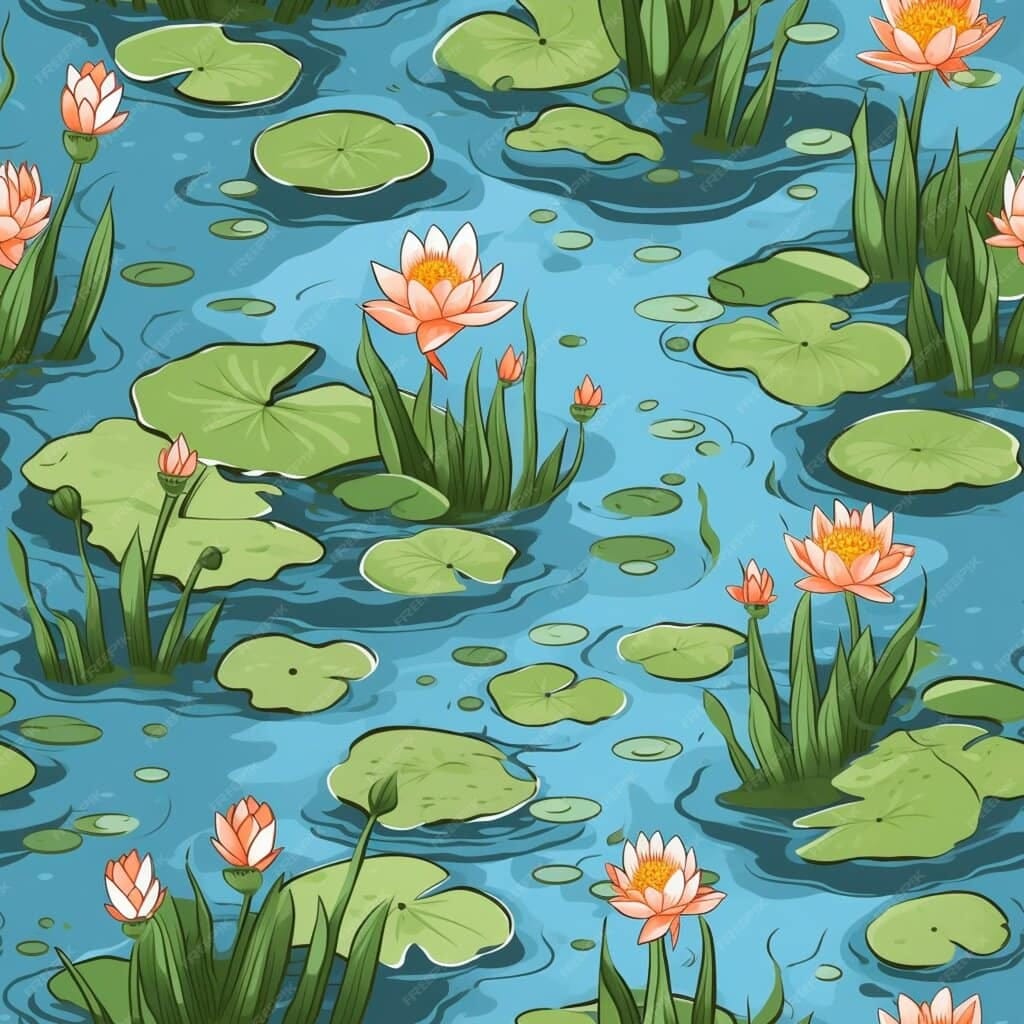
- Water lilies live in water, like ponds, lakes, or slow-moving rivers.
- They have flat, round leaves that float on the water's surface.
- Their roots grow in the muddy bottom of the water.
- They need still or calm water to grow well.
Saguaros

- Saguaros are tall cacti that live in deserts.
- They grow in hot, dry places like the Sonoran Desert in the United States.
- They store water in their thick stems to survive with little rain.
- They have spines instead of leaves to protect themselves.
Where Do Bearberries and Powdery Strap Air Plants Live?
Bearberries
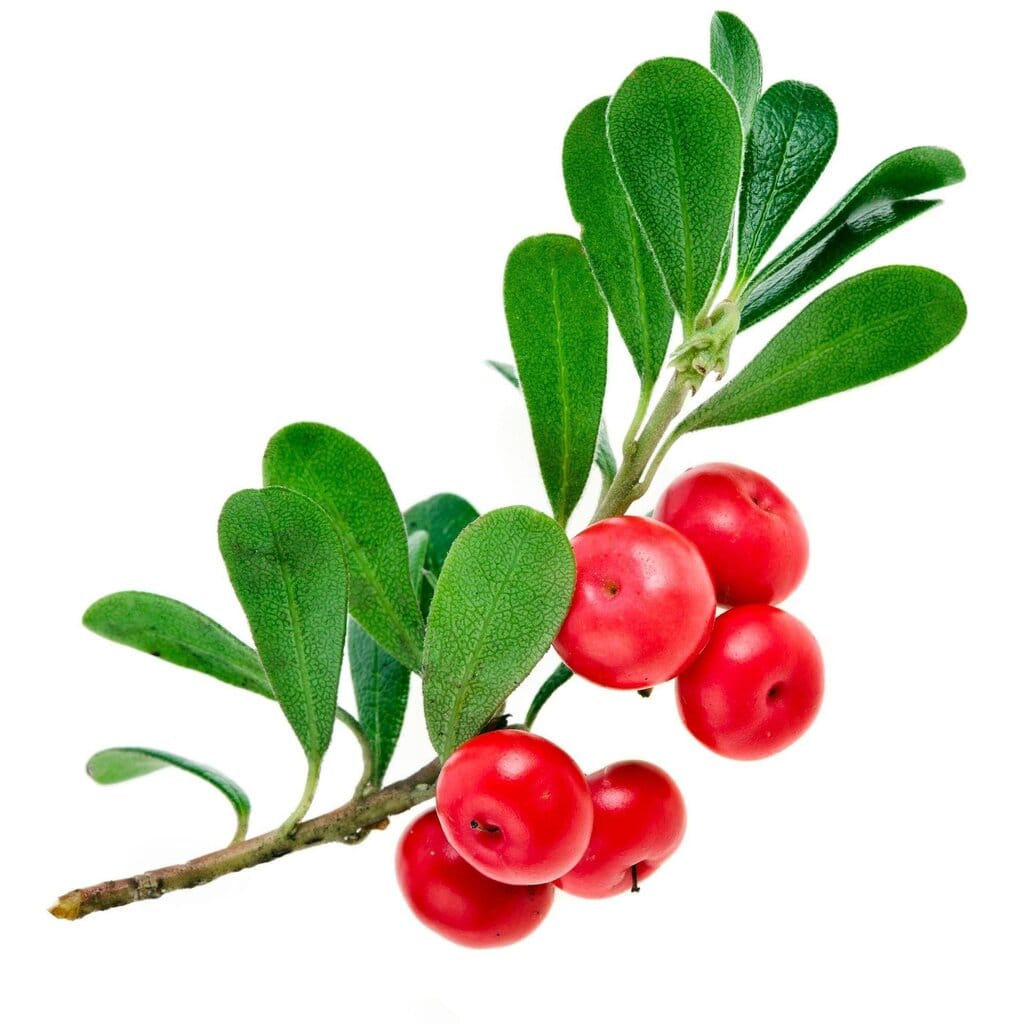
- Bearberries are small shrubs that grow in cold, rocky places.
- They are found in places like the Arctic, mountains, or northern forests.
- They grow close to the ground to stay safe from strong winds.
- They have small, tough leaves and red berries.
Powdery Strap Air Plants
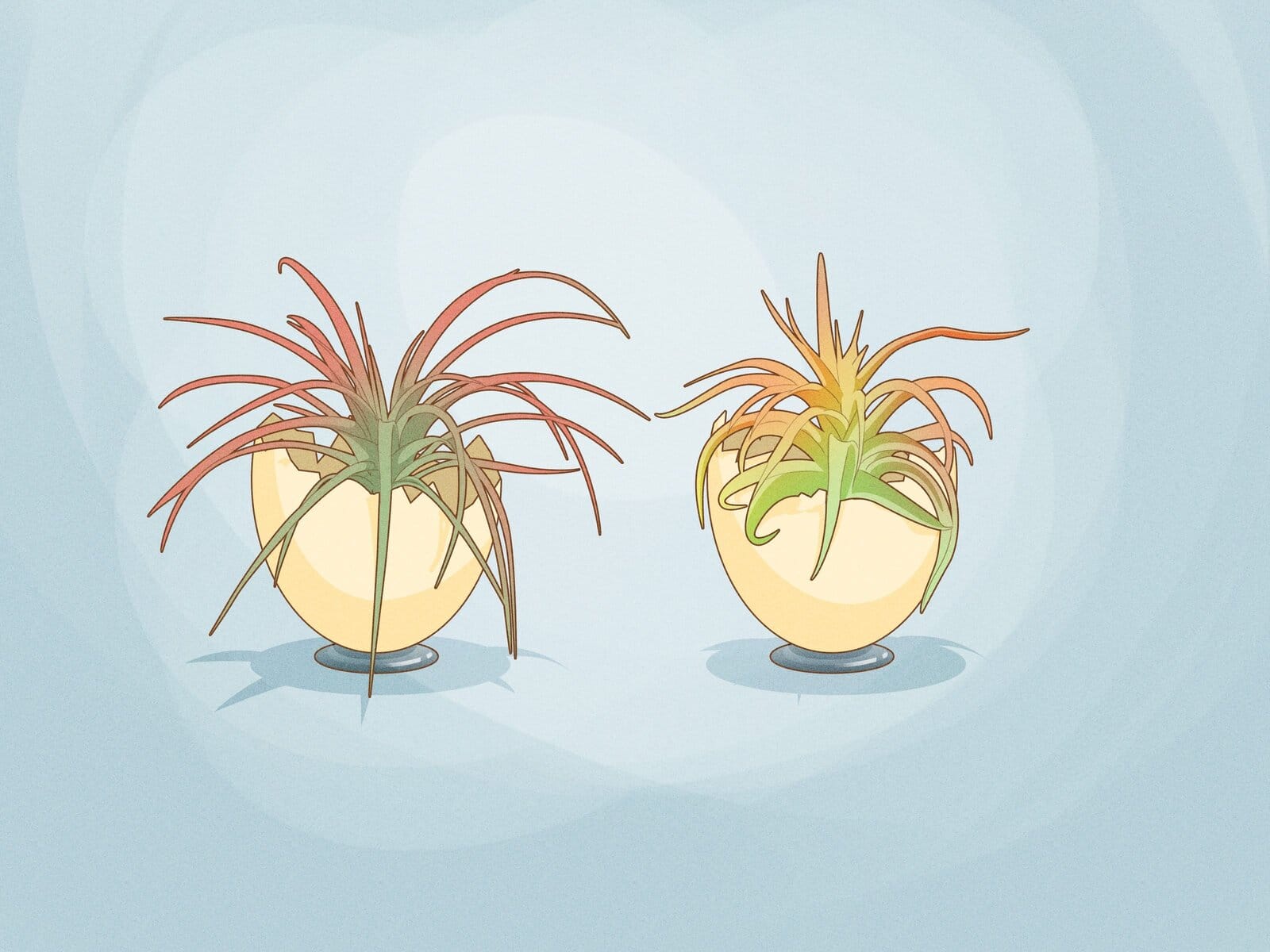
- Powdery strap air plants are special plants called air plants.
- They grow on trees, rocks, or other surfaces, not in soil.
- They live in warm, humid places like forests in Central and South America.
- They take water and nutrients from the air through their leaves.
Where Do Turtle Grass and Giant Sequoias Live?
Turtle Grass
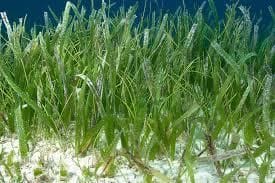
- Turtle grass is a plant that grows underwater in the ocean.
- It lives in shallow, warm coastal waters, like near beaches or bays.
- It has long, green blades that look like grass and grow in sandy ocean floors.
- It provides food and homes for sea animals like turtles.
Giant Sequoias

- Giant sequoias are huge trees that live in forests.
- They grow in the Sierra Nevada mountains in California, USA.
- They need cool, moist air and rich soil to grow tall.
- They are some of the tallest and oldest trees in the world.
The document Chapter Notes: Plants and Their Parents is a part of the Grade 1 Course Science for Grade 1.
All you need of Grade 1 at this link: Grade 1
FAQs on Chapter Notes: Plants and Their Parents
| 1. What do plants need to survive? |  |
Ans.Plants need sunlight, water, air, nutrients, and space to grow. Sunlight provides the energy for photosynthesis, which allows plants to make their own food. Water is essential for transporting nutrients and maintaining structure. Air, particularly carbon dioxide, is necessary for photosynthesis. Nutrients from the soil help in growth and development. Finally, plants need enough space to spread their roots and grow without competition from other plants.
| 2. What are the main parts of a plant? | |
Ans.The main parts of a plant include the roots, stem, leaves, flowers, and seeds. Roots anchor the plant in the soil and absorb water and nutrients. The stem supports the plant and transports water and nutrients between the roots and leaves. Leaves are responsible for photosynthesis and gas exchange. Flowers are involved in reproduction, and seeds are the means by which plants reproduce and spread.
| 3. How do different plant parts function? | |
Ans.Every part of a plant has a specific function. Roots take in water and nutrients from the soil. The stem supports the plant and acts as a conduit for water and nutrients. Leaves capture sunlight and carry out photosynthesis. Flowers attract pollinators and produce seeds. Seeds contain the embryo of the plant and provide a means for the plant to reproduce and spread.
| 4. Where do water lilies and saguaros typically grow? | |
Ans.Water lilies grow in freshwater habitats like ponds and lakes, where their roots are anchored in the mud while their leaves float on the surface. Saguaros, on the other hand, are native to the Sonoran Desert in North America, thriving in dry, arid conditions and requiring very little water to survive.
| 5. What types of environments do bearberries and powdery strap air plants prefer? | |
Ans.Bearberries typically grow in colder, mountainous regions and can thrive in rocky, sandy soils. They are often found in areas that have full sun exposure. Powdery strap air plants, also known as Tillandsia, prefer warm, humid environments and can often be found in tropical forests or areas with high humidity, where they attach to trees or rocks to absorb moisture and nutrients from the air.
About this Document

4.70/5 Rating

Apr 21, 2026 Last updated
Related Exams
Document Description: Chapter Notes: Plants and Their Parents for Grade 1 2026 is part of Science for Grade 1 preparation. The notes and questions for Chapter Notes: Plants and Their Parents have been prepared according to the Grade 1 exam syllabus. Information about Chapter Notes: Plants and Their Parents covers topics like and Chapter Notes: Plants and Their Parents Example, for Grade 1 2026 Exam. Find important definitions, questions, notes, meanings, examples, exercises and tests below for Chapter Notes: Plants and Their Parents.
Introduction of Chapter Notes: Plants and Their Parents in English is available as part of our Science for Grade 1 for Grade 1 & Chapter Notes: Plants and Their Parents in Hindi for Science for Grade 1 course. Download more important topics related with notes, lectures and mock test series for Grade 1 Exam by signing up for free. Grade 1: Chapter Notes: Plants and Their Parents
Description
Chapter Notes: Plants & Their Parents of Science with clear explanations of key concepts & important topics of the chapter, to help you underst& lessons better & revise quickly, & crack the Grade 1 exam.
Information about Chapter Notes: Plants and Their Parents
In this doc you can find the meaning of Chapter Notes: Plants and Their Parents defined & explained in the simplest way possible. Besides explaining types of Chapter Notes: Plants and Their Parents theory, EduRev gives you an ample number of questions to practice Chapter Notes: Plants and Their Parents tests, examples and also practice Grade 1 tests



Related Searches
pdf , Chapter Notes: Plants and Their Parents, Viva Questions, Extra Questions, shortcuts and tricks, Previous Year Questions with Solutions, video lectures, past year papers, Chapter Notes: Plants and Their Parents, Semester Notes, Chapter Notes: Plants and Their Parents, MCQs, Important questions, mock tests for examination, Summary, Free, ppt, practice quizzes, Objective type Questions, study material, Exam, Sample Paper;