Land surface & Ground Water- 2

Conservation and Management of Water Resources
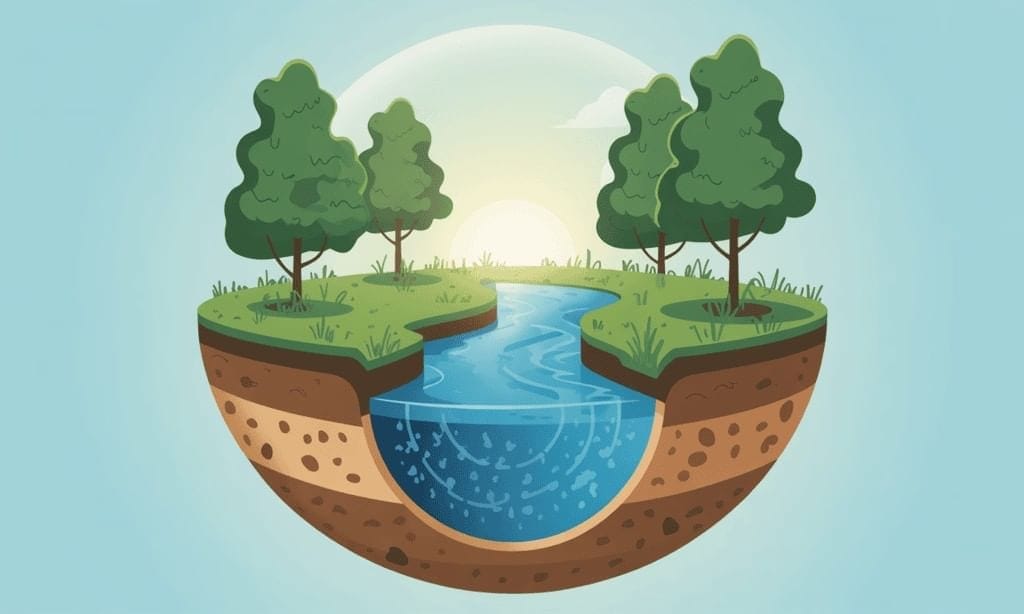 Water Resource ManagementWater is becoming a scarce resource, threatening our livelihoods and lives. For millions, freshwater scarcity is linked to poor quality as much as it is to insufficient quantity. According to the United Nations Population Fund (UNFPA) in 2001, in the next 25 years, one-third of the global population will face severe water shortages. Currently, over 1 billion people lack access to safe drinking water, and 3 billion (half of the world) do not have basic sewage systems. More than 90% of sewage produced in developing nations is returned untreated to the environment. Without proper water management, we may continue to experience issues like the lack of drinking water due to pollution, even in areas with above-average rainfall.
Policy Decisions for Water Management
As populations grow and economies develop, important long-term policy decisions must be made regarding:
- Regeneration of water resources
- Regulation of water use
- Allocation of water supplies
- Balancing the needs for drinking water, sanitation, and industrial and agricultural demands
Effective water management involves ensuring:
- Quality water is available for all purposes
- No wastage or misuse of this vital resource
Groundwater Recharge and Supply Diversion
Management includes:
- Recharging groundwater reserves
- Diverting water from areas of surplus to those in need
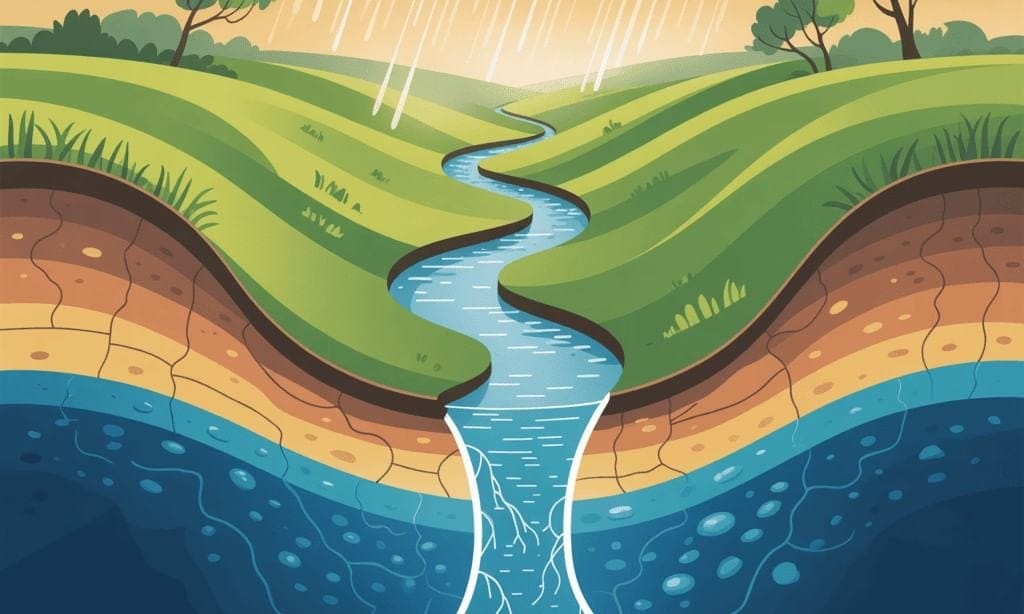
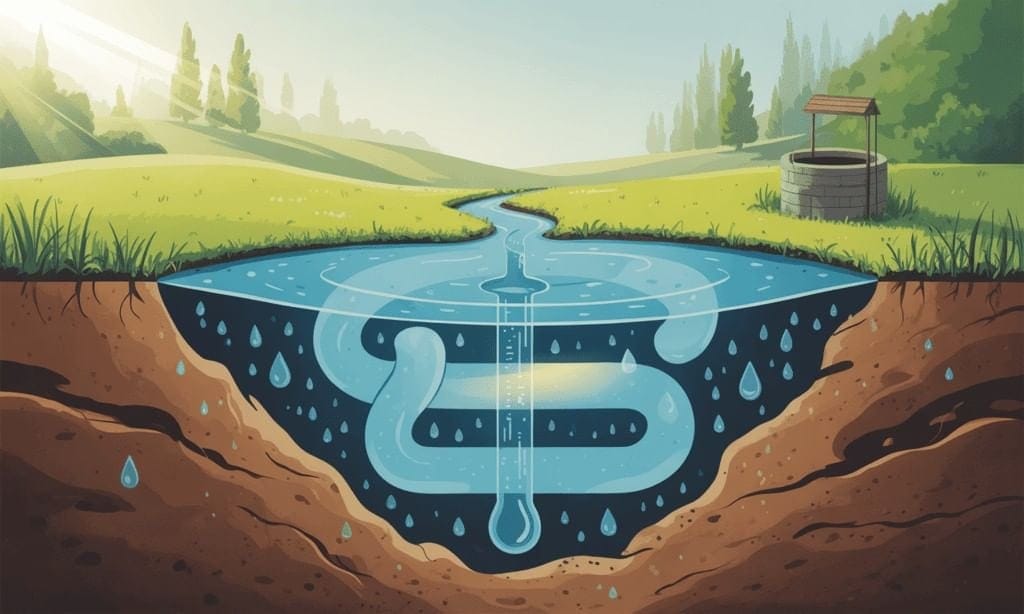
Recharging groundwater is crucial. In mountainous areas, vegetation in watersheds helps rainwater infiltrate the soil and reach aquifers.
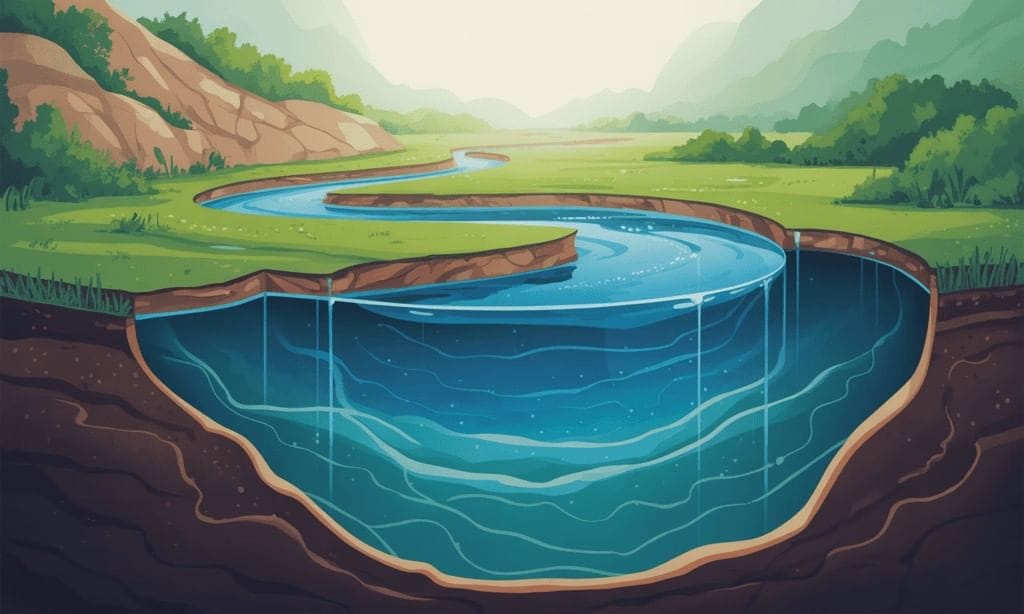
In urban and rural regions, stormwater or used water can be directed into pits or depressions for underground filtration.
Floodwater can be redirected into aquifers via deep pits or spread across fields with ditches, mitigating flood damage while aiding water-scarce areas.
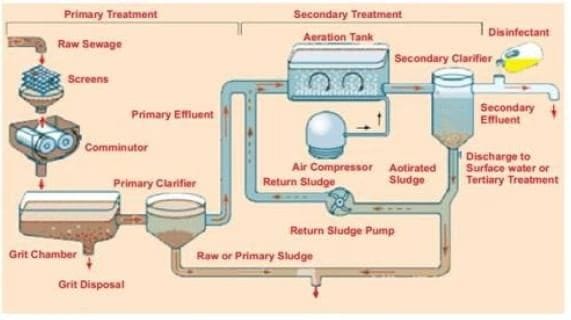
Treating Wastewater for Reuse
Proper treatment of domestic and municipal wastewater can provide water suitable for many industrial and agricultural uses. This treatment removes:
- Pollutants
- Germs
- Toxic substances
Methods for treating wastewater include settling heavy particles, adding alum and caustic soda for finer particles, and filtering through sand or earth. Air is then blown through to remove carbon dioxide and hydrogen sulfide, adding oxygen for purification. Chlorination with appropriate doses of chlorine kills harmful germs, making the water safe to use.
The cultivation of algae or water hyacinth can also help clean water by absorbing nutrients like phosphates and nitrates, while these plants can be used to produce biogas.
Non - Renewable Land Resources
After exploring renewable resources like water and forests, it is important to understand our non-renewable resources, such as land, minerals, and oceanic resources, which cannot be regenerated or expanded.
Land Resources
Land is a fundamental resource. As mentioned previously, it is the basis of the entire ecological system and the habitat for all terrestrial plants and animals. The ability of land to support life and various human and animal activities depends on:
- The biological productivity of the land
- The load-bearing capacity of soil and rocks
Land and Soil Resources
 Soil Degradation
Land is under heavy pressure due to the increasing population. In 1901, there were 238 million people living on this land, but now it is shared by over 1200 million people. Poor management practices, such as excessive tree cutting and deforestation, have severely damaged the quality of soil and landscapes.
Soil Resources
Soil, which is the top layer of land, is the most important resource because it supports ecosystems, provides food and fodder through plants, and stores water essential for life. Soil is made up of sand, silt, and clay, mixed with air and moisture, and is rich in organic and mineral nutrients.
The type of soil varies by location. Fertile soils are rich in organic matter and can hold water and oxygen well. The major soil types found in India are:
- Red soil is found in the plateaus and lowlands of eastern Bihar, Madhya Pradesh, Jharkhand, Chhattisgarh, Odisha, Kerala, Karnataka, and Andhra Pradesh, where rainfall ranges from 100-300 cm/year and temperatures exceed 22°C. This soil is suitable for crops like potatoes, bananas, pineapples, and rubber.
- Black soil covers the Deccan and Malwa plateaus in western and central India and has a loamy texture. It is highly fertile, supporting mixed grasslands, forests, and crops such as sugarcane, groundnut, soybean, cotton, and rice.
- Desert soil in western and northwestern India has low organic matter and is generally less fertile, but with water, it can become very productive.
- Alluvial soil in the Indo-Gangetic plains and delta regions of Bengal, Odisha, Andhra Pradesh, Tamil Nadu, Kerala, and Gujarat has a loamy texture and varies in thickness. This soil is extremely productive and can support a variety of crops.
- Marshy soil found in low-lying wetlands and deltas of the Ganga, Godavari, Krishna, Kaveri, and in Kerala's river basins is rich in organic matter and very fertile due to decomposed dung and plant material.
- Mountainous soil in the Himalayan region is ash grey to pale yellow-brown and has low fertility, supporting oak and coniferous plants like pines and deodar.
Processes Involved in Soil Formation
- Weathering of Rocks: This process is slow and continuous, leading to the breakdown of parent rocks through physical, chemical, and biological actions.
- Physical Weathering: Caused by mechanical forces, it includes temperature fluctuations that create cracks in rocks. Water freezes in these cracks, expanding and breaking the rocks further. Agents like hail, rainfall, and fast-flowing streams also contribute, as does wind carrying sand particles that erode rock surfaces. Tree roots can penetrate rocks, aiding disintegration over time.
- Chemical Weathering: Rocks can also change chemically during disintegration. Water plays a key role in this process through the dissolution or reaction of rock components. Warm temperatures and the presence of dissolved materials enhance chemical weathering. Hydrolysis, where water dissociates into H+ and OH- ions in the presence of carbon dioxide and organic acids, helps form silicate clays. Oxidation and carbonation are also significant processes.
- Mineralisation and Humification: After physical weathering, rocks break into smaller pieces, but this material is not true soil. For effective plant growth, further development through biological agents is necessary, leading to mineralisation and humification.
Soil Formation and Organic Matter
 Soil Formation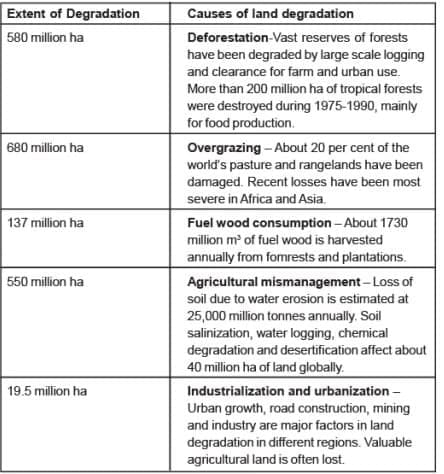
Initially, when soil is forming, there isn't much organic matter because plants and soil animals are not yet well established. In these early soils, only small plants like algae, lichens, and mosses can grow. These tiny plants add organic matter to the soil when they die and decompose. As time goes on, different plants, animals, and microorganisms start to live in these soils and contribute organic matter through their waste and dead bodies. This organic material eventually gets broken down into simpler substances.
The process of breaking down organic material is called decomposition, and it is done by various microorganisms such as bacteria and fungi. They convert organic materials into different compounds like polysaccharides, proteins, fats, lignins, waxes, and resins. These compounds are further changed into simple products like carbon dioxide, water, and minerals. This second process is called mineralisation. The remaining organic matter that is not fully decomposed after mineralisation is known as humus, and the process of its formation is called humification. Humus is a dark, thick substance that provides essential energy and nutrients for various soil microorganisms. It is important because it gives soil a loose texture, which helps with aeration. Humus is also colloidal, meaning it can absorb and retain water and nutrients effectively, significantly improving soil fertility.
Changes Caused by Agriculture and Overgrazing
Human activities in farming and animal husbandry have caused environmental changes that can be classified into two main types: (a) changes from traditional agriculture; (b) changes from modern agriculture.
Traditional Agriculture
- Land damage.
- Deforestation and loss of soil structure.
- Soil erosion.
- Depletion of soil nutrients.
Modern Agriculture
- Excessive irrigation leading to salinisation and water logging due to rising water tables.
- Depletion of groundwater resources.
- Use of chemical fertilisers that accelerate the loss of micronutrients and cause eutrophication in water bodies.
- Plant protection chemicals that can contaminate food and harm non-target organisms.
- High-yielding varieties that promote market-oriented farming, encourage monoculture, and lead to disease outbreaks and loss of genetic diversity.
Land Degradation
Land degradation refers to the decline in land quality. It is generally defined as a decrease in the soil's ability to produce quality goods and services. Human actions that cause land degradation include:
- Deforestation.
- Agriculture.
- River damming.
- Industrial activities.
- Mining.
- Development projects like roads and settlements.
Natural disasters, such as droughts, floods, landslides, and earthquakes, also contribute to land degradation. Land use has changed significantly as human societies have evolved. In the past, nature could restore itself effectively. However, today, over-exploitation of land and soil degradation have become serious issues. The following table outlines the extent and causes of global land degradation.
Land and Soil
Environmental degradation has not only caused water tables to drop but has also led to land degradation, soil erosion, and desertification. Notably, only about 10% of the world's land area is suitable for crops or permanent plantations. The rest is either too steep, cold, hot, wet, or dry for cultivation.
In India, it is estimated that between 30% and 50% of both private and common land is ecologically degraded and is often referred to as wasteland. This term describes land that is not producing its potential biomass due to ecological degradation, over-exploitation, or poor management.
Wasteland development involves restoring the land through various soil and water management techniques, planting suitable plant species, protecting them, and sharing the benefits. Currently, the following programmes are being implemented for wasteland development:
- Integrated Wastelands Development Project (IWDP) schemes.
- Technology development extension and training schemes.
- Support for NGOs/voluntary agencies (grant-in-aid) schemes.
- Investment promotional schemes (IPS).
- Wastelands development task force (WDTF).
The Society of Promotion of Wasteland Development (SPWD) has taken on Charagah development in Rajasthan as a key initiative. Charagahs are communal lands designated for cattle grazing in villages. In arid regions like Rajasthan, these lands are vital for sustaining livestock, especially during periods when fodder is scarce.
Significance of Charagahs
 Soil Management
The development of Charagahs is crucial for improving wasteland areas. Successful experiences in wasteland development through voluntary efforts, supported by government agencies, highlight the importance of Charagahs.
Soil and Its Challenges
Soil is the foundation of our environment, supporting buildings, treating waste, and purifying water. However, using soil for various purposes alters its composition, sometimes beneficially but often detrimentally. Farmers today face significant challenges, including:
- Soil erosion
- Soil salinity
- Soil pollution
- Maintaining soil fertility
Soil Erosion
Soil erosion involves the removal of topsoil layers by wind or water, leading to the loss of essential minerals, organic matter, and nutrients. This reduces soil thickness and its water retention capacity, while eroded soil can contaminate water bodies. Although soil formation is a slow process, lost soil can be restored through effective management practices. Key practices to prevent soil erosion include:
- Bunding
- Mulching
- Soil moisture conservation
Maintaining Soil Fertility
To achieve and sustain fertile soil, it is vital to apply organic materials such as:
- Green manures
- Straw
- Fermented manure
These materials enhance soil cohesiveness, increase water retention, and promote a stable soil structure.
Soil Salinity
In arid and semi-arid regions, improper irrigation can lead to the accumulation of soluble salts, resulting in saline or alkaline soils that are unsuitable for plant growth. As water evaporates, salts such as chlorides, sulfates, and bicarbonates accumulate in the soil. The application of gypsum is an effective treatment for alkaline soils, and a proper drainage system is essential for washing out sodium from saline soils. Only the most salt-tolerant plant species can survive in areas with severe soil salinity.
Land Use Planning and Management
Land is a finite resource that is sensitive to climatic and physical changes. Therefore, it should be utilized according to its suitability and capability. The assessment of land suitability and capability is based on factors such as:
- Load-bearing capacity
- Fertility levels
As the population continues to grow, the demand for more land for cultivation increases. Hence, the encroachment of fertile agricultural land for non-agricultural purposes, such as construction, should be minimized. It is essential to exercise caution in selecting sites for:
- Industries
- Dams and water reservoirs
- Mining activities
This ensures that local environmental and socioeconomic conditions remain undisturbed.
Forest Cover in Hill Areas
Whenever feasible, hill areas should be covered with forests, as they offer various benefits, including:
- Providing fuel
- Supplying fodder
- Offering timber
- Creating space for animal farming
Moreover, forests play a crucial role in enhancing groundwater levels by slowing down surface runoff, allowing for better water absorption. This process helps reduce soil erosion and prevents flooding.
Essential Components of Land Management
Proper management of soil is vital, as it takes millions of years for soil to form. The management of soil should focus on two main aspects:
- Controlling and minimizing soil erosion
- Restoring and maintaining soil productivity
Control of Soil Erosion
Effective measures to control soil erosion include:
- Planting grasses, shrubs, and trees to stabilize the soil
- Constructing drainage systems to manage water flow and prevent uncontrolled runoff
Uncontrolled water flow can lead to the formation of narrow channels or gullies, creating deep valleys known as ravines. The famous Chambal ravines are an example of deep soil erosion that is still occurring. To control such erosion, various methods can be employed:
- Building check dams to slow down water flow and promote sediment deposition
- Creating stone walls along coastal areas in states like Maharashtra, Kerala, Andhra Pradesh, and Odisha to protect against erosion from sea waves and currents
To prevent sand movement in deserts and sandy coastal areas, barriers made of trees and shrubs can be planted. In mountainous regions, planting self-propagating trees and shrubs helps strengthen slopes while providing fuel wood and fodder for local communities.
Vulnerable slopes require vegetation cover to prevent erosion. Initially, seeds can be protected with coir netting pegged to the ground. This netting helps control erosion, holds soil together, and adds nutrients to the soil. The rapid growth of grass from the seeds stabilizes the soil and prevents further erosion.
Treatment of Soil Degradation
 Soil Health Management
Soil degradation occurs when soil is overused without giving it a chance to rest, leading to a deficiency in essential nutrients and a loss of fertility. To combat this nutrient deficiency, rotating crops with vegetables like peas and beans is beneficial.
Benefits of Legume Plants
- Legume plants, such as peas, play a crucial role in adding nitrogen to the soil. This not only improves the soil's binding capacity but also enhances its overall productivity.
- Mulching is a practice where the roots, offshoots, and remains of crops are left in the field for a certain period. This practice is advantageous for soil health as it helps in retaining nutrients and conserving moisture, thereby protecting the soil from erosion.
In some regions, over-irrigation can lead to increased salinity and alkalinity in the soil, resulting in a partial or complete loss of productivity. This condition causes the soil to become "sick."
Controlling Soil Degradation
- To mitigate this type of soil degradation, it is crucial to seal all leakage points in canals, reservoirs, tanks, and ponds.
- Additionally, using only the necessary amount of water is essential to prevent further degradation.
FAQs on Land surface & Ground Water- 2
| 1. What are the primary factors affecting the conservation and management of water resources? |  |
| 2. How do non-renewable land resources differ from renewable resources, and why is their management important? | |
| 3. What are the key components of land use planning and management? | |
| 4. What is the significance of soil conservation in relation to land and soil resources? | |
| 5. How does groundwater management impact overall water resource sustainability? | |




