Detailed Summary: Papa’s Spectacles


Introduction
This poem describes a small, funny moment between a child and Papa. It tells how Papa thinks he has lost his spectacles and searches the house in a worried, hurried way, while the spectacles are actually sitting on his head. The language is simple and playful to make young readers smile, and the poem gently shows how ordinary mistakes can turn into warm, humorous family memories. It also encourages careful observation and kindness when we help others.
Detailed Summary
First Stanza
Today our papa
Is searching everywhere,
He has lost his spectacles,
It was his only pair!
In these lines the poet tells us that Papa has misplaced his spectacles. The phrase "It was his only pair" shows why he is worried - without them he finds many everyday tasks difficult. The words make the reader picture Papa moving around the house, anxious to find the glasses that help him see clearly.
Second Stanza
He can't read the newspaper,
He can't watch TV,
He can't cut the vegetables,
Oh! Where can it be?
This stanza explains how the loss affects Papa's day. Because he cannot see properly, he cannot read the newspaper, follow the television, or even perform simple household work like cutting vegetables. The short sentences and the repeated idea of things he "can't" do make the situation sound both serious and a little comic. Young readers can understand how one small thing - losing spectacles - can make ordinary activities hard.
Third Stanza
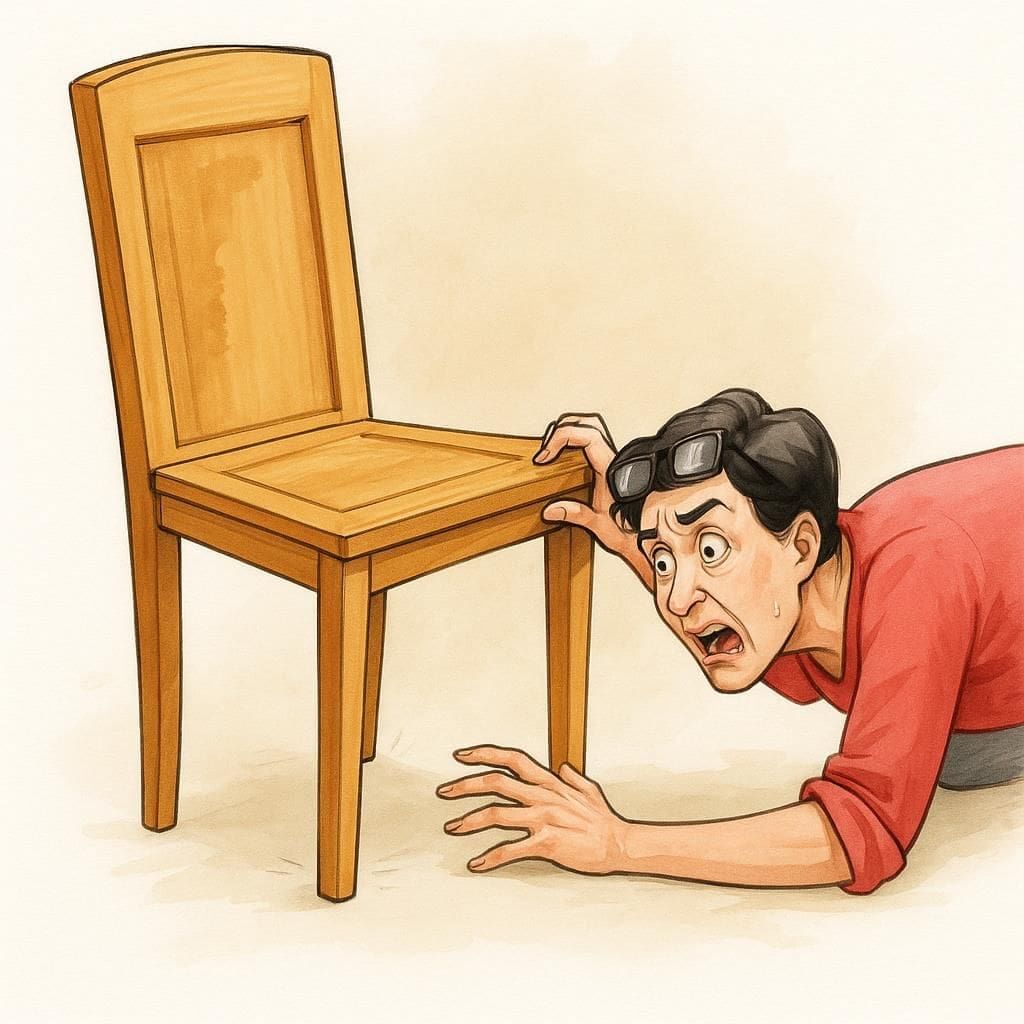
He checked inside his pockets,
He glanced under his chair,
He searched near the window,
He looked everywhere.
Here Papa searches many likely places. He checks his pockets, looks under furniture, and searches near windows; yet he still does not find the spectacles. The stanza shows his growing worry and how thoroughly he looks around. It also sets up the final, surprising moment when the child discovers the truth.
Fourth Stanza
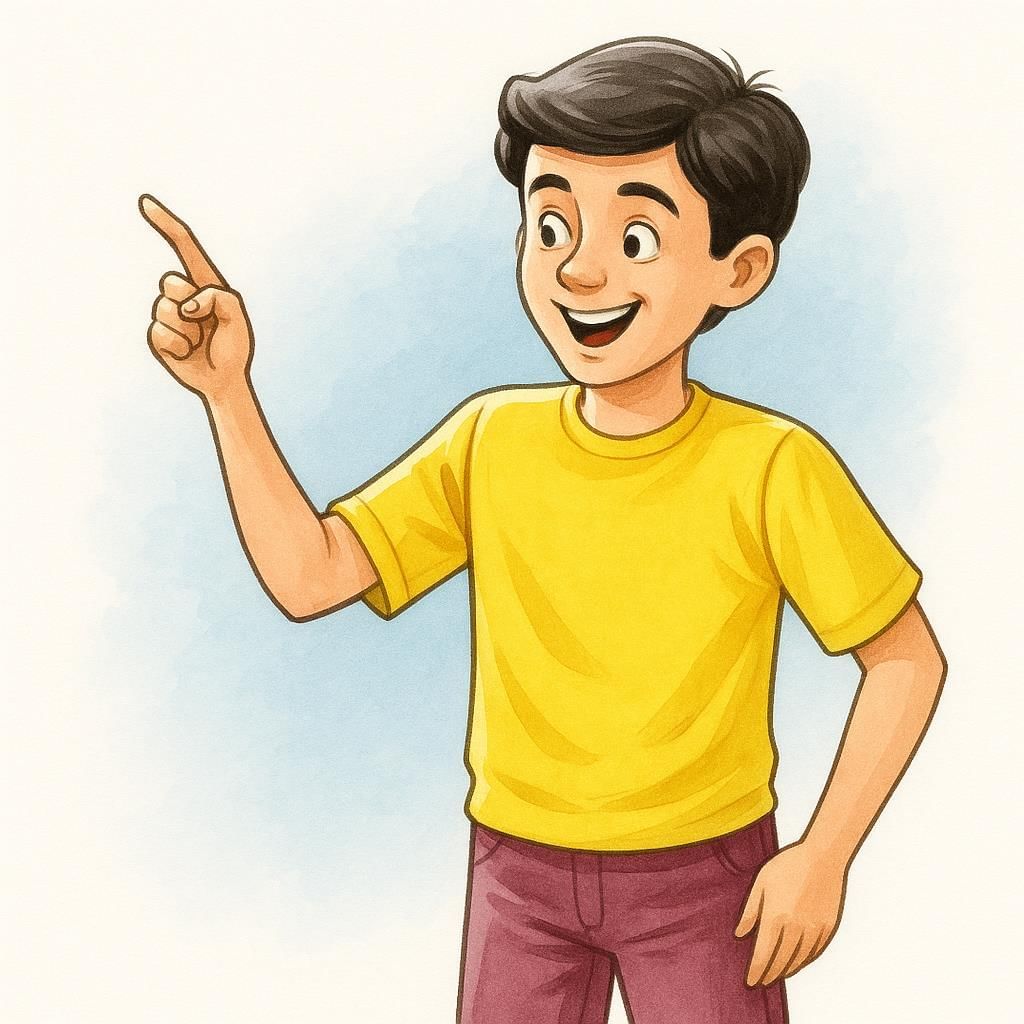
I told him, "Stop, Papa!"
I went up close, and said!
"Papa, your spectacles
Are right there on your head!"
In the last stanza the child calmly points out the silly truth: the spectacles were on Papa's head all along. The child's tone is gentle and helpful rather than mocking. The ending is humorous and warm - a small family scene that ends with laughter and relief. The poem emphasises care, patience, and how children can notice things adults miss.
Theme and Message
- The poem emphasises the loving, caring relationship between a parent and child; small acts of help and simple observations strengthen family bonds.
- It finds humour in everyday life. Losing the spectacles becomes a funny incident, reminding us to laugh at little mistakes instead of getting upset.
- The child's observation shows the importance of being aware of one's surroundings; sometimes what we search for is right before our eyes.
- The poem suggests that staying calm and patient helps solve small problems. The child helps gently without making fun, showing kindness and respect.
- Overall, the poem celebrates ordinary moments that create warm memories, showing how family life is often full of such small, joyful incidents.
Important Lines and Their Meanings
- "He has lost his spectacles" - This line states the problem clearly and immediately; it tells us why Papa is worried.
- "It was his only pair" - This adds urgency and explains Papa's concern.
- "He looked everywhere" - This expresses how much trouble Papa takes to find the spectacles.
- "Papa, your spectacles are right there on your head!" - The final, surprising line which brings humour and relief; it also highlights the child's calm helpfulness.
Difficult Words
- Spectacles: Glasses used to correct or improve vision.
- Frantic: Very worried or upset and acting in a hurried, but not well-planned, way.
- Observe: To look at something carefully so you notice details.
- Newspaper: A printed or digital publication that gives news, articles and information about events.
- Glanced: To look quickly or briefly at something.
Final Summary
This short, pleasant poem uses simple language to tell a small, funny story: Papa loses his spectacles and searches everywhere, only for the child to discover they were on his head. The poem teaches gentle lessons about observation, patience and the loving support between family members, while making readers smile at an ordinary, human moment.
FAQs on Detailed Summary: Papa’s Spectacles
| 1. What is the main story of Papa's Spectacles and why does the father lose his glasses? |  |
| 2. Who are the main characters in Papa's Spectacles NCERT Class 5 story and what roles do they play? | |
| 3. What is the moral lesson or message behind Papa's Spectacles story for Class 5 students? | |
| 4. How does the author use humour in Papa's Spectacles to engage Class 5 readers? | |
| 5. What specific incidents or scenes happen in Papa's Spectacles that make it memorable for CBSE students? | |