Unit Test (Solutions): How the Land Becomes Sacred

Attempt all questions. Time: 1 hour, M.M. 30
- Question numbers 1 to 5 carry 1 mark each.
- Question numbers 6 to 8 carry 2 marks each.
- Question numbers 9 to 11 carry 3 marks each.
- Question numbers 12 to 13 carry 5 marks each.
Q1. The Great Stūpa at Sanchi is a __________ stūpa. (1 mark)
Ans: relic
The Great Stūpa at Sanchi is classified as a relic stūpa. This means it houses sacred relics associated with the Buddha or his close followers and was built to honour and remember them. Such stupas became important centres of worship and pilgrimage in ancient India because devotees visited them to pay respect and gain spiritual merit.
Q.2. Which of the following is a Sikh takht?
a) Bodh Gaya
b) Akal Takht
c) Mount Abu
d) Sabarimala
Ans: (b)
Explanation: The Akal Takht is one of the five takhts (seats of authority) in Sikhism and is located in Amritsar. It functions as a centre for religious and temporal authority for Sikhs. The other options are important sites in other faiths: Bodh Gaya (Buddhism), Mount Abu (Jainism/Hinduism regionally), and Sabarimala (Hinduism).
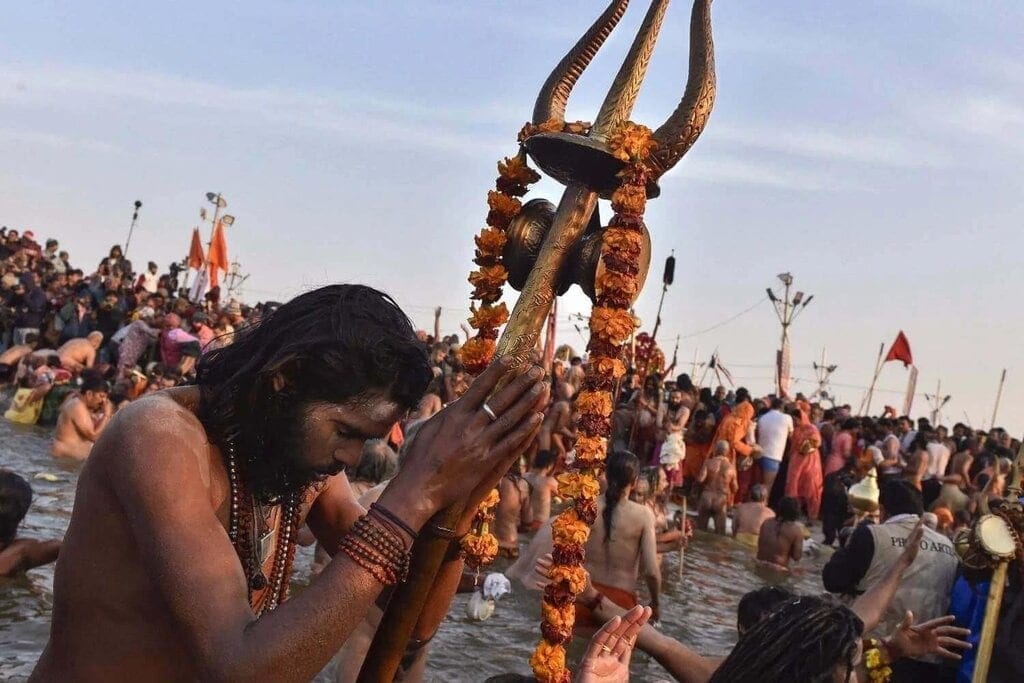
Q.3. The Kumbh Mela is held in how many places? (1 mark)
a) Two
b) Three
c) Four
d) Five
Ans: (c)
Explanation: The Kumbh Mela is celebrated in four locations on a rotating schedule. These four places are important river-bank pilgrimage sites chosen for their sacred rivers and traditional connections to the Kumbh cycle.
The Kumbh Mela is celebrated in four locations:
- Haridwar
- Prayagraj
- Nashik
- Ujjain
Q.4. The Pandharpur wārī is a pilgrimage to the __________ temple. (1 mark)
Ans: Vithoba
The Pandharpur wārī is an annual pilgrimage in Maharashtra devoted to Vithoba, a form of Lord Krishna. Pilgrims, known as Warkaris, travel on foot from many places to reach the Vithoba temple at Pandharpur, taking part in songs, bhajans and communal worship along the way.
Q.5. The nadistuti sūkta is a hymn in praise of __________. (1 mark)
Ans: rivers
The nadistuti sūkta, found in the Rigveda, is a hymn that praises the rivers. It lists and honours many rivers, reflecting how central these watercourses were to ancient life, religion and travel.
Q6. What is meant by sacredness in the context of holy places and pilgrimages? (2 marks)
Ans:
Sacredness in this context means that a place or route is given special religious or spiritual value by people. Key points:
- Such places are believed to be connected with the divine or with important religious events.
- Pilgrimages are journeys made to these places for worship, penance, or seeking blessings.
- Sacredness links beliefs with local geography and cultural traditions, making people treat these places with respect and specific rituals.
This sense of sacredness makes people visit, protect, and pass on the importance of these sites across generations.
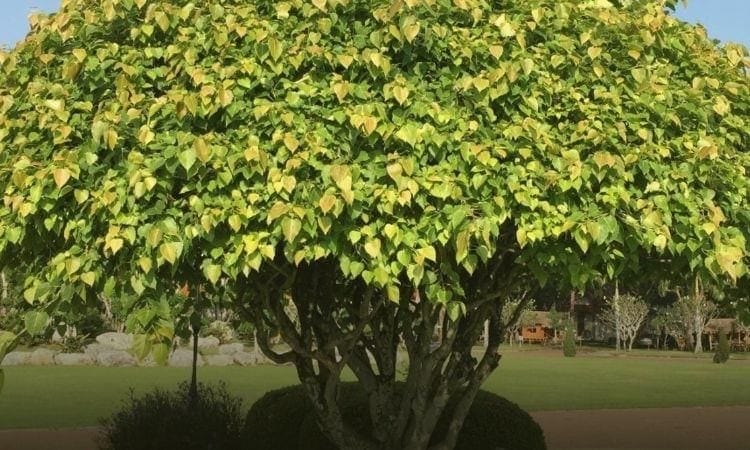
Q7. Why is the peepul tree considered sacred in Indian traditions? (2 marks)
Ans:
The peepul tree (Ficus religiosa) is regarded as sacred for several reasons:
- It is traditionally associated with the Buddha, who attained enlightenment under a peepul (the Bodhi tree) at Bodh Gaya.
- Communities value it for its shade, its role in supporting birds and insects, and some of its parts are used in traditional medicine.
- Because of these beliefs, many people protect peepul trees and treat them as symbols of holiness and life.
Q8. How do sacred groves contribute to environmental conservation in India? (2 marks)
Ans: Sacred groves help conserve the environment through local religious and social practices. Important contributions include:
- They protect native plants and animals, acting as small biodiversity reserves.
- They help conserve water and maintain local micro-climates.
- Traditional rules forbid tree felling, hunting or grazing inside groves, so they remain relatively undisturbed.
- Community respect and rituals encourage local people to care for these areas, although urbanisation and other pressures can threaten them.
Thus, sacred groves combine belief and practice to preserve nature at the local level.
Q9. How do pilgrimage routes contribute to cultural integration across India? (3 marks)
Ans: Pilgrimage routes play a significant role in promoting cultural integration across India through various means:
- Shared Experiences: Pilgrims from different regions travel together or meet at shrines, which encourages exchange of languages, stories and customs.
- Trade Opportunities: Routes used by pilgrims are also used by traders and craftsmen, so goods, ideas and skills are exchanged along the way.
- Unity in Diversity: Regular gatherings at sacred places create a sense of belonging and shared identity among people of diverse backgrounds.
- Preservation of Traditions: Pilgrimages carry songs, rituals and local arts from one place to another, helping preserve and spread cultural practices.
Together, these factors make pilgrimage routes important channels for cultural contact and integration across the subcontinent.
Q10. Describe the significance of rivers in Indian sacred geography. (3 marks)
Ans: Rivers hold great importance in Indian sacred geography for several reasons:
- Worship and Reverence: Rivers like the Ganga and Yamuna have been worshipped since Vedic times and are praised in hymns such as the nadīstuti sūktam.
- Rituals and Traditions: Many religious rites, including offerings and rites for the dead, are performed on riverbanks since water is seen as purifying.
- Pilgrimage Sites: Riverbanks and confluences serve as important pilgrimage centres where devotees bathe to seek spiritual merit.
- Life Sources: Rivers provide water for daily life, agriculture and transport, making them central to settlements and culture.
- Local Respect: People show reverence by using honourifics such as 'Ganga ji' and 'Yamuna ji' and by protecting river-related rituals and festivals.
This combination of practical support and spiritual meaning makes rivers a vital part of India's sacred landscape.
Q11. What is the importance of the Kumbh Mela in Indian tradition? (3 marks)
Ans: The Kumbh Mela is an important religious festival with cultural, spiritual and social significance:
- Spiritual Significance: It is linked to the legend of amrita manthana, and devotees believe bathing in the sacred rivers during the festival cleanses sins and grants spiritual merit.
- Cultural Heritage: The Kumbh Mela is recognised by UNESCO as an intangible heritage and brings together people from many regions, reflecting India's religious diversity.
- Mass Gathering and Exchange: Millions of pilgrims, ascetics and religious teachers meet at the Mela, allowing for religious teaching, cultural exchange and the spread of ideas and practices.
- Cycle and Places: The festival follows a cyclical calendar and rotates among the four sacred places of Haridwar, Prayagraj, Nashik and Ujjain.
Thus, the Kumbh Mela links devotion, community life and cultural continuity on a very large scale.
Q12. Explain how natural elements like mountains, rivers, and forests are considered sacred in India. (5 marks)
Ans: In India, natural features such as mountains, rivers and forests are often regarded as sacred for several complementary reasons:
- Spiritual Symbolism: Mountains are seen as meeting points between earth and heaven and are frequently associated with deities; temples are often built on hills for this reason.
- Ritual Use of Rivers: Rivers are worshipped and used in many rituals because water is considered purifying and life-giving.
- Tribal and Local Beliefs: Many indigenous communities treat particular groves, springs or hills as abodes of local gods and protect them as sacred spaces.
- Environmental Protection: Sacred status often leads to community rules that prevent cutting trees or hunting, helping conserve biodiversity and natural resources.
- Cultural Integration: Sacred natural sites connect different religious practices and support pilgrimage routes, bringing people and cultures together.
These beliefs and practices link spiritual respect for nature with everyday conservation and social life.
Q13. Discuss the role of sacred geography in fostering trade and cultural exchange in ancient India. (5 marks)
Ans: Sacred geography-the network of holy places, pilgrimage routes and tīrthas-encouraged trade and cultural exchange in ancient India in several ways:
- Pilgrimage-Trade Overlap: Pilgrimage routes often followed or became trade routes, so traders and pilgrims used the same paths, enabling the exchange of goods and ideas.
- Movement of People: People travelled long distances for religious reasons and, while travelling, they carried stories, skills, languages and crafts to new regions.
- Major Trade Routes: Routes such as the Uttarapatha and Dakshinapātha linked different parts of the subcontinent and facilitated the movement of spices, textiles, gems and other goods.
- Economic Activity at Sacred Sites: Large temples, fairs and pilgrimage centres attracted merchants, artisans and bankers, creating markets and centres of cultural interaction.
- Cultural Exchange: Pilgrims, teachers and traders met at sacred places and adopted or adapted rituals, artistic styles and ideas, enriching local cultures.
Overall, sacred geography created the conditions for sustained contact among regions, promoting both economic links and cultural integration across ancient India.
FAQs on Unit Test (Solutions): How the Land Becomes Sacred
| 1. What are the main factors that contribute to a land being considered sacred? |  |
| 2. How does the perception of sacred land vary among different cultures? | |
| 3. What role do rituals play in the sanctification of land? | |
| 4. Can the concept of sacred land influence environmental conservation efforts? | |
| 5. What challenges do sacred lands face in modern times? | |





