Worksheet Solutions: Our Vibrant Country

Q1: Choose the correct option for each question.
(i) What does the saffron colour in the Indian National Flag represent?
(a) Peace and Truth
(b) Strength and Courage
(c) Growth and Prosperity
(d) Duty (Dharma)
Ans: (b) Strength and Courage
(ii) On which date is Republic Day celebrated in India?
(a) 15 August
(b) 26 January
(c) 2 October
(d) 1 January
Ans: (b) 26 January
(iii) Who is depicted on the Indian currency notes?
(a) Jawaharlal Nehru
(b) Mahatma Gandhi
(c) Subhas Chandra Bose
(d) Sardar Vallabhbhai Patel
Ans: (b) Mahatma Gandhi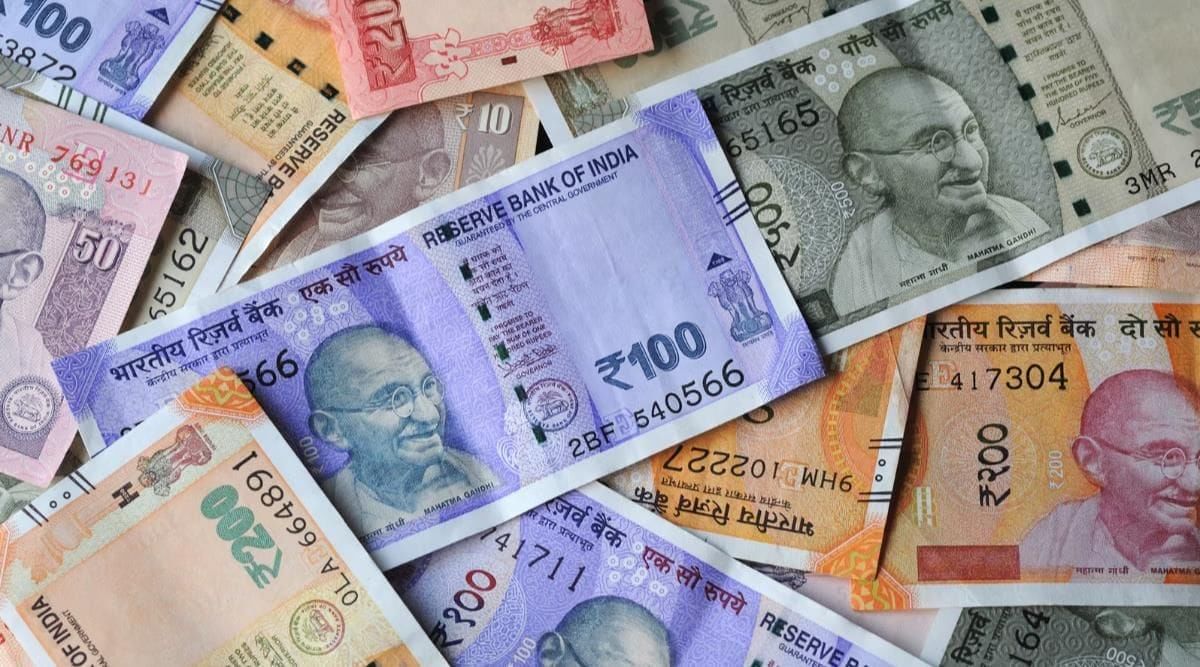 Indian currency has picture of Mahatma Gandhi on it
(iv) The Ashoka Chakra is found in the centre of which Indian symbol?
(a) National Anthem
(b) National Flag
(c) National Bird
(d) Currency Notes
Ans: (b) National Flag
(v) What is the significance of Republic Day?
(a) It marks India's independence.
(b) It commemorates the adoption of the Constitution.
(c) It celebrates the end of British rule.
(d) It honours the Indian Army.
Ans: (b) It commemorates the adoption of the Constitution.
Q2: Fill in the blanks with the correct words from the chapter.
(i) The Indian National Flag has three colors: saffron, white, and ______.
(ii) Republic Day is celebrated on ______ every year.
(iii) The ______ Chakra represents duty (dharma) in the Indian National Flag.
(iv) Mahatma Gandhi's image appears on every Indian ______ note.
(v) India has more than a thousand ______.
Ans:
(i) The Indian National Flag has three colours: saffron, white, and Green.
(ii) Republic Day is celebrated on 26 January every year.
(iii) The Ashoka Chakra represents duty (dharma) in the Indian National Flag. Ashoka Chakra
(iv) Mahatma Gandhi's image appears on every Indian Currency note.
(v) India has more than a thousand Languages.
Q3: State whether the following statements are True or False. Correct the false statements.
(i) The green stripe in the National Flag represents peace and truth.
Ans: False
(ii) The Republic Day parade showcases the traditions of different states.
Ans: True
(iii) The National Emblem of India shows five lions.
Ans: False
(iv) The 'Swachh Bharat Abhiyan' symbol is based on Gandhi ji's glasses.
Ans: True
(v) The Statue of Unity is located in Gujarat.
Ans: True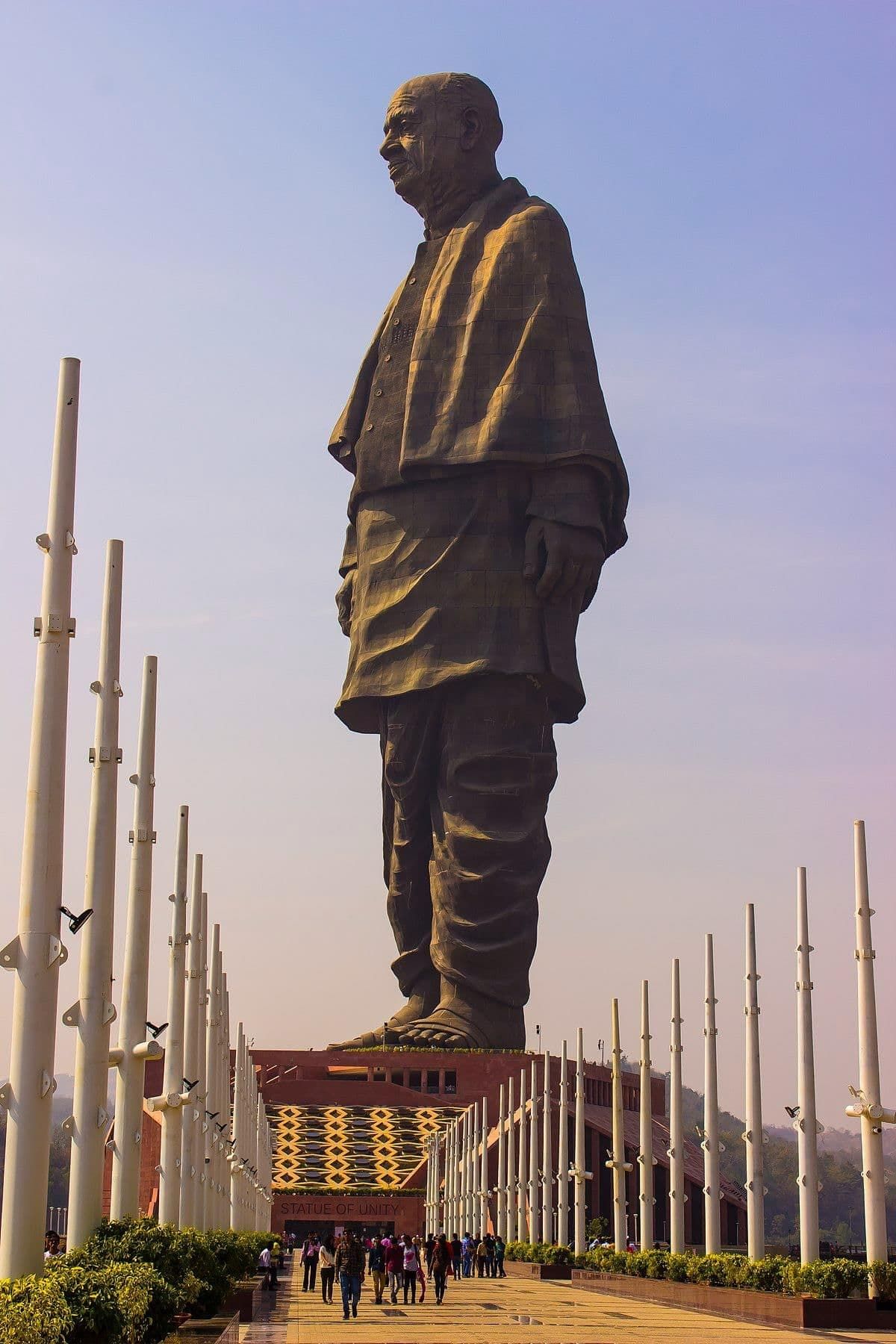 Statue of Unity(Tallest Statue)
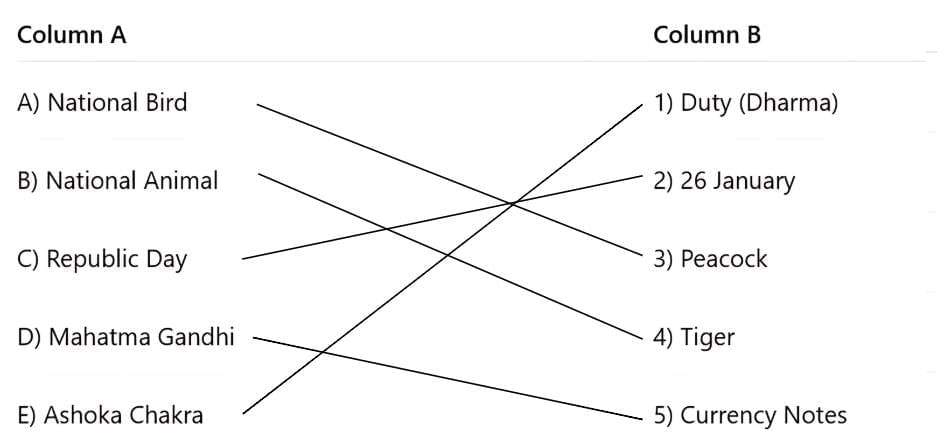
Q4: Match the items in Column A with the correct descriptions in Column B.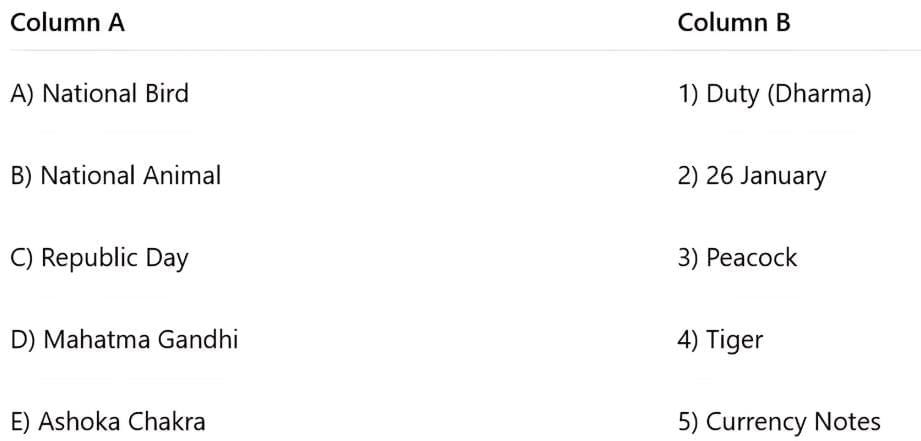
Ans:
Q5: Answer the following questions in 2-3 sentences each.
(i) What do the colours of the Indian National Flag represent?
Ans: The Indian National Flag has four colours. The saffron at the top stands for strength and courage. The white stripe in the middle stands for peace and truth. The green stripe at the bottom stands for growth and prosperity. The blue Ashoka Chakra in the centre represents duty.
(ii) Why do we celebrate Republic Day on 26 January?
Ans: Republic Day is celebrated on 26 January because on this day in 1950, India adopted its Constitution. This Constitution is a set of special rules that helps India run smoothly, even after gaining independence on 15 August 1947.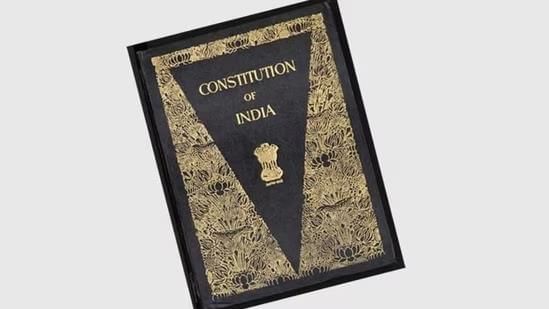 Constitution Of India
(iii) Who is shown on every Indian currency note?
Ans: Every Indian currency note has an image of Mahatma Gandhi. There are two images of him on each note-one big and one small, which can be seen when the note is held against the light.
(iv) What does the National Emblem of India show?
Ans: The National Emblem of India shows three lions standing on a circular platform. This emblem represents strength, courage, and confidence. Below the lions, there is the Ashoka Chakra.
(v) How does India's diversity make it special?
Ans: India's diversity is like a beautiful forest with many different plants and animals. People in India speak many languages, wear different clothes, and celebrate various traditions. This variety makes India strong and colourful.
Q6: Answer the following questions in 4-6 sentences each. Use examples from the chapter to support your answers.
(i) Explain the significance of Republic Day and how it is celebrated in schools. Why is it celebrated on 26th January?
Ans: Republic Day is celebrated on 26th January every year because on this day in 1950, India adopted its Constitution - a special book of rules to run our country smoothly and keep everyone safe.
School Celebrations:
- Students gather around the flagpole in neat lines
- The head teacher unfurls the tricolour flag with drums and claps
- Everyone sings the National Anthem together with pride
- Cultural programs and parades are organised
(ii) Describe the various features you can find on Indian currency notes and explain their importance.
Ans: Indian currency notes are like small books that tell us many interesting things about our country. Each note contains several important features that represent India's heritage and values.
Main Features:
- Two images of Mahatma Gandhi (one big, one small, visible in light)
- Different colours for each denomination (₹10 is brown, ₹50 is pink/green)
- Names written in 17 different Indian languages
- Pictures of famous monuments like the Sun Temple
- National symbols like the three lions emblem
(iii) Explain how diversity makes India stronger with examples from different aspects of Indian culture.
Ans: India is like a beautiful forest where different plants, animals, and birds live together and help each other. This diversity makes our country stronger and more self-sufficient.
Examples of Indian Diversity:
- Languages: Over 1000 languages with unique stories and songs
- Clothing: Colourful saafas in Rajasthan, topis in Himachal Pradesh
- Dance: Bharatanatyam from Tamil Nadu, Kathak from Uttar Pradesh
- Music: Different instruments like sitar, tabla, mridangam
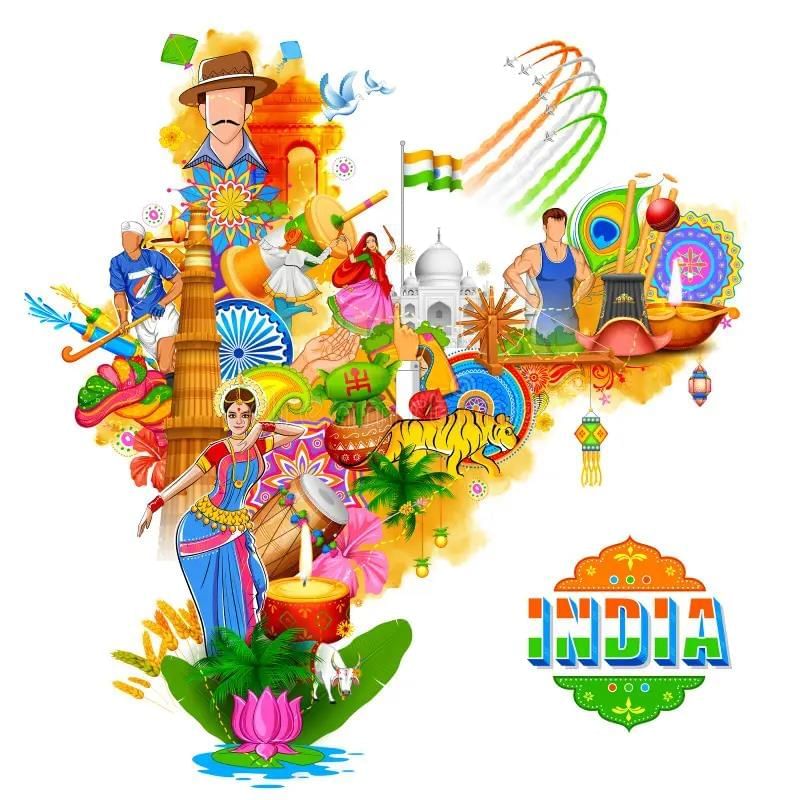 Diverse India
(iv) Describe India's national symbols and explain what they represent about our country.
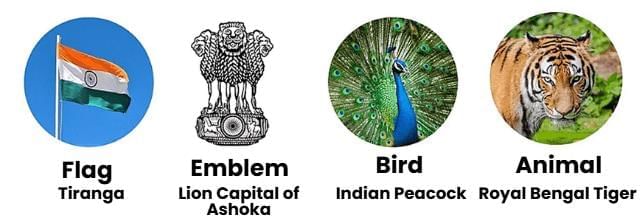
Ans: India's national symbols are like special signs that tell the world about our country's strength, beauty, and values. Each symbol has been carefully chosen to represent something important about India.
Important National Symbols:
- National Flag: Saffron for courage, white for peace, green for prosperity, blue Ashoka Chakra for duty
- National Emblem: Four lions showing strength and confidence. (Only three can be seen from the front; one is on the back side)
- National Bird: Peacock with colourful feathers showing beauty and grace
- National Animal: Tiger with orange and black stripes representing power
FAQs on Worksheet Solutions: Our Vibrant Country
| 1. What are the main features that make India a vibrant country for Class 5? |  |
| 2. How do different states in India contribute to the country's cultural and economic diversity? | |
| 3. What role do festivals and celebrations play in showing India as a vibrant nation? | |
| 4. How do India's languages and literature represent the country's diversity? | |
| 5. What makes India's natural geography and climate zones important to understanding its vibrant character? | |