CBSE Class 5 > Class 5 Notes > Our Wondrous World - New NCERT > Learning Poster: Earth - Our Shared Home
Learning Poster: Earth - Our Shared Home

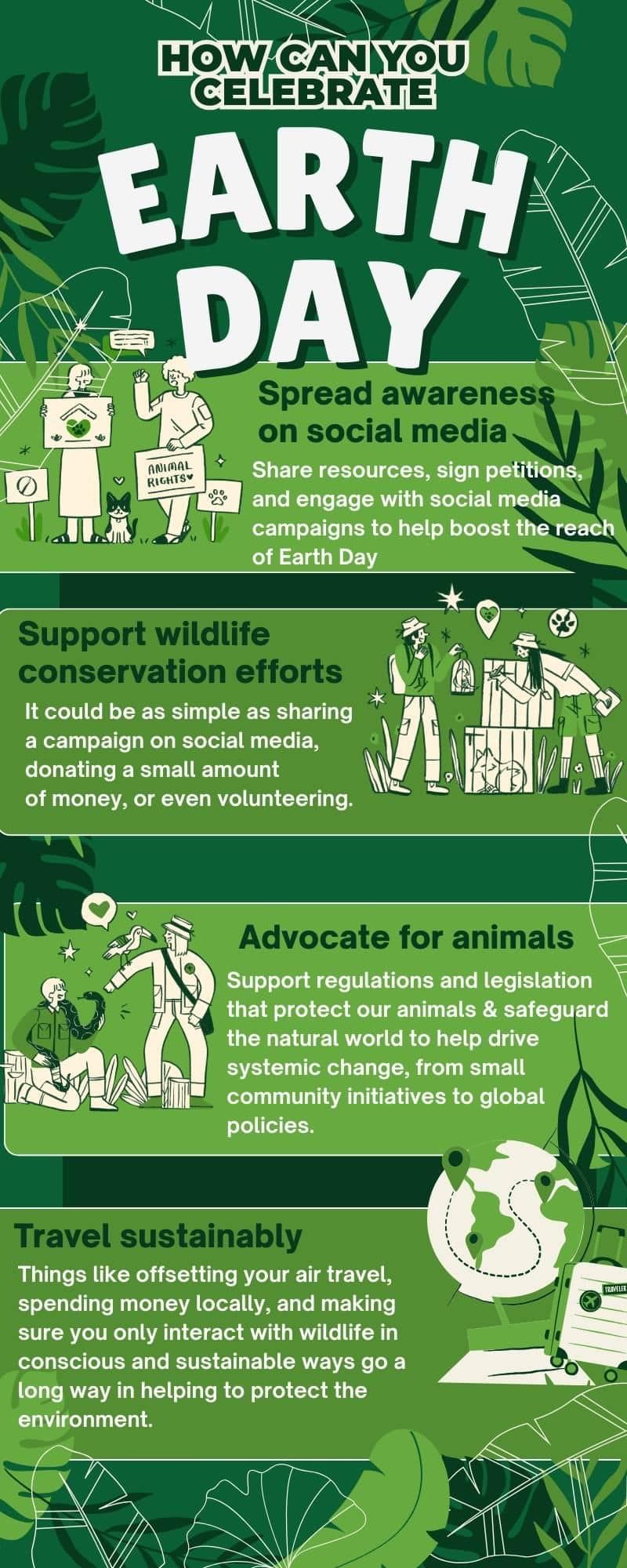
The document Learning Poster: Earth - Our Shared Home is a part of the Class 5 Course Our Wondrous World Class 5 - New NCERT.
All you need of Class 5 at this link: Class 5
FAQs on Learning Poster: Earth - Our Shared Home
| 1. What are the main components of Earth that make it suitable for life? |  |
Ans. Earth has several key components that make it suitable for life. These include the presence of water, which is essential for all known forms of life; a suitable atmosphere that contains oxygen for respiration and protects living organisms from harmful solar radiation; and a diverse range of ecosystems that provide habitats for various species. Additionally, Earth’s temperature is maintained within a range that supports life, thanks to the greenhouse effect.
| 2. How does human activity impact the Earth’s environment? | |
Ans. Human activities significantly impact the Earth’s environment in various ways. Deforestation leads to loss of biodiversity and contributes to climate change by increasing carbon dioxide levels in the atmosphere. Pollution from industries affects air and water quality, harming wildlife and human health. Additionally, urbanization alters natural habitats, and overexploitation of resources can deplete essential natural assets, disrupting ecological balance.
| 3. What are some ways we can protect our planet? | |
Ans. Protecting our planet can be achieved through various actions. Reducing waste by recycling and reusing materials helps minimize pollution. Conserving energy by using renewable sources and adopting energy-efficient practices reduces our carbon footprint. Participating in conservation efforts, such as tree planting and wildlife protection, and raising awareness about environmental issues can also contribute to a healthier planet. Additionally, supporting sustainable practices in agriculture and industry is crucial for long-term environmental health.
| 4. What is climate change, and what causes it? | |
Ans. Climate change refers to significant changes in global temperatures and weather patterns over time. While climate change is a natural phenomenon, human activities, such as burning fossil fuels, deforestation, and industrial processes, have accelerated the process. These activities release greenhouse gases like carbon dioxide and methane into the atmosphere, trapping heat and leading to global warming. The consequences include rising sea levels, extreme weather events, and shifts in wildlife populations and habitats.
| 5. Why is biodiversity important for the health of the Earth? | |
Ans. Biodiversity is crucial for the health of the Earth as it ensures ecosystem resilience, allowing environments to recover from disturbances and adapt to changes. Diverse species contribute to ecosystem services, such as pollination, nutrient cycling, and water purification, which are essential for human survival. Additionally, biodiversity enhances food security and provides resources for medicine and industry. Protecting biodiversity is vital for maintaining the ecological balance and ensuring a sustainable future for all living organisms.
About this Document

4.63/5 Rating

Apr 21, 2026 Last updated
Document Description: Learning Poster: Earth - Our Shared Home for Class 5 2026 is part of Our Wondrous World Class 5 - New NCERT preparation. The notes and questions for Learning Poster: Earth - Our Shared Home have been prepared according to the Class 5 exam syllabus. Information about Learning Poster: Earth - Our Shared Home covers topics like and Learning Poster: Earth - Our Shared Home Example, for Class 5 2026 Exam. Find important definitions, questions, notes, meanings, examples, exercises and tests below for Learning Poster: Earth - Our Shared Home.
Introduction of Learning Poster: Earth - Our Shared Home in English is available as part of our Our Wondrous World Class 5 - New NCERT for Class 5 & Learning Poster: Earth - Our Shared Home in Hindi for Our Wondrous World Class 5 - New NCERT course. Download more important topics related with notes, lectures and mock test series for Class 5 Exam by signing up for free. Class 5: Learning Poster: Earth - Our Shared Home
Description
Learning Poster: Earth of Our Wondrous World Class 5 covers all the important topics, helping you prepare for the Class 5 exam on EduRev. Start for free!
Information about Learning Poster: Earth - Our Shared Home
In this doc you can find the meaning of Learning Poster: Earth - Our Shared Home defined & explained in the simplest way possible. Besides explaining types of Learning Poster: Earth - Our Shared Home theory, EduRev gives you an ample number of questions to practice Learning Poster: Earth - Our Shared Home tests, examples and also practice Class 5 tests



Related Searches
shortcuts and tricks, practice quizzes, Summary, Previous Year Questions with Solutions, study material, Extra Questions, Important questions, Semester Notes, Learning Poster: Earth - Our Shared Home, pdf , Sample Paper, Exam, video lectures, Objective type Questions, Learning Poster: Earth - Our Shared Home, ppt, Viva Questions, mock tests for examination, past year papers, Free, Learning Poster: Earth - Our Shared Home, MCQs;