CBSE Class 5  >  Class 5 Notes  >  Mathematics  >  Worksheet Solutions: Symmetrical Designs

Worksheet Solutions: Symmetrical Designs

Worksheet Solutions: Symmetrical Designs

Q1. A figure is said to have symmetry if it can be divided into:
a) Equal halves
b) Unequal parts
c) Only straight lines
d) Circles only
Answer: a) Equal halves

Q2. How many lines of symmetry does a square have?
a) 2
b) 3
c) 4
d) 5
Answer: c) 4

Q3. Which of the following shapes has only one line of symmetry?
a) Circle
b) Equilateral triangle
c) Rectangle
d) Isosceles triangle
Answer: d) Isosceles triangle

Q4. How many lines of symmetry does a circle have?
a) 1
b) 2
c) 4
d) Infinite
Answer: d) Infinite

Q5. Which alphabet has 2 lines of symmetry?
a) A
b) H
c) C
d) F
Answer: b) H

Q6: A rectangle has how many lines of symmetry?
a) 1
b) 2
c) 3
d) 4
Answer: b) 2

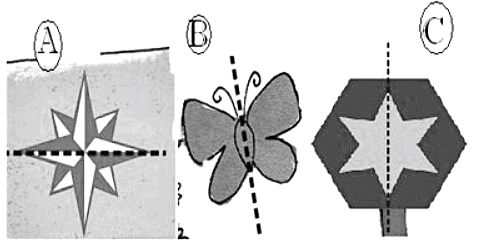
Q7: Which of the shapes is divided into two mirror halves by a dotted line?
Worksheet Solutions: Symmetrical Designs(a) A and B
(b)
A and C
(c)
B and C
(d)
All of these
Ans:
(c)

  • Shape A: A symmetric star, but the given dotted line may not create perfect mirror halves.
  • Shape B: A butterfly, which has clear bilateral symmetry along the dotted line.
  • Shape C: A hexagonal shape that appears symmetric along the given dotted line.

Since B and C are properly divided into two equal mirror halves by the dotted line, the correct answer is:

Answer: (c) B and C

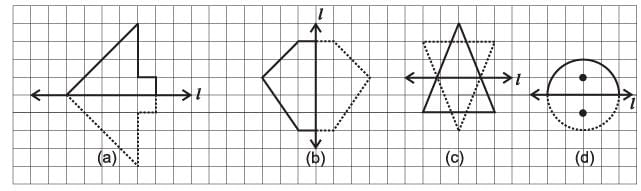
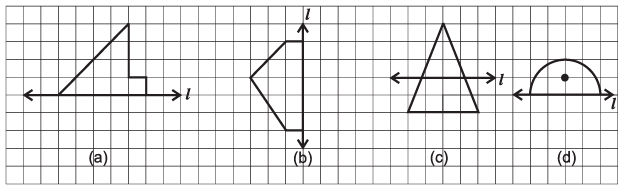
Q8: In the following figures, l is the line of symmetry. Complete the diagram to make it symmetric.
Worksheet Solutions: Symmetrical Designs

Ans. 

Worksheet Solutions: Symmetrical Designs

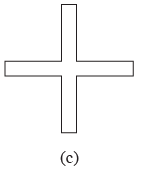
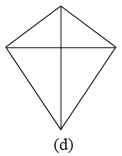
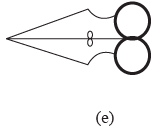
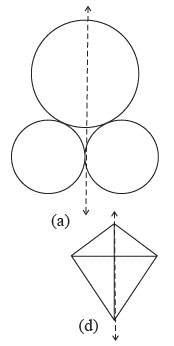
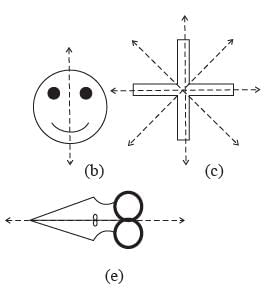
Q9: Draw the line (s) of symmetry for each of the following figures :
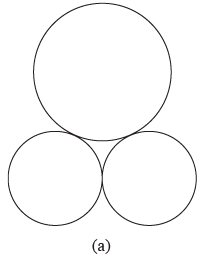
Worksheet Solutions: Symmetrical DesignsWorksheet Solutions: Symmetrical DesignsWorksheet Solutions: Symmetrical Designs

Worksheet Solutions: Symmetrical DesignsWorksheet Solutions: Symmetrical Designs

Ans. 

Worksheet Solutions: Symmetrical Designs  Worksheet Solutions: Symmetrical Designs

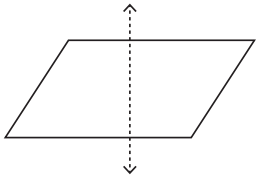
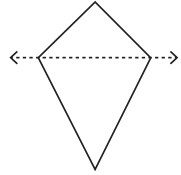
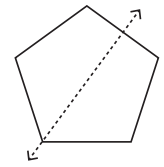
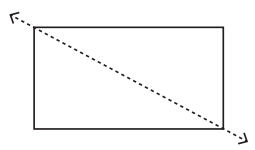
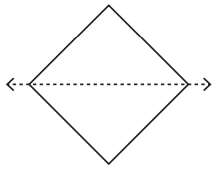
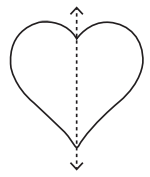
Q10: Is the dotted line on each shape a line of symmetry? Write yes or no.

(i)
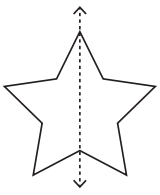
Worksheet Solutions: Symmetrical DesignsAns:
Yes

(ii)
Worksheet Solutions: Symmetrical DesignsAns:
No

(iii)
Worksheet Solutions: Symmetrical DesignsAns: No

(iv)
Worksheet Solutions: Symmetrical DesignsAns: Yes

(v)
Worksheet Solutions: Symmetrical DesignsAns:
No

(vi)

Worksheet Solutions: Symmetrical DesignsAns: Yes

(vii)

Worksheet Solutions: Symmetrical DesignsAns: Yes

(viii) 

Worksheet Solutions: Symmetrical Designs

Ans: No

The document Worksheet Solutions: Symmetrical Designs is a part of the Class 5 Course Mathematics for Class 5.
All you need of Class 5 at this link: Class 5

FAQs on Worksheet Solutions: Symmetrical Designs

1. What are symmetrical designs and why are they important in art?
Ans.Symmetrical designs are patterns or structures that are balanced and identical on either side of a central axis. They play a crucial role in art and design because they create a sense of harmony and order, making the work visually appealing. Symmetry is often found in nature and can evoke feelings of tranquility and balance in viewers.
2. How can students create their own symmetrical designs?
Ans.Students can create their own symmetrical designs by folding a piece of paper in half and drawing on one side. When they unfold the paper, the drawing will appear mirrored on the other side. Alternatively, they can use digital tools or graph paper to ensure accuracy in symmetry by replicating their designs on both sides of a central line.
3. What are some examples of symmetrical designs in everyday life?
Ans.Examples of symmetrical designs in everyday life include architectural structures like buildings and bridges, logos, and patterns found in fabrics and wallpapers. Nature also showcases symmetrical designs, such as the arrangement of leaves on a stem or the shape of flowers, which can inspire artistic creations.
4. What skills do children develop by learning about symmetrical designs?
Ans.By learning about symmetrical designs, children develop various skills, including spatial awareness, critical thinking, and creativity. They improve their ability to observe patterns, enhance their artistic skills, and engage in problem-solving when trying to achieve balance and harmony in their designs.
5. How can teachers effectively teach the concept of symmetry to their students?
Ans.Teachers can effectively teach symmetry by incorporating hands-on activities, such as creating symmetrical art projects or using mirrors to explore reflective symmetry. Incorporating games and interactive lessons that challenge students to identify and create symmetrical shapes can also enhance understanding and retention of the concept.
Explore Courses for Class 5 exam
Get EduRev Notes directly in your Google search
Related Searches
Semester Notes, Viva Questions, Previous Year Questions with Solutions, Exam, past year papers, MCQs, practice quizzes, study material, video lectures, Objective type Questions, ppt, Sample Paper, Important questions, shortcuts and tricks, Worksheet Solutions: Symmetrical Designs, Worksheet Solutions: Symmetrical Designs, mock tests for examination, Summary, Extra Questions, pdf , Free, Worksheet Solutions: Symmetrical Designs;