Case Based Questions: Electricity: Circuits and their Components

Q1: Read the source and answer the question that follows
Nihal and his classmates are excited about their upcoming school trip to the Bhakra Nangal Dam. The trip is a special opportunity because they will learn about how falling water is used to generate electricity at the hydroelectric power station. During the trip, they will also enjoy a scenic 13-kilometer train ride along the Sutlej river and through the Shivalik hills.
As part of their preparation, the teacher gives them a task: to prepare a presentation on the different sources of electricity, how it's generated, and its applications in daily life. The students learn that electricity is generated from various sources such as wind, solar power, and falling water. While researching, they come across several facts, such as how hydroelectric power plants use the force of falling water to turn turbines, which then generate electricity.
The class also learns about the importance of safety when dealing with electricity. While electricity is essential in our daily lives, it can be dangerous if not handled properly. They discuss the use of batteries as portable sources of electricity, which power devices like torchlights, remotes, and wall clocks. The teacher emphasizes that even though batteries are safer than household power supplies, they must still be used carefully to avoid accidents.
They also explore how the electricity generated in power plants is distributed through power lines to homes and businesses. They realize that electricity plays a crucial role in various sectors, from home lighting to industrial applications. However, it must be managed carefully to prevent overuse, wastage, and accidents.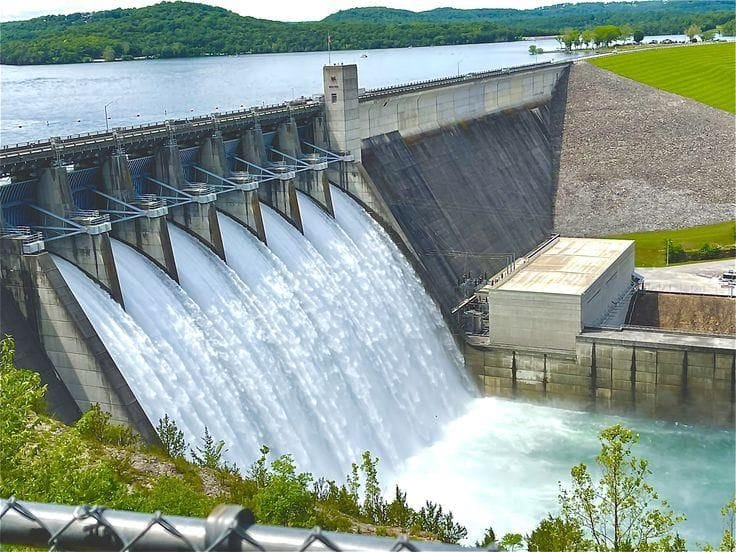
Q1. What is the main source of electricity generation at the Bhakra Nangal Dam?
Ans: The main source of electricity generation at the Bhakra Nangal Dam is falling water, which is used to turn turbines and generate electricity.
Q2. What are two common sources of electricity, other than hydroelectric power?
Ans: Two common sources of electricity, other than hydroelectric power, are wind and solar power.
Q3. Which component of a hydroelectric power plant is directly responsible for generating electricity?
A) Dam
B) Turbine
C) Power lines
D) Generator
Ans: B) Turbine
Q2: Read the source and answer the question that follows
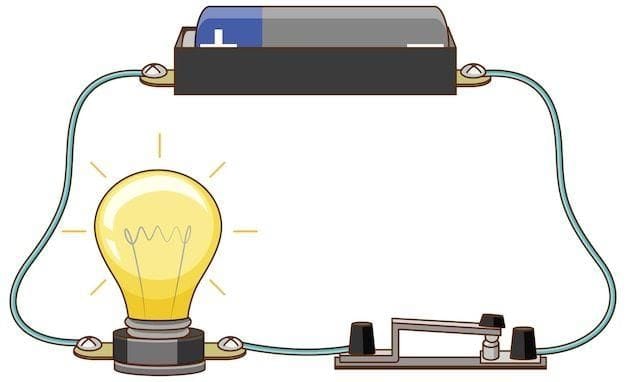
Arjun and his classmates are exploring the fascinating world of electric circuits. In their class experiment, they learn about the essential components needed to form a circuit: the electric cell (or battery), the electric lamp, and the switch. They discover that when the switch is turned on, it closes the circuit, allowing electric current to flow from the battery to the lamp, making it glow. However, when the switch is off, the circuit is broken, and the lamp does not light up.
The class then experiments with different types of electric cells and lamps. They find that while a single electric cell can power a small lamp, larger lamps require more cells to generate sufficient energy. They also understand that for the current to flow, the circuit must be complete. The students use circuit diagrams to represent these basic circuits and identify the standard symbols for each component. The teacher also explains the importance of safety when handling electric circuits.
Q1. What happens when the switch in a circuit is turned on?
Ans: When the switch is turned on, it completes the circuit, allowing electric current to flow and the lamp to glow.
Q2. Why is copper commonly used in electrical wires?
Ans: Copper is used because it is an excellent conductor of electricity, allowing current to flow efficiently through wires.
Q3. Which of the following is required to complete a basic electric circuit?
A) Only a battery
B) Only a lamp
C) A battery, lamp, and switch
D) A battery and wire
Ans: C) A battery, lamp, and switch
Q3: Read the source and answer the question that follows
Nikhil, Priya, and Rahul are working on a project to test which materials are good conductors of electricity. Nikhil uses a conduction tester to test various materials, such as copper wire, plastic, and rubber. He finds that metals like copper allow electricity to flow easily, while materials like plastic and rubber do not. Priya explains that conductors are used in circuits to allow current to flow, while insulators are used to cover wires and prevent electric shocks.
Q1. What is the difference between conductors and insulators?
Ans: Conductors allow electricity to flow easily, while insulators do not allow electricity to flow, providing safety in electrical circuits.
Q2. Explain the importance of using insulators in electrical circuits.
Ans: Insulators are important for safety as they prevent electrical shocks by covering the conductive parts of the circuit, such as wires and switches.
Q3. Which of the following is an example of an insulator?
A) Copper
B) Rubber
C) Aluminum
D) Silver
Ans: B) Rubber
FAQs on Case Based Questions: Electricity: Circuits and their Components
| 1. What are the basic components of an electric circuit? |  |
| 2. How does a series circuit differ from a parallel circuit? | |
| 3. What role do resistors play in an electric circuit? | |
| 4. What is the significance of Ohm's Law in understanding circuits? | |
| 5. How can you safely experiment with electricity at home? | |