Chapter Notes: The Newspaper Boy

About the Author
Muniruddin Syed joined the Indian Air Force in 1951 and retired as a Flight Lieutenant. He grew up in Hyderabad and wrote about real-life experiences. In this story, he shares a touching memory from his childhood that teaches us the importance of kindness and helping others.
Detailed Summary
The story "The Newspaper Boy" is about a young boy who faced many difficulties but remained hardworking and kind. It also teaches us the importance of helping others in the right way.
The speaker of the story lost his parents before he was ten years old. His brothers and sisters went to live with other relatives, but he decided to stay in Hyderabad so he could continue his studies. A kind family member allowed him to live in a small room without paying rent.
To earn money for his education, he worked as a newspaper boy. Every morning, he woke up at 5 a.m., walked a long distance-almost twelve kilometres in total-to collect and deliver newspapers. After finishing his newspaper rounds, he cooked a small breakfast, ate quickly, and went to Kachiguda High School, where he studied in Class VII. Even on holidays, he never took a break from his work.
One cold Friday morning, after finishing his newspaper deliveries, the boy met another student named Afzal, who said his father wanted to meet him. Tired but curious, the speaker followed him to Afzal's house. Afzal's mother, Mrs. Naseem Bano, warmly welcomed him and offered tea and snacks. Afzal's father, Mr. Abdul Kader, was an Electrical Foreman in the Nizam's State Railway.
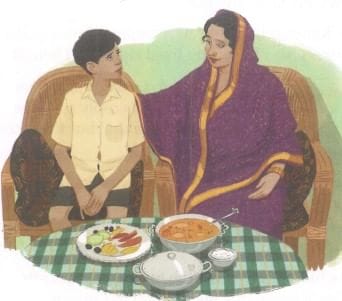
Mrs. Bano kindly asked the boy about his daily routine. At first, he tried not to give all the details because he didn't want to sound sad. But when she asked how far he walked each day, he told her-more than six miles. Hearing this, the family felt touched by his hard work and struggle.
Then something unexpected happened-Mr. Kader brought out a brand-new bicycle and said it was for him! The boy was surprised and said he couldn't afford it, but Mrs. Bano gently told him that it was a gift, and he didn't have to pay. She lovingly called him "my son," and that made him feel the warmth of a real home and mother's love. It brought tears to his eyes.
Mr. Kader explained that he had learned about the boy's life from the newspaper editor and from Afzal. The boy then realised that even though he thought no one noticed his struggles, kind people were watching and cared about him. He gratefully accepted the gift and rode home on his new bicycle, which made his life much easier.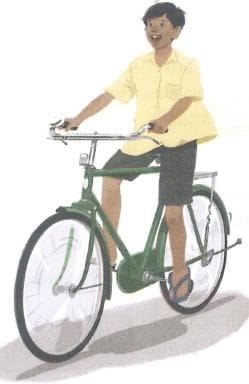
That bicycle helped him for many years, and the kindness he received taught him an important life lesson:
"Help should always be need-based - give people what they truly need, not just anything."
Moral / Message
The story teaches us that true help means understanding what a person really needs. Helping others with love and care can bring great happiness. It reminds us to be kind, generous, and thoughtful toward people who are struggling.
Word & Meanings
- Privilege: A special right or advantage
- Measly: Very small or insufficient
- Evasive: Avoiding a direct answer
- Sumptuous: Rich or grand
- Endearment: A loving or kind word
- Plight: A sad or difficult situation
- Need-based: According to what someone truly needs
- Perseverance: Continuing to work hard even when it is difficult
- Gratitude: Feeling thankful or grateful
- Compassion: Kindness and care for others who are suffering
FAQs on Chapter Notes: The Newspaper Boy
| 1. What is the main theme of "The Newspaper Boy"? |  |
| 2. Who is the protagonist of the story, and what challenges does he face? | |
| 3. What moral lesson can be learned from the experiences of the newspaper boy? | |
| 4. How does the story portray the relationship between the newspaper boy and his customers? | |
| 5. In what ways does "The Newspaper Boy" inspire young readers? | |