Worksheet: Computer: Storage and Memory Device

Multiple Choice Questions (MCQs)
Q1: What is data?
(a) Organized information
(b) Unorganized facts and figures
(c) Only numbers
(d) Only pictures
Q2: What is the smallest unit of data in a computer?
(a) Byte
(b) Kilobyte
(c) Bit
(d) Megabyte
Q3: Which memory is temporary and gets erased when the computer is switched off?
(a) ROM
(b) RAM
(c) Hard disk
(d) CD
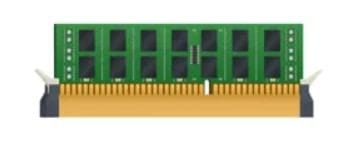
Q4: Which device is fixed inside the computer and not easily removable?
(a) Pen Drive
(b) CD
(c) Hard Disk
(d) Memory Stick
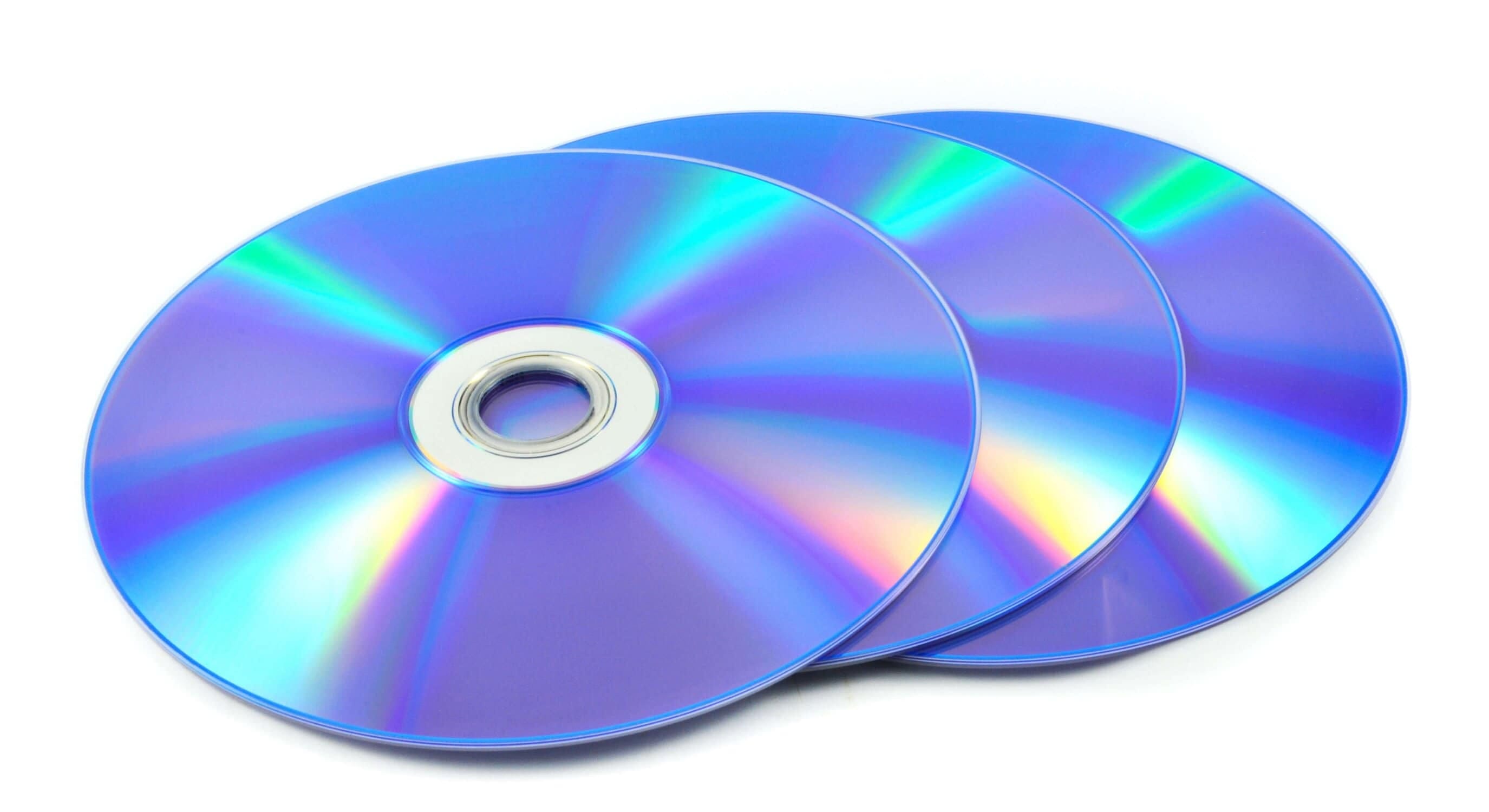
Q5: Which of the following uses a blue laser to read data?
(a) DVD
(b) CD
(c) Pen drive
(d) Blu-ray Disk
Fill in the Blanks
Q1: Information is ________ data.
Q2: A group of 8 bits is called a ________.
Q3: ________ memory stores data permanently and is not erased when the computer is off.
Q4: A CD can store nearly ________ MB of data.
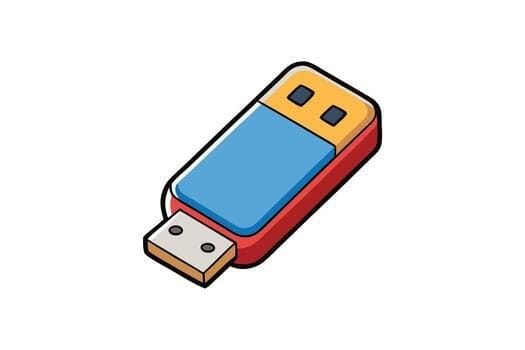
Q5: A pen drive is also called a ________ drive.
True or False
Q1: Data is already processed and meaningful.
Q2: RAM allows users to both read and write data.
Q3: Secondary memory keeps data safe even when the computer is turned off.
Q4: A memory stick is used only inside the computer and cannot be removed.
Q5: DVDs have lower storage capacity than CDs.
Short Question Answers
Q1: What is the difference between data and information?
Q2: Why do computers need secondary memory?
Q3: What is RAM used for?
Q4: What is ROM and why is it important?
Q5: What is a pen drive used for?
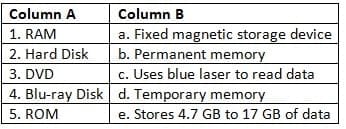
Match the Following
You can access the solutions to this Worksheet here.
FAQs on Worksheet: Computer: Storage and Memory Device
| 1. What are storage devices in computers? |  |
| 2. What is the difference between RAM and ROM? | |
| 3. Why is data backup important? | |
| 4. Can you explain what a hard disk drive (HDD) is? | |
| 5. What are solid-state drives (SSDs) and how do they differ from HDDs? | |