CBSE Class 3  >  Class 3 Notes  >  EVS : The World around us (Our Wondrous World)  >  Short Answer Questions: Plants and Animals Live Together

Short Answer Questions: Plants and Animals Live Together

Q1: Why do animals live near plants?
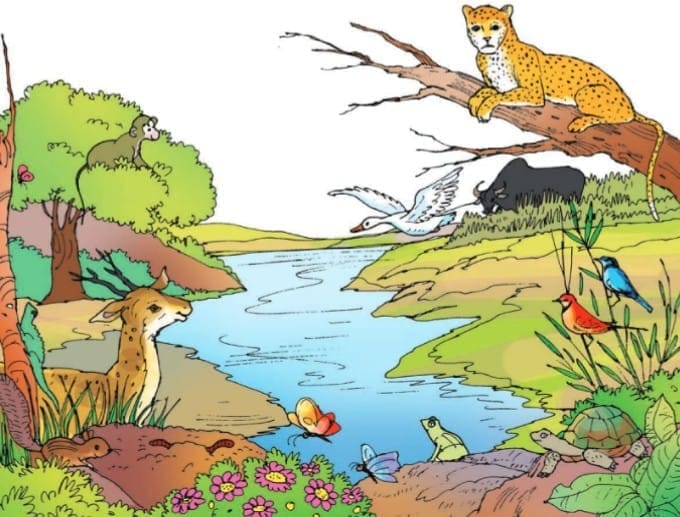
Ans: Animals live near plants because plants give them food, shelter, and a safe place to live.

Q2: How do plants help animals get food?
Ans: Plants provide food such as leaves, fruits, nectar, seeds, and grass for animals.

Q3: How do plants provide shelter to animals?
Ans: Animals use tree branches, leaves, and hollows as shelters to rest and raise their young.

Q4: Why are insects often found on leaves and flowers?
Ans: Insects are found on leaves and flowers because they eat them and also rest on them.

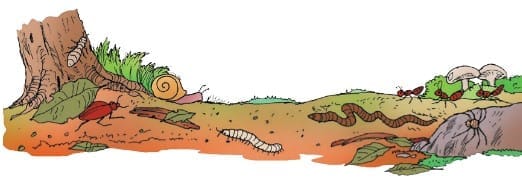
Q5: Name some insects found on the top layer of soil.
Ans: 
Ants, termites, small beetles and grasshoppers are found on the top layer of soil. They move around the grass and leaves.Short Answer Questions: Plants and Animals Live Together
Q6: Why is soil important for plants and animals?
Ans: Soil helps plants grow and provides a home for many insects and small animals.

Q7: What changes do we notice in the soil after rain?
Ans: After rain, the soil becomes wet and soft, and more insects and earthworms come out.

Q8: Why do more plants and animals appear during the monsoon?
Ans: During the monsoon, seeds get water and grow into plants, and insects come out from the soil.

Q9: How do birds use different parts of plants?
Ans: Birds use twigs and leaves to build nests and tree hollows to protect their young ones.

Q10: How do animals help plants?
Ans: Animals help plants by spreading seeds and helping flowers grow into fruits.

Q11: Why do butterflies and bees visit flowers?
Ans: Butterflies and bees visit flowers to drink nectar and help in pollination.

Q12: Why should we observe animals and plants?
Ans: Observing animals and plants helps us understand how they depend on each other.

Q13: How are birds' sounds helpful to us?
Ans: Birds' sounds help us know that birds are around and make the environment lively.

Q14: What happens if plants are destroyed?
Ans: If plants are destroyed, animals lose food and shelter, and life on Earth is affected.

Q15: What values do we learn from plants and animals living together?
Ans: We learn sharing, cooperation, and the importance of living in harmony with nature.Short Answer Questions: Plants and Animals Live Together
The document Short Answer Questions: Plants and Animals Live Together is a part of the Class 3 Course EVS Class 3: The World around us (Our Wondrous World).
All you need of Class 3 at this link: Class 3

FAQs on Short Answer Questions: Plants and Animals Live Together

1. What are the different ways in which plants and animals depend on each other?
Ans. Plants and animals depend on each other in several ways. For example, plants provide oxygen through photosynthesis, which animals need to breathe. Additionally, animals help in pollination, which is essential for plant reproduction, and some animals disperse seeds, helping plants to grow in new areas. Furthermore, plants serve as food sources for many animals, while animals contribute to nutrient cycling in the soil through their waste.
2. How do plants provide shelter for animals?
Ans. Plants offer shelter to various animals by providing a safe and protective environment. Trees and bushes serve as homes for birds, insects, and small mammals, shielding them from predators and harsh weather conditions. Additionally, the foliage of plants can create microhabitats that support diverse wildlife.
3. What role do animals play in the life cycle of plants?
Ans. Animals play a significant role in the life cycle of plants primarily through pollination and seed dispersal. Pollinators, such as bees and butterflies, transfer pollen from one flower to another, facilitating fertilisation. After plants produce seeds, animals may consume the fruit and later excrete the seeds in different locations, promoting the growth of new plants.
4. Can you explain the concept of a food chain involving plants and animals?
Ans. A food chain illustrates the flow of energy and nutrients from one organism to another. It starts with plants, which are producers that convert sunlight into energy through photosynthesis. Herbivores, or primary consumers, eat these plants, and then carnivores, or secondary consumers, feed on the herbivores. This chain demonstrates how plants and animals are interconnected in an ecosystem.
5. Why is biodiversity important for the relationship between plants and animals?
Ans. Biodiversity is essential for the relationship between plants and animals because it ensures the stability and resilience of ecosystems. A diverse range of species supports various interactions, such as pollination and seed dispersal, which are crucial for the survival of both plants and animals. High biodiversity also helps ecosystems recover from disturbances and adapt to changes in the environment.
Explore Courses for Class 3 exam
Get EduRev Notes directly in your Google search
Related Searches
study material, pdf , shortcuts and tricks, Short Answer Questions: Plants and Animals Live Together, video lectures, Objective type Questions, Extra Questions, Free, Summary, mock tests for examination, Viva Questions, Important questions, Sample Paper, MCQs, ppt, practice quizzes, Previous Year Questions with Solutions, past year papers, Semester Notes, Exam, Short Answer Questions: Plants and Animals Live Together, Short Answer Questions: Plants and Animals Live Together;