CBSE Class 7 > Class 7 Notes > Social Science - New NCERT ( Part 1 and Part 2) > Infographics: India, a Home to Many
Infographics: India, a Home to Many

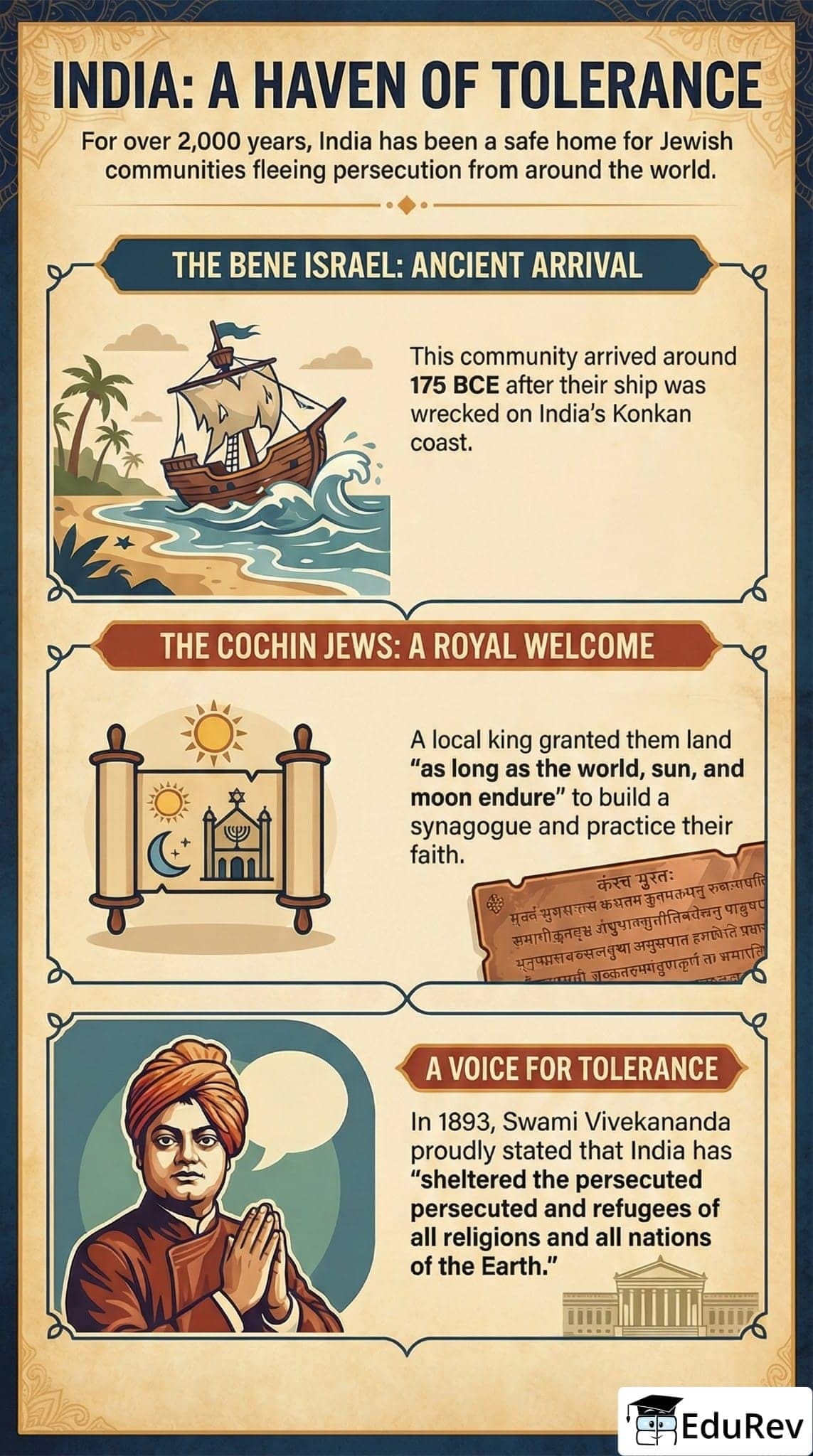
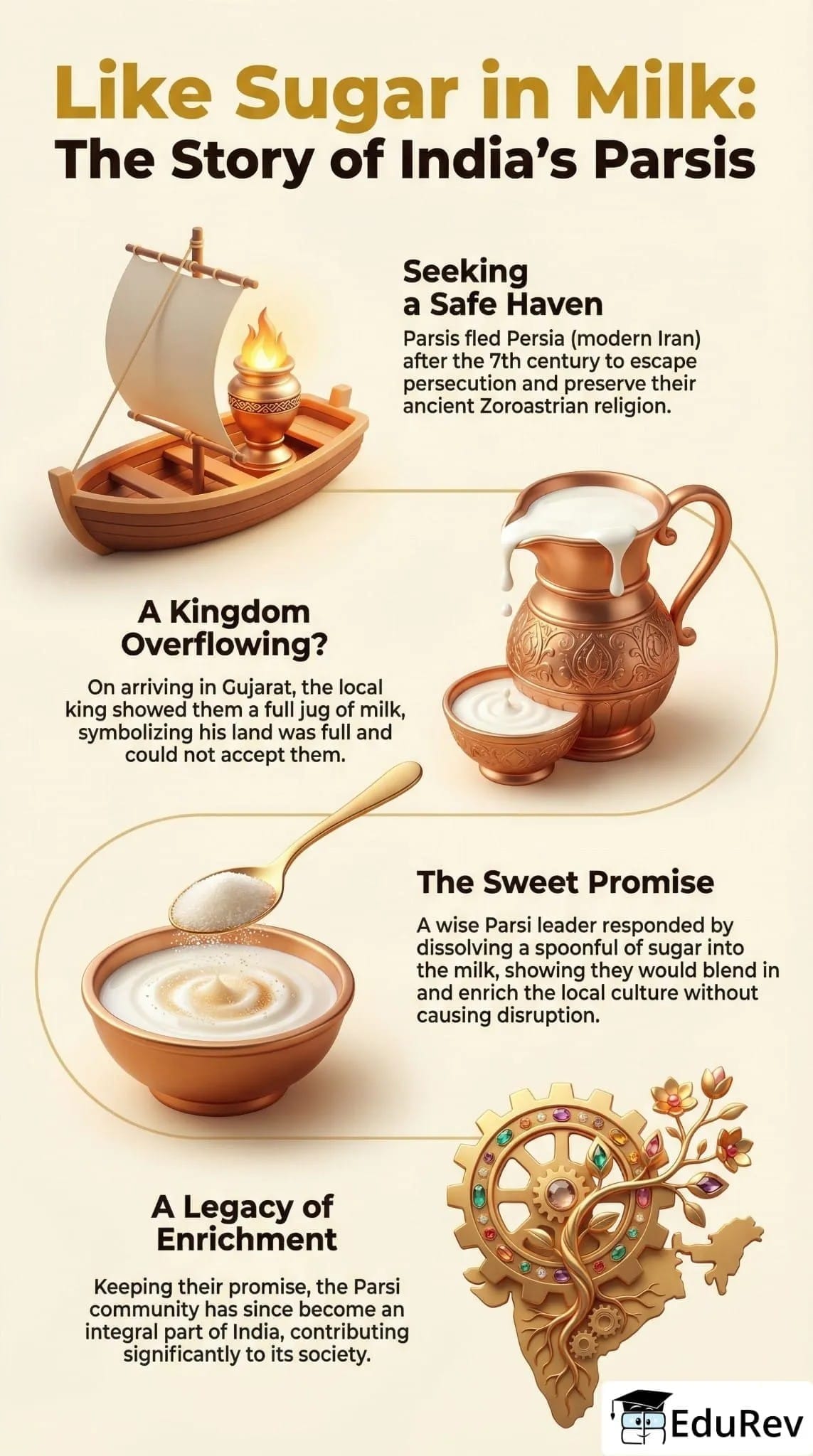
The document Infographics: India, a Home to Many is a part of the Class 7 Course Social Science Class 7 - New NCERT ( Part 1 and Part 2).
All you need of Class 7 at this link: Class 7
FAQs on Infographics: India, a Home to Many
| 1. What does it mean that India is a home to many? |  |
Ans. India is often described as a home to many due to its rich cultural diversity, which includes various languages, religions, ethnic groups, and traditions. This diversity is a result of India's long history of migration, trade, and cultural exchange, making it a melting pot of different communities living together.
| 2. How does India's geographical diversity contribute to its cultural richness? | |
Ans. India's geographical diversity, ranging from the Himalayas in the north to coastal regions in the south, influences the lifestyles and cultures of its inhabitants. Different climates and terrains have led to varied agricultural practices, festivals, and cuisines, further enhancing the cultural tapestry of the nation.
| 3. What role do festivals play in showcasing India's cultural diversity? | |
Ans. Festivals in India serve as a reflection of the country's cultural diversity. They celebrate various religious and cultural traditions, bringing people together from different backgrounds. Festivals like Diwali, Eid, Christmas, and Pongal highlight the unique customs and values of different communities, fostering unity and understanding among them.
| 4. Why is language diversity significant in India? | |
Ans. Language diversity in India is significant as it represents the rich heritage and identity of various communities. With hundreds of languages spoken across the country, each language carries its own history, literature, and cultural practices. This linguistic variety fosters communication and cultural exchange, making India a vibrant and inclusive society.
| 5. How has India's history shaped its current multicultural society? | |
Ans. India's history, marked by invasions, migrations, and trade, has significantly shaped its multicultural society. Historical interactions with different cultures, such as the Mughals, British, and various indigenous tribes, contributed to the blending of traditions, beliefs, and practices. This historical evolution has created a unique social fabric that continues to influence modern India.
About this Document

4.65/5 Rating

Apr 21, 2026 Last updated
Related Exams
Document Description: Infographics: India, a Home to Many for Class 7 2026 is part of Social Science Class 7 - New NCERT ( Part 1 and Part 2) preparation. The notes and questions for Infographics: India, a Home to Many have been prepared according to the Class 7 exam syllabus. Information about Infographics: India, a Home to Many covers topics like and Infographics: India, a Home to Many Example, for Class 7 2026 Exam. Find important definitions, questions, notes, meanings, examples, exercises and tests below for Infographics: India, a Home to Many.
Introduction of Infographics: India, a Home to Many in English is available as part of our Social Science Class 7 - New NCERT ( Part 1 and Part 2) for Class 7 & Infographics: India, a Home to Many in Hindi for Social Science Class 7 - New NCERT ( Part 1 and Part 2) course. Download more important topics related with notes, lectures and mock test series for Class 7 Exam by signing up for free. Class 7: Infographics: India, a Home to Many
Description
Infographics: India, a Home to Many of SST Class 7 provides you one-page visual summary of the chapter covering all the important topics. Download the PDF from EduRev.
Information about Infographics: India, a Home to Many
In this doc you can find the meaning of Infographics: India, a Home to Many defined & explained in the simplest way possible. Besides explaining types of Infographics: India, a Home to Many theory, EduRev gives you an ample number of questions to practice Infographics: India, a Home to Many tests, examples and also practice Class 7 tests



Related Searches
video lectures, Infographics: India, a Home to Many, Important questions, Infographics: India, study material, Sample Paper, Extra Questions, Viva Questions, practice quizzes, a Home to Many, Previous Year Questions with Solutions, Infographics: India, Exam, Objective type Questions, past year papers, MCQs, pdf , mock tests for examination, Semester Notes, a Home to Many, Free, Summary, ppt, shortcuts and tricks;