Rapid Revision: The Ultimate Treasure


Meaning of Health
Health is not just the absence of disease. It is a state of complete physical, mental, and social well-being. A healthy person feels physically fit, mentally stable, and socially connected.
Health involves three interconnected aspects:
- Physical well-being - proper functioning of the body
- Mental well-being - positive thoughts and emotional balance
- Social well-being - healthy relationships and ability to interact with others
Traditional knowledge systems also emphasize balance between body, mind, and surroundings through proper routine, diet, exercise, rest, and a calm mind.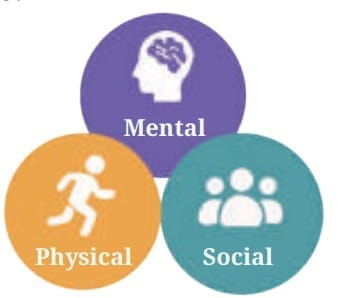 Aspects of health
How to Stay Healthy
Good health depends largely on lifestyle and environment. Healthy habits support both the body and mind.
Healthy lifestyle practices include:
- Eating a balanced diet rich in fruits, vegetables, and whole grains
- Avoiding excessive sugary, fatty, or processed foods
- Staying physically active through sports, walking, cycling, or exercise
- Limiting screen time and spending time outdoors
- Getting adequate sleep
- Practising yoga or breathing exercises
- Avoiding harmful substances such as tobacco, alcohol, and drugs
Unhealthy habits such as junk food consumption, lack of sleep, skipping meals, and excessive screen use can negatively affect health.
Importance of a Clean Environment
Clean surroundings are essential for maintaining health. Polluted and unhygienic environments increase the risk of infections and respiratory problems.
Important environmental factors affecting health:
- Clean air and safe drinking water
- Proper sanitation and waste disposal
- Control of flies, mosquitoes, and other disease carriers
- Reduced pollution
Mental health is also influenced by social interaction. Spending time with family and friends supports emotional well-being.
How We Know We Are Unwell
When the body does not function normally, we experience illness.
Two important indicators of illness are:
- Symptoms - what the person feels (pain, tiredness, dizziness)
- Signs - what can be observed or measured (fever, rash, swelling, high blood pressure)
Doctors use both symptoms and signs to diagnose diseases.
Diseases: Causes and Types
A disease is a condition that disrupts the normal functioning of the body or mind. Diseases may be caused by pathogens, poor nutrition, unhealthy lifestyle, or environmental factors.
Diseases are broadly classified into two main types.
Types of Diseases

Communicable Diseases
Communicable diseases are caused by pathogens such as bacteria, viruses, fungi, protozoa, or worms. These diseases can spread between individuals.
Common modes of transmission:
- Air (coughing, sneezing)
- Direct contact with infected person
- Indirect contact through contaminated objects
- Contaminated food or water
- Insect vectors such as mosquitoes and flies
- Animal bites
Examples include common cold, measles, tuberculosis, cholera, typhoid, malaria, and dengue.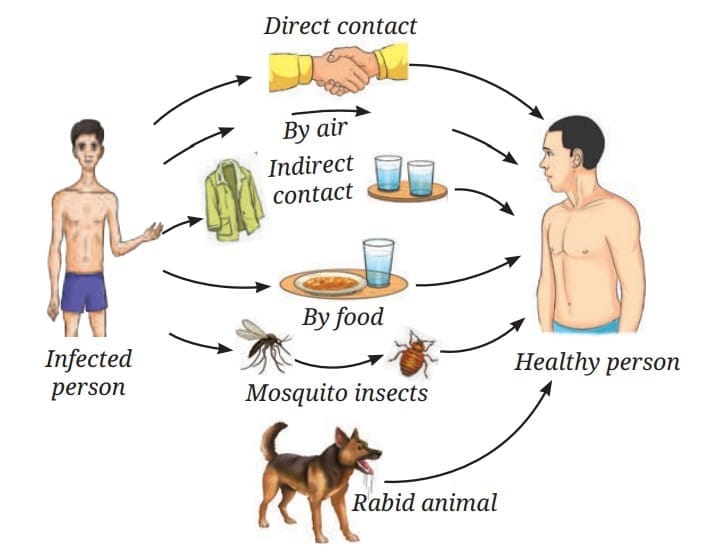 Common methods of transmission of diseases
Prevention of Communicable Diseases
Simple preventive measures can significantly reduce the spread of infections:
- Maintaining personal hygiene
- Washing hands regularly with soap
- Covering mouth and nose while coughing or sneezing
- Drinking clean and safe water
- Eating properly cooked food
- Avoiding sharing personal items
- Using mosquito nets and repellents
- Keeping surroundings clean
- Staying at home when ill
- Vaccination
Isolation of infected individuals also helps prevent transmission.
Non-Communicable Diseases
Non-communicable diseases (NCDs) are not caused by pathogens and do not spread from person to person. They are mainly associated with lifestyle, diet, environment, or genetic factors.
Examples include:
- Diabetes
- Cancer
- Asthma
- Heart disease
- Obesity
- High blood pressure
Some NCDs caused by lack of nutrients are called deficiency diseases (for example, scurvy, anaemia, goitre).
Many NCDs are chronic, meaning they last for a long time and require continuous care.
Immunity and the Immune System
- Immunity is the body's natural ability to fight disease-causing organisms. The immune system protects the body by recognizing and destroying harmful pathogens.
- People with stronger immunity tend to fall sick less often than those with weaker immunity.
Vaccination
Vaccines help prevent infectious diseases by preparing the immune system to recognize specific pathogens.
Important features of vaccines:
Made from weakened or dead pathogens or their harmless parts
Provide acquired immunity
Prevent disease before infection occurs
Protect both individuals and communities
Vaccination has helped control or eliminate many serious diseases worldwide.
Treatment of Diseases
If the immune system cannot fight an infection, medical treatment is required.
Antibiotics
Antibiotics are medicines used to treat bacterial infections. They work by killing bacteria or preventing their growth.
Key points:
- Effective only against bacteria
- Do not work against viral infections such as cold or flu
- Should be taken only under medical supervision
Antibiotic Resistance
Misuse or overuse of antibiotics can lead to antibiotic resistance. In this condition, bacteria survive despite treatment and continue to multiply.
Resistance develops due to:
- Taking antibiotics when not needed
- Not completing the full course of treatment
- Overuse in humans or animals
- Spread of resistant bacteria in communities
To prevent antibiotic resistance:
- Use antibiotics only when prescribed by a doctor
- Follow the correct dosage and duration
- Avoid self-medication
Traditional and Supportive Treatments
Traditional medical systems use natural substances and lifestyle practices to maintain health and manage some illnesses. While helpful for overall well-being, they may not cure all diseases.
Management of long-term diseases often includes:
- Medicines
- Lifestyle changes
- Regular monitoring
- Rehabilitation
Early diagnosis improves treatment outcomes.
FAQs on Rapid Revision: The Ultimate Treasure
| 1. What is the definition of health? |  |
| 2. What are some habits that contribute to staying healthy? | |
| 3. How do diseases transmit from one person to another? | |
| 4. What role do vaccines play in immunity? | |
| 5. What are some key points in managing health at the community level? | |