CLAT PG Exam > CLAT PG Notes > Law of Torts > Cheat Sheet: Emerging Trends in Tort Law
Cheat Sheet: Emerging Trends in Tort Law


1. Environmental Torts
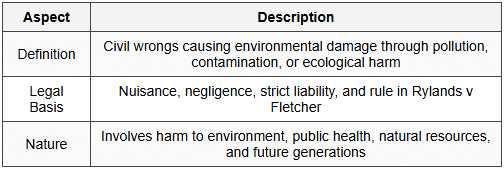
1.1 Concept and Nature
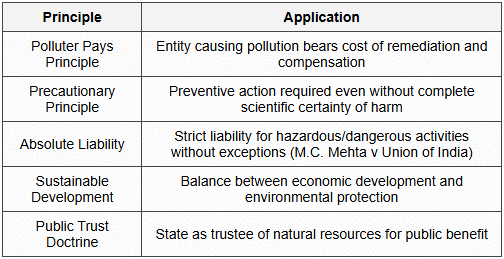
1.2 Key Principles
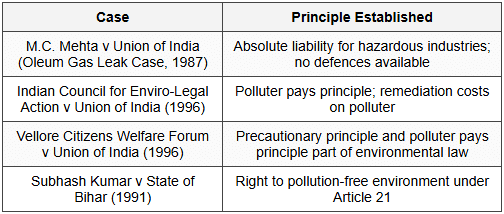
1.3 Landmark Cases
1.4 Remedies
- Injunctions to prevent continuing pollution
- Compensation for environmental damage and restoration costs
- Mandatory directions for remediation and clean-up
- Exemplary damages in cases of gross negligence
- Closure orders for polluting units
2. Medical Negligence and Healthcare Liability
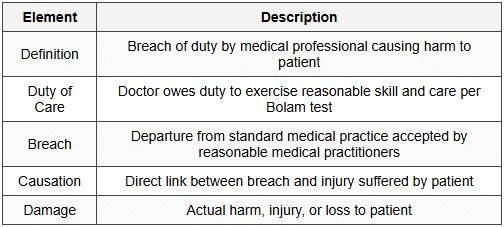
2.1 Concept and Elements
2.2 Standard of Care
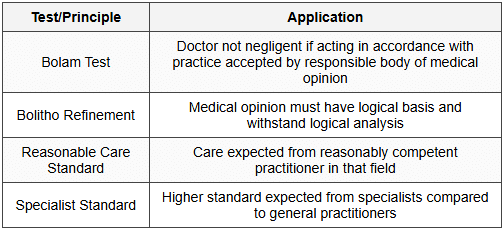
2.3 Areas of Liability
- Wrong diagnosis due to lack of proper examination
- Surgical errors and wrong site surgery
- Prescription errors and drug interactions
- Failure to obtain informed consent
- Failure to refer to specialist when required
- Hospital negligence (vicarious liability)
- Defective medical equipment
- Inadequate post-operative care
2.4 Important Cases
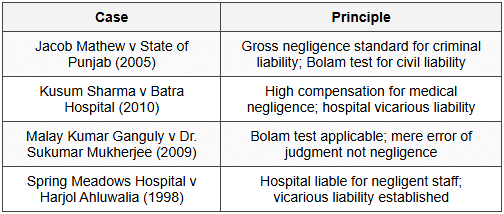
2.5 Defences and Limitations
- Error of judgment: Honest mistake not amounting to negligence
- Accepted medical practice: Following standard protocols
- Contributory negligence by patient
- Volenti non fit injuria (informed consent to inherent risks)
- Emergency situations requiring immediate action
2.6 Consumer Protection Act Application
- Medical services constitute 'service' under Consumer Protection Act, 2019
- Free services in government hospitals also covered
- Deficiency in service actionable before consumer forums
- Faster remedy compared to civil courts
- Compensation up to specified limits in each forum tier
3. Privacy Torts and Data Protection
3.1 Right to Privacy as Fundamental Right
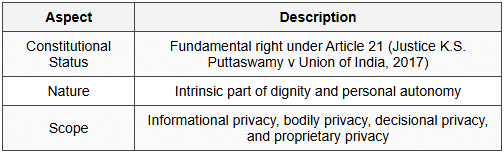
3.2 Privacy Torts Categories
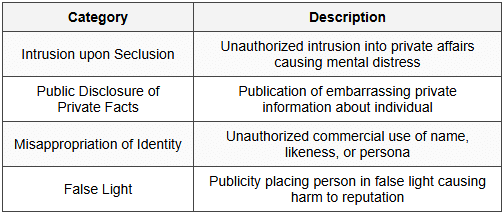
3.3 Data Protection Framework
- Digital Personal Data Protection Act, 2023 enacted
- Data fiduciaries responsible for lawful processing of personal data
- Consent-based framework with explicit consent requirements
- Data principal rights: access, correction, erasure, grievance redressal
- Data localization requirements for sensitive personal data
- Penalties for data breaches and non-compliance
- Data Protection Board as regulatory authority
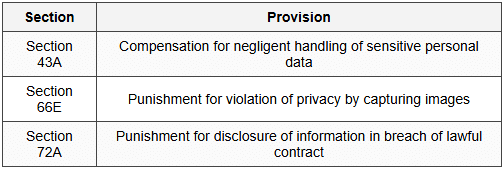
3.4 Information Technology Act, 2000 Provisions
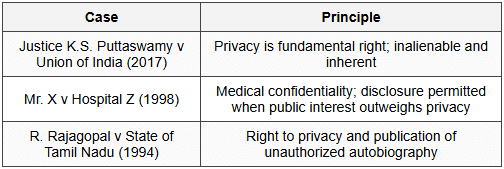
3.5 Key Cases on Privacy
3.6 Remedies for Privacy Violations
- Injunction to prevent disclosure or continued violation
- Damages for mental distress and reputational harm
- Account of profits from unauthorized commercial use
- Statutory compensation under IT Act and data protection laws
- Criminal prosecution under relevant statutory provisions
4. Cyber Torts and Internet Liability
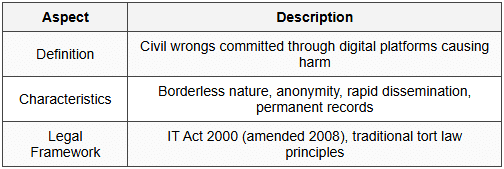
4.1 Nature and Scope
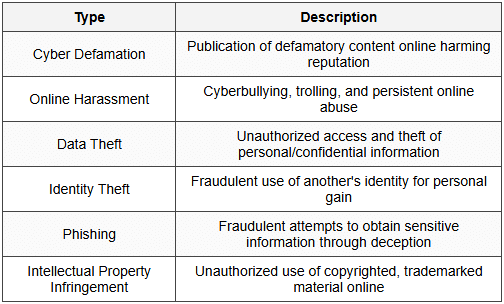
4.2 Types of Cyber Torts
4.3 Intermediary Liability
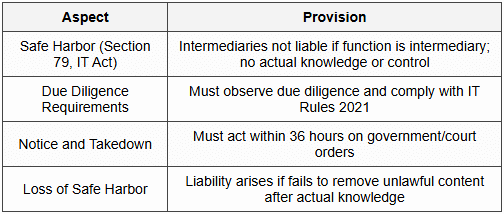
4.4 IT Rules 2021 (Intermediary Guidelines)
- Grievance redressal officer appointment mandatory
- Monthly compliance reports required
- Traceability of first originator for significant social media intermediaries
- Proactive monitoring and content removal obligations
- Classification: publisher, intermediary, significant social media intermediary
- Code of ethics for digital media and OTT platforms
4.5 Social Media Specific Issues
- Viral defamatory content causing widespread harm
- Revenge porn and non-consensual intimate image sharing
- Fake news and misinformation campaigns
- Doxxing (publishing private information)
- Copyright infringement through sharing
- Platform liability for user-generated content
4.6 Remedies
- Takedown orders and content removal
- Statutory damages under Section 43A IT Act
- Compensatory damages for harm suffered
- Injunctions against further publication
- Account blocking and de-platforming
- Criminal prosecution under IT Act provisions
5. Product Liability
5.1 Concept and Legal Framework
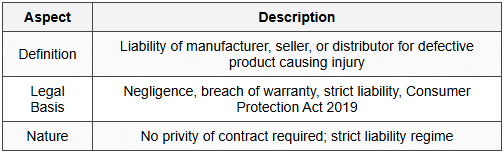
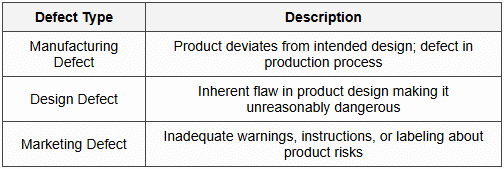
5.2 Types of Defects
5.3 Parties Liable
- Manufacturer: Primary liability for defective products
- Importer: Treated as manufacturer for imported goods
- Seller/Retailer: Liable if cannot identify manufacturer or for own negligence
- Distributor: Joint liability in supply chain
- Component manufacturer: Liable for defective components
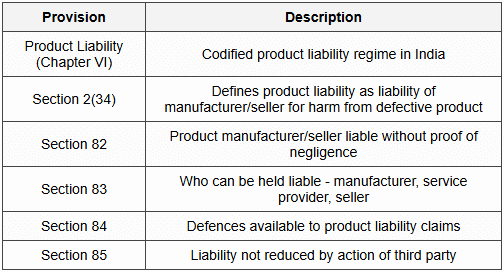
5.4 Consumer Protection Act 2019 Provisions
5.5 Defences
- Defect did not exist when product left control of manufacturer
- Non-compliance with statutory requirements caused defect
- Defect arose from compliance with mandatory legal requirements
- State of scientific knowledge insufficient to discover defect at time of supply
- Component manufacturer defense: defect in final product design, not component
- Express warnings adequately provided
5.6 Important Cases
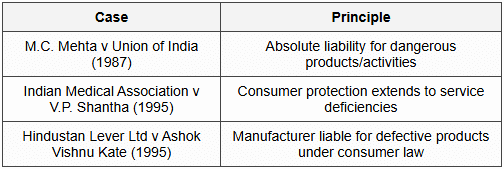
5.7 Remedies
- Removal of defect from product
- Replacement with defect-free product
- Refund of purchase price
- Compensation for injury, damage, or loss
- Product recall orders
- Punitive damages for gross negligence
6. Corporate Liability and Torts
6.1 Vicarious Liability of Corporations
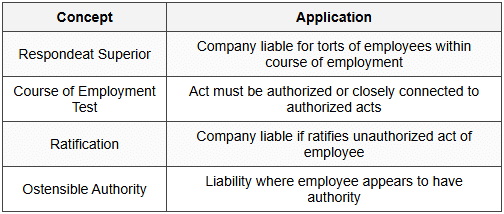
6.2 Direct Corporate Liability
- Breach of statutory duties imposed on corporation
- Negligent hiring, training, or supervision
- Unsafe workplace conditions
- Defective products manufactured
- Negligent system of work
- Failure to maintain safe premises
6.3 Directors' Personal Liability
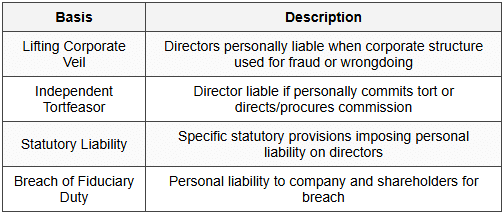
6.4 Corporate Negligence
- Duty to maintain safe systems and procedures
- Failure to conduct proper risk assessment
- Inadequate safety protocols and training
- Negligent selection of contractors or agents
- Failure to supervise employees adequately
- Breach of statutory safety standards
6.5 Mass Tort Liability
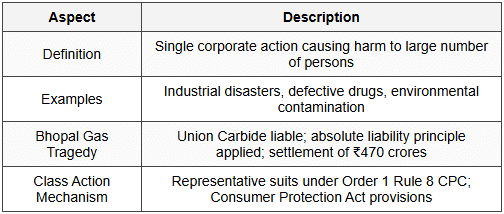
6.6 Corporate Social Responsibility and Torts
- CSR obligations under Companies Act 2013 (Section 135)
- Failure to meet CSR obligations may evidence negligence
- Environmental and social impact assessments required
- Community consultation obligations in certain projects
- Liability for environmental damage from business operations
7. Tort of Passing Off and Trade Disparagement
7.1 Passing Off
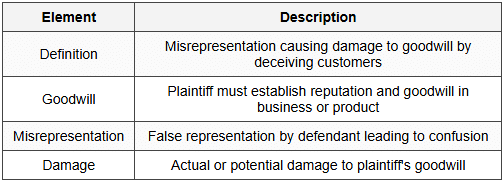
7.2 Classic Trinity Test (Reckitt & Colman v Borden)
- Goodwill or reputation attached to plaintiff's goods/services
- Misrepresentation by defendant leading to confusion
- Damage suffered or potential damage to plaintiff's goodwill
7.3 Forms of Passing Off
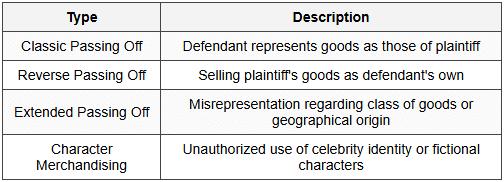
7.4 Trade Disparagement (Injurious Falsehood)
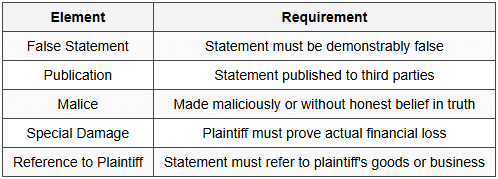
7.5 Distinction: Passing Off vs Defamation vs Trade Disparagement
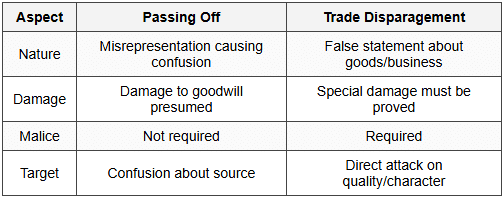
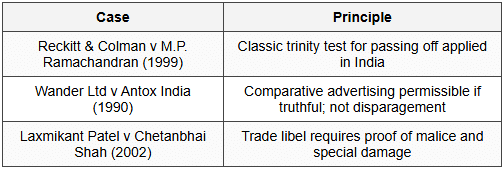
7.6 Important Cases
7.7 Remedies
- Injunction: Restraining further passing off or disparagement
- Damages: Compensation for loss of sales and goodwill
- Account of profits: Recovery of defendant's gains
- Delivery up and destruction of infringing materials
- Corrective advertising at defendant's expense
8. Mass Torts and Class Actions
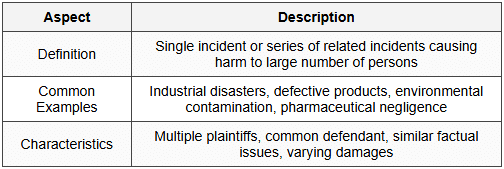
8.1 Concept of Mass Torts
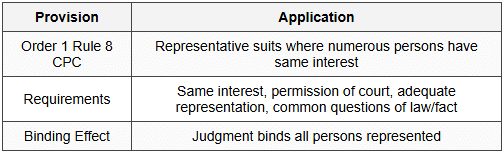
8.2 Legal Framework for Representative Suits
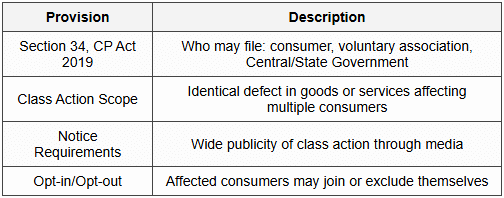
8.3 Consumer Protection Act Class Actions
8.4 Public Interest Litigation (PIL)
- Relaxed standing requirements for mass harm issues
- Any public-spirited person can file for affected group
- Particularly effective for environmental and human rights violations
- Supreme Court and High Courts exercise writ jurisdiction under Articles 32 and 226
- Epistolary jurisdiction: letters treated as petitions
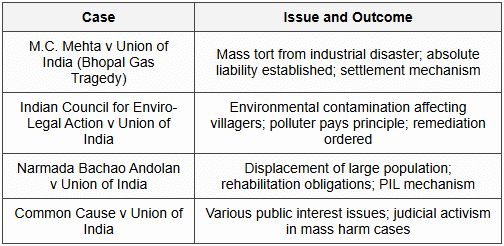
8.5 Landmark Mass Tort Cases
8.6 Challenges in Mass Tort Litigation
- Identifying all affected parties
- Proving individual causation and damages
- Adequate representation of diverse interests
- Settlement approval and distribution mechanisms
- Limitation periods for delayed manifestation injuries
- Jurisdiction issues when multiple forums involved
- Coordination between multiple proceedings
8.7 Compensation Distribution Mechanisms
- Court-supervised settlement funds
- Claims tribunals for expeditious processing
- Graduated compensation based on injury severity
- Public trustees or court commissioners for fund management
- Interim compensation pending final determination
9. Alternative Dispute Resolution in Tort Cases
9.1 Advantages of ADR in Tort Litigation
- Faster resolution compared to court proceedings
- Lower costs for both parties
- Confidentiality of proceedings and settlement
- Flexibility in procedure and remedies
- Preservation of ongoing relationships
- Expert arbitrators/mediators for technical issues
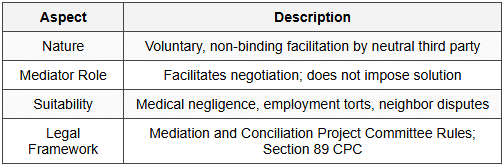
9.2 Mediation
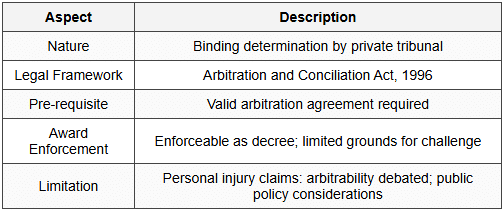
9.3 Arbitration
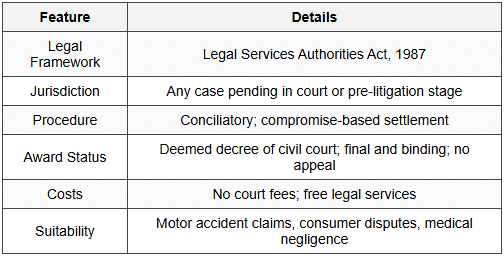
9.4 Lok Adalat (People's Courts)
9.5 Motor Accident Claims Tribunal
- Specialized tribunal under Motor Vehicles Act, 1988
- Summary procedure for motor accident compensation
- No-fault liability for limited compensation up to specified amount
- Fault-based claims for full compensation
- Insurance company primary party liable
- Appeal to High Court within specified period
9.6 Consumer Dispute Redressal Forums
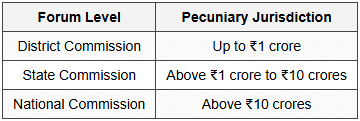
- Summary procedure; complaint filing fee nominal
- Time-bound disposal (90-150 days)
- Service deficiency and product defects covered
- Compensation, replacement, refund, corrective action as remedies
- Appeals to higher forum within specified period
9.7 Negotiated Settlements
- Direct negotiation between parties or legal representatives
- Settlement can occur at any stage of litigation
- Court approval required for minors or persons of unsound mind
- Consent decree or compromise recorded under Order 23 Rule 3 CPC
- Tax implications of settlement amounts
- Confidentiality clauses commonly included
10. Tort Reforms and Future Directions
10.1 Current Challenges in Tort Law
- Delay in adjudication and case backlogs
- Inadequate compensation amounts relative to actual harm
- Difficulty in proving causation in complex cases
- Absence of codified tort law (reliance on precedents)
- Limited scope of strict liability application
- Jurisdictional conflicts in multi-state torts
- Emerging technologies creating new liability issues
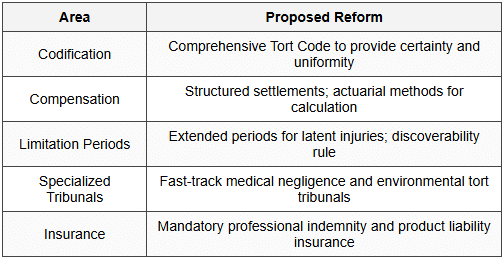
10.2 Proposed Reforms
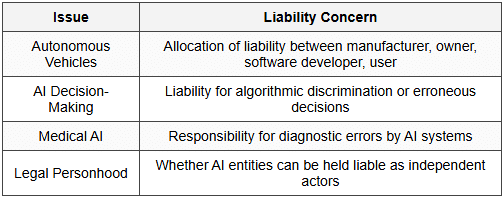
10.3 Artificial Intelligence and Autonomous Systems
10.4 Climate Change Litigation
- Emerging area of tort liability for carbon emissions
- Corporate accountability for contribution to climate change
- Standing issues: who can sue for diffuse climate harm
- Causation challenges in linking specific emissions to specific harm
- Public trust doctrine application to atmospheric resources
- Intergenerational equity considerations
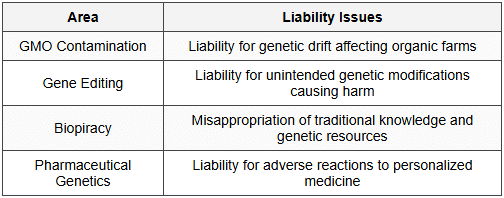
10.5 Biotechnology and Genetic Engineering Torts
10.6 Workplace Torts in Gig Economy
- Classification of gig workers: employees or independent contractors
- Platform liability for injuries to gig workers
- Occupational health and safety obligations
- Vicarious liability issues in platform economy
- Algorithmic management and worker autonomy concerns
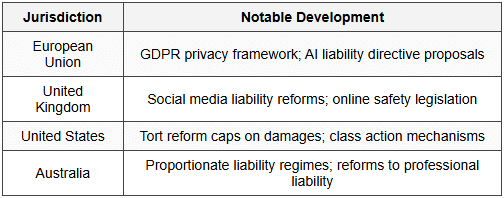
10.7 International Developments Influencing Indian Tort Law
10.8 Technology-Facilitated Abuse
- Cyberstalking and online harassment torts
- Deepfake technology and false light liability
- Revenge porn and non-consensual image sharing
- Cryptocurrency fraud and blockchain-related torts
- Smart device surveillance and privacy violations
- IoT device security failures causing harm
10.9 Compensation Trends
- Move toward actuarial methods for loss calculation
- Recognition of mental trauma as independent compensable harm
- Loss of consortium and companionship claims gaining recognition
- Future medical expenses with inflation adjustment
- Loss of earning capacity for homemakers and students
- Punitive damages for willful misconduct increasing
10.10 Access to Justice Initiatives
- Technology integration: e-filing, virtual hearings
- Legal aid expansion for tort claimants
- Contingency fee arrangements debate
- Pro bono representation networks
- Simplified procedures for small-value claims
- Public awareness campaigns on tort remedies
The document Cheat Sheet: Emerging Trends in Tort Law is a part of the CLAT PG Course Law of Torts.
All you need of CLAT PG at this link: CLAT PG
About this Document

4.83/5 Rating

Apr 20, 2026 Last updated
Related Exams
Document Description: Cheat Sheet: Emerging Trends in Tort Law for CLAT PG 2026 is part of Law of Torts preparation. The notes and questions for Cheat Sheet: Emerging Trends in Tort Law have been prepared according to the CLAT PG exam syllabus. Information about Cheat Sheet: Emerging Trends in Tort Law covers topics like and Cheat Sheet: Emerging Trends in Tort Law Example, for CLAT PG 2026 Exam. Find important definitions, questions, notes, meanings, examples, exercises and tests below for Cheat Sheet: Emerging Trends in Tort Law.
Introduction of Cheat Sheet: Emerging Trends in Tort Law in English is available as part of our Law of Torts for CLAT PG & Cheat Sheet: Emerging Trends in Tort Law in Hindi for Law of Torts course. Download more important topics related with notes, lectures and mock test series for CLAT PG Exam by signing up for free. CLAT PG: Cheat Sheet: Emerging Trends in Tort Law
Description
Cheat Sheet: Emerging Trends in Tort Law of Law of Torts to help you remember important concepts with short tricks. Start learning for CLAT PG exam & improve retention with EduRev.
Information about Cheat Sheet: Emerging Trends in Tort Law
In this doc you can find the meaning of Cheat Sheet: Emerging Trends in Tort Law defined & explained in the simplest way possible. Besides explaining types of Cheat Sheet: Emerging Trends in Tort Law theory, EduRev gives you an ample number of questions to practice Cheat Sheet: Emerging Trends in Tort Law tests, examples and also practice CLAT PG tests



Related Searches
ppt, Extra Questions, shortcuts and tricks, MCQs, practice quizzes, Cheat Sheet: Emerging Trends in Tort Law, Viva Questions, Semester Notes, pdf , Exam, past year papers, Objective type Questions, study material, Important questions, Sample Paper, Previous Year Questions with Solutions, mock tests for examination, video lectures, Cheat Sheet: Emerging Trends in Tort Law, Summary, Free, Cheat Sheet: Emerging Trends in Tort Law;