History, Art & Culture – Current Affairs (December 2025)

GS1/History & Culture
Veer Bal Diwas
Why in News?
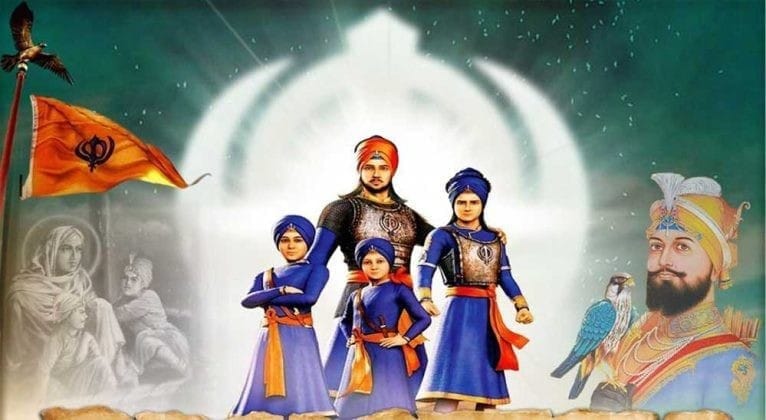
Recently, the Prime Minister of India addressed the Veer Baal Diwas programme in New Delhi, highlighting the significance of this day in honoring the bravery of two young heroes of Sikh history.
Key Takeaways
- Veer Bal Diwas is observed annually on December 26, starting from 2022.
- This day commemorates the martyrdom of Sahibzada Zorawar Singh ji and Sahibzada Fateh Singh ji, the sons of Guru Gobind Singh ji, the tenth Sikh Guru.
- The day aims to honor the courage displayed by these young boys who stood firm in their faith.
Additional Details
- Historical Context: Guru Gobind Singh and his family were forced to flee the Anandpur fort as it was besieged by the Mughal Army. During this turmoil, his youngest sons, Zorawar Singh and Fateh Singh, were captured.
- The young boys bravely refused to renounce their faith and were ultimately bricked alive on December 26, 1704.
- About Guru Gobind Singh: He was the 10th Sikh Guru, succeeding his father Guru Tegh Bahadur, the ninth Sikh Guru. He is known for establishing the principles of the Khalsa, which include the Five 'K's: kesh (uncut hair), kanga (wooden comb), kara (iron bracelet), kirpan (dagger), and kachera (short breeches).
- He played a crucial role in the Battle of Muktsar in 1705 and declared the Guru Granth Sahib as the holy scripture of Sikhism in 1708, shortly before his passing.
The observance of Veer Bal Diwas serves as a reminder of the sacrifices made for faith and the valor of the young martyrs, encouraging future generations to remember and honor their legacy.
GS1/History & Culture
150 Years of Vande Mataram
Why in News?
The Parliament of India recently held a special discussion commemorating the 150th anniversary of Vande Mataram, a song intricately linked to India's freedom movement. The session, initiated by Prime Minister Narendra Modi, sparked renewed political debates surrounding the song's origins, symbolism, and the historical decisions made by national leaders regarding its use. Originally a patriotic hymn from Bankimchandra Chattopadhyay's novel, Anandamath, Vande Mataram evolved into a nationalist rallying cry, though its later stanzas raised concerns, leading the Congress in 1937 to officially adopt only the first two. In the Constituent Assembly, it was granted "equal honour and status" alongside the National Anthem.
Key Takeaways
- Origins: Vande Mataram was composed by Bankimchandra Chattopadhyay around 1875 and gained prominence in 1881.
- National Anthem Status: In 1950, it was recognized alongside Jana Gana Mana as a national symbol without conflict.
- Political Significance: The song became crucial in the Swadeshi and Anti-Partition movements, energizing mass resistance.
Additional Details
- Literary Context: The novel Anandamath depicts the Santanas, ascetic warriors devoted to liberating the motherland, represented as Bharat Mata rather than a religious figure.
- Symbolism of the Three Mothers:The three forms of the Mother symbolize India's past, present, and future:
- The Mother That Was: Powerful and magnificent.
- The Mother That Is: Weakened and suffering.
- The Mother That Will Be: Rejuvenated and triumphant.
- The song's inclusive appeal was evident during a historic 1906 march in Barisal, where over 10,000 Hindus and Muslims united under the slogan.
- Key figures like Rabindranath Tagore and Sri Aurobindo played significant roles in popularizing Vande Mataram, framing it as a spiritual and political call for self-rule.
- The British authorities attempted to suppress the song due to its mobilizing power, resulting in fines and police actions against those who chanted it.
The recognition of Vande Mataram as a national symbol reflects its historical significance in India's struggle for independence, balancing inclusivity with a reverence for its role in unifying diverse communities against colonial rule.
GS1/History & Culture
Deepavali Added to UNESCO's Intangible Cultural Heritage List
Why in News?
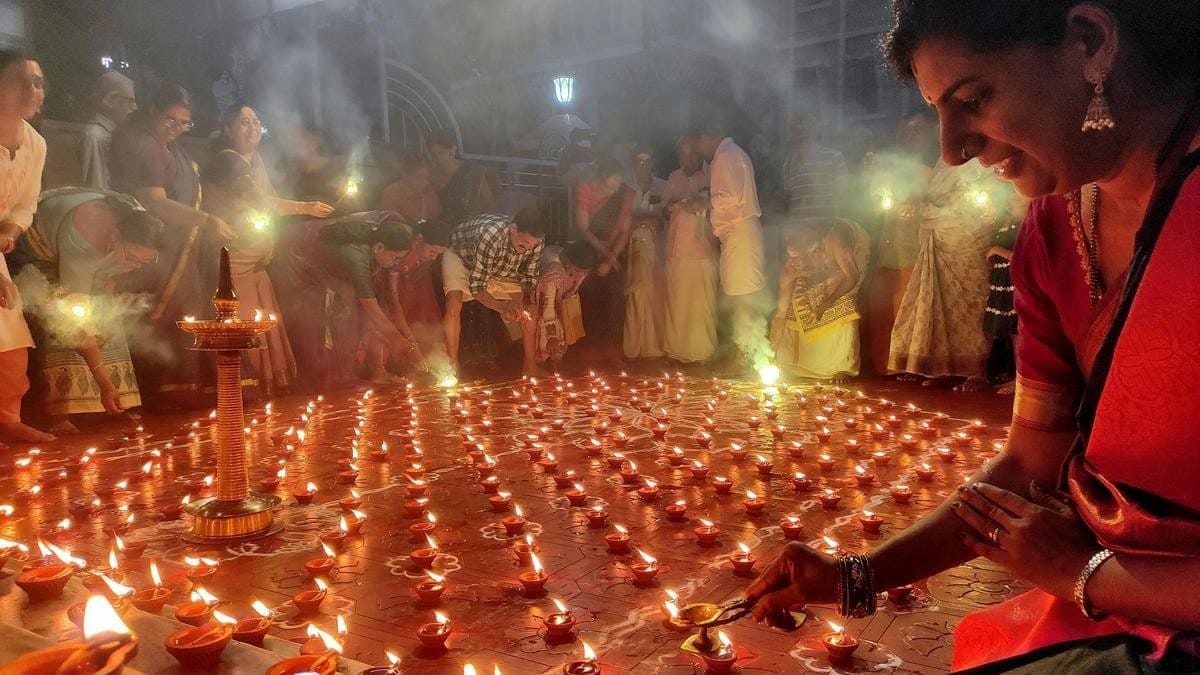
Deepavali, known as the Festival of Lights, has recently been inscribed on UNESCO's List of the Intangible Cultural Heritage of Humanity during the 20th Intergovernmental Committee session held at New Delhi's Red Fort. This notable addition makes Deepavali the 16th Indian cultural element on the prestigious list, recognizing it as a living tradition that is continuously recreated by communities, fostering social cohesion and contributing to cultural continuity and development.
Key Takeaways
- Deepavali is now recognized as part of UNESCO's Intangible Cultural Heritage.
- This recognition enhances the global stature of the festival and supports cultural diplomacy.
- UNESCO's list aims to safeguard living traditions that embody shared identities.
Additional Details
- UNESCO Intangible Cultural Heritage List: This list includes living traditions and skills such as oral traditions, performing arts, festivals, social practices, traditional craftsmanship, and knowledge of nature. These practices are crucial for cultural identity and are passed across generations.
- Inscription Process: For a cultural practice to be inscribed, it must be inclusive, representative, and rooted in the community. Countries must submit a nomination dossier for evaluation, allowing one nomination every two years.
- India's Cultural Heritage: Other Indian traditions recognized by UNESCO include Durga Puja in Kolkata, Kumbh Mela, and various performing arts like Sankirtana and Kutiyattam.
The inscription of Deepavali on UNESCO's list not only elevates the festival's international recognition but also bolsters efforts to preserve its traditions. This recognition supports tourism, cultural exchange, and sustains the artisans and communities that keep the vibrant traditions of Deepavali alive. As globalization and conflict threaten cultural diversity, such recognition becomes vital for safeguarding these rich cultural heritages.
FAQs on History, Art & Culture – Current Affairs (December 2025)
| 1. What is the significance of INS Vikrant in reviving India's maritime past? |  |
| 2. What does Veer Bal Diwas commemorate? | |
| 3. Why is the 150th anniversary of 'Vande Mataram' significant? | |
| 4. What does the inclusion of Deepavali in UNESCO's Intangible Cultural Heritage List signify? | |
| 5. How do these events reflect India's cultural and historical identity? | |




