Veena Bhargava Textbook Solutions: Waste Management - Impact of Waste Accumulation

Multiple Choice Questions
Question 1Which of the following is not an example of how the 3Rs can be adopted by a city?
- Recovering heat from combustible waste.
- Disposing plastic bottles in a landfill.
- Composting organic waste.
- Offering collection of recyclables from the apartments building once a week.
Ans: (a)
Explanation: The 3Rs are Reduce, Reuse and Recycle. Recovering heat from combustible waste is an energy recovery method rather than one of the 3Rs. It converts waste to energy but does not directly reduce the amount of waste produced, nor does it reuse or recycle materials.
Question 2Fly ash from power plants can be used as cement substitutes; with which of the following Rs is it associated?
- Recycle
- Reduce
- Reuse
- All the above
Ans: (c)
Explanation: Using fly ash as a cement substitute involves using a waste product again in construction, so it is an example of reuse. This practice prevents disposal of fly ash and conserves raw materials used in cement production.
Question 3Waste paper can be converted to make new paper; with which of the following Rs is it associated?
- Recycle
- Reduce
- Reuse
- All the above
Ans: (a)
Explanation: Converting waste paper into new paper is recycling. Recycling processes break down used paper into pulp and manufacture new paper products from that raw material, thereby reducing the need for fresh wood pulp.
Question 4What do the 3Rs stand for?
- Resource, Recharge, Reset
- Reborn, Receive, Retrieve
- Reduce, Reuse, Recycle
- Rebind, Reason, Realms
Ans: (c)
Explanation: The 3Rs are Reduce, Reuse, Recycle. They represent simple principles to minimise waste: reduce consumption, reuse items where possible, and recycle materials into new products.
Question 5Which of the following is not an example of non-biodegradable waste?
- Glass
- Vegetable peels
- Plastic bottles
- Glass items
Ans: (b)
Explanation: Vegetable peels are biodegradable because they decompose naturally by biological activity. Glass and plastics are non-biodegradable and persist in the environment for long periods.
Question 6E-waste refers to
- Environment waste
- Electrical waste
- Excreta waste
- Electronic waste
Ans: (d)
Explanation: E-waste means discarded electronic devices such as computers, mobile phones and televisions. These items contain useful materials but also toxic substances that must be handled carefully.
Question 7Refer to the image & answer the question that follows.
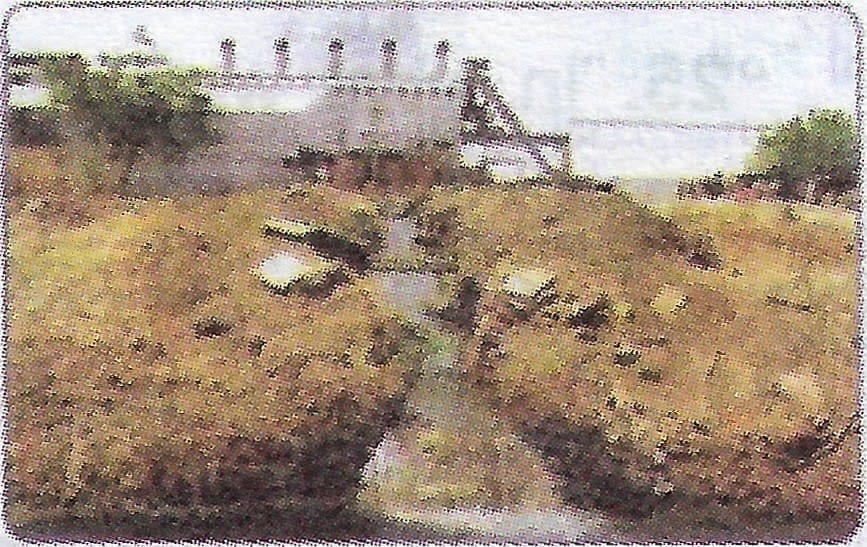
Which of the flowing type of waste can be generated here?
- Biomedical waste
- Domestic waste
- Industrial waste
- Agricultural waste
Ans: (c)
Explanation: The scene indicated in the image suggests factory or factory-site activity. Such locations typically generate industrial waste, including solid residues, chemical effluents and process by-products rather than household or biomedical waste.
Question 8Which of the following types of pollution is the cause of Minamata disease?
- Air pollution
- Soil pollution
- Water pollution
- Environmental pollution
Ans: (c)
Explanation: Minamata disease was caused by mercury contamination of water. Industrial discharge of mercury into water bodies led to poisoning of fish and shellfish, which then harmed humans and animals that consumed them.
Question 9Refer to the image & answer the question that follows.
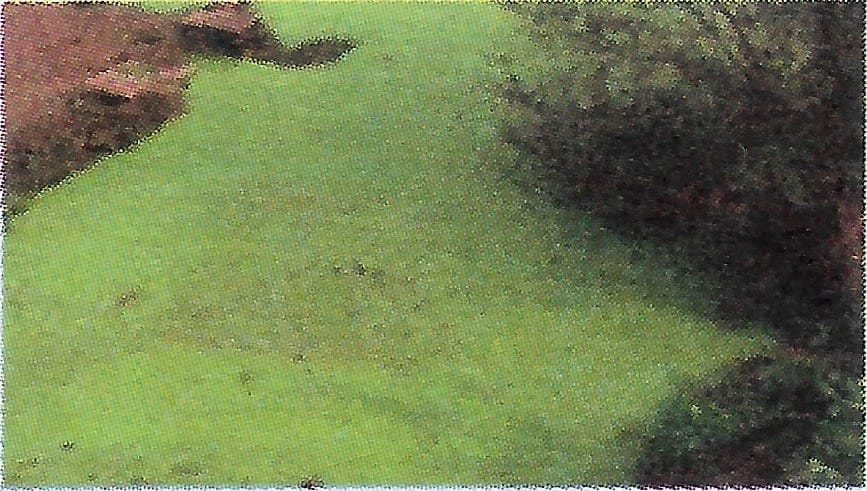
Identify the type of pollution in the picture.
- Biomagnification
- Bioaccumulation
- Eutrophication
- Bioamplification
Ans: (c)
Explanation: The image shows excessive algal growth and water discolouration, which are signs of eutrophication. This occurs when nutrient overloads (for example from fertilisers or sewage) stimulate algal blooms that deplete oxygen and harm aquatic life.
Question 10Smog is related to which of the following types of pollution?
Ans: Air pollution
Explanation: Smog is a type of air pollution formed when smoke and other pollutants combine with moisture in the atmosphere. It reduces air quality and visibility and poses health risks to the respiratory system.
Answer the following questions
Question 1What is meant by spoilage of landscape? How does it affect the environment?
Ans: Spoilage of landscape means the deterioration of the natural appearance and quality of land due to accumulation of unattended rubbish and waste. It affects the environment in the following ways:
- It reduces the aesthetic value of land and damages soil and vegetation, making areas unattractive and less usable.
- It provides breeding sites for insects, flies and mosquitoes, increasing the risk of pest problems.
- It can lead to the spread of infectious diseases as waste attracts vectors and contaminates nearby areas.
What is meant by pollutant? Give two examples of air pollutants.
Ans: A pollutant is any substance introduced into the environment in harmful quantities that disrupts the normal functioning of ecosystems and adversely affects plants, animals and humans.
Two examples of air pollutants are:
- Carbon monoxide.
- Sulphur dioxide.
Name two diseases caused by air pollution.
Ans: Two diseases linked to air pollution are:
- Asthma.
- Lung cancer.
What is meant by eutrophication? How does it affect aquatic life?
Ans: Eutrophication is the excessive growth of algae and aquatic plants in water bodies caused by an overload of nutrients (such as nitrates and phosphates) from sewage, fertilisers and industrial effluents. It affects aquatic life by:
- Causing algal blooms that reduce light penetration and upset plant growth.
- Leading to oxygen depletion as algae die and decompose, which causes fish and other aquatic animals to suffocate and die.
Name the disease caused by mercury contamination in Japan.
Ans: The disease caused by mercury contamination in Japan is known as Minamata disease.
Question 6What effect does the burning of organic waste have on the environment?
Ans: Burning organic waste affects the environment in several ways:
- It releases gases such as carbon dioxide and carbon monoxide, which contribute to greenhouse gas emissions and air pollution.
- Smoke contains fine particulate matter that can enter the lungs and damage the respiratory system.
- When smoke mixes with moisture and other pollutants it forms smog, which further harms lung health and reduces visibility.
Name any three diseases caused due to water pollution.
Ans: Three diseases caused by water pollution include:
- Cholera.
- Dysentery.
- Minamata disease.
What is meant by biomagnification?
Ans: Biomagnification is the process by which the concentration of toxic substances increases at each successive level of the food chain, so predators at the top accumulate the highest concentrations.
Question 9How is acid rain caused? What are its effects?
Ans: Acid rain is caused when pollutants such as sulphur dioxide and nitrogen oxides mix with moisture in the atmosphere to form sulphuric and nitric acids. Its effects include:
- Damage to forests and plant life by altering soil chemistry and harming leaves.
- Harm to aquatic life when acidified rain lowers the pH of lakes and rivers.
- Corrosion and damage to buildings and monuments made of stone and metal.
- Respiratory health problems in humans, especially children, due to increased air acidity and particulates.
What are the hazards caused by soil pollution?
Ans: Hazards caused by soil pollution include:
- Toxic substances can leach into groundwater, contaminating drinking water sources.
- Runoff of fertilisers and pesticides can lead to eutrophication of nearby water bodies.
- Polluted soil becomes less fertile and unsuitable for agriculture.
- Soil contaminated with pathogens increases health risks for humans and animals.
- Soil pollution poses broader threats to ecosystems and food safety.
What are the effects of untreated solid waste?
Ans: Untreated solid waste can lead to several harmful effects:
- Accumulation and fermentation of waste can produce foul odours and encourage spread of infectious diseases.
- Exposure to hazardous chemicals in waste can cause chemical poisoning.
- Agricultural and industrial wastes dumped carelessly create serious health hazards in nearby areas.
- Medical waste may spread infectious agents if not handled properly.
- Piles of untreated waste attract pests such as insects and rodents, increasing disease risks.
- Toxic chemicals in waste can be fatal or cause long-term health problems.
Why is it essential to have proper disposal of wastes?
Ans: Proper disposal of waste is essential to prevent:
- The spread of diseases caused by contaminated waste and vectors.
- An increase in pest problems such as rodents and insects.
- Health effects such as cancer and genetic disorders from exposure to toxic substances.
- Accumulation of heavy metals and other harmful chemicals from plastics and industrial waste in the environment.
Name the diseases spread by industrial effluents.
Ans: Diseases and health problems associated with industrial effluents include:
- Heavy metal poisoning (for example from lead, mercury, arsenic).
- Cancer linked to exposure to some industrial chemicals.
- Liver and kidney damage due to toxic chemicals.
- Respiratory diseases from inhaled pollutants.
- Gastrointestinal ulcers and related disorders.
- Neurological disorders caused by certain industrial toxins.
- Itai-itai disease (cadmium poisoning) in affected areas.
- Skin diseases from chemical exposure.
- Birth defects associated with exposure to teratogenic substances.
How do farm wastes affect human life? Name any two harmful substances they contain.
Ans: Farm wastes, if burned or disposed of improperly, release smoke and harmful gases that contribute to air pollution and can cause respiratory problems. They may also carry pesticide residues that leach into soil and water, contaminating food and drinking water. Two harmful substances found in farm waste are:
- Aluminium phosphide (a pesticide).
- Cresol (used in some agricultural or fiber treatments).
Name any three pollutants produced by chemical effects from industries? How do they affect terrestrial life?
Ans: Three pollutants from industrial chemical effluents are Fluorine, Arsenic and Cadmium. Their effects on terrestrial life include:
- Fluorosis in cattle and sheep caused by excessive fluoride, damaging bones and teeth.
- Chronic arsenic poisoning in humans and animals, leading to serious health problems.
- Cadmium poisoning harms earthworms and other soil organisms, disrupting soil health and fertility.
How does DDT affect marine life?
Ans: DDT is an insecticide that persists in the environment and accumulates in aquatic organisms. It harms fish and other marine life by disrupting biological systems, causing reproductive and developmental problems and reducing population health in affected ecosystems.
Question 17Why is fluoride harmful to cattle?
Ans: Fluoride at high concentrations causes fluorosis in cattle. This condition damages bones and teeth and may lead to symptoms such as diarrhoea, weight loss, reduced fertility and lower milk production, affecting animal health and productivity.
Question 18How do plastics affect marine life?
Ans: Plastics affect marine life in several harmful ways:
- Entanglement - Animals such as turtles, seabirds and seals can become trapped in plastic debris, leading to injury or death.
- Ingestion - Marine creatures may swallow plastic fragments, which can block the digestive tract, cause starvation or internal injury.
- Chemical pollution - Plastics can absorb and release toxic chemicals that enter the food chain when ingested by marine organisms.
Give two reasons why waste must be managed efficiently?
Ans: Efficient waste management is important because:
- Poor waste management leads to the spread of communicable and hazardous diseases.
- Direct contact with solid waste exposes waste workers and rag-pickers to chronic health problems.
Why should waste be recycled?
Ans: Recycling waste conserves natural resources, reduces the need for new raw materials and minimises pollution from waste disposal. It also saves energy and can provide economic benefits by creating raw materials and jobs.
Question 21In what way do developing countries face more problems than developed countries in managing waste?
Ans: Developing countries face greater challenges in waste management because they often lack modern technology, public awareness and effective systems. Rapid population growth, unplanned urbanisation and limited education and resources make it harder to collect, treat and dispose of waste safely.
Question 22Write a brief note on the need for management of waste in India.
Ans: In India, rapid population growth and industrial expansion have increased pollution and waste. Urbanisation has created problems with garbage disposal, air and water pollution and soil contamination. Poor waste management leads to more airborne and waterborne diseases and damages landscapes. Effective waste management is therefore essential to protect public health and the environment.
Question 23What is meant by E-waste? Why is it important to recycle it?
Ans: E-waste includes electronic items such as computers, TVs, mobile phones and washing machines that are outdated or non-functional.
Recycling e-waste is important because:
- Conservation of resources - Valuable materials like metals, plastics and glass can be recovered and reused.
- Reduction of pollution - E-waste contains toxic metals and chemicals that can harm people and the environment if not handled correctly.
- Energy savings - Recycling uses less energy than producing new materials from ores and raw materials.
- Economic benefits - Recycling creates jobs and reduces the need for new raw materials.
State two methods of managing waste efficiently and properly.
Ans: Two efficient methods of waste management are:
- Segregating waste into recyclable and non-recyclable categories at the source.
- Recycling waste into usable raw materials for new products.
In what way can we reduce the generation of waste?
Ans: We can reduce waste generation by:
- Using cloth or paper bags instead of polybags.
- Promoting awareness about judicious use of products and avoiding unnecessary purchases.
- Choosing renewable products such as solar heaters that reduce waste at source.
- Using biodegradable and eco-friendly products.
- Composting household organic waste.
- Repairing and reusing old items instead of buying new ones.
How can we utilize the household waste?
Ans: Household waste can be utilised in the following ways:
- Vegetable peels and garden waste can be converted into manure by composting.
- Old clothes can be reused to make doormats, cushion covers and similar items.
- Boxes and jars can be repurposed as flower pots.
- Unused pages from old notebooks can be used to make new notebooks.
What substitutes would you suggest in place of plastic and polythene bags which are biodegradable?
Ans: Cloth or paper bags are good substitutes for plastic and polythene bags because they are biodegradable and reusable.
What is meant by 3 Rs? Explain with the help of appropriate examples.
Ans: The 3 Rs stand for Reduce, Reuse and Recycle.
- Reduce - Cut down on the amount of waste produced. Example: Use washable napkins instead of single-use paper napkins and use cloth bags instead of polybags.
- Reuse - Use items again in the same or a different form instead of discarding them. Example: Make dolls, cushion covers or doormats from old cloth pieces. Fly ash from power plants is used as a cement substitute for bricks and road construction, which is a form of reuse.
- Recycle - Process waste materials into raw materials for new products. Example: Bagasse (a by-product of the sugar industry) is used to manufacture paper; plastics are reprocessed by plastic manufacturers.
How can you recycle paper?
Ans: Waste paper can be recycled by collecting and processing it into pulp to make new paper products. Recycled paper can become new computer paper, stationery, or building materials such as insulation, plasterboard and roofing. Recycling paper reduces the need for fresh wood pulp and saves resources.
FAQs on Veena Bhargava Textbook Solutions: Waste Management - Impact of Waste Accumulation
| 1. What is waste accumulation? |  |
| 2. What are the environmental impacts of waste accumulation? | |
| 3. How does waste accumulation affect human health? | |
| 4. What measures can be taken to manage waste accumulation effectively? | |
| 5. What role does legislation play in waste management? | |




