NCERT Solutions: Infrastructure- Engine of India’s Development

The Big Questions
(Page 169)
Q1: What is physical infrastructure, and how has it transformed over the years in India?
Ans:
- Physical infrastructure refers to all tangible systems and facilities that support daily life and economic activities, including roads, bridges, railways, metro trains, airports, electricity, water supply, and communication networks. In India, infrastructure has evolved significantly over the years.
- During the British period, basic roads, trade routes, and railways were mainly built for trade and transport. After independence, highways, bridges, and railway networks expanded, connecting towns, cities, and villages. In modern times, metro systems, airports, renewable energy projects, and high-speed trains have made infrastructure faster, more efficient, and technology-driven.
Q2: How has the expansion in infrastructure affected the quality of life for individuals and communities?
Ans:
- The expansion of infrastructure has greatly improved the quality of life for individuals and communities. Good roads, bridges, and transport systems enable faster travel and smooth movement of goods, helping everyone reach markets and people access schools, hospitals, and workplaces, even in remote areas.
- Modern communication, like the internet and phones, allows students in distant regions to study online and citizens to use e-governance services. Infrastructure also supports disaster relief, public safety, and reliable access to electricity and water, making life easier and more convenient. It creates jobs and ensures quick responses during emergencies, making communities more secure, comfortable, and economically active.
Q3: What is the role of infrastructure in the development and economic prosperity of the nation?
Ans:
Infrastructure is the backbone of economic growth. Efficient transport links manufacturing centres with markets, reducing costs and promoting trade domestically and internationally. Energy-efficient rail and shipping networks increase productivity, while airports and ports facilitate rapid movement of goods. Infrastructure development also generates employment directly and indirectly, supports tourism, strengthens national security, and connects remote regions, all of which contribute to national prosperity.
Let's Explore
Q4: Have you or your family members ever taken a train or a metro? What sort of economic activities did you see around the stations? Share the experience with your classmates. (Page 180)
Ans: Yes, my family and I have travelled by train and metro. We saw many economic activities around the station such as tea sellers, food vendors, porters, auto-rickshaws, taxis, cycle-rickshaws, hotels, lodges, and small restaurants outside the station.
Q5: Create a 'Community Responsibility Pact' on the board or as a poster. Come up with ideas on how individuals can develop a sense of responsibility towards public infrastructure? (Page 190)
Ans:
Note: Posters should be made by students themselves.
Individuals can develop a sense of responsibility by:
- Using public facilities like benches, parks, and toilets carefully without causing damage.
- Avoiding littering and always disposing of waste in dustbins.
- Reporting broken streetlights, damaged roads, or water leaks to the authorities.
- Respecting public transport and following rules in metros, buses, and trains.
- Participating in local cleanliness drives and awareness campaigns to help maintain infrastructure.
Q6: Can you think of ways in which infrastructure can become more sustainable around you? For example, what changes would you make to your school to make it more eco-friendly? (Page 190)
Ans:
Infrastructure can become more sustainable by using cleaner sources of energy, reducing pollution, managing waste properly, and protecting green spaces. Renewable options like solar power and eco-friendly materials reduce harm to the environment, while proper waste segregation keeps the surroundings clean and healthy.
To make my school more eco-friendly, I will use separate bins for recyclable and biodegradable waste, help plant more trees and maintain the gardens, and encourage my friends to walk or cycle instead of using private vehicles. I will also switch off lights and fans when they are not needed and avoid using plastic. All these steps together will help make the school greener, cleaner, and more environment friendly.
Q7: Write down a list of five problems you have observed and their possible solutions on a sheet and discuss in class. (Page 190)
Ans: In our daily life, we often come across problems related to infrastructure that affect our comfort and safety. Here are five common problems I have observed along with their possible solutions:
- Potholes on roads - Potholes make travel unsafe and uncomfortable.
Solution: Regular road maintenance, reporting potholes to the authorities, and using durable materials when constructing roads. - Poor waste management/littering Rubbish on the streets creates unhygienic conditions.
Solution: Install more bins, raise awareness about cleanliness, ensure regular collection and disposal of waste, and encourage recycling. - Broken streetlights or poor lighting Dark streets can be unsafe at night. Solution: Timely repair of streetlights and installation of solar-powered lights in remote areas.
- Water supply issues/leaking pipes. Leaks and irregular supply cause inconvenience.
Solution: Regular maintenance of pipes, fixing leaks promptly, and promoting rainwater harvesting. - Traffic congestion/lack of pedestrian facilities - Heavy traffic and unsafe walkways make commuting difficult.
Build flyovers, create pedestrian and bicycle lanes, and improve public transport such as buses and metro services.
Think About It
Q8: What might happen to Satish's efforts if any part of the infrastructure is missing? (Page 173)
Ans: Satish's success as a tomato farmer relies entirely on interconnected physical infrastructure, which can be thought of as pieces of a puzzle. If any part of this network were missing or non-functional, his efforts would likely fail, leading to wasted produce and lost income.
Specifically, the absence of key infrastructure would mean:
- If canals or electric water pumps were missing, irrigation would be impossible, regardless of sunshine and rain.
- If good roads were missing, trucks could not transport his tomatoes to the city. The safe and timely travel of goods would be compromised.
- Without cold storage, the tomatoes would not stay fresh and would likely spoil before reaching the market.
- Without the internet, Satish would not be able to gather information about the best agricultural inputs or crucial market prices necessary for selling his harvest.
Q9: What happens when a new highway is built near a village? How does it impact the lives of the people living nearby? (Page 173)
Ans: The construction of a new highway, classified as a "super-fast road" maintained by the central government, significantly improves connectivity and economic activity.
The impact on nearby villagers would include:
- Improved Access and Speed: The highway enables smooth travel for goods and people. In difficult terrain, infrastructure like bridges can drastically reduce travel time (e.g., by four hours in one example).
- Economic Benefits: It allows farmers to transport their vegetables and fruits to the market faster, preventing spoilage. The highway also boosts trade and supports tourism.
- Access to Services: People gain faster access to essential services, such as reaching hospitals or obtaining medicines quickly, even during emergencies like floods.
- Potential for Growth: Major infrastructure connecting regions often leads to the development of new settlements and markets nearby.
Q10: Imagine if there were no internet or phone services. How would this affect people's ability to work or learn? (Page 173)
Ans: The absence of communication infrastructure like internet and phone services, would severely hinder people's ability to work, study, and access essential services.
Impact on Work:
- E-commerce (buying or selling products and services online) would stop, preventing small and large businesses from selling products across the world.
- E-governance services, which rely on communication technologies to deliver services like quick online payments, document applications (such as the DigiLocker app), and complaint filing, would become inaccessible.
- The overall functioning of government and commerce would be disrupted, as physical infrastructure depends on communication for smooth operation.
Impact on Learning:
- Students, especially those in remote areas, would lose access to crucial educational resources like online classes, digital libraries, and educational videos.
Q11: Which parts of this process do you think are easiest to see in real life, and which are completely invisible? (Page 185)
Ans: When Rani sends a voice note to her cousin, some parts of the communication process are visible in real life, while others remain completely invisible.
Easiest to See (Visible):
- The mobile phone or device used by Rani and her cousin.
- The tower near Rani's village that transmits signals.
- The fields and roads where the fibre-optic cables are buried.
Completely Invisible:
- The electricity powering the mobile tower.
- The fibre cables carrying the message, under the ground.
- The message being transmitted via satellites in space.
- The data travelling through giant servers in distant cities.
Q12: In the 1990s, mobile calls in India cost up to 17 per minute, with charges even for incoming calls. Today, India has some of the world's cheapest mobile and internet rates. How do you think this became possible? (Page 187)
Ans: This achievement was possible due to the rapid growth of communication infrastructure in India. A vast network of cables, mobile towers, satellites, and data centres replaced older, slower methods and enabled fast digital connectivity.
In addition, the large number of users, with over 1,160 million mobile subscribers and nearly 900 million internet connections in 2025, allows service providers to offer mobile and internet services at much lower rates.
Q13: Ask your family or people in the neighbourhood how they sent long distance messages before mobile phones were introduced. What has been their experience of using the first telephone or mobile phone? (Page 187)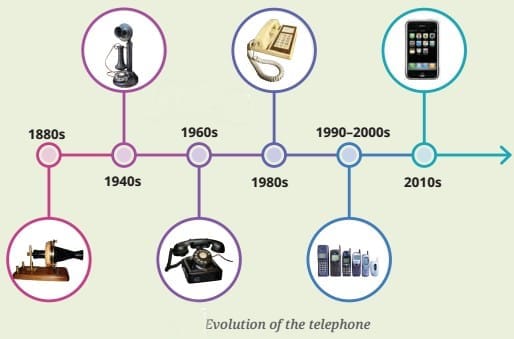
Ans: Before mobile phones were introduced, long-distance messages were sent via letters and important messages through telegram. After using the first telephone or mobile phone, communication became fast, easy, reliable, allowing people to connect instantly across cities and countries.
Q14: Do you see other types of infrastructure around you like schools, colleges, training centres, hospitals, health centres, police stations, fire stations, courts, parks, libraries, community centres and so on? This is known as social infrastructure. How do you think it supports the wellbeing and development of communities and society? (Page 188)
Ans: Social infrastructure, which includes schools, colleges, hospitals, police stations, parks, libraries, and community centres, provides the essential foundation for the wellbeing and development of communities.
It supports society in several ways:
- Wellbeing: Hospitals and health centres ensure that people have access to medical care, helping maintain a healthy community.
- Education and Development: Schools, colleges, and training centres offer learning opportunities and skill development, enabling individuals to grow and contribute to society.
- Safety and Justice: Police stations and courts maintain law and order, ensuring a safe and just environment for everyone.
- Community Life and Recreation: Parks, libraries, and community centres provide spaces for recreation, cultural activities, and social interaction, fostering stronger community bonds.
(Exercise)
Q15: Which form of physical infrastructure has been built in your area in the last decade? How do you think it has benefitted you or your family members? If you could build something for the community, what would it be?
Ans: In the last decade, a new road and bridge network has been built in my area. This infrastructure has greatly benefitted my family and me by improving connectivity, making it faster and easier to travel to schools, workplaces, and markets. It has also made travel safer and reduced the risk of accidents.
Additionally, better roads have supported local businesses by allowing goods and people to move more efficiently, contributing to the economic growth of the area. If I could build something for the community, I would construct a community health centre, which would provide easy access to medical care, ensure timely treatment during emergencies, and promote the overall health and wellbeing of everyone in the area.
Q16: How does infrastructure like ports, highways, and airports create jobs in different parts of the country? Can you think of indirect ways people benefit from it?
Ans: Infrastructure such as ports, highways, and airports directly creates jobs in construction, operation, and maintenance. For example, building a highway provides employment for engineers, labourers, and technicians, while airports create opportunities for staff in security, baggage handling, and logistics.
Indirectly, improved infrastructure benefits local businesses, tourism, and trade. Farmers, shopkeepers, and small-scale manufacturers can transport their goods more efficiently, leading to higher incomes. People also gain better access to education, healthcare, and markets, improving overall living standards.
Q17: Why is it important to think about the environment when building new infrastructure like roads or airports? Can infrastructure development and environmental protection go hand in hand? If yes, how?
Ans: Yes, it is essential to consider the environment when building new infrastructure and development can align with protection through specific strategies:
- Minimising Environmental Harm: Large projects can damage habitats, cause deforestation, and increase pollution, which negatively impacts biodiversity, human health, and natural ecosystems.
- Mitigation Through Planning: Strict Environmental Impact Assessments (EIAs) before construction help to identify risks and implement plans to reduce harm.
- Sustainable Design and Technology: Using eco-friendly materials, incorporating renewable energy sources like solar panels, and adopting efficient waste management systems ensure long-term sustainability.
- Biodiversity and Resource Management: By adopting practices like biodiversity offsetting (restoring habitats elsewhere) and efficient water/energy management, help conserve natural resources while infrastructure development continues.
Q18: How can better infrastructure (like roads, airports, communication systems) help during natural disasters like floods or earthquakes?
Ans: Better infrastructure plays a crucial role in responding to natural disasters, providing support in the following ways:
- Air transport is helpful in delivering aid to people during disasters like floods or earthquakes, as planes can reach difficult terrains (like high mountains or dense forests) easily.
- Bridges (part of the road network) provide year-round access and ensure people can access hospitals or medicines faster, even during floods.
- Advancements in communication aid emergency response during natural disasters through quick mobile SMS alerts or apps.
Q19: Have you ever noticed people misusing public spaces, like scribbling on walls, breaking streetlights, or damaging benches? What are its consequences? Write your observations and suggest solutions to prevent it.
Ans: Yes, I have observed damages being done to public infrastructure such as roads being littered, stains on buildings, or writings on monuments.
Consequences of damages being done to public infrastructure reduces ease of living for people and becomes a burden for every citizen. Historically, texts like the Arthashastra suggested severe penalties and fines for individuals who damage public property, such as breaking street lights or obstructing paths.
Solution to this situation is by taking care of public infrastructure as it is a collective responsibility. The role of citizens is important in maintaining infrastructure; individuals need to use it responsibly and report any damage to the authorities (e.g., potholes or broken streetlights).
Q20: Prepare 'scenario posters' for the following situations:
(i) A new factory is planned in an area. What form of infrastructure is required for its smooth operation?
Ans: A factory needs several types of physical infrastructure to run smoothly because infrastructure supports all economic activities.
(a) Transportation: A factory must receive raw materials and send out finished goods, so it needs good roads, highways, and railways for cargo. For international trade, access to ports and cargo airports is important. These systems help goods move quickly and efficiently.
(b) Utilities and Energy: A steady supply of electricity is essential to run machines. Factories also need clean water pipelines for workers and for certain processes. Using clean energy like solar power makes operations more sustainable.
(c) Communication: Modern factories depend on strong internet and communication networks. Good connectivity helps with logistics, market research, and selling products online. It allows managers to track prices, plan production, and reach customers globally.
(ii) Self-cleaning roads, underground highways, and high-speed bullet trains could be part of a futuristic city! Imagine the kind of infrastructure that would be required in the future that could help ease the lives of the people and communities in your city, town or village for various day-to-day functions.
Ans: A futuristic city would use smart and clean infrastructure to make life easier. Highspeed trains and self-cleaning roads would help people travel faster and with less pollution. Everyone would have instant internet access, making services and communication much simpler. The city would run on clean energy like solar power, with smart systems to manage water and waste. Strong, disaster-ready roads and communication networks would keep people safe during emergencies.
(iii) Think about upgrades to the infrastructure near you, considering the terrain of your area, such as coastal, mountainous, plains, etc., and the type of natural calamities your region is prone to.
Ans: Upgrading infrastructure depends on the terrain and the natural disasters an area faces.
- In mountainous regions, stronger roads, tunnels, and all-weather bridges are needed so people can travel safely even during landslides or snow. Heliports and better communication networks also help during emergencies.
- In coastal or flood-prone areas, roads and bridges must be flood-resistant, and ports should be improved to handle trade safely. These regions can also use clean energy like solar and wind to stay sustainable.
- In urban and rural areas, upgrades should focus on cleaner utilities, better waste management, accessible transport for all, and simple systems for reporting potholes or damage.
(iv) If you could design a new railway or metro station, what would it look like and what features would you add to make it more fun and comfortable for the passengers?
Ans: If I were designing a new railway or metro station, I would make it modern, sustainable, and comfortable for everyone. The station would use ecofriendly architecture with plants and natural materials, and it would run on clean solar energy. It would connect smoothly with buses and highways for easy travel.
Inside, the station would have wide, accessible paths, ramps, and seating for children, the elderly, and people with disabilities. Fast Wi-Fi and clear digital displays would help passengers get real-time information. There would be clean food stalls and an efficient waste-management system to keep the space tidy. Overall, the station would be safe, green, and enjoyable for all travellers.
Q21: Today's modern infrastructure requires consistent technological innovations. For instance, electric vehicles are increasingly being used by people as a cheaper alternative to polluting fuel like diesel or petrol. Find out about other innovations in infrastructure that can improve ease of living or mobility for communities.
Ans: The other sources that highlight several innovations focusing on cleaner energy and efficiency are:
- Electrification of Railways: India is aiming to have 100 percent trains running on electricity by 2025 to reduce pollution.
- Solar Power: Some metro trains, like the Delhi Metro, use solar power to lower pollution levels.
- Energy Efficiency: Cargo trains transporting items use 75-90 per cent less energy than road transport.
- Sustainable Materials: Using solar panels for generating electricity for buildings can reduce.
FAQs on NCERT Solutions: Infrastructure- Engine of India’s Development
| 1. What is infrastructure and why is it important for India's development? |  |
| 2. How does transportation infrastructure impact economic activities in India? | |
| 3. What role does communication infrastructure play in modernising Indian society? | |
| 4. How does the government support infrastructure development in India? | |
| 5. What are the challenges faced in developing infrastructure in India? | |