Kurukshetra Summary: February 2026 - 1


Rural Sports Powering India @ 2047
Overview
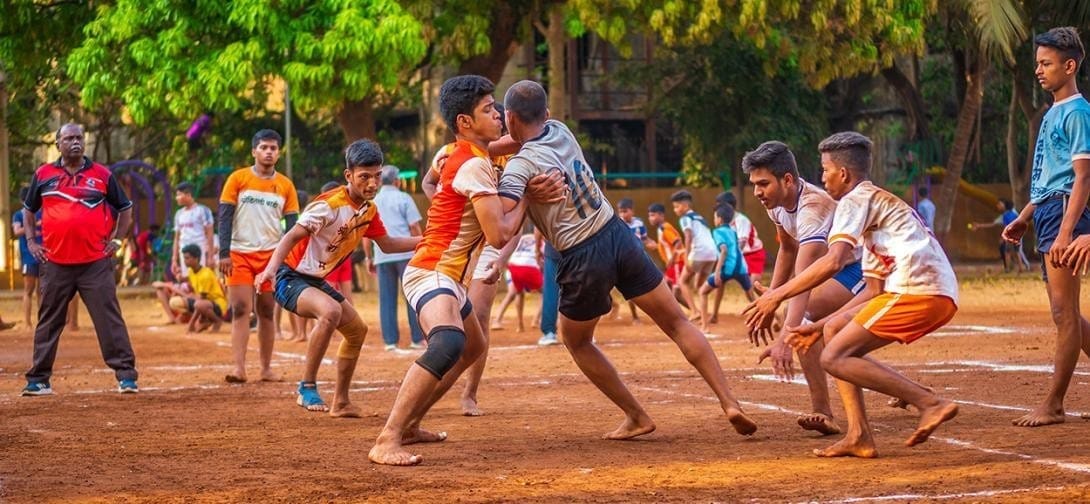
Rural sports form the backbone of India's sporting excellence and are central to the vision of building a Viksit Bharat by 2047. Under Prime Minister Narendra Modi's leadership, sports-especially rural sports-have been placed at the centre of the national development agenda.
Rural Roots of India's Sporting Strength
India's global strengths in hockey, wrestling, boxing, athletics, and archery are deeply rooted in rural soil. The Sports Authority of India (SAI) launched the Special Area Games (SAG) Scheme to identify and train talent from remote corners-Rajasthan, North-Eastern States, Jammu & Kashmir, West Bengal, and Madhya Pradesh.
Vision 2047: A Clear Sporting Roadmap
Union Minister Dr. Mansukh Mandaviya outlined the goal to rank among the top ten medal-winning nations at the 2036 Olympics and enter the global top five in the following decade. India's bid to host the 2030 Commonwealth Games (Ahmedabad) and 2036 Olympics provides a powerful platform for showcasing indigenous sports like Yogasana, Kabaddi, Kho-Kho, and Mallakhamb.
Key Government Initiatives
- National Sports Governance Act - ensures transparency and athlete-centric policy
- Khelo Bharat Niti 2025 - structured pathway from village-level play to elite competition
- KIRTI (Khelo India Rising Talent Identification) - scientific talent scouting in rural/tribal areas
- 1,000+ Khelo India Centres (KICs) across 750 districts
- Khelo India State Centres of Excellence (KISCEs) - top-level state facilities
- PYKKA (Panchayat Yuva Krida aur Khel Abhiyan) - village and block-level sports infrastructure
- Sansad Khel Mahotsav - MP-led initiative from village to parliamentary constituency level
Reviving Indigenous & Tribal Games
Indigenous games like Thang-Ta, Gatka, and Kalaripayyattu are promoted under Khelo India's component for Promotion of Rural Indigenous & Tribal Games. All recognised indigenous games now feature in Khelo India competitions with targeted infrastructure and coaching support.
Conclusion
Rural sports in India stand at a historic inflection point. Backed by political will, robust policy reforms, and increased investment, village-born talent is being given structured pathways to national and global success.
Rural Talent: The Bedrock Of Indian Sports
Overview
Nearly 80 per cent of India's sportspersons come from rural areas, making villages the true backbone of Indian sports. Despite hardships and limited facilities, rural athletes often display stronger determination than their urban counterparts.
Olympic Legacy
Out of India's total ten Olympic gold medals, eight came in hockey while the remaining two were secured by shooter Abhinav Bindra (Beijing 2008) and javelin thrower Neeraj Chopra. India now targets 12 gold medals and 30-35 total medals while bidding for the 2036 Olympics.
Rural Icons Profiled
- Manu Bhaker: Born in Goriya village, Jhajjar (Haryana). Won two bronze medals in 10m air pistol at Paris 2024 Olympics. Part of TOPS core group for 2028.
- Neeraj Chopra: From Khandra village, Panipat. First Indian track-and-field Olympic gold medallist (Tokyo 2020, 87.58m). Silver at Paris 2024 (89.45m personal best). World Champion 2023.
- Pritam Siwach: From Jharsa village, Gurugram. Key role in India's 2002 Commonwealth Games hockey gold. Founded Pritam Siwach Hockey Academy, Sonipat.
- MC Mary Kom: From Kangathei village, Manipur. Olympic bronze (London 2012), multiple world championships. Padma awards and Major Dhyan Chand Khel Ratna recipient.
- Bhaichung Bhutia: From Tinkitam village, Sikkim. 84 internationals, 27 goals. Known as 'Sikkim Sniper'. Arjuna Award and Padma Shri.
Target Olympic Podium Scheme (TOPS)
TOPS was launched in September 2014 and revamped in April 2018. Under it, selected Olympic and Paralympic prospects receive foreign training, international exposure, equipment, coaching camps, and a monthly stipend of ₹50,000. Currently supports 98 core group athletes (across 13 sports) and 165 development group athletes (across 12 sports).
Women Hockey Icons
Vandana Katariya (Roshanabad village, Haridwar) holds the record for most appearances (320) and goals (158) in Indian women's hockey and was the first Indian woman to score an Olympic hat-trick (Tokyo 2020). Rani Rampal (Shahabad Markanda) played 254 internationals, scored 120 goals, and earned Khel Ratna, Arjuna Award, and Padma Shri.
Key Challenge
The key challenge remains access to quality coaching and modern infrastructure. Many domestic coaches lag behind global advancements, making foreign coaches prevalent. India must invest in upgrading coaching capabilities and strengthening sports federations and private academies.
Rural Women Redefining India's Sporting Glory
Overview
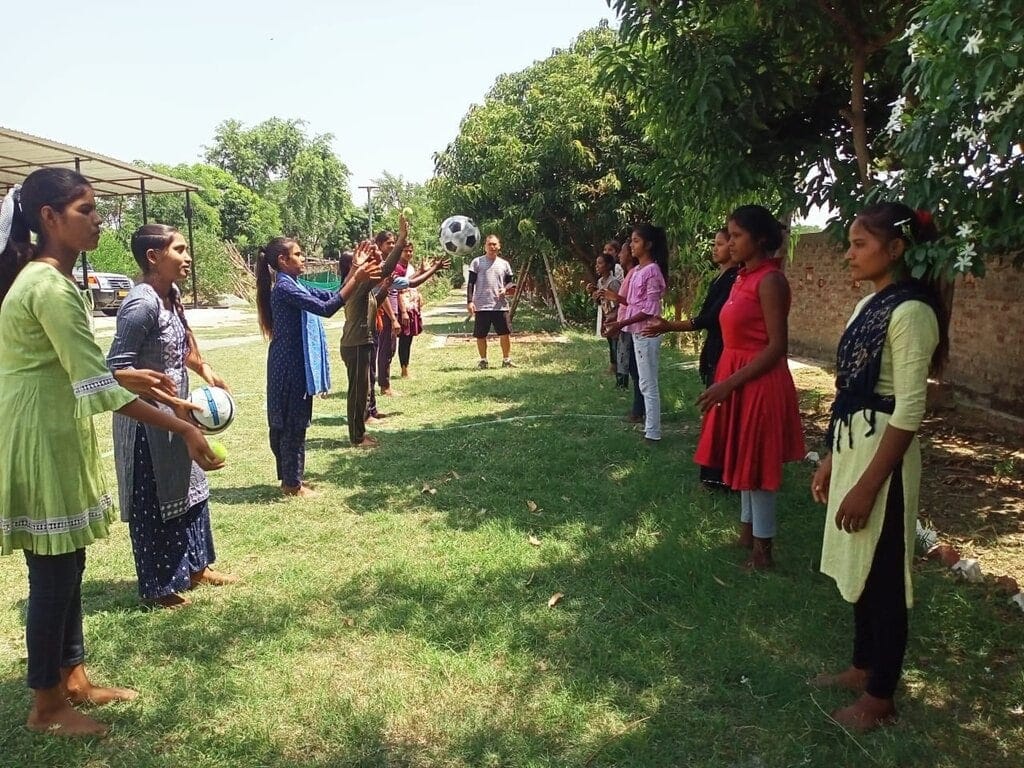
India's sporting resurgence is unfolding across village playgrounds, tribal belts, farming communities, and small-town training centres, driven by rural women. For decades, girls from rural India faced deep-rooted social conservatism, financial hardship, and limited infrastructure. Today, many stand as Olympic medallists, Arjuna Award recipients, and national icons.
The Ecosystem Behind the Transformation
The change stems from government programmes: Khelo India, ASMITA (Achieving Sports Milestone by Inspiring Women Through Action), and KIRTI (Khelo India Rising Talent Identification), reinforced by state sports policies and district-level training infrastructure.
A Rapidly Expanding Rural Sports Ecosystem
- 1,000+ Khelo India Centres now operate across rural and semi-urban India
- Women's participation in organised sports has increased more than threefold since 2017
- During 2024-25 alone, over 53,000 women athletes participated in ASMITA leagues across the country
ASMITA: India's Largest Women-Only Competitive Platform
ASMITA League (Achieving Sports Milestone by Inspiring Women Through Action) is conducted across 27 sports disciplines including athletics, wrestling, hockey, kabaddi, weightlifting, archery, boxing, football, judo, and cycling at district, state, and national levels. During 2024-25, more than 53,000 women athletes participated in over 550 leagues across 34 States and Union Territories-making ASMITA the largest women-only sports league system in India.
KIRTI: Identifying Potential Early
Launched in March 2024, KIRTI scientifically identifies sporting potential among children aged 9-18 years, especially in rural, tribal, and remote regions. In its first phase, KIRTI recorded over 3.6 lakh registrations and conducted nearly 51,000 athlete assessments across 28 States and Union Territories in 11 sports disciplines. Each participant is assigned a unique digital profile for long-term performance tracking. KIRTI aims to conduct 20 lakh talent assessments during 2024-25.
Inspiring Stories
- Deep Grace Ekka: From tribal village of Lulkidhi, Sundergarh. Rose from barefoot play on mud grounds to become one of India's most respected hockey defenders and Arjuna Award recipient.
- Mahima Choudhary: Born in Kalsi village, Uttar Pradesh. Overcame social and financial barriers to represent India internationally and lead the national Hockey team to success in the inaugural FIH Hockey 5s Asia Cup.
- Vaishnavi Phalke: A farmer's daughter from Satara, progressed through government sports academies to join the senior women's hockey squad.
- Mirabai Chanu: From Nongpok Kakching, Manipur. Lifted India's first Tokyo Olympics medal in weightlifting, inspiring an entire region to embrace strength sports.
National Sports Policy 2025: Sport as Social Movement
The National Sports Policy 2025 places social inclusion and mass participation at the centre of sports development. Women and girls from rural and under-served communities are identified as priority groups. By aligning with NEP 2020, the policy integrates sport into the education system, ensuring structured programmes in schools with trained physical education teachers.
Beyond Medals: Transforming Rural Society
Sports scholarships and hostel facilities are helping girls stay in school longer. Financial independence through scholarships, government employment, sponsorships, and prize money is strengthening economic empowerment. Family attitudes toward girls' education, mobility, and professional ambition are shifting-contributing to declines in early marriage and greater acceptance of gender equality.
Rural India's Para Athlete Champions
Overview
The contribution of athletes with disabilities has become an integral part of India's sporting history. Many emerge from rural India, turning adversity-poverty, stigma, and limited infrastructure-into resilience, skill, and global excellence. India's Paralympic medal tally has been steadily improving-from 4 medals at Rio 2016, to 19 at Tokyo 2020, and a historic 29 medals (7 gold, 9 silver, 13 bronze) at Paris 2024.
Mindset Shift: The 'Divyang' Movement
Prime Minister Modi formally encouraged the use of the term 'Divyang' (divinely empowered), reflecting respect for those who inspire society with their courage and achievements. This mindset shift has been crucial in mobilising support for para-athletes.
Inspiring Journeys
- Arunima Sinha: At 22, she was pushed out of a moving train, leading to leg amputation. She met mountaineer Bachendri Pal and decided to climb Mt. Everest. In 2013, using a prosthetic leg, she became the first female amputee to scale the highest peaks of all seven continents.
- Deepthi Jeevanji: Born in Kalleda village, Warangal (Telangana). Diagnosed with intellectual disability. Won two gold medals at All India Inter-University Championships and a gold medal at the 2022 Asian Para Games. Awarded the prestigious Arjuna Award.
- Sheetal Devi: From Kishtwar, Jammu & Kashmir. Born without arms. Holds the bow with her feet, draws with her teeth, releases with her shoulder. Supported by Olympic Gold Quest (OGQ) from age 15. Won medals at Para Archery European Cup. Gold at 2022 Asian Para Games. World No. 1 para archer (2025). Arjuna Award recipient.
- Sumit Antil: Born June 7, 1998, Sonipat, Haryana. Lost a leg in childhood accident. Won gold medals in men's javelin throw (F64) at both Tokyo 2020 and Paris 2024 Paralympics, setting world records.
- Avani Lekhara: Jaipur-based shooting champion. Wheelchair-bound after a road accident at 11. Won India's first-ever gold in para-shooting at Tokyo Paralympics and a bronze. Won gold and bronze again at Paris 2024. India's most successful para shooter.
India & Paralympics: A Historic Journey
India first participated in Paralympics in 1968 (Tel Aviv). First medal came in 1984. Post-2000 saw increased government support. Key champions: Devendra Jhajharia (Athens 2004 & Rio 2016 gold in javelin), Deepa Malik (first Indian woman Paralympic medallist, Rio 2016), Mariyappan Thangavelu (High Jump gold, Rio 2016).
Policy Challenges & Way Forward
Addressing the challenges requires: transparent and dedicated budgets for para-sports, accessible sports infrastructure in every district, modern training centres through public-private partnerships, early identification of Divyang children at school level, sensitivity training for coaches, fair remuneration, and the use of virtual coaching technology. A comprehensive digital mapping platform linking schemes, equipment, and training centres can further improve accessibility.
Khelo Bharat Niti 2025: Driving Holistic Development
Overview
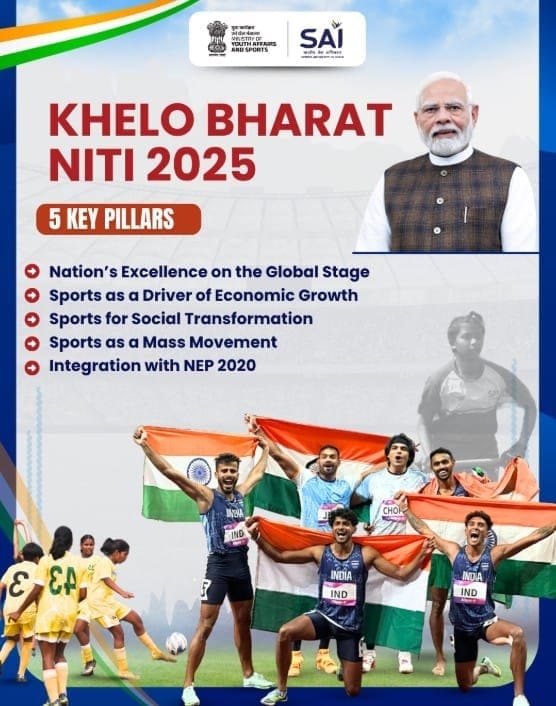
The National Sports Policy 2025 (Khelo Bharat Niti) marks a transformative shift in India's approach to sports, positioning it as a strategic driver of national development, social inclusion, and global excellence. Approved on 1 July 2025 by the Union Cabinet under PM Modi's chairmanship, it replaces the National Sports Policy of 2001 and adopts a holistic vision.
Five Strategic Pillars
- Global Excellence - strengthening India's performance in international sports
- Economic Development - sports as a driver of growth, tourism, and employment generation
- Social Empowerment - inclusion of women, tribal communities, and Divyangs
- Mass Participation - sports as a people's movement with fitness indices for schools, colleges, workplaces
- Education Integration - embedding sports into formal school curricula (aligned with NEP 2020)
Excellence on the Global Stage
NSP 2025 aims to build a robust pipeline from grassroots to elite levels through early identification and systematic nurturing of talent. The policy promotes competitive leagues and tournaments alongside sports infrastructure development across rural and urban areas. World-class systems for training, coaching, sports science, sports medicine, and advanced technology are being built.
Sports for Economic Development
NSP 2025 positions sports as a driver of economic growth and employment generation. It promotes sports tourism, attracts major international sporting events, and strengthens the sports manufacturing ecosystem-encouraging startups and entrepreneurship in equipment manufacturing, sports technology, fitness services, and event management. Private sector participation is encouraged through PPPs, CSR, and innovative funding mechanisms. India's sports sector is projected to grow at 14% CAGR to reach $130 billion by 2030 (Google-Deloitte report).
Sports for Social Development
Targeted initiatives enhance participation among women, economically weaker sections, tribal communities, and Divyangs. NSP 2025 also revitalises indigenous and traditional games by recognising their cultural significance. The policy integrates sports with education and skill development-supporting dual-career pathways for athletes and engaging the Indian diaspora through sporting platforms.
Strategic Framework for Implementation
NSP 2025 outlines a National Monitoring Framework with clear benchmarks, KPIs, and time-bound targets. It encourages AI, data analytics, and digital platforms for performance tracking. It adopts a whole-of-government approach, integrating sports promotion into all Ministries and Departments.
Key Features of Khelo Bharat Niti 2025
- Nation-Building: Foster unity and pride through sports
- Economic Growth: Drive tourism and startups via sports
- Social Inclusion: Empower women and marginalised groups
- Olympic Excellence: Target 2036 Olympic success and hosting
- Sports Industry Ecosystem: Boost investment through PPPs and CSR
- Career Pathways: Make sports a viable career option
- People's Movement: Promote national fitness campaigns
- Diaspora Engagement: Connect globally via sports
- Education Integration: Embed sports in school curricula
Revolutionising Sports Training With Technology
Overview
Indian sports are undergoing a structural transformation as technology and data-driven training replace chance-based success and individual struggle. The National Sports Policy 2025 and allied reforms have enabled early talent identification, continuous monitoring, and systematic athlete development across regions.
The Grassroots Technology Revolution
In 2026, digital platforms and mobile technologies are extending high-quality coaching beyond urban hubs into villages, small towns, and local training grounds. The smartphone has emerged as the most powerful equaliser. AI-enabled applications allow young athletes to record a video and receive structured biomechanical feedback from a qualified coach hundreds of kilometres away.
Mobile-First Coaching Platforms
Platforms such as Kreedon and StepOut allow athletes to upload practice footage for frame-by-frame analysis. The system flags inefficient foot strike, poor knee lift, or inadequate hip stability, and delivers clear, actionable feedback. Digital coaching does not replace physical coaching-it enhances it. Expert input becomes continuous, affordable, and location-independent.
Core Technologies Redefining Training
- Discipline-specific wearables and predictive biometrics for training and recovery
- Bat-mounted sensors in cricket (Stri8bat), GPS-enabled vests in football and hockey
- Predictive modelling to identify 'red zones'-periods when training load exceeds recovery capacity
- Stress fractures and ACL injuries have declined by nearly 30% compared to 2020 levels
- AI and big data analytics in IPL and Pro Kabaddi League analyse thousands of hours of footage
- Digital Twin technology creates virtual physiological models of athletes for simulations
NSP 2025: From Participation to Precision
A defining feature of NSP 2025 is its shift from broad participation metrics to precision-driven athlete development. Through a centralised digital dashboard, physiological growth, performance benchmarks, training loads, and competition outcomes of more than 50,000 identified athletes are now tracked systematically.
India's Sports-Tech Ecosystem
India's sports-technology ecosystem has expanded rapidly, with over 250 active startups by 2026. Companies such as Stupa Sports Analytics have evolved from single-sport specialisation to multi-sport AI performance platforms. Smart courts equipped with computer vision systems provide professional-grade statistics to recreational athletes. The 'fan economy'-revenues from fantasy sports and immersive viewing-helps fund research and innovation in training technologies.
Challenges Ahead
Primary challenges remain 'cost and accessibility.' High-end 3D motion capture labs and advanced sensors are still concentrated in metropolitan areas. The next phase must prioritise low-cost, high-impact solutions for Tier-2 and Tier-3 cities. Building data literacy among traditional coaches-many of whom require 'train the trainer' programmes-is equally important.
The Sports Economy: Rural Youth, Real Jobs
Overview
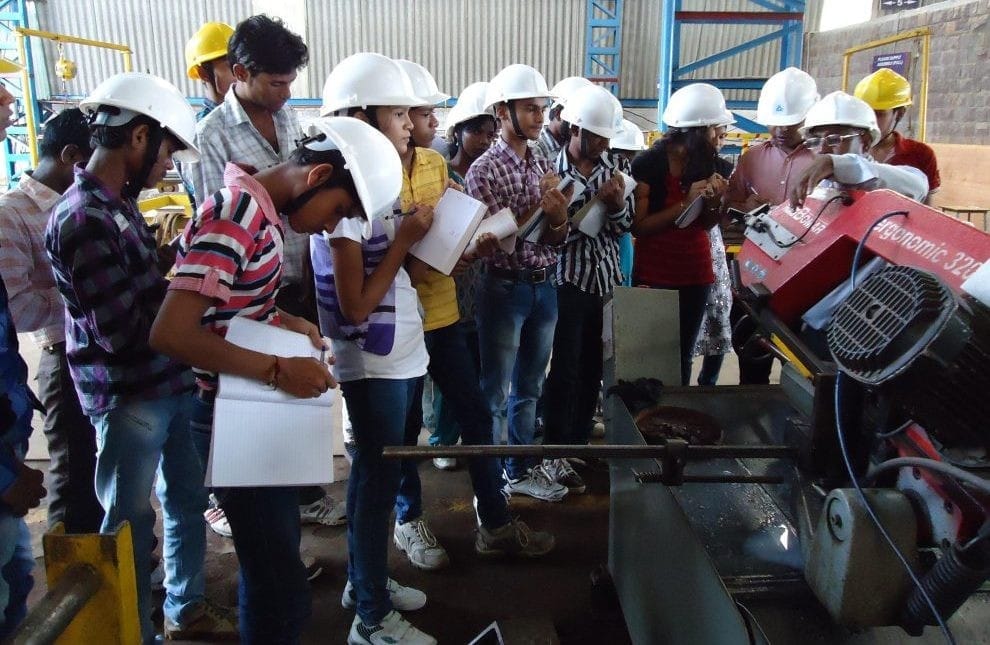
Sports in India has evolved from recreation into a structured employment ecosystem, offering rural youth sustainable livelihoods through sports quotas, coaching, infrastructure development, and allied sectors. Initiatives such as Khelo India, TOPS, ASMITA Women's Leagues, and Khelo Bharat Niti-2025 have institutionalised talent identification, financial support, and inclusive access.
Sports as a Gateway to Government Jobs
One of the strongest employment avenues in sports comes through recruitment under the sports quota in government and public sector institutions. Athletes from 43 recognised sports disciplines are eligible for jobs based on sporting achievements. Indian Railways is the largest recruiter under the sports quota, followed by the Indian Army, police forces, government banks, universities, and major PSUs such as ONGC, Indian Oil, and Air India.
Eligibility and Pay Scales
Athletes performing well at the Olympics, Asian Games, Commonwealth Games, World Championships, Khelo India events, National Games, and inter-university tournaments become eligible for direct recruitment in Group C and D positions. Pay grades range from ₹1,800 (state/junior national level) to ₹2,800 (Olympic/World Championship/Asian Games medallists). These salaries exceed local earning opportunities and provide a clear alternative to migration or unstable employment.
Infrastructure That Creates Employment
Investment in sports infrastructure has become a major source of employment in rural and semi-urban India. Over the past 11 years, the government has approved 323 new sports infrastructure projects with an investment of ₹3,074 crore. Additionally, 1,041 Khelo India Centres and 32 Khelo India Centres of Excellence have been established, supported by 301 accredited sports academies. These facilities generate employment for coaches, trainers, physiotherapists, nutritionists, grounds staff, and administrators.
Khelo India Financial Support
Under the Khelo India scheme, athletes receive annual financial support of ₹6.28 lakh, covering training, equipment, nutrition, medical care, and competition exposure. More than 2,781 athletes have benefited so far. The impact is evident, with 124 Khelo India athletes contributing to India's 42 medals at the 2022 Asian Games and 28 representing the country at the Paris 2024 Olympics.
Beyond Athletes: A Growing Sports Economy
India's sports goods industry, centred in cities like Meerut and Jalandhar, employs thousands of rural artisans. Traditional sports like mallakhamb, gatka, and kalaripayattu are creating demand for trained coaches and performers while preserving cultural heritage. The sports technology sector is emerging as a new employment frontier. According to the Google-Deloitte report 'Think Sports: Unlocking India's $130B Sports Potential,' India's sports sector is expected to grow at a compound annual growth rate of 14 per cent and reach a valuation of $130 billion by 2030.
Rural Icons, Global Impact
The rise of athletes from rural India highlights the success of this ecosystem-Neeraj Chopra (Haryana), Hima Das (Assam), Mirabai Chanu (Manipur), Deepika Kumari (Jharkhand), Avinash Sable (Maharashtra), and Rupa Bayor (Arunachal Pradesh) are shining examples of how rural talent, when supported, can succeed at the global level.
FAQs on Kurukshetra Summary: February 2026 - 1
| 1. What role does rural talent play in the future of Indian sports? |  |
| 2. How are rural women contributing to India's sporting achievements? | |
| 3. What initiatives are in place to support para athletes from rural India? | |
| 4. How does the Khelo Bharat Niti contribute to holistic development in rural sports? | |
| 5. In what ways is technology revolutionising sports training in rural areas? | |




