Yojana Summary: February 2026


Editorial - Wellness: Our New North Star

The shift from reactive 'sick-care' to proactive, personal pursuit of wellness is now a survival imperative for the many, not a luxury for the few.
Core Message
For decades, 'health' was associated only with hospitals or insurance. Today, a profound shift is taking place in the Indian psyche - from reactive sick-care toward a proactive, deeply personal pursuit of wellness.
Key Themes Discussed
- India's progress in eradicating infectious diseases has come with a hidden tax: rising stress, anxiety, and depression.
- Mental health is increasingly recognised as the foundation upon which all other health is built.
- India is referred to as the 'diabetes capital of the world'; cardiovascular diseases among young adults are increasing alarmingly.
- Sedentary lifestyles and processed diets have created a metabolic crisis requiring a cultural pivot to mindful living.
- Reintroducing nutrient-rich millets, reducing sugar intake, and cutting trans fats are cited as essential dietary changes.
- Wellness is not just an individual responsibility - it is an environmental imperative requiring green spaces, clean air, and parks in cities.
- The 'concrete jungle' effect erodes the commons (parks, playgrounds, open spaces) that serve as lungs of a city.
Conclusion
Wellness is not about a perfect yoga pose or a restrictive diet. It is about resilience - the ability of a student to handle exam pressure, a worker to find balance, and a city to provide clean air and green corners. A nation is only as healthy as its heartbeat.
Policy - Mainstreaming Ayush for Holistic Health Ecosystem
As India moves towards 'Swasth Bharat,' the integration of Ayush stands as a convergence code for sustainable well-being, where tradition and science, prevention and cure, come together.
Background
India's healthcare is undergoing transformation. The rising burden of non-communicable diseases (NCDs), mental health challenges, lifestyle disorders, and an ageing population have compelled policymakers to reimagine healthcare beyond episodic, curative care. Ayush systems - emphasising holistic wellbeing, preventive care, personalised treatment, lifestyle regulation, and mental well-being - complement Universal Health Coverage goals.
Growth of Ayush in Public Health
- Ministry of Ayush established in 2014 - a watershed moment for traditional medicine.
- National Sample Survey (79th Round, 2022-23): 95% of rural and 96% of urban populations are aware of Ayush; nearly half use Ayush for prevention or treatment.
- WHO Global Traditional Medicine Centre (GTMC) established in Jamnagar.
Convergence Mechanism - 4 Critical Dimensions
- Public Health Service Delivery: National Ayush Mission (NAM) and Ayushman Arogya Mandirs (AAM) integrate Ayush at primary healthcare level. 180,906 AAMs operationalised as of November 2025.
- Integration with National Programmes: Ayush integrated with NPCDCS (cancer, diabetes, cardiovascular diseases, stroke) across Andhra Pradesh, Bihar, Gujarat, Rajasthan, UP, West Bengal.
- Education & Capacity Building: NEP 2020 mandates interdisciplinary learning; mandatory one-week Ayush internship for MBBS graduates; Yoga integrated into MBBS curriculum.
- Digital Health: Tele-Ayush services, mobile apps (Y break, m-yoga), and AI-driven diagnostics integrated with Ayush Grid and Ayushman Bharat Digital Mission (ABDM).
Secondary & Tertiary Integration
- Integrated Ayush Departments at VMMC & Safdarjung Hospital, Lady Hardinge Medical College.
- Integrative Cancer Care Centre at NCI; integrative mental health at NIMHANS.
- Ayush-ICMR Advanced Centre for Integrative Health Research (AI-ACIHR) at 4 AIIMS institutions.
Challenges
Challenges include variability in infrastructure, uneven service quality, limited interdisciplinary exposure, and weak regulatory and accreditation mechanisms. These require sustained political commitment, institutional coordination, and outcome-driven monitoring.
Conclusion
Mainstreaming Ayush is not about replacing modern medicine - it is about complementing it to build a preventive, affordable, culturally rooted, and future-ready healthcare ecosystem.
Vitality - Naturopathy and Holistic Wellness
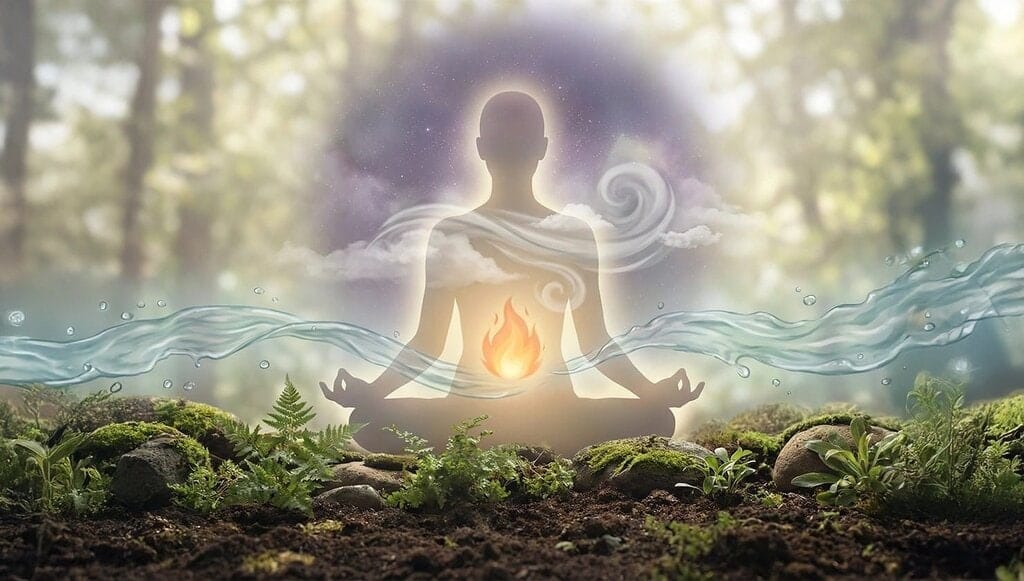
True wellness is not achieved through pills alone but through conscious living, self-discipline, and harmony with natural laws.
What is Naturopathy?
Naturopathy is a drugless, non-invasive system of medicine that focuses on enhancing the body's inherent ability to heal itself. It operates on the principle that disease arises when the body's natural balance is disturbed, and health is restored when this balance is re-established through natural means.
Core Principles
- Healing power of nature
- Treating the root cause, not just symptoms
- Holistic treatment of the individual
- Prevention given importance over cure
- Patient education and self-responsibility
Indian Naturopathy - Roots & Evolution
Indian Naturopathy draws from ancient yogic practices, Ayurvedic principles, and Mahatma Gandhi's philosophy of simple living. Post-independence, it gained recognition under the AYUSH system with dedicated colleges, hospitals, and research centres. The Ministry of AYUSH has further propelled growth through the National Naturopathy Mission.
Key Modalities
- Therapeutic Fasting: Viewed as a conscious, supervised rest for the digestive system. Different types practiced: water fasting, juice fasting, fruit fasting, mono-diet fasting. Helps eliminate toxins (Ama), improve digestive efficiency, and strengthen immune function.
- Yoga: Asanas improve flexibility/strength; Pranayama regulates nervous system; Dhyana calms the mind. Clinical evidence shows Yoga reduces HbA1c levels for diabetics.
- Diet Therapy: Plant-based, whole, unprocessed foods; avoidance of refined and artificial foods. Resonates with concept of 'Satvik Ahara'.
- Hydrotherapy: Uses water in different forms - hot, cold, steam, compresses - to stimulate circulation and detoxify.
- Mud Therapy, Sun Therapy, Massage, Acupressure: Natural therapies to restore energy flow and organ function.
Naturopathy in Modern India
Wellness centres, Yoga retreats, and Naturopathy hospitals are increasingly sought for chronic conditions. Programmes like Fit India and Ayushman Bharat are expanding access, with Naturopathy clinics now embedded in primary health centres nationwide.
Nutrition - Millets in the Right Context
Good health isn't about replacing x with y - it is about understanding the context and then, if needed, reintroducing it in our daily diets.
The Problem with Current Millet Trends
Millets have become a commercial trend - everything made with maida (biscuits, cakes, breads, noodles) is now being remade with millets to market as healthy. The author warns this is a profit-driven distortion, not true health promotion.
The Right Way to Eat Millets
- Eat millets seasonally - winter for bajra, summer for jowar, monsoon for ragi.
- Combine with right food partners: pulses, spices, fats (makhan/ghee) for proper nutrition absorption.
- Avoid millet noodles, millet pasta, millet chips - these lack the cultural context and digestive support.
- Learn to roll bhakri and eat it with sabzi - traditional preparation is the key.
Seasonal Millet Guide
- Winter: Bajra (khichadi, puri, laddoo), Raajgira/Amaranth (thalipeeth, laddoo), Kuttu/Buckwheat (puri, halwa)
- Summer: Jowar (bhakri, thalipeeth), Samoke chawal/Banyard millet (upma, khandvi), Kangni/Foxtail millet (khichadi, upma)
- Monsoon: Ragi (sattva, dosa, laddoo)
Key Principles
- Millets are NOT a complete replacement for rice and wheat.
- The 'baggage' (ghee, pulses, spices) that millets traditionally come with are agents that make the body assimilate their goodness.
- Eat in all forms - germination, fermentation for satva/kheer; soaking for khichdis and bhakris.
- Culture, climate, and cuisine cannot be separated - utilise all three for full benefit.
Bhartiya Wisdom - Yoga and Wellness

Yoga is a means and measure to achieve positive health and wellness - a timeless science of life rooted in Sage Patanjali's wisdom.
Yoga Beyond Exercise
Yoga is far more than physical exercise. It is a science of breath, movement, and self-discipline. It is not gymnastic skill or therapy - it is a special form of physical exercise through mind-regulation, an adjunct therapy to heal, and a way of living that fosters wellness.
Four Dimensions of Yoga
- Connectivity: Yoga is a science of breath and movement. It promotes harmony of body, mind, and soul.
- Enlightenment: Prana (vital force) is the source of all mental functions. Yogic practice conserves and strengthens this energy.
- Empowerment: Yoga shapes core values: knowledge, purity, love, peace, happiness, will power, and compassion.
- Wellness: Yoga harnesses energy and prevents its waste in tension, enabling wholistic wellness.
The 7 Dimensions of Holistic Wellbeing (7DHW)
- Physical wellness: Diet, activity, exercise, sleep, hydration
- Mental & Emotional wellness: Self-awareness, psychological resilience
- Intellectual wellness: Decision-making, learning, creativity
- Spiritual wellness: Meaning, purpose, connecting to something larger
- Occupational wellness: Through work
- Social wellness: Interaction, connection, community support
- Environmental wellness: Awareness of surroundings
Sage Patanjali's Ashtangyoga - 8 Limbs
- Yama (ethical restraints): Ahimsa, Satya, Asteya, Brahmacharya, Aparigraha - social wellness
- Niyama (personal observances): Saucha, Santosha, Tapas, Svadhyaya, Ishvara Pranidhana - mental wellness
- Yogasana (postures): Psychophysical dimension - physical wellness
- Pranayama (breath regulation): Intellectual & emotional dimensions
- Pratyahara (restraining the senses): Environmental & occupational
- Dharana (concentration): Intellectual & emotional
- Dhyana (meditation): Spiritual dimension
- Samadhi (illumination): Ultimate state of bliss and unity with the universe
Yogic Impact on Health
Yoga regulates heart rate, blood pressure, and breathing. It improves digestion, maintains normal blood sugar, reduces stress hormones, and induces relaxation. The future of wellness lies not in external cures but in the inner capacity to live with awareness, harmony, and joy.
Cradle Care - Next-Gen Nutrition Strategy for Child Wellness
India's nutrition challenge is no longer limited to undernutrition; a triple burden - stunting, wasting, and rising obesity - demands preventive responses across the life course.
India's Malnutrition Burden
- NFHS-5 (2019-21): 35.5% children under five are stunted; 19.3% wasted; 32.1% underweight; 7.7% severely wasted.
- 3% of children are already overweight - signalling early emergence of overnutrition alongside undernutrition.
- Around 20 million low-birth-weight babies born globally each year; India accounts for nearly 40%.
Strategic Shift: From Survival to Wellness
India has shifted from food-based schemes to a broader child wellness model integrating nutrition with health, care, and development. Malnutrition is not merely a consequence of inadequate food - it is a complex interplay of maternal health, infections, caregiving, sanitation, education, and social norms.
Key Government Frameworks
- RMNCAH+N Framework: Life-cycle approach from preconception through pregnancy and first 1,000 days. Launched after Call to Action Summit, February 2013.
- HBNC (Home-Based Newborn Care): Launched 2011; ASHAs conduct home visits for newborns up to 42 days.
- HBYC (Home-Based Care for Young Child): Launched 2018; extends support to children 3-15 months through 5 ASHA home visits.
- Kangaroo Mother Care: Reduces neonatal mortality by ~32% and mortality up to 6 months by 25%.
- POSHAN Tracker: Digital tracking with real-time monitoring, automated alerts, and longitudinal child tracking.
- Poshan Abhiyaan (PM Poshan Shakti Nirman): 10 crore+ beneficiaries: children 0-6 months (47.48 lakh+), children 6 months-6 years (8.33 crore+), adolescent girls (22 lakh+), pregnant women (57.2 lakh+), lactating mothers (51 lakh+).
Digital Enablement
Platforms like Reproductive and Child Health portal, Poshan Tracker, and decision support systems enable real-time monitoring of low-birth-weight babies and at-risk children. Digital dashboards with automated alerts and longitudinal child tracking enable early identification of risk.
Conclusion
Achieving child wellness at scale requires sustained political commitment, adequate financing, stronger frontline capacity, and deeper convergence across sectors. Optimal nutrition across the life course remains central to building a healthy, productive, and equitable nation.
Interview - A Life Guided by Nature and Value

From planting millions of trees to inspiring reconnection with nature - sustainable living and value-based leadership.
Early Influences
Peepal Baba's environmental work evolved naturally from the people and environment around him, not from a planned decision. His teacher Mrs Williams shaped his thinking by going beyond textbooks - using National Geographic, stories, and real-life examples to teach about animals, birds, geography, and cultures worldwide.
Cantonments as Models for Sustainable Urban Planning
Growing up in army cantonments - which have open spaces, greenery, cycling paths, and clean air - shaped his understanding that development need not crowd people into small spaces. Cantonments show that a healthy ecosystem creates healthier human beings.
Lessons from International Best Practices
- Singapore: Decided early to become a garden city - greenery placed at the centre of planning. Even with limited land and a dense population, open spaces were ensured.
- Dubai: Built modern infrastructure and green areas in a desert - natural limitations need not become excuses.
- Australia: Reflects the importance of respecting nature while developing - large green belts and conservation areas treated as essential, not optional.
What connects all these examples: clarity of vision, discipline in execution, and long-term thinking. If India places environment and human well-being at the centre of planning, cities can become far healthier.
Practical Steps for Citizens
- Surround yourself with plants - even a few can change the atmosphere of a place and calm the mind.
- Grow a little of your own food - it changes your relationship with what you eat.
- Reduce stress by choosing carefully what you watch, read, and listen to.
- Use public transport, avoid plastic, choose steel/glass over single-use materials.
Spirituality and Environment
For Peepal Baba, spirituality means awareness - of oneself, of others, and of nature. Living close to nature makes one calmer and more responsible. Young people who reconnect with nature rediscover balance and live healthier, more meaningful lives.
Message to Readers
Never underestimate individual power. Transformation begins with small, consistent actions in everyday life - planting a tree, saving water, reducing waste, choosing to live responsibly. Passing on values to the next generation - respect for nature, honest work, care for others - shapes a stronger future.
Smart Solutions - Leveraging Grassroots Innovations for Public Health
India's traditional knowledge systems, enriched by grassroots creativity, have long emphasised plant-based remedies for holistic wellness - making medicinal plants a key part of primary healthcare in rural India.
Scale of Traditional Knowledge
- WHO reports ~65% of India's rural population uses Ayurveda and herbal remedies for primary care.
- Globally, 65-80% of healthcare practice involves traditional medicines in some form.
- ~17% of Indian plant species have pharmacological properties.
WIPO Treaty (May 2024) - A Milestone
WIPO's Treaty on 'Intellectual Property, Genetic Resources, and Traditional Knowledge' introduced mandatory disclosure norms for patent applications involving genetic materials. All 193 WIPO member countries are now accountable - a major step against biopiracy.
Key Medicinal Plants
- Tinospora cordifolia (Giloy): Fever, asthma, diabetes, jaundice, intestinal worms, migraine, piles
- Moringa oleifera (Sahijan/Drumstick): Asthma, diabetes, joint pain, sprains, snakebite
- Ocimum sanctum (Tulsi): Respiratory and circulatory health
- Adhatoda vasica (Adusa/Vasa): Cough and asthma
- Andrographis paniculata (Kalmegh): Fever and digestive issues
- Catharanthus roseus (Sadabahaar): Originally documented to lower blood sugar; later yielded anti-cancer alkaloids vinblastine and vincristine
National Innovation Foundation (NIF) - Role
- Filed 279 patents for human health-related grassroots innovations; 131 patents granted.
- Patents cover: tuberculosis, osteoporosis, kidney malfunctions, fatty liver, neurological disorders, epilepsy.
- 48 medicinal plants from grassroots knowledge included in Indian Pharmacopoeia.
Challenges
- Intergenerational knowledge erosion - younger generations migrate to cities and prefer modern medicine.
- Loss of biodiversity and habitat destruction endangering medicinal plant species.
- Climate shifts: of 367 plants studied, 106 have lost habitat area and 33 face extinction.
National Initiatives
- National One Health Mission: Launched 2022; integrates health, animal husbandry, environment, agriculture, and disaster management sectors.
- TKDL (Traditional Knowledge Digital Library): Documented 5,15,788 formulations from Indian Systems of Medicine and Yoga; translated into five international languages - preventing biopiracy by making knowledge visible to patent examiners worldwide.
- NMPB (National Medicinal Plants Board): Coordinates policies for medicinal plant conservation, cultivation, trade, and export; supports school herbal gardens.
- Ayushman Arogya Mandirs: Over 1,81,873 operational; integrate yoga, dietary counselling, herbal medicines, and medicinal plant cultivation awareness.
Digital Wellbeing - Mental Health in the Digital Age

Sarve bhavantu sukhinah...sarve santu niraamayah - May all be happy and may all be free from illness.
The Challenge of Modern Digital Life
The modern world offers almost unlimited access to information, but poor attention spans, absence of filtration, and the need for immediate gratification make it almost impossible for present-day youngsters to keep pace with happenings around them. Constant comparisons at personal and professional levels add to the chaos of their internal world.
The 7 C's of Positive Mental Health
- Competence: Feeling capable in one's abilities and actions
- Confidence: Believing in oneself and having a positive self-image
- Connection: Building meaningful relationships
- Coping: Developing healthy ways to manage stress
- Compassion: Practicing kindness towards self and others
- Community: Feeling part of a larger supportive group
- Care/Calmness: Prioritising self-care and finding inner peace
Impact of Social Media - Both Sides
- Negative impacts: Increased anxiety, depression, cyber bullying, social comparison, loneliness, poor sleep, emotional dysregulation
- Positive impacts: Awareness, education, enhanced social connections, access to support communities
- Vulnerable groups face higher risks for addiction and mental illness due to excessive device use.
7 Ways to Make Social Media Work Positively
- Connect purposefully with others - text a family member, leave positive comments
- Join supportive online groups (health issues, hobbies, challenges)
- Set screen time limits and use built-in timers
- Turn off push notifications
- Move social media apps off home screen
- Set 'no phone zones' (bedroom after a certain time, dinner table)
- Connect with people in real life - it reduces stress and builds genuine bonds
Strategies & Recommendations
- Parental/Adult Role: Set device limits, lead by example, foster open communication, model healthy tech habits
- School/Community Role: Increase mental health professionals, develop anti-bullying policies, implement digital wellness programmes
- Youth Empowerment: Encourage self-awareness, teach emotional regulation, promote responsible online behaviour
Tech-Health - Digital Tools that Simplify Wellness
Over 1 billion phones in India - free government apps are making villages healthier and cities stronger.
Overview
India's government has placed doctors, trainers, and nutrition experts into everyone's pocket through free smartphone apps. By early 2026, hundreds of millions of people use these tools every single day, spanning diabetes management, child nutrition tracking, telemedicine, and traditional medicine guidance.
Key Government Apps
- 1. Fit India App: Released by Ministry of Sports and Youth Affairs. Over 50 million downloads by 2026. Tracks daily steps, rewards physical activity. Features Surya Namaskar videos, Bollywood dance routines, Olympic athlete demonstrations - all free, in 5-15 minute formats.
- 2. Ayushman Bharat Digital Mission (ABDM): Creates a 14-digit ABHA (Ayushman Bharat Health Account) number - a unique health ID linking all health records. Over 35 crore people (more than a third of India) will have this magic ID by 2026. Connects to eSanjeevani, pharmacy apps, insurance companies, and labs.
- 3. eSanjeevani: Free telemedicine app for video doctor consultations. Over 28 crore consultations by 2026 - meaning 20 crore times people didn't have to travel for doctor visits. Works for fever, skin rash, stomach ache, cough, mental stress.
- 4. POSHAN Tracker: App for mothers and Anganwadi workers tracking children 0-6 years. Over 1 crore users. Tracks food intake, calculates nutrition adequacy, sends reminders for iron doses, vitamin drops, deworming tablets.
- 5. AYUSH Sanjivani: Combines grandmother's remedies with science. Over 2 crore downloads by early 2026. Asks questions about body type (Vata, Pitta, Kapha/dosha) and suggests personalised food, exercise, and routines. Has 1.5 lakh AYUSH wellness centre locator.
- 6. National Health Portal (NHP) & NCD Tools: Massive online health library by Health Ministry. When you type a disease name, it explains what it is, causes, symptoms, treatment, prevention - in many Indian languages. Written by actual doctors from AIIMS and top hospitals.
- 7. MyGov Challenges (www.mygov.in): Wellness challenges every month: 30-Day No Sugar Challenge, Yoga Streak Challenge, 10,000 Steps Daily Challenge, Millet Recipe Contest, Family Fitness Challenge. Over 50 lakh people have joined wellness challenges.
Athletic Resilience - Winning the Inner Game for Peak Performance

Behind every moment of sporting brilliance lies a complex psychological process that is just as trained, rehearsed, and fragile as physical skill.
The Unacknowledged Mental Game
When athletes hit a six, shoot a bullseye, or pin an opponent in final seconds, we celebrate the physical dominance. What we do not acknowledge is the mental awareness, extreme focus, and psychological composure required. The mental aspect of the game often goes unnoticed and unrecognised.
Mental Toughness - Learnable, Not Innate
In sports psychology literature, mental toughness is the ability to maintain optimal performance and psychological stability under pressure, utilising skills like focus, confidence, and emotional regulation. These skills are NOT inborn - they can be acquired and developed through consistent practice and psychological skill training.
The Systemic Gap
Mental well-being in sport is not the responsibility of the athlete alone. Coaches, organisations, and family systems must understand the importance of a healthy environment. A culture that glorifies overtraining, discourages rest, and equates worth with results creates inevitable mental distress. Conversely, environments prioritising holistic development foster both performance and longevity.
What Mental Training Involves
- Attentional control - maintaining focus during high pressure
- Emotional regulation - managing anxiety and self-doubt
- Acceptance - dealing with errors without catastrophising
- Self-talk - replacing negative internal dialogue with constructive thoughts
- Imagery - mental rehearsal of performance scenarios
- Pressure management - developing skills to perform effectively when it matters most
Key Insight
Mental well-being and performance are not separate conversations in sport. An athlete who feels psychologically supported is better able to focus, recover from mistakes, regulate emotions under pressure, and sustain motivation across long demanding seasons. Perhaps the real measure of sporting excellence is not just the six, the bullseye, or the pin, but the mind that learns to breathe and stay present when everything is on the line.
Environment and Support Systems Matter
- Encouraging rest and normalising emotional expression
- Supporting sport-life balance and valuing athletes beyond results
- Having spaces, relationships, and routines that exist outside the field of play
- Providing access to evidence-based psychological support - not just motivational talks
Music - Bappi Lahiri: A Different Maestro
'The cast of my films did not matter! My job was to make good songs.' - Bappi-da was always different - in every possible way.
Early Life & Musical Roots
Alokesh Aparesh Lahiri (Bappi was his pet name) was born on 27 November 1952 in Jalpaiguri. He was the only child of Bengali classical singers Aparesh and Bansari Lahiri. A prodigy, he began playing tabla at age three. His father put him under Pandit Samta Prasad for tabla training at age five. Lata Mangeshkar blessed him as a child. His first recorded song at age 14 was Hazar Bachchor-pore - now a cult classic in Bangladesh.
Hindi Film Breakthrough
- First notable Hindi release: Nanha Shikari (1973)
- First breakthrough: Zakhmee (1975)
- With Suraksha (1979): Carved a distinct identity; established the disco song in Hindi cinema
- The 'Mithun-Bappi wave' with Disco Dancer (1982): A massive cult hit in Russia and China; won China Gold award for Best Music
Record-Breaking Achievements
- Entered the Guinness Book of World Records for recording over 180 songs for 33 films in 1985
- Won over 30 Gold and Platinum Discs for record and cassette sales
- His album with Yoga ace Bikram Choudhury was the first-ever Indian album launched by American senator Edward Kennedy
- World Peace, Love & Harmony (2012) was among the top five albums considered for a Grammy nomination
International Reach & Versatility
- Collaborated with international artists: Samantha Fox, Apache Indian, Boy George
- Dubbed for animation character Tamatoa in Moana (2016) and for Elton John in Kingsman: The Golden Circle (2017)
- Asli Baap Mix album recorded in Hollywood
- Known as the 'Million-Selling Medallion Man'
Later Career & Legacy
- From 2006, sang under other composers including Vishal-Shekhar (Bombai Nagariya) and A R Rahman (Guru)
- His son Bappa Lahiri is also a singer, composer, and record producer today
- The only film composer to actually join a political party: BJP, in 2014
Bappi Lahiri attained immortality on February 15 - four years have now elapsed. His legacy of 450 films across Hindi, Bengali, Telugu, Marathi, Gujarati, Tamil, Kannada, and English remains a testament to his extraordinary versatility and innovation.
Conclusion
The February 2026 edition of Yojana presents a comprehensive and multi-dimensional exploration of wellness as India's new priority. The issue successfully bridges ancient wisdom with modern science - from Ayush and Naturopathy to digital health tools and sports psychology. Key recurring themes across all articles include:
- Integration of traditional Indian knowledge systems (Ayurveda, Yoga, Naturopathy, millets) with modern evidence-based approaches
- The critical role of preventive healthcare over reactive cure
- Digital India's role in democratising wellness access - especially for rural and underserved populations
- The environment's inseparable link to individual health - clean air, green spaces, and natural living
- Child nutrition as the foundation of a nation's long-term productivity and health
- Mental health - both in daily digital life and in elite sport - as equally important as physical health
- Grassroots innovations and traditional knowledge as untapped public health assets
FAQs on Yojana Summary: February 2026
| 1. What is the significance of mainstreaming Ayush in the holistic health ecosystem? |  |
| 2. How does naturopathy contribute to holistic wellness? | |
| 3. Why are millets considered important in nutrition strategies? | |
| 4. What role does yoga play in promoting wellness according to Bhartiya wisdom? | |
| 5. How can digital tools improve mental health in the digital age? | |




