Chapter Notes: Patterns in Life: Diversity and Classification


Introduction
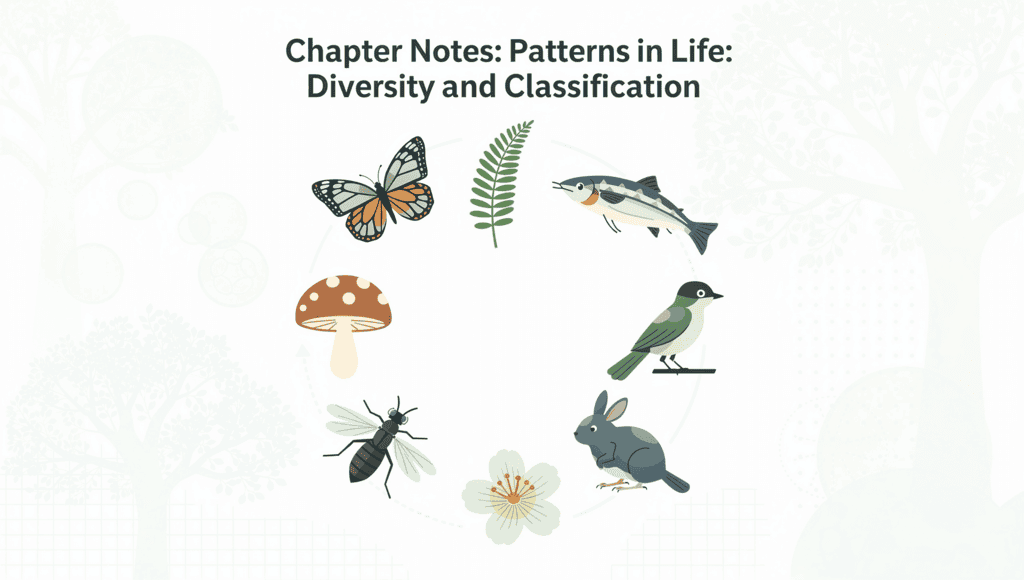
Look around at any natural setting - a spider, a mango tree, bacteria in the soil, an eagle in the sky. All are alive, yet they look and behave nothing alike. This staggering range of life on Earth is what scientists call biodiversity.
Every living thing plays a part in keeping nature working. Ocean algae quietly generate much of the air's oxygen. Bacteria and fungi rot dead leaves and return their nutrients to the soil. Bees carry pollen between flowers. Remove any of these players and ecosystems begin to break down.
People depend on this variety too - for food, medicine, clothing, and shelter. Farmers discovered long ago that growing many crop varieties is safer than growing just one. If disease strikes, some varieties survive. Diversity is a natural safety net.
With so many organisms around us, we need a way to make sense of them all. Scientists do this by grouping organisms based on shared traits - body structure, how they get nutrition, cell type, and genetic similarity. This organised system of grouping is called classification.
1. India as a Biodiversity Hotspot
India packs an extraordinary range of landscapes into one country - Himalayan peaks, northeastern rainforests, the Thar desert, southern plateaus, and two long coastlines. Each setting has its own climate, soil, and set of species. This variety of habitats produces a remarkable variety of life.
India has many endemic species. The Nilgiri tahr, the lion-tailed macaque, the Indian pitcher plant Nepenthes khasiana, and Neelakurinji are all found only here.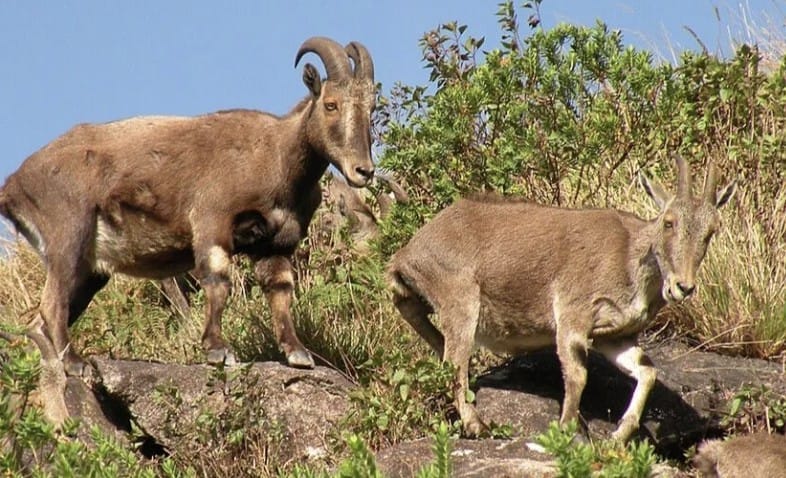 Nilgiri tahr
Four global biodiversity hotspots overlap with India: the Western Ghats, Indo-Burma (including northeast India), the Himalayas, and Sundaland (including the Nicobar Islands). Protecting these areas matters enormously - species lost here cannot be found anywhere else.
2. How Has Biodiversity Evolved?
Life on Earth has not always looked like it does today. Small differences between individuals gave some a survival advantage. Those individuals reproduced more, passing their traits on. Over many generations, these accumulated changes produced entirely new kinds of organisms. This is why ancient fossils tend to show simpler life, while more recent ones are more complex.
Classification gives us the framework to study this history and see how today's organisms connect to one another.
India's scientific heritage: Long before modern ecology had a name, Indian traditions demonstrated sophisticated understanding of nature. The ancient Sangam Tinai system classified landscapes by their ecology. Sacred groves were protected by communities, effectively preserving local biodiversity for generations. Ancient texts like the Rigveda and Brihat Samhita sorted animals by habitat and behaviour - ideas that echo modern ecological thinking.
3. How to Classify Organisms?
Scientists begin with broad, visible features and then look deeper. The criteria they use include:
- External features - overall body shape, size, and structure.
- Mode of nutrition - does it make its own food (autotrophic) or obtain it from other organisms (heterotrophic)?
- Internal structures - what tissues and organs are present? Is there a skeleton?
- Cell structure - one cell or many? True nucleus (eukaryote) or not (prokaryote)? Cell wall present or absent?
- Ecological role - producer, consumer, or decomposer?
- Reproduction - sexual, asexual, or both?
- Genetic similarity - how similar is its DNA to other organisms?
When two organisms share many features, it usually indicates a shared ancestor. The same organism can land in different groups depending on which criterion you use - so scientists always consider several criteria together.
4. The Need for Classification
A library with books scattered randomly across the floor is useless. Earth has millions of species, and without a system to organise them, studying any one becomes far harder than it needs to be. Biological classification is that organising system.
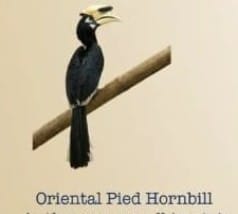
Example: The rich biodiversity of Pakke Tiger Reserve, which supports many bird species, including four types of hornbills, Rufous-necked Hornbill, Oriental Pied Hornbill, Great Hornbill, and Wreathed Hornbill.. Although these hornbills look similar, they differ in habitat and food preferences. Scientists study such patterns to understand how species are distributed and related. To manage and study this vast diversity, organisms are grouped based on similarities and differences. This process is called biological classification, which helps in organising, identifying, and understanding relationships among living organisms.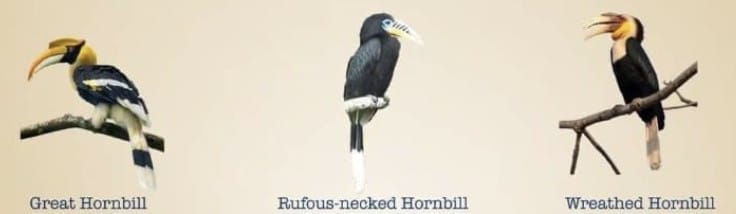
It helps us by:
- It makes the study of living organisms more organised and systematic.
- It helps us understand the similarities and differences among living beings.
- It helps us understand how different organisms are related to one another and how they interact.
- It helps us in identifying and naming the newly discovered organisms.
- It supports biodiversity conservation by identifying the organisms that are under the threat of extinction.
- It allows scientists all over the world to discuss about organisms using a common system.
5. Biological Classification Systems Over Time
Classification has been revised repeatedly as knowledge, tools, and techniques improved.
Aristotle (4th century BCE) - Artificial System
Aristotle sorted animals by where they lived - land, water, or air - and by appearance. It was a reasonable start for its time, but habitat alone is a poor guide: very different animals can share the same environment.
Two Kingdom System - Carolus Linnaeus (1758)
Linnaeus divided all life into Plantae (organisms that stay put and make their own food) and Animalia (organisms that move and eat other things). But Amoeba moves yet is unicellular, while plants and animals are multicellular. Bacteria didn't fit either kingdom cleanly. The system broke down.
Three Kingdom System - Ernst Haeckel (1866)
A third kingdom, Protista, was carved out for unicellular microscopic organisms. This helped, but bacteria were still lumped with other unicellular life despite being fundamentally different.
Four Kingdom System - Herbert F. Copeland (1938)
Improved microscopes revealed that Amoeba has a true nucleus enclosed in a membrane - bacteria do not. This difference is so fundamental that bacteria were moved to their own kingdom, Monera, giving four kingdoms: Plantae, Animalia, Protista, Monera.
Five Kingdom System - Robert H. Whittaker (1969)
Fungi look superficially plant-like, but they cannot photosynthesise - they dissolve and absorb dead organic matter. Placing them with plants was misleading. Whittaker gave them their own kingdom, resulting in the five we use today: Monera, Protista, Fungi, Plantae, Animalia.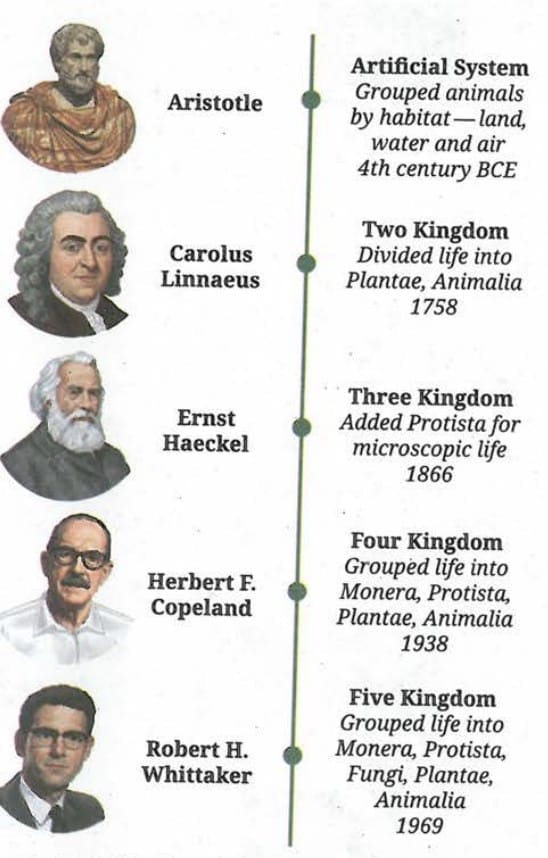
The four criteria underlying this system: cell type (prokaryote or eukaryote), cell structure (cell wall present or absent), level of organisation (unicellular or multicellular), and mode of nutrition (autotrophic or heterotrophic).
6. Five Kingdom Classification
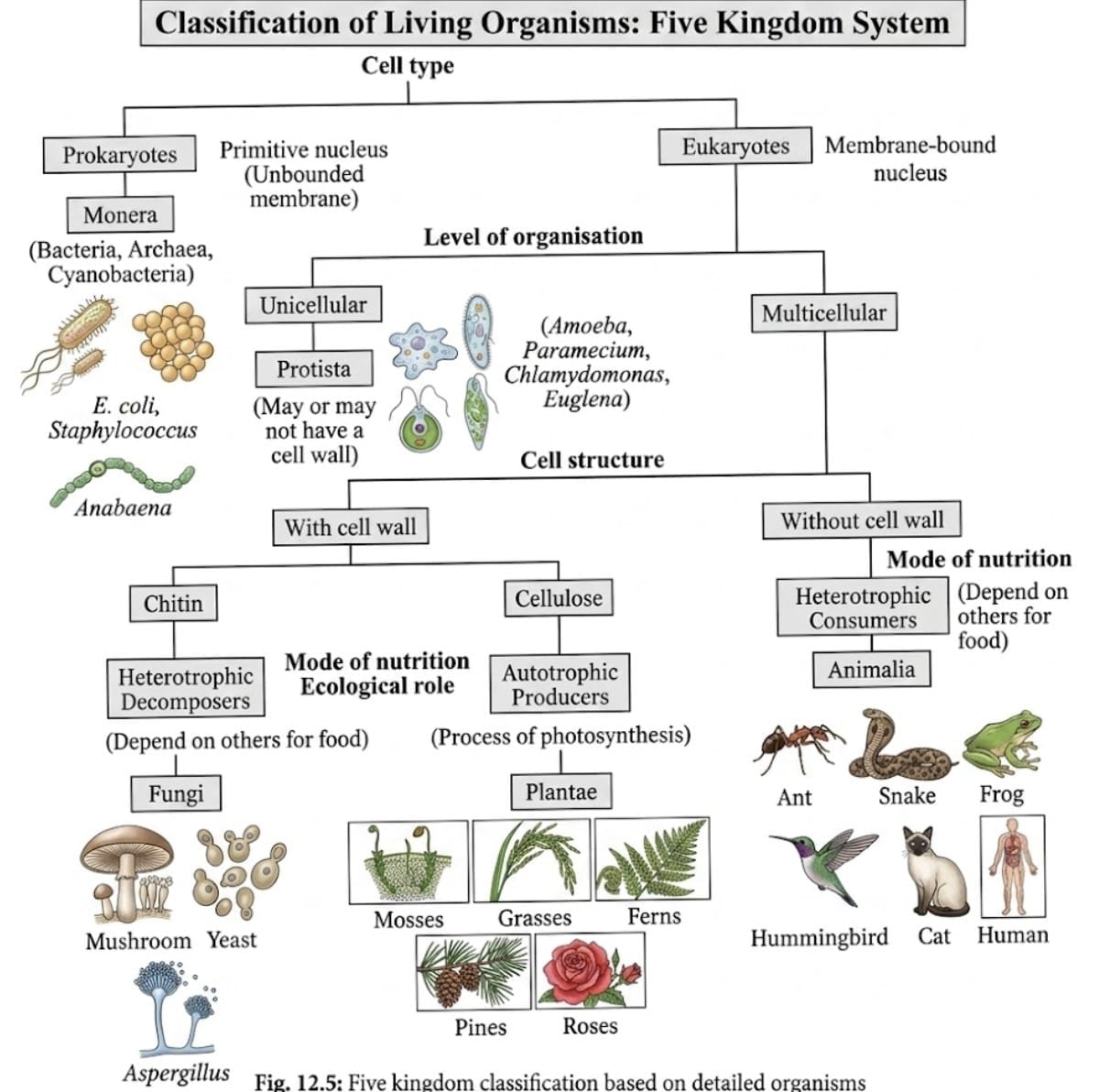
6.1 Kingdom Monera - Unicellular Prokaryotes
All bacteria and cyanobacteria belong here. The defining feature is that their genetic material floats freely inside the cell - there is no membrane-enclosed nucleus.
Bacteria are probably the most widespread life form on Earth. They colonise deep-sea hydrothermal vents, hot springs, frozen tundra, and the human gut. Many are helpful: Lactobacillus ferments milk into curd; Rhizobium lives in legume roots and pulls nitrogen from the air into the soil. Bacteria also break down oil spills, pesticides, and sewage. Some are disease-causing pathogens.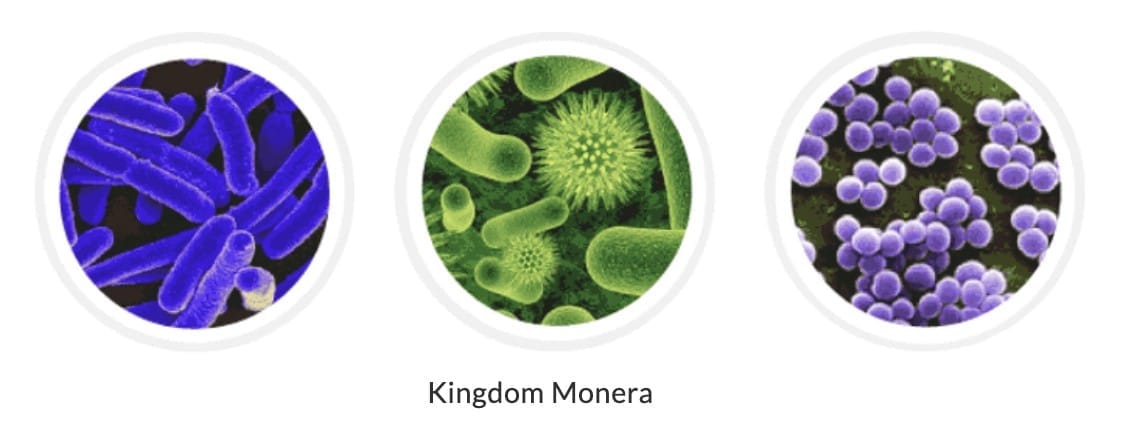
Cyanobacteria (blue green algae) are photosynthetic prokaryotes. Around 2.5 billion years ago they began releasing oxygen into the atmosphere, gradually converting Earth from an oxygen-poor world into one where complex life could thrive. Ancient fossilised cyanobacteria are preserved in layered rock formations called stromatolites, found in Rajasthan and Madhya Pradesh - among the oldest direct evidence of life on Earth.
Ram Bux Singh - Father of Modern Biogas: Ram Bux Singh was a pioneering Indian scientist who transformed how rural India handles organic waste. In 1957, he established the country's first scientifically designed biogas plant at Ramnagar, Sitapur in Uttar Pradesh. He went on to develop affordable biogas systems for villages and consulted governments internationally. His work laid the foundation for using cattle dung and organic waste to generate clean cooking fuel - a contribution that continues to benefit millions.
6.2 Kingdom Protista - Unicellular Eukaryotes
Unlike Monera, protists have a true membrane-bound nucleus - they are eukaryotes. They are single-celled, microscopic, and enormously varied. Some have no cell wall; others have one made of cellulose. Most live in water or damp places.
Examples: Amoeba, Paramecium, Chlamydomonas, Euglena.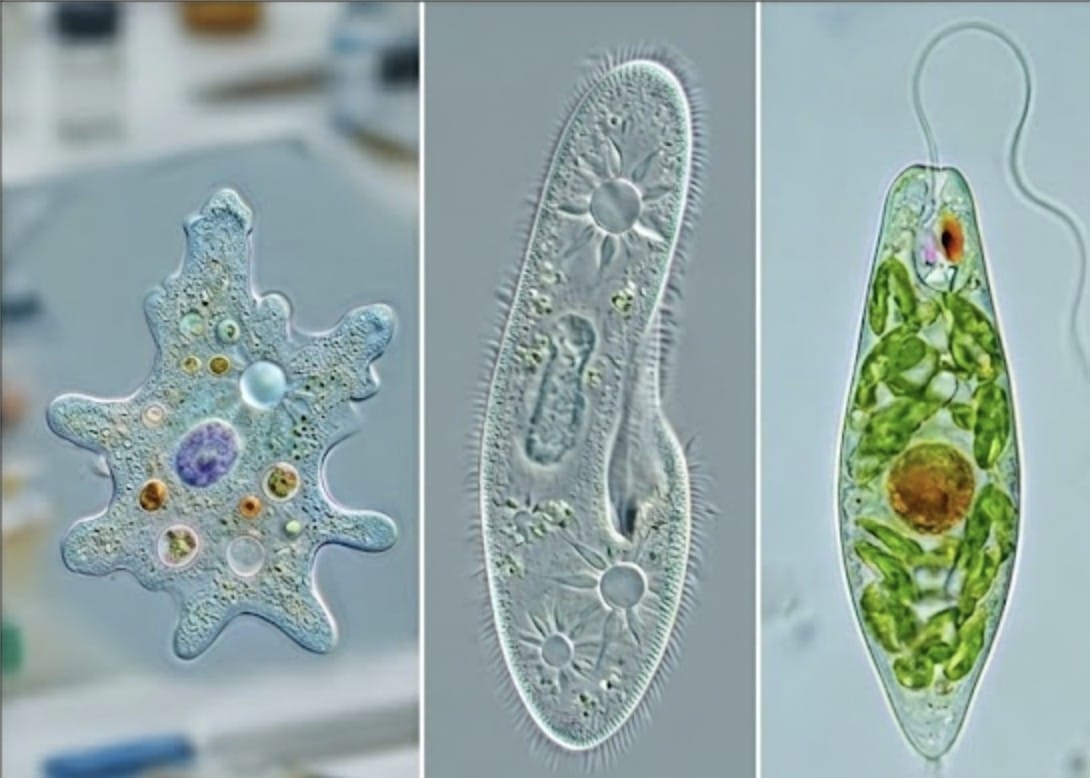
Some protists photosynthesise; others engulf food. In aquatic ecosystems they are indispensable - they form a critical link in food chains, generate oxygen, and serve as food for small animals. Some also function as decomposers.
6.3 Kingdom Fungi - Multicellular, Heterotrophic Eukaryotes with a Cell Wall
Fungi are eukaryotes and mostly multicellular. Their cell walls contain chitin - the same tough material in insect shells - which clearly distinguishes them from plants. They cannot photosynthesise. Instead, they secrete enzymes into their surroundings to digest organic matter externally, then absorb the nutrients through a network of fine threads called mycelium.
Most fungi are saprophytes - they feed on dead material such as fallen leaves, rotting wood, and dead animals. This makes them nature's recyclers. Without them, dead organic matter would pile up and the nutrients locked inside it would never return to the soil. Some fungi form mutualistic partnerships with other organisms; others cause diseases. They reproduce via spores and grow best in warm, moist conditions.
Examples: yeast (unicellular - placed here because of chitin walls), bread mould, mushrooms, Aspergillus, Penicillium (source of the antibiotic penicillin).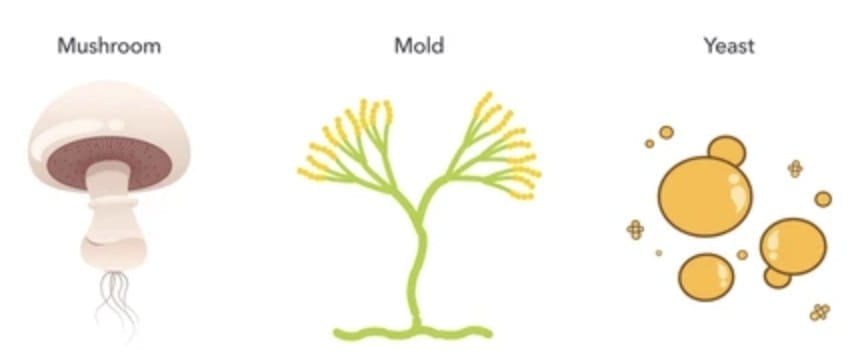
Edible mushrooms and traditional knowledge: Wild mushrooms have significant nutritional and medicinal value. Tribal communities across India have for generations used folk knowledge to reliably distinguish edible from poisonous species. Today mushroom cultivation is emerging as a practical rural livelihood - it requires minimal land and capital, and a single crop can be harvested within 30 to 45 days.
6.4 Kingdom Plantae - Multicellular, Autotrophic Eukaryotes with a Cell Wall
Plants capture sunlight and convert it into food through photosynthesis - making them the primary producers that anchor nearly every food chain on Earth. Their cells are eukaryotic and encased in walls made mainly of cellulose. Kingdom Plantae is split into five groups that also trace how plants gradually adapted to survive on land.
1. Thallophyta (Algae) - Primitive Plants
Thallophytes (thallos means undifferentiated body and phyton means plant). The simplest plants. Their body is an undifferentiated mass called a thallus - with no separation into root, stem, or leaf. Every part absorbs directly from the surroundings. They mostly live in water or persistently wet places. Example: Spirogyra.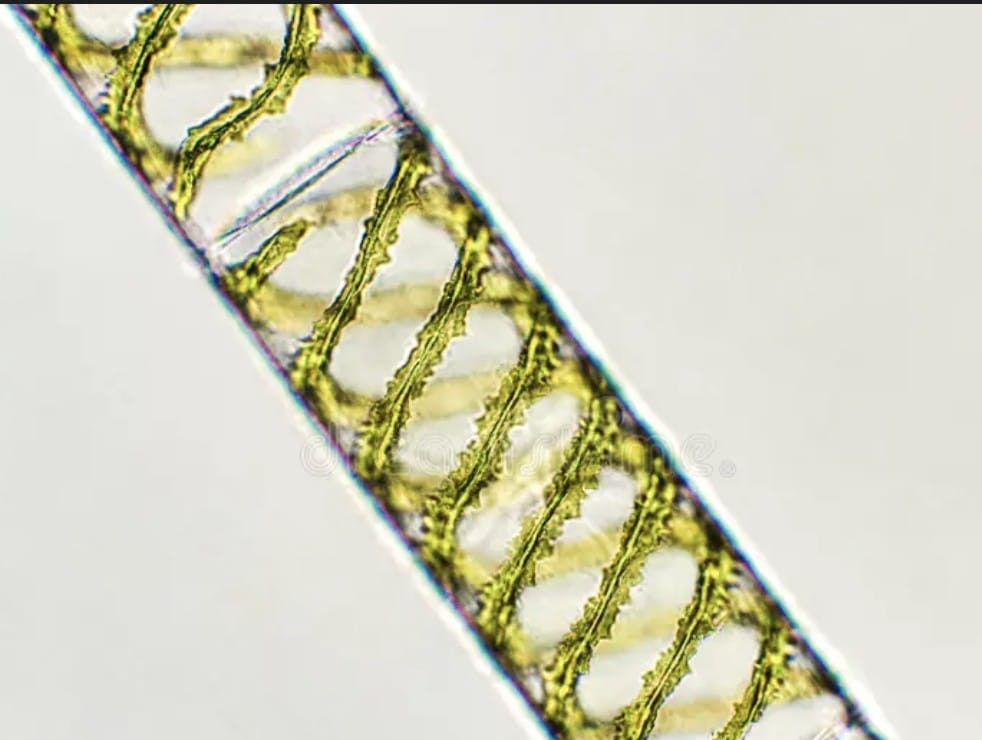
Lichens - those whitish-green patches on tree bark and damp walls - are a partnership between an alga and a fungus. The alga photosynthesises and feeds both; the fungus provides a protective structure that retains moisture. Lichens are extremely sensitive to air pollution and change colour as pollution levels rise, making them reliable natural air-quality indicators. Some lichens, known as patthar ke phool, are used as a spice or in traditional medicine and dyes.
2. Bryophyta - first steps on land, still need water
Bryophytes (bryon means moss and phyton means plant) .Mosses and liverworts made the critical leap from water to land - but they never fully severed their connection to moisture. Their male reproductive cells must swim through water to reach the eggs, so they always need a wet environment to reproduce. They have simple root-like anchoring structures called rhizoids but no true roots, stems, or leaves. This half-on-land, half-dependent-on-water existence earned them the nickname "amphibians of the plant kingdom".
Examples: Marchantia, common moss.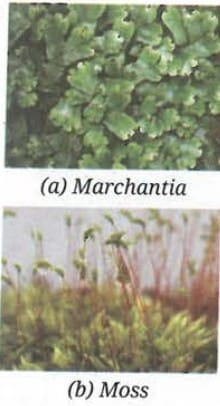
3. Pteridophyta - Adaptation to land and having structural transport system
Pteridophytes (pteris derived from pteron means feather andphyton means plant). Ferns and their relatives have true roots, stems, and leaves. More importantly, they have vascular tissue - internal channels called xylem (carries water upward) and phloem (carries food made during photosynthesis) running throughout the plant. This internal plumbing system freed plants from needing every cell to touch the soil, allowing them to grow much taller. However, water is still needed for reproduction, and they produce no seeds.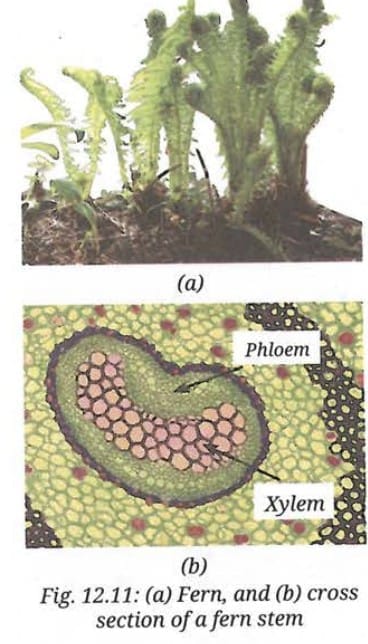
4. Gymnosperms -Reproduction without water
The name means "naked seed" (gymnos = naked, spermos = seed). Pines, cycads, and their relatives produce seeds that house and nourish a developing embryo - eliminating the need for water during fertilisation altogether. Their narrow needle-like or scale-like leaves minimise water loss, helping them survive cold and arid conditions. The seeds sit exposed on cones, not enclosed within a fruit.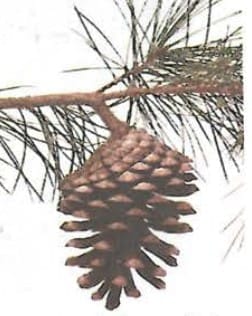
5. Angiosperms -Efficient reproduction and seed dispersal
Angiosperms (angeion means vessel and spermos means seeds). The most complex and species-rich plant group. Flowers evolved to attract pollinators, making reproduction far more efficient. Fruits evolved to protect and disperse seeds across wide areas. These two innovations together allowed angiosperms to move into almost every habitat on Earth - from rainforests to deserts - making them the dominant plant group today.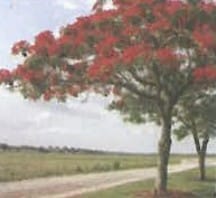
Hortus Malabaricus: In the 17th century, a remarkable collaboration produced one of the earliest scientific records of Indian plant life. Hendrik van Rheede compiled this encyclopaedic work with the essential help of Itty Achudan - an Indian herbalist, botanist, and physician - and many other local knowledge holders. It described hundreds of plant species along with their medicinal uses, showing how indigenous knowledge and formal science can powerfully reinforce each other.
Across all five groups, a pattern emerges: from algae to angiosperms, plants progressively reduced their dependence on standing water - first by developing vascular tissue, then seeds, then flowers and fruits. Each innovation opened up environments that earlier plants could not colonise.
6.5 Kingdom Animalia - Multicellular, Heterotrophic Eukaryotes
Animals are multicellular eukaryotes that cannot produce their own food - they must eat other organisms. Most can move, react rapidly to the world around them, and coordinate complex behaviour, all of which helps them find food, avoid being eaten, and reproduce.
The fundamental split in the animal kingdom rests on one structure: the notochord - a flexible, rod-shaped internal support that runs along the body.
- Non-chordata (Invertebrates) -Invertebrates do not have a notochord but show a wide range of body organisation, from simple to complex forms. Studying them helps us understand how animal bodies evolved with better movement, feeding habits, and coordination.
- Chordata - possess a notochord at some stage of life. Further divided into Protochordata and Vertebrata. In most vertebrates, the notochord is replaced during development by the vertebral column.
Porifera (pore-bearers) - Multicellularity without tissues
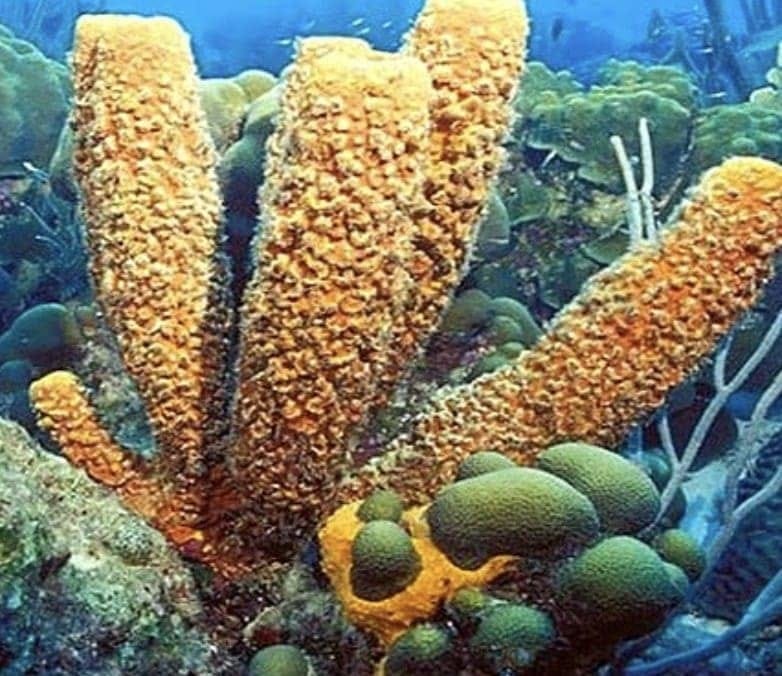
Sponges are the simplest animals - multicellular, but without any true tissues or organs. They are just a loose assembly of specialised cells. Water is drawn in through countless tiny pores, delivering food and oxygen directly to individual cells and flushing out waste. Sponges never move from where they settle. They live only in water.
- Habitat: marine | Organisation: cellular | Skeleton: none
Cnidaria -True tissues and active feeding
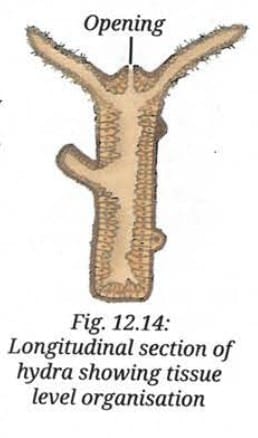
Jellyfish, corals, and Hydra represent a major advance - they have true tissues, meaning groups of cells specialised for specific jobs. Tentacles armed with stinging cells allow them to actively catch prey rather than just filtering particles from passing water. However, their body still has a single opening that doubles as both mouth and exit for waste.
- Habitat: fresh and marine water | Organisation: tissue | Skeleton: none
Platyhelminthes (flatworms) -Bilateral symmetry and directional movement
Flatworms introduced bilateral symmetry - a body that can be divided into two matching halves, with a clear front-and-back, and a head end where sense organs concentrate. This body plan made directed, coordinated movement possible for the first time. Their flat shape allows gases to diffuse in and out without dedicated respiratory organs. Many are parasites and use suckers or hooks to cling to host tissue.
- Habitat: water or inside a host | Organisation: organ | Skeleton: none
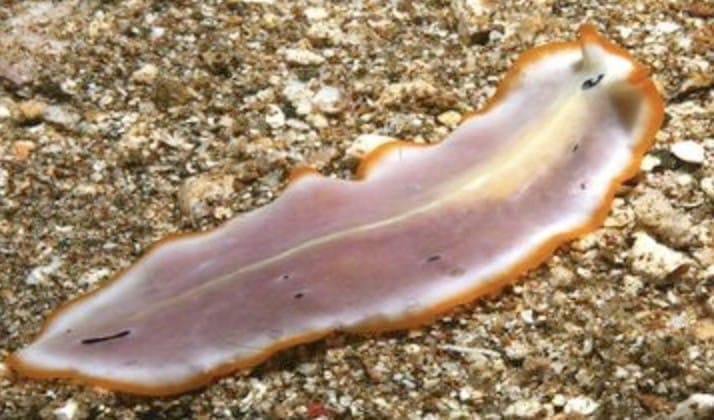
Preventing parasitic worm infections: Several diseases are caused by parasitic worms that enter the body through contaminated food or water and live in the digestive tract, extracting nutrients from the host. Washing hands thoroughly, eating fully cooked food, and drinking clean or boiled water are the simplest and most effective defences.
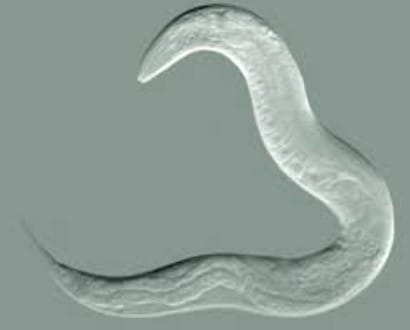
Nematoda (roundworms) - Efficient body design with two openings
Roundworms have long, tapering, cylindrical bodies well-suited for moving through soil, water, or host tissue. The critical advancement here is two separate body openings - a mouth and an anus. Food moves through in one direction only, allowing a more efficient and specialised digestive process than having a single opening that serves both purposes. Male and female worms are structurally distinct.
- Habitat: soil, water, or inside a host | Organisation: organ system | Skeleton: none
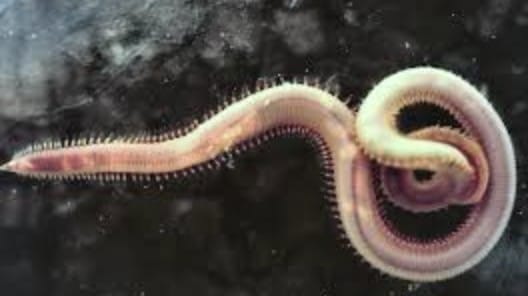
Annelida (segmented worms)-segmentation and body cavities
Earthworms and leeches have bodies divided into repeating segments. Each segment can contract somewhat independently, giving the animal far more precise control over movement than an unsegmented body allows. Muscles in each segment drive locomotion; a nerve cord coordinates the whole body. A true internal body cavity gives organs space to develop properly.
- Habitat: moist soil or water | Organisation: organ system | Skeleton: none
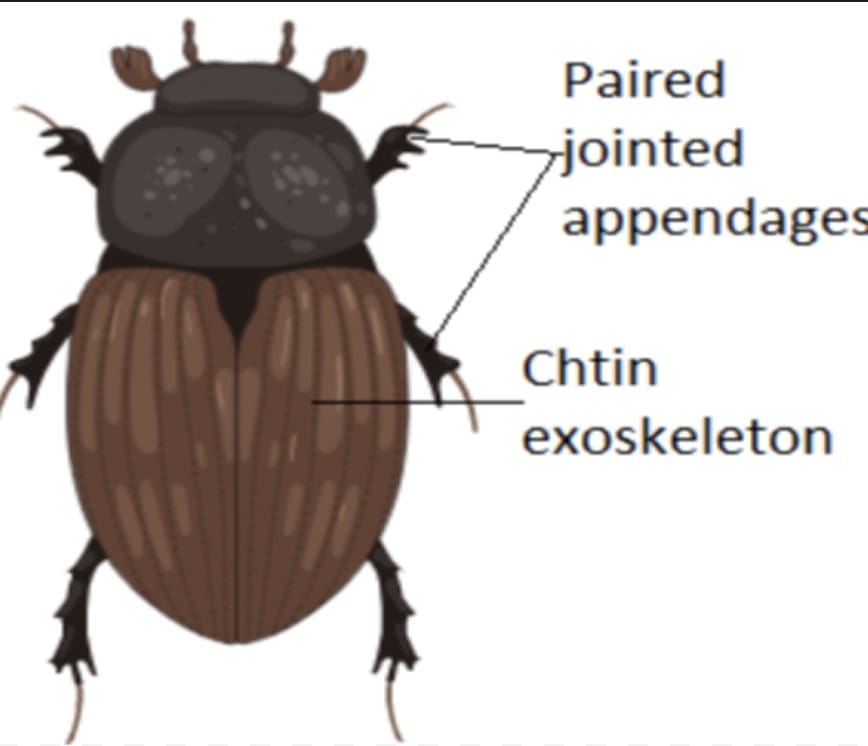
Arthropoda-Jointed appendages and an external skeleton
Arthropods (arthro means limbs and poda means appendages). The largest animal group on Earth by number of species - insects, spiders, crabs, and centipedes all belong here. Their signature feature is a hard exoskeleton made of chitin. This external armour protects the body, dramatically reduces water loss, and anchors powerful muscles - letting arthropods thrive in dry, exposed conditions that would quickly kill soft-bodied animals. Legs and body are segmented, with each section adapted for a specific task.
- Habitat: land and water | Organisation: organ system | Skeleton: exoskeleton
Mollusca-Organ system level organisation with soft bodies
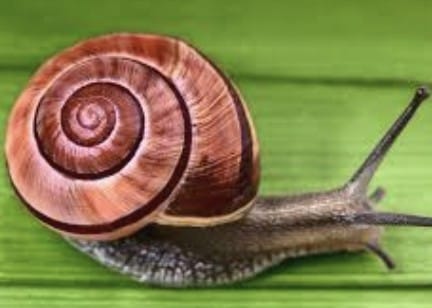
Snails, clams, squids, and octopuses all share the same basic body plan - a distinct head, a muscular foot for movement, and an internal hump housing the organs - yet they look completely different from one another. In many molluscs a hard shell protects the soft body. The same fundamental blueprint has been modified into remarkably different forms depending on the demands of each animal's way of life.
- Habitat: water or moist land | Organisation: organ system | Skeleton: shell (exo)
Echinodermata - Internal support without a notochord
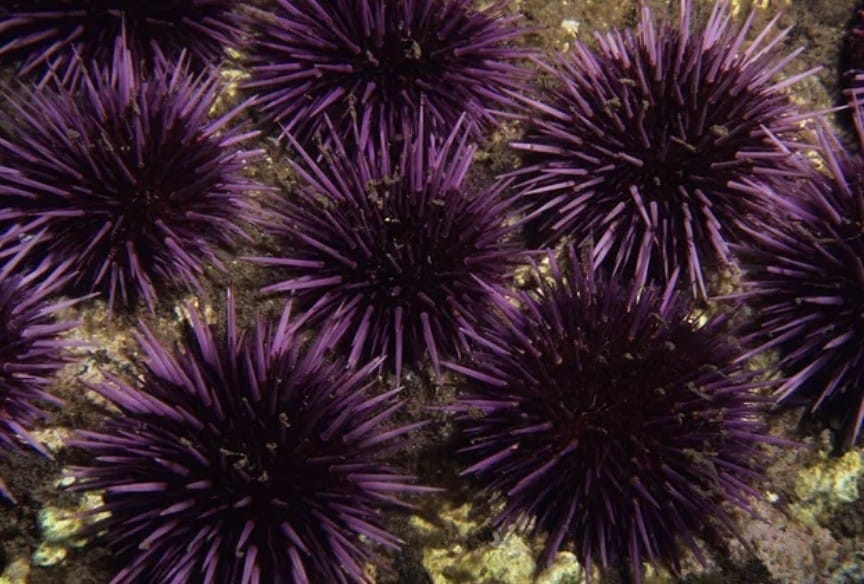
Echinoderms (echinos means spiny and derma means skin). Starfish and sea urchins. Their name means "spiny skin." Unlike every invertebrate group above, echinoderms have an internal skeleton made of calcium carbonate. Although they have no notochord, this internal framework foreshadows the kind of internal skeletal support found in vertebrates. It provides structural strength without the limitations of an external shell.
- Habitat: marine | Organisation: organ system | Skeleton: endoskeleton
Comparison of Invertebrate Phyla
| Phylum | Habitat | Organisation | Skeleton |
|---|---|---|---|
| Porifera | Marine | Cellular | None |
| Cnidaria | Fresh & marine water | Tissue | None |
| Platyhelminthes | Water / inside host | Organ | None |
| Nematoda | Soil / water / inside host | Organ system | None |
| Annelida | Moist soil / water | Organ system | None |
| Arthropoda | Land & water | Organ system | Exoskeleton |
| Mollusca | Water / moist land | Organ system | Shell (exo) |
| Echinodermata | Marine | Organ system | Endoskeleton |
Protochordates-The appearance of the notochord
Amphioxus is the classic example. These animals have a notochord at some point in their life, but it never develops into a backbone. They serve as an important link - helping us understand how the vertebrate body plan could have evolved from simpler, invertebrate-like ancestors.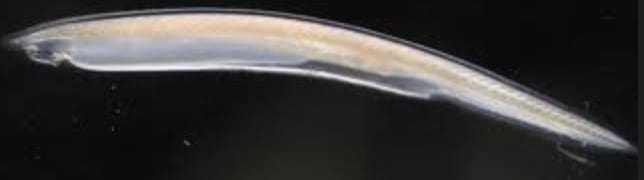
Vertebrates - Animals with a Backbone
In vertebrates, the notochord is replaced during development by a vertebral column - a chain of bones that encloses and protects the spinal cord, supports the body, and provides attachment points for powerful muscles. This internal framework makes large body sizes possible and allows for fast, coordinated movement. Vertebrates also have well-developed sense organs and complex behaviour.
They fall into five groups: fish, amphibians, reptiles, birds, and mammals - sorted by habitat, body covering, and how they reproduce.
How biodiversity buffers against disaster: In 1999, dense mangrove forests along the Odisha coast absorbed much of a devastating super cyclone's force - coastal villages with more mangroves suffered far less destruction. In the Western Ghats, the rich variety of animal species limits the spread of Monkey Fever (Kyasanur Forest Disease), because the virus cannot replicate effectively in many of its potential hosts. Diverse microbes in forest soils also filter pollutants from groundwater before they can reach rivers and coasts.
7. Adaptations as Outcomes of Structural Change
Every distinctive animal feature exists because it helped some ancestor survive and reproduce better in its environment. Fish have streamlined bodies and gills that extract dissolved oxygen from water. Birds have hollow bones and lightweight feathers that make powered flight possible. Camels store fat in their humps and metabolise it into water and energy on long journeys. Polar bears carry dense fur and thick fat layers to survive Arctic cold. In mammals, mammary glands produce milk - a rich, easily digestible food for offspring during their most vulnerable early weeks.
All of these reflect the same principle: structural changes that improve survival are passed on and accumulate over generations, gradually producing the diversity of body forms we see today.
7.1 The Hierarchical Nature of Classification
Classification is arranged like a series of nested containers. The outermost container - the kingdom - is the broadest. Each level inside is more specific, and organisms share more features with each other the further in you go.
Kingdom → Phylum → Class → Order → Family → Genus → Species
Think of it like a mailing address. Your country places you on a continent; your state, city, street, and house number narrow it down to one unique location. Classification works the same way - each level narrows an organism's identity until the species name pins it down uniquely in the entire living world.
Tiger: Animalia → Chordata → Vertebrata → Mammalia → Carnivora → Felidae → Panthera → P. tigris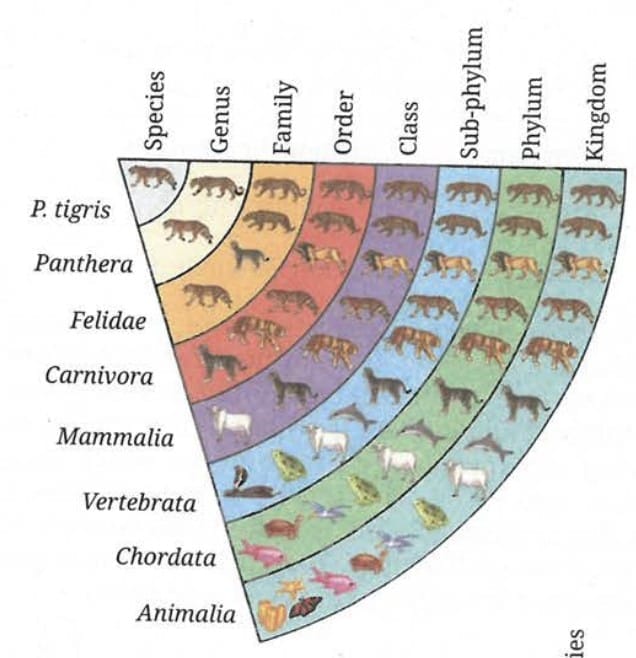
Pea: Plantae → Magnoliophyta → Magnoliopsida → Fabales → Fabaceae → Pisum → P. sativum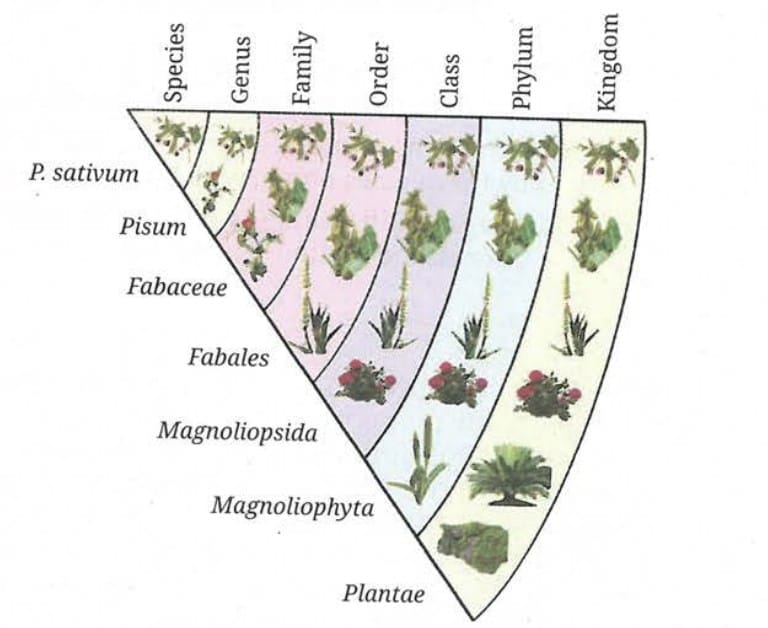
8. Scientific Naming - The Binomial System
A tiger is called bagh in Hindi, puli in Tamil, tigre in French. Local names are useful locally, but when scientists from different countries discuss the same animal they need a single shared name. Carolus Linnaeus solved this in the 18th century with binomial nomenclature - a universal two-part naming system written in Latin.
The first part is the genus name (written with a capital letter); the second is the species name (all lowercase). Together they identify the organism uniquely. Examples:
- Tiger: Panthera tigris
- Lion: Panthera leo - same genus as the tiger, showing they are close relatives.
- Mango: Mangifera indica
A genus groups closely related species that share key features. A species is a group of individuals similar enough to interbreed and produce fertile offspring.
Rules for writing scientific names:
- Always two parts - genus first, then species.
- The genus name begins with a capital letter and comes first, followed by the species name, which is written in small letters (lower case).
- Written in italics when printed; underlined when handwritten.
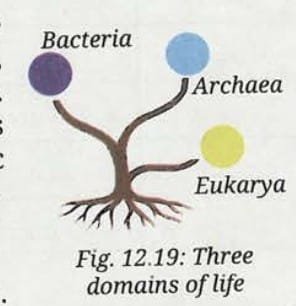
Three Domain System - Carl Woese (1977): Even Whittaker's five kingdoms left questions unanswered. When DNA technology allowed scientists to compare organisms at the genetic level, it became clear that the differences between different types of bacteria were as deep as those between bacteria and everything else. Carl Woese proposed three domains sitting above the kingdoms: Bacteria, Archaea (prokaryotes found in extreme environments), and Eukarya (all eukaryotes). This revealed that the invisible microbial world is far more diverse than anyone had imagined.
9. Fossils as Evidence
How do we know that life has been changing for billions of years? One of the most direct answers is fossils - the preserved remains or imprints of organisms found in sedimentary rock, sand, and mud. As a rule, older rock layers tend to contain simpler organisms; newer layers contain progressively more complex ones. Fossils give us a physical timeline of life's long history on Earth.
Meet a Scientist
Birbal Sahni: One of India's most respected scientists, Birbal Sahni spent his career studying fossil plants. He founded the Birbal Sahni Institute of Palaeosciences (BSIP) in Lucknow, which continues research on ancient plant life and past environments to this day. By identifying similarities between fossil plants and living species, he helped demonstrate that today's plant diversity has evolutionary roots stretching back hundreds of millions of years.
Threads of Curiosity
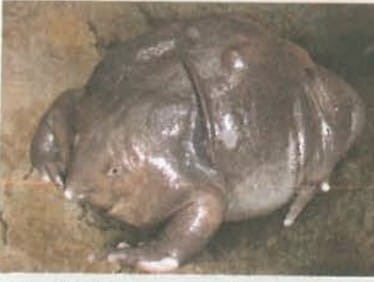
The Purple Frog: Species names sometimes record where an organism was found or honour a scientist. Nasikabatrachus sahyadrensis - the Purple Frog - from Kerala gets its species name from the Sahyadri Hills. It spends most of the year underground and emerges only during the monsoon to breed. It belongs to an ancient frog lineage known mainly through fossils. Its rediscovery in 2003 gave scientists new insight into ancient amphibian groups and highlighted the critical importance of protecting the Western Ghats.
10. Biodiversity Under Threat
No species exists in isolation. Plants produce food and oxygen; animals pollinate crops and carry seeds to new places; microbes break down waste and cycle nutrients back into the soil. Every species is a thread in an interconnected web. Pull enough threads and the whole structure weakens.
Pollution, deforestation, overexploitation, and climate change are steadily eroding Earth's biodiversity. When a species disappears, the organisms that depended on it - for food, shelter, or pollination - are also put at risk. One extinction rarely stops at one.
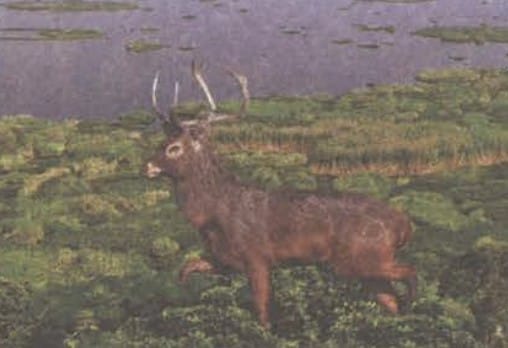
The Sangai deer and phumdis: Loktak Lake in Manipur contains floating islands of matted vegetation and soil called phumdis. These are the sole habitat of the Sangai - the dancing deer - found nowhere else on Earth. The Sangai was declared extinct in 1951, then rediscovered in 1953 thanks to naturalists who recognised its distinctive elongated hooves. Today the phumdis are shrinking, the Sangai is listed as endangered on the IUCN Red List, and active conservation efforts are underway to save both the habitat and its unique resident.
At a Glance - Summary
- The variety of living things on Earth is called biodiversity. Every organism plays a role in keeping ecosystems stable and functional.
- Scientists use biological classification to organise life into groups based on shared cell structure, nutrition, body organisation, and genetic similarity.
- Classification systems have changed over time. The most widely used today is Whittaker's five kingdom system (1969): Monera, Protista, Fungi, Plantae, and Animalia.
- Kingdom Plantae is divided into five classes - Thallophyta, Bryophyta, Pteridophyta, Gymnosperm, and Angiosperm - each reflecting greater adaptation to life on land.
- Kingdom Animalia is split into non-chordata (invertebrates) and chordata (vertebrates) based on the presence of a notochord. Invertebrate phyla: Porifera, Cnidaria, Platyhelminthes, Nematoda, Annelida, Arthropoda, Mollusca, Echinodermata.
- Protochordates bridge the gap between invertebrates and vertebrates. Vertebrates divide into fish, amphibians, reptiles, birds, and mammals.
- Classification is hierarchical: Kingdom → Phylum → Class → Order → Family → Genus → Species.
- Every organism has a unique two-part scientific name under binomial nomenclature - genus (capitalised) followed by species (lowercase), written in italics.
- Fossils provide direct physical evidence that life has been changing over billions of years.
- Human activity is reducing biodiversity. Protecting it matters because every species lost can trigger a chain of further losses across the ecosystem.
FAQs on Chapter Notes: Patterns in Life: Diversity and Classification
| 1. What is the significance of classification in biology? |  |
| 2. What are the major taxonomic ranks used in biological classification? | |
| 3. How do scientists classify organisms into different kingdoms? | |
| 4. What role do binomial nomenclature and scientific names play in classification? | |
| 5. What are some examples of adaptations in animals that illustrate diversity in life forms? | |




